Pain is one of the most common reasons people seek medical care. It can affect any part of the body and can range from mild discomfort to severe, life-limiting pain. While some pain is temporary and goes away with healing, other pain lasts for months or years and affects sleep, mood, work, and daily life. This is called chronic pain, and it needs a structured and specialized approach.
Pain management therapies are treatments designed to reduce pain, improve function, and help patients return to normal activities. These therapies may include medicines, physical therapy, injections, nerve blocks, minimally invasive procedures, psychological support, and lifestyle changes. The goal is not just to mask pain but to identify its cause and treat it in a way that improves quality of life.
Pain management is a medical approach that focuses on reducing pain and improving function. It is not just about giving painkillers. It involves understanding why the pain is happening, how severe it is, and what treatments will work best for that specific patient.
Pain can come from injury, inflammation, nerve damage, surgery, cancer, or chronic conditions like arthritis. Pain management uses a combination of treatments to address the cause, reduce symptoms, and help the patient live better. The aim is to restore movement, improve sleep, reduce dependence on medicines, and enhance overall well-being.
Pain can be classified in different ways based on its cause, duration, and location.
Chronic pain can have many causes, and often more than one factor is involved.
Sometimes pain continues even after the original injury heals. This can happen because the nervous system becomes sensitized and continues to send pain signals. Chronic pain can also be influenced by stress, poor sleep, depression, and lack of movement. Understanding this helps guide treatment beyond just medicines.
Symptoms depend on the type and location of pain.
Diagnosis is based on history, examination, and tests to identify the cause of pain.
Pain can come from many different sources. Accurate diagnosis ensures the right treatment is chosen, rather than just masking symptoms. It also helps avoid unnecessary procedures or medicines.
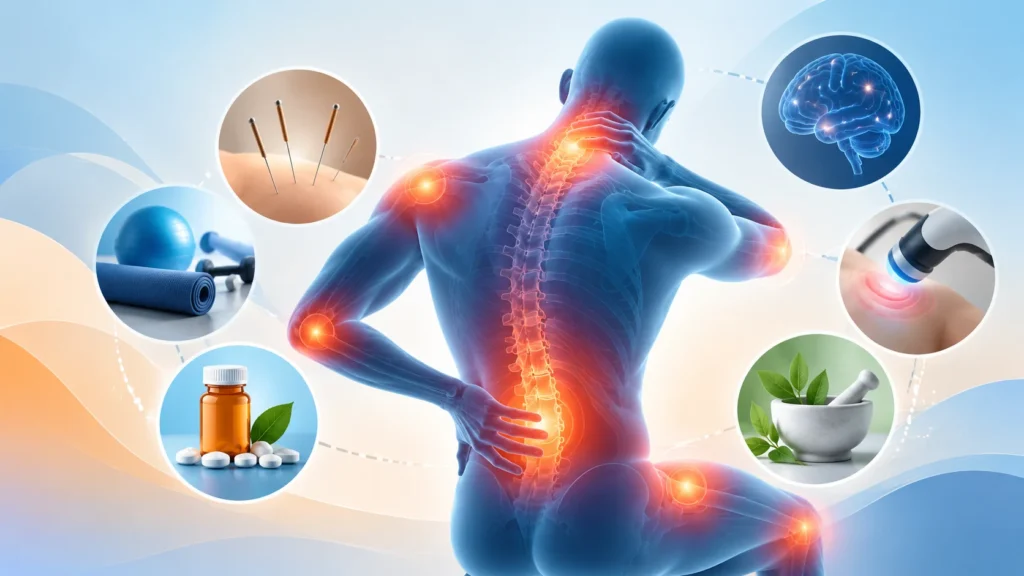
There are many treatment options for pain, and often a combination works best.
Medicines are often the first step in pain management.
Physical therapy helps improve movement, strength, and flexibility.
These are minimally invasive treatments that target the source of pain directly.
Chronic pain affects mood and mental health. Psychological therapies can help.
Daily habits can influence pain levels.
Some patients find relief with additional approaches.
For some patients, medicines and therapy are not enough. Interventional procedures can provide targeted relief.
These treatments target specific nerves or joints that are causing pain. They can reduce inflammation, interrupt pain signals, and provide relief that lasts weeks to months. They are often combined with physical therapy for best results.
Recovery depends on the type of treatment and the underlying cause.
Most pain treatments are safe, but some risks exist.
Regular follow-up helps catch side effects early and adjust treatment as needed. The goal is always to use the lowest effective dose and the least invasive treatment possible.
Medical evaluation is important if pain is persistent or affecting daily life.
Not all pain can be prevented, but many risk factors can be managed.
Pain management requires a team approach with accurate diagnosis and personalized treatment. A hospital with experienced pain specialists, physiotherapists, and advanced facilities can make a major difference.
See a pain specialist if pain lasts more than a few weeks, does not improve with home care, or affects sleep, work, or daily activities. Early evaluation can prevent chronic pain from becoming harder to treat.
Pain injections are generally safe when done by experienced specialists. They may cause temporary soreness, and rare risks include infection or bleeding. The benefits often outweigh the risks for the right patient.
Some chronic pain can be significantly reduced or resolved, especially if the cause is treatable. Others may need long-term management to keep pain under control. The goal is always to improve function and quality of life.
A nerve block is an injection that interrupts pain signals from a specific nerve or group of nerves. It can provide diagnostic information and therapeutic relief. It is often used for back, joint, or nerve pain.
Yes, physical therapy is a key part of most pain management plans. It helps improve strength, flexibility, and posture, which can reduce pain and prevent recurrence. It works best when combined with other treatments.
Yes, regular exercise, healthy weight, good sleep, and stress management can reduce pain levels. These changes support other treatments and help prevent pain from returning.
Opioids can be used in selected cases under strict medical supervision. They carry risks of dependence and side effects, so they are usually reserved for severe pain when other treatments have not worked.
Pain management therapies offer hope and relief for people suffering from acute or chronic pain. The key is accurate diagnosis, personalized treatment, and a combination of approaches that address both the cause and the symptoms. With the right care, most patients can reduce pain, improve function, and return to a more active and fulfilling life.
The most important steps are early evaluation, accurate diagnosis, and a treatment plan tailored to the individual. For patients with persistent pain, weakness, or reduced quality of life, a pain specialist can make a major difference. With the right support, pain does not have to control your life.
Rama Hospital can provide comprehensive pain management therapies, from medicines and physical therapy to advanced interventional procedures, along with rehabilitation and long-term follow-up to support recovery and improve quality of life.



Through a pain management plan, healthcare providers help you manage all kinds and causes of pain.
No rows found.