
Gallbladder stones are one of the most common digestive problems seen in surgical practice. In many patients, these stones can be managed with medicines, diet changes, or minimally invasive surgery. But in some complex cases, the safest and most effective option is open cholecystectomy, a surgery in which the gallbladder is removed through a larger incision in the abdomen.
Open cholecystectomy is usually recommended when the gallbladder is severely inflamed, infected, scarred, or difficult to remove safely through keyhole surgery. It may also be needed when there are dense adhesions from previous operations, unclear anatomy, complications such as perforation, or when laparoscopic surgery cannot be completed safely. Although recovery takes longer than laparoscopic gallbladder surgery, open cholecystectomy remains a proven and reliable treatment for complicated gallbladder stone disease.
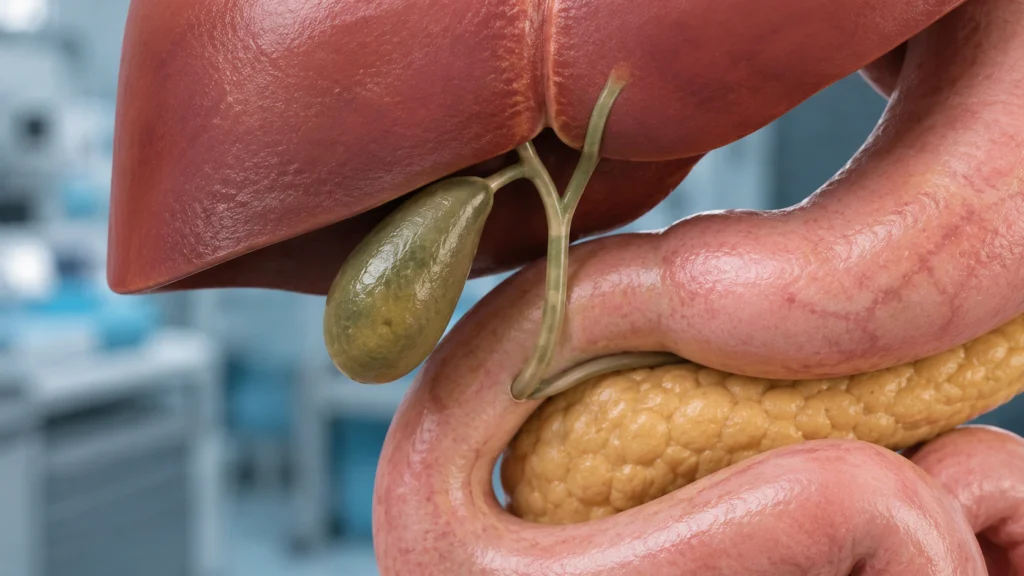
Open cholecystectomy is a surgical procedure to remove the gallbladder through a single larger cut in the upper right side of the abdomen. The gallbladder is a small organ located below the liver. Its job is to store bile, a digestive fluid that helps break down fat in food.
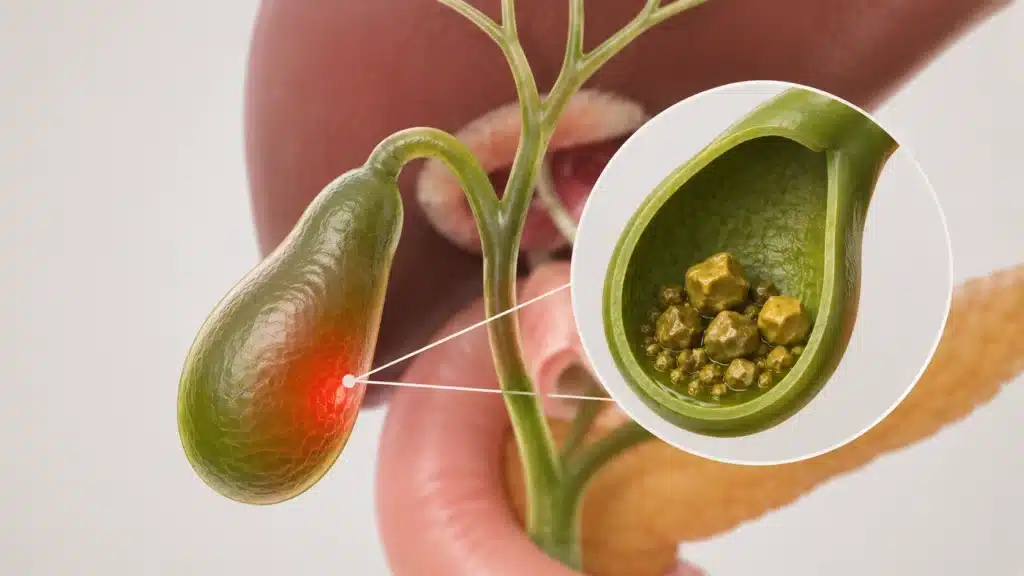
When gallstones form, they may block the flow of bile and cause pain, indigestion, nausea, infection, or inflammation. If the gallstones keep causing problems, the gallbladder may need to be removed. In open surgery, the surgeon directly reaches the gallbladder through the incision, removes it carefully, and closes the wound with stitches or staples.
This procedure is different from laparoscopic cholecystectomy, where the gallbladder is removed through tiny cuts using a camera and special instruments. Laparoscopic surgery is usually preferred when possible, but open surgery becomes the safer option in complex cases.
Open cholecystectomy is not required for every patient with gallstones. Many patients can be treated with laparoscopic surgery, and some small gallstones may be managed conservatively if they are not causing symptoms. Open surgery is usually reserved for more difficult situations.
This treatment is usually considered when the benefits of direct surgical access outweigh the benefits of minimally invasive surgery.
You may need open cholecystectomy if:
Gallbladder stones, also called gallstones, are hard deposits that form inside the gallbladder. They may be made of cholesterol, bile pigments, or a mixture of both. Some people have no symptoms at all, while others develop painful attacks that interfere with daily life.
If gallstones are causing ongoing symptoms or complications, surgery is often the best long-term solution.
Gallstones can cause problems when they block the flow of bile or irritate the gallbladder wall. This may lead to:
Gallstones form when bile becomes unbalanced. Bile normally contains cholesterol, bile salts, and waste products. If these substances become too concentrated or the gallbladder does not empty properly, stones can develop.
People with these risk factors may not know they have gallstones until symptoms begin. Common causes and risk factors include:
Gallstones can stay hidden for years, but once they become symptomatic, the patient may notice clear warning signs.
The pain may come and go at first, but it can become frequent or severe over time. In such cases, the doctor may recommend surgery. Common signs and symptoms include:
Before recommending open cholecystectomy, the doctor checks the severity of the disease and evaluates whether the patient is fit for surgery. This helps decide the safest treatment plan.
These tests help the surgical team understand the patient’s condition and plan the procedure properly.
Diagnosis and pre-surgical evaluation may include:
Not all gallbladder stones require immediate surgery. In some cases, especially if the stones are not causing severe symptoms, the doctor may start with conservative treatment.
However, non-surgical treatment does not remove the stones. If symptoms keep coming back, surgery is usually needed to prevent future attacks and complications.
Non-surgical treatment may include:
Open cholecystectomy is performed in the hospital under general anesthesia. The procedure is planned carefully and may take longer in complex cases.
Step 1: Preparation before surgery
The patient is evaluated with blood tests, scans, and anesthesia clearance. Fasting is usually required before surgery. The surgical team explains the procedure, risks, and recovery plan.
Step 2: Giving anesthesia
General anesthesia is given so the patient sleeps throughout the operation and does not feel pain.
Step 3: Making the incision
The surgeon makes a larger cut in the upper right abdomen. This allows direct access to the gallbladder and surrounding structures.
Step 4: Removing the gallbladder
The gallbladder is separated carefully from the liver and bile ducts. If there is inflammation or scar tissue, extra care is taken to avoid injury to nearby organs.
Step 5: Closing the wound
Once the gallbladder is removed, the surgeon checks for bleeding or bile leakage. The incision is then closed with stitches or staples, and a dressing is applied.
Step 6: Recovery in hospital
The patient is monitored after surgery for pain control, breathing, food tolerance, wound healing, and possible complications. The hospital stay may be longer than laparoscopic surgery, especially in difficult cases.
In these cases, open surgery gives the surgeon better visibility and control, which can improve safety.
Open cholecystectomy is often chosen when laparoscopic surgery is not safe enough. This can happen in patients with:
Open cholecystectomy has important benefits in the right patient, especially when the gallbladder disease is complex.
For many patients with complex gallbladder stone disease, open surgery provides a reliable long-term solution.
Benefits include:
Like all surgeries, open cholecystectomy has some risks. These risks are higher in complicated cases than in routine laparoscopic surgery, which is why proper planning is important.
The surgical team works carefully to reduce these risks and monitors the patient closely after the procedure.
Possible complications include:
Recovery after open gallbladder surgery is slower than laparoscopic surgery, but good care can help the patient heal well. With proper care, most patients gradually recover and return to normal life.
Helpful recovery tips include:
Rama Hospital offers structured care for patients with gallbladder stone disease and complex gallbladder surgery.
This helps establish Rama Hospital as a trusted center for gallbladder stone treatment, open cholecystectomy, and gallbladder surgery.
Why patients choose Rama Hospital:
Early medical consultation can help prevent complications and decide whether surgery is needed. You should see a doctor if you have:
Yes, it is more invasive than laparoscopic gallbladder surgery. It is usually done when the case is complex or when open access is safer for the patient. Recovery may take longer, but the procedure is effective and well-established.
The hospital stay depends on the patient’s condition, the difficulty of surgery, and recovery speed. In most cases, patients stay longer than they would after laparoscopic surgery because the incision is larger and healing takes more time. Your doctor will decide discharge timing based on your progress.
There is pain after surgery because the incision is larger than in keyhole surgery. However, pain medicines, rest, and proper wound care usually help manage it well. The discomfort gradually reduces as healing continues.
No, once the gallbladder is removed, stones cannot form in that gallbladder again. In rare cases, stones may still occur in the bile ducts, but the original gallbladder stone problem is treated permanently by surgery.
Open cholecystectomy is an important surgical treatment for gallbladder stones, especially in complex cases where laparoscopic surgery may not be safe. It allows the surgeon to remove the gallbladder directly, manage difficult anatomy, and reduce the risk of future gallstone attacks and complications.
For patients with repeated pain, infection, severe inflammation, or previous abdominal surgery, open cholecystectomy can provide a dependable and effective solution. At Rama Hospital, this treatment is planned with careful diagnosis, expert surgical judgment, and close recovery support so patients can be treated safely and confidently.
Gallbladder removal, also known as cholecystectomy, is one of the most common procedures in the United States, with more than 1.2 million cholecystectomies done annually.
In the current era, laparoscopic cholecystectomy is the treatment of choice for symptomatic gallstone disease.
No rows found.