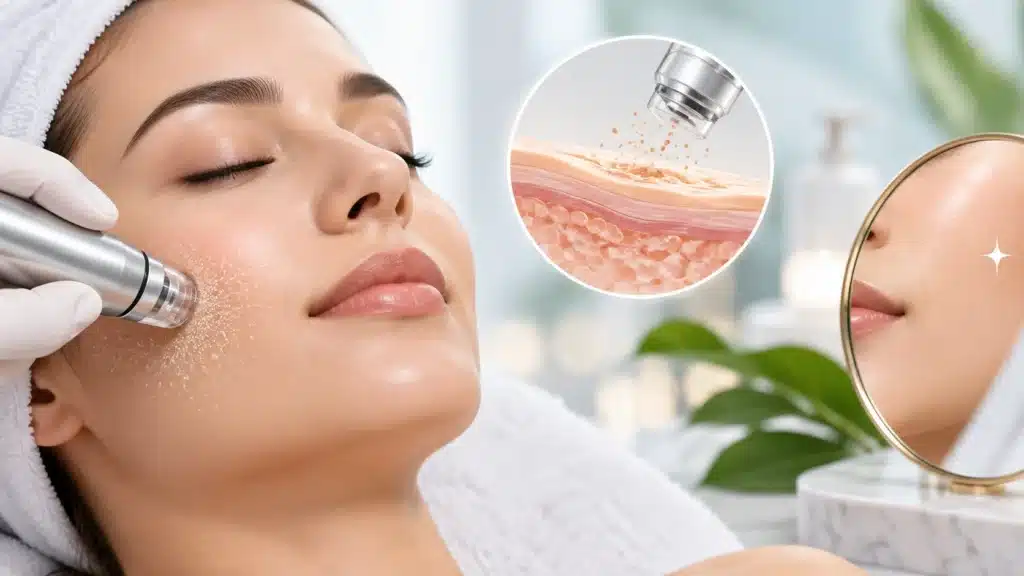
Microdermabrasion is a popular, non-invasive skin treatment used to improve skin texture, tone, and overall appearance. It works by gently exfoliating the outermost layer of the skin using a specialized device. This helps remove dead skin cells, unclog pores, and stimulate new skin growth. Many people choose microdermabrasion for dull skin, mild acne scars, uneven pigmentation, fine lines, enlarged pores, and rough texture.
Unlike more aggressive procedures, microdermabrasion does not require anesthesia or long downtime. The treatment is usually quick, comfortable, and suitable for many skin types when performed by a trained professional. Results are gradual and build up over multiple sessions. It is often used as part of a broader skin rejuvenation plan that may include peels, serums, lasers, or other dermatology treatments.
What is Microdermabrasion?
Microdermabrasion is a minimally invasive cosmetic procedure that exfoliates the top layer of the skin. It uses a handheld device that sprays fine crystals or uses a diamond-tipped wand along with gentle suction to remove dead skin cells. This process smooths the skin surface and encourages the growth of fresh, healthy skin.
The treatment is often described as a deep, controlled exfoliation. It is more effective than regular scrubs because it is uniform, precise, and performed under professional supervision. It does not penetrate deeply into the skin, which makes it safer for many people compared to stronger peels or lasers.
Microdermabrasion can be done on the face, neck, chest, hands, and other areas with sun damage or rough texture. It is commonly used for cosmetic improvement rather than for treating deep scars or severe skin diseases.
How Does Microdermabrasion Work?
The procedure works on the principle of mechanical exfoliation combined with suction.
Mechanism of action
- The device gently abrades the outermost layer of the skin.
- Dead and damaged skin cells are removed.
- Suction helps clear out debris from pores.
- The process stimulates blood flow to the treated area.
- New skin cell turnover is encouraged.
- Over time, this leads to smoother, brighter, and more even-toned skin.
Why it helps
- It reduces the buildup of dead cells that make skin look dull.
- It helps fade superficial pigmentation and tan.
- It can soften the appearance of fine lines and mild scars.
- It improves the absorption of skincare products applied afterward.
- It gives an immediate glow with continued improvement over sessions.
Benefits of Microdermabrasion
Microdermabrasion offers several benefits for people looking to improve their skin quality without significant downtime.
Skin-related benefits
- Improves skin texture and smoothness.
- Reduces dullness and gives a healthy glow.
- Helps fade mild pigmentation and sun tan.
- Softens the appearance of fine lines.
- Minimizes the look of enlarged pores.
- Helps with mild acne scars and uneven skin surface.
- Can improve the appearance of stretch marks in early stages.
- Supports better absorption of serums and moisturizers.
Practical benefits
- Non-invasive and does not require needles or injections.
- Minimal discomfort during the procedure.
- No anesthesia needed in most cases.
- Short session time, often thirty to forty-five minutes.
- Little to no downtime for most patients.
- Suitable for many skin types when done correctly.
- Can be combined with other treatments for enhanced results.
Who Can Benefit from Microdermabrasion?
Microdermabrasion is suitable for many people, but it works best for specific skin concerns.
Ideal candidates
- People with dull, tired-looking skin.
- Those with mild acne scars or uneven texture.
- Individuals with superficial pigmentation or sun damage.
- People with enlarged pores and oily skin.
- Those with fine lines and early signs of aging.
- Individuals looking for a gentle refresh before an event.
- People who want regular maintenance for skin quality.
Areas that can be treated
- Face, including forehead, cheeks, nose, and chin.
- Neck.
- Chest or décolletage.
- Hands.
- Back or shoulders with mild scarring or pigmentation.
Who Should Avoid Microdermabrasion?
Although microdermabrasion is gentle, it is not suitable for everyone.
People who should avoid or use caution
- Individuals with active acne breakouts or inflamed pimples.
- Those with open wounds, cuts, or infections on the skin.
- People with active cold sores or herpes outbreak.
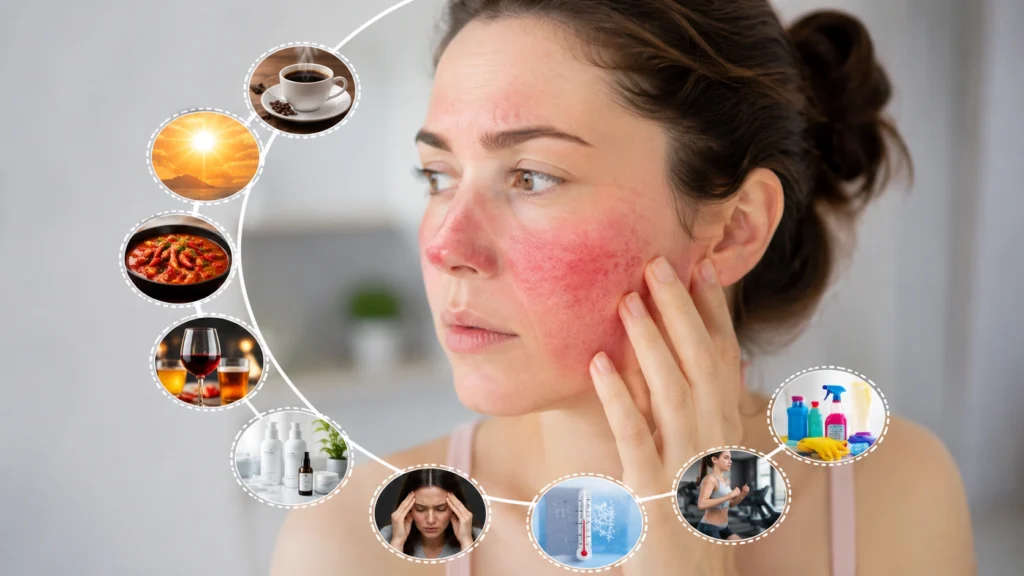
- Patients with severe rosacea or very sensitive, inflamed skin.
- Those with eczema, psoriasis, or dermatitis in the treatment area.
- People who have used strong retinoids or peels recently.
- Individuals with a history of poor wound healing or keloids.
- Patients who have had recent laser treatment or deep peels.
- People with sunburn or recent excessive sun exposure.
- Those with certain skin cancers or pre-cancerous lesions in the area.
Why caution is needed
- The procedure can worsen active inflammation or infection.
- It may cause irritation in very sensitive or compromised skin.
- Recent aggressive treatments can increase the risk of damage.
- Certain conditions require medical clearance before any cosmetic procedure.
The Microdermabrasion Procedure
The procedure is usually performed by a dermatologist or trained skin therapist in a clinic or hospital setting.
Before the procedure
- A detailed skin assessment is done to check suitability.
- Medical history, including skin conditions and medications, is reviewed.
- Recent treatments such as peels, lasers, or retinoids are discussed.
- The patient is advised to avoid sun exposure and harsh products before the session.
- Makeup and sunscreen are removed before starting.
During the procedure
- The skin is cleansed thoroughly.
- The device is moved gently over the treatment area.
- Fine crystals or a diamond tip exfoliate the skin surface.
- Suction removes dead cells and debris from the pores.
- The pressure and passes are adjusted based on skin sensitivity.
- A soothing serum, mask, or moisturizer is applied afterward.
- Sunscreen is applied before the patient leaves.
After the procedure
- The skin may appear slightly pink or flushed for a few hours.
- Mild dryness or tightness may be felt for a day or two.
- Most people can resume normal activities immediately.
- Sun protection is strongly recommended for at least a week.
- Harsh scrubs, retinoids, or strong actives should be avoided for a few days.
Number of Sessions and Treatment Plan
Microdermabrasion results are cumulative, meaning they improve with repeated sessions.
Typical treatment plan
- A single session can give an immediate glow and smoother feel.
- For visible improvement in texture and pigmentation, multiple sessions are needed.
- Many people benefit from a series of four to six sessions.
- Sessions are usually spaced two to four weeks apart.
- Maintenance sessions may be done every one to three months depending on skin goals.
Factors that influence the plan
- Severity of pigmentation, scars, or texture issues.
- Skin type and sensitivity.
- Age and overall skin condition.
- Response to initial sessions.
- Combination with other treatments such as peels or serums.
Aftercare and Home Care
Proper aftercare helps maximize results and reduce the risk of side effects.
Immediate aftercare
- Avoid direct sun exposure for at least a week.
- Use a broad-spectrum sunscreen daily.
- Keep the skin well moisturized.
- Avoid hot water, steam, or saunas for twenty-four to forty-eight hours.
- Do not pick or scratch the treated area.
Skincare recommendations
- Use gentle, non-irritating cleansers.
- Avoid scrubs, brushes, or harsh exfoliants for a few days.
- Pause strong actives such as retinoids, acids, or bleaching agents for three to five days.
- Use soothing products with ingredients like aloe, hyaluronic acid, or ceramides.
- Follow the dermatologist’s recommended skincare routine.
Lifestyle tips
- Stay well hydrated.
- Eat a balanced diet rich in fruits and vegetables.
- Avoid smoking, which can impair skin healing.
- Get adequate sleep for skin recovery.
- Manage stress, which can affect skin health.
Possible Side Effects and Risks
Microdermabrasion is generally safe, but some temporary side effects can occur.
Common, mild side effects
- Redness or pinkness for a few hours.
- Mild swelling or puffiness.
- Dryness or flaking for a day or two.
- Tightness or sensitivity.
- Temporary increase in sun sensitivity.
Less common side effects
- Small bruises or petechiae in sensitive areas.
- Mild irritation or burning sensation.
- Breakouts in acne-prone skin if aftercare is not followed.
- Hyperpigmentation in darker skin types if sun protection is neglected.
- Infection if proper hygiene is not maintained.
Why side effects happen
- The skin barrier is temporarily weakened after exfoliation.
- Sun exposure can trigger pigmentation in freshly treated skin.
- Harsh products can irritate the newly exposed skin layer.
- Over-treatment or too-frequent sessions can cause damage.
Precautions Before and After Treatment
Taking proper precautions helps ensure safety and better outcomes.
Before treatment
- Inform the doctor about all medications and supplements.
- Mention any history of cold sores, keloids, or skin disorders.
- Avoid waxing, threading, or bleaching the area for at least a week.
- Stop strong retinoids or peels three to five days prior.
- Avoid sunburn or tanning before the session.
After treatment
- Use sunscreen every day, even indoors.
- Avoid direct sun, especially between ten in the morning and four in the afternoon.
- Do not use scrubs or exfoliants for at least three days.
- Avoid swimming pools, saunas, and steam rooms for forty-eight hours.
- Follow up with the dermatologist as advised.
Results and Expectations
Understanding realistic results helps patients make informed decisions.
What microdermabrasion can do?
- Improve skin brightness and glow.
- Smooth rough texture and refine pores.
- Fade superficial tan and mild pigmentation.
- Soften fine lines and mild acne scars.
- Enhance the effect of skincare products.
What microdermabrasion cannot do
- It cannot remove deep scars or deep wrinkles.
- It cannot treat active, inflamed acne effectively.
- It cannot replace surgical or laser procedures for significant skin laxity.
- It cannot permanently stop pigmentation if sun protection is not maintained.
Timeline of results
- Immediate glow and smoother feel after one session.
- Gradual improvement in texture and tone over multiple sessions.
- Best results seen after completing a recommended series.
- Maintenance needed to sustain benefits over time.
Why Choose Rama Hospital for Microdermabrasion?
Microdermabrasion may seem simple, but safe and effective results depend on proper assessment, technique, and aftercare. A hospital-based dermatology setup offers medical oversight, hygiene standards, and access to advanced skin care if needed.
- Evaluation by qualified dermatologists.
- Customized treatment plans based on skin type and concerns.
- High standards of hygiene and sterilization.
- Access to complementary treatments such as peels, lasers, or serums.
- Proper management of any side effects or complications.
- Long-term skin health guidance beyond a single session.
Frequently Asked Questions (FAQs)
Is microdermabrasion painful?
Most people find the procedure comfortable with only a mild scratching or vibrating sensation. There is usually no need for anesthesia, and discomfort is minimal during and after the session.
How many sessions are needed for results?
A single session gives an instant glow, but noticeable improvement in texture and pigmentation usually requires four to six sessions. Maintenance sessions may be recommended every few months.
Is there any downtime after microdermabrasion?
There is little to no downtime for most people. The skin may be slightly pink or dry for a day, but normal activities can usually be resumed immediately with proper sun protection.
Can microdermabrasion treat acne scars?
It can help soften the appearance of mild, superficial acne scars and improve overall texture. Deep or pitted scars usually need additional treatments such as lasers, subcision, or fillers.
Is microdermabrasion safe for all skin types?
It can be safe for many skin types when performed by a trained professional. However, people with very dark skin, active acne, or sensitive conditions need careful assessment to avoid pigmentation or irritation.
Can I wear makeup after microdermabrasion?
It is best to avoid makeup for at least twenty-four hours to let the skin recover. After that, gentle, non-comedogenic products can be used with careful removal and moisturization.
How long do the results last?
Results can last from a few weeks to several months depending on skin type, lifestyle, and sun protection. Maintenance sessions and good skincare help prolong the benefits.
Conclusion
Microdermabrasion is a safe, effective, and popular treatment for people who want smoother, brighter, and more even-toned skin without significant downtime. It works best for dullness, mild pigmentation, fine lines, enlarged pores, and superficial texture issues. While it cannot replace stronger procedures for deep scars or severe damage, it is an excellent option for regular skin maintenance and rejuvenation.
The key to good results is proper patient selection, skilled technique, and consistent aftercare including sun protection and gentle skincare. For people considering microdermabrasion, a consultation with a qualified dermatologist can help determine suitability, set realistic expectations, and design a personalized treatment plan.
Rama Hospital can provide microdermabrasion as part of a comprehensive dermatology and skin care program, with medical oversight, high safety standards, and long-term guidance for healthy, glowing skin.