
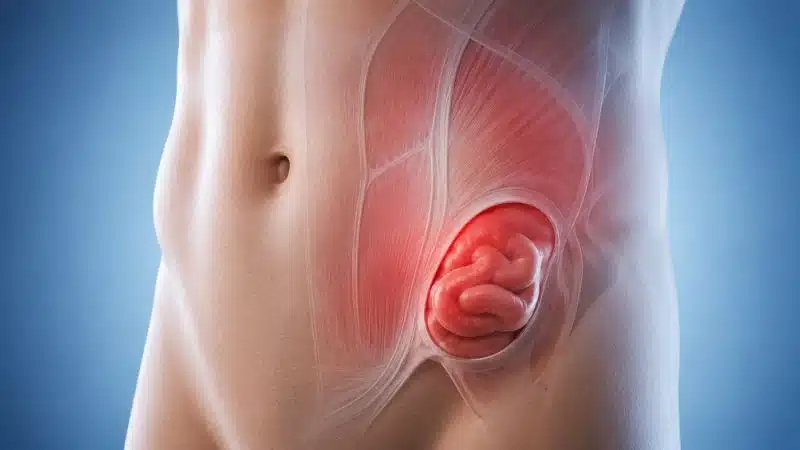
A hernia is a condition in which an internal organ or tissue pushes through a weak spot in the muscle or surrounding tissue wall. It can happen in the abdomen, groin, or around a previous surgical scar. In many cases, hernias do not heal on their own and may become bigger, more painful, or more dangerous over time. That is why surgical repair is often recommended, especially when the hernia causes discomfort, swelling, or lifestyle limitations.
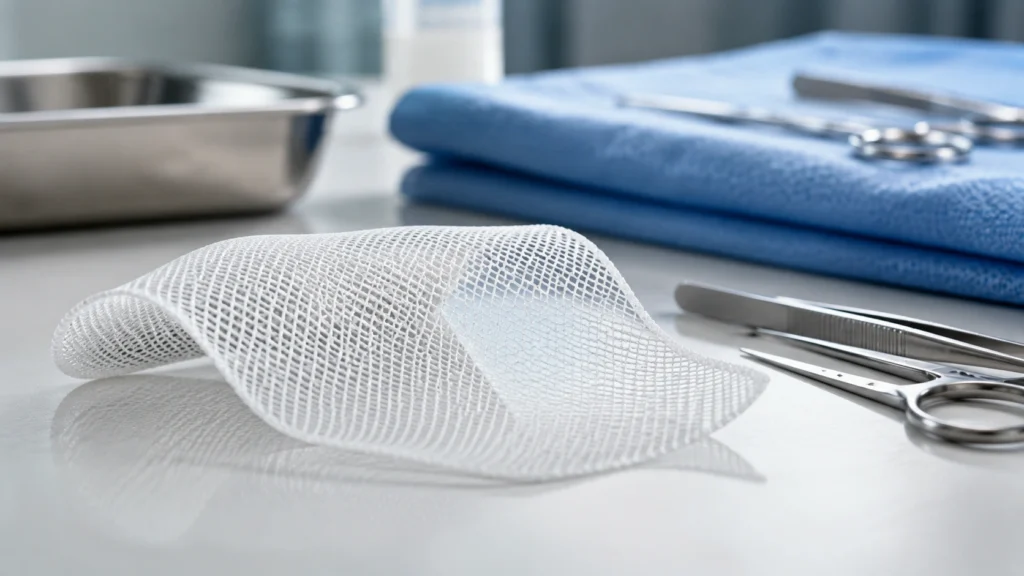
Mesh hernioplasty is one of the most widely used and effective surgical methods for hernia repair. In this procedure, the surgeon places a special mesh over the weakened area to reinforce the abdominal wall and reduce the chance of recurrence. The mesh acts like a strong support layer, helping the tissue heal and preventing the hernia from coming back.
This treatment is commonly used for inguinal hernia, umbilical hernia, incisional hernia, ventral hernia, and other abdominal wall hernias. For many patients, mesh hernioplasty offers a durable solution with faster recovery, less recurrence risk, and long-term relief from symptoms.
At a hospital, mesh hernioplasty is planned after proper clinical evaluation, imaging if needed, and surgical assessment. The goal is not just to repair the hernia, but also to improve comfort, prevent complications, and support a return to normal daily activity.
Mesh hernioplasty is a surgical technique used to repair a hernia using a synthetic or biological mesh. The mesh is placed over or under the weak area in the muscle wall to strengthen it and keep organs from pushing through again.
In simple terms:
Mesh hernioplasty is preferred in many cases because the abdominal wall may be too weak for stitch-only repair. In such situations, mesh provides better structural support and long-term stability.
The exact approach depends on the type of hernia, the size of the defect, the patient’s medical condition, and the surgeon’s recommendation. This procedure can be done through:
Many people hope a hernia will go away on its own, but in most cases, it does not. A hernia often gets worse over time because the opening in the muscle wall remains weak. As pressure increases with movement, coughing, lifting, or straining, the hernia may grow bigger.
Mesh hernioplasty helps repair the defect properly and offers stronger long-term results than repair without reinforcement in many patients. Surgery is often advised because a hernia can lead to:
Mesh hernioplasty is usually recommended for patients with symptomatic hernias or hernias that have a higher chance of coming back after simple repair. The surgeon decides based on the hernia type, size, location, and patient history.
Mesh repair is especially useful when the abdominal wall is weak or the hernia defect is large enough that stitch repair alone may not be strong enough. You may need mesh hernioplasty if you have:
Not every hernia is the same. The type, size, location, and risk of recurrence help determine whether mesh repair is the best option. Mesh hernioplasty is commonly used because it provides additional support to the weakened abdominal wall and helps reduce the chances of the hernia coming back.
The most common type of hernia, especially in men.
This develops around the belly button.
Occurs at the site of a previous abdominal surgery.
A hernia that occurs in the front abdominal wall.
A less common but potentially serious hernia.
A hernia that returns after previous surgery.
Occurs between the breastbone and the belly button.
Occurs when part of the stomach moves into the chest through the diaphragm.
Some patients may have more than one hernia or a very large defect.
The decision to use mesh depends on the size of the hernia, its location, tissue strength, and the patient’s overall health. Your surgeon will recommend the most suitable approach based on your individual condition.
The main reason mesh is used is to strengthen the repair. When the body tissue is weak, simply stitching the edges together may not be enough, especially in larger hernias or hernias under pressure.
Mesh helps by:
Mesh hernioplasty has become a standard and trusted surgical option because it improves outcomes in many patients compared to repair without mesh.
Different meshes may be used depending on the patient and surgical plan. The choice of mesh depends on the surgeon’s judgment and the specific hernia condition.
A small hernia can sometimes be observed for a while, but the patient should still be monitored regularly. Once symptoms increase, mesh hernioplasty becomes a strong treatment option. Not every hernia requires emergency surgery, but many eventually do need repair. Surgery is usually recommended when the hernia:
The purpose of diagnosis is to understand the size of the defect, the contents of the hernia, and whether open or laparoscopic repair is more suitable. Before mesh hernioplasty, the doctor evaluates the hernia carefully to decide the safest and most effective approach. The evaluation may include:
A good surgery outcome starts with proper planning. Before the procedure, the hospital team usually explains the surgery, recovery, risks, and aftercare. Good preparation helps reduce complications and supports smoother recovery.
Preoperative steps may include:
Patients should tell the doctor about:
|
Indication |
Why Surgery Is Recommended |
| Painful hernia | Symptoms affect daily life |
| Large hernia | Weak tissue needs support |
| Recurrent hernia | Higher risk of coming back |
| Incisional hernia | Old scar area is weak |
| Inguinal hernia | Common repair need |
| Umbilical hernia | Especially when enlarging |
| Ventral hernia | Often requires mesh reinforcement |
Mesh hernioplasty can be performed through open or minimally invasive techniques. The surgeon chooses the best method based on the case.
Step 1: Anesthesia
The procedure is usually done under general or spinal anesthesia, depending on the hernia and the surgical plan.
Step 2: Surgical access
Step 3: Hernia reduction
The hernia contents are gently moved back into the abdominal cavity if needed. The surgeon checks the area carefully for safety.
Step 4: Hernia sac management
The hernia sac may be separated, reduced, or removed depending on the type of hernia and the operative plan.
Step 5: Mesh placement
The mesh is placed over or under the weak area to reinforce the abdominal wall.
Step 6: Fixation
The mesh is secured with sutures, tacks, or other fixation methods depending on the technique used.
Step 7: Closure
The incision is closed carefully in layers, and a dressing is applied.
Step 8: Recovery monitoring
The patient is watched in recovery for pain, bleeding, nausea, and early post-surgery response.
Mesh hernioplasty may take less time in simple cases and more time in complex recurrent or large hernias.
|
Feature |
Open Mesh Hernioplasty |
Laparoscopic Mesh Hernioplasty |
| Incision size | Larger incision | Small keyhole cuts |
| Recovery | Usually slower | Usually faster |
| Pain | May be more initially | Often less post-op pain |
| Best for | Complex, large, recurrent cases | Selected suitable cases |
| Hospital stay | May be longer | Often shorter |
| Surgery view | Direct access | Camera-assisted view |
Both methods are effective when performed for the right patient. The surgeon’s experience and the complexity of the hernia often guide the choice.
Mesh hernioplasty offers several important advantages, especially for patients with larger or recurrent hernias. For many patients, the biggest benefit is peace of mind. Once the hernia is repaired properly, they can return to normal activity with much less worry about the hernia worsening.
Benefits include:
Mesh hernioplasty is generally safe, but like any surgery, it does carry some risks. Serious complications are uncommon, especially when surgery is done by an experienced team and post-operative care is followed properly
Possible risks include:
Recovery depends on the type of surgery, the size of the hernia, and the patient’s general health. Some people recover quickly, while others need a longer healing period. Many patients can resume light activity within days, but heavy work or exercise may need to wait longer. The surgeon will guide the timing based on the type of repair.
Typical recovery advice includes:
A smooth recovery can improve the final result and reduce complications. Recovery is not just about healing the cut. It is also about protecting the repair so the hernia does not recur.
Helpful tips include:
|
Time Period |
What Usually Happens |
| First 24–48 hours | Pain control, rest, monitoring |
| First week | Walking, light movement, wound care |
| 2–4 weeks | More normal routine, still avoid strain |
| 4–6 weeks | Gradual return to regular activity |
| After 6 weeks | Many patients resume fuller activity with doctor approval |
Food plays a small but important role in recovery. A balanced diet helps the body heal and reduces constipation, which can put strain on the repair.
If the patient has diabetes, kidney disease, or other conditions, diet advice may be adjusted accordingly.
Recommended diet habits may include:
Patients should be careful with movements that raise abdominal pressure too early. Protecting the repair in the first few weeks is important for long-term success.
Avoid:
Some patients are more likely to develop a repeat hernia if the repair is not properly supported or if risk factors remain active. Mesh hernioplasty helps lower recurrence risk, but lifestyle and follow-up still matter.
Higher recurrence risk is seen in:
Rama Hospital offers a patient-centered approach to hernia care. The focus is on accurate diagnosis, safe surgery, and smooth recovery. This positions the hospital as a trusted center for hernia treatment, mesh hernioplasty, groin hernia repair, umbilical hernia surgery, and abdominal wall hernia repair.
Why patients choose Rama Hospital:
Mesh hernioplasty is a surgery used to repair a hernia by placing a mesh over the weak area in the muscle wall. The mesh strengthens the repair and lowers the chance of the hernia coming back. It is commonly used for inguinal, umbilical, incisional, and ventral hernias.
Yes, mesh hernioplasty is generally a safe and widely performed surgery. Like any operation, it has risks such as pain, infection, or recurrence, but these are usually manageable with proper surgical care and follow-up. The surgeon will decide if mesh is the best option for your case.
Most patients do not feel the mesh after healing is complete. The mesh becomes part of the repair and is designed to provide support without affecting normal daily life. Some mild discomfort may happen early in recovery, but this usually improves over time.
Recovery time depends on the type of surgery and the size of the hernia. Many patients return to light activity in a few days, while full recovery and heavy lifting may take several weeks. Your surgeon will tell you when it is safe to resume work and exercise.
Yes, recurrence is still possible, but the risk is usually lower with mesh repair compared to stitch-only repair. Factors like smoking, obesity, chronic cough, and heavy lifting can increase the chance of recurrence. Following post-surgery instructions helps protect the repair.
It can be done under general anesthesia, spinal anesthesia, or sometimes local anesthesia, depending on the hernia type and surgical approach. The anesthesia plan is decided after a pre-operative assessment. The goal is to keep the patient safe and comfortable during surgery.
You should avoid heavy lifting, sudden strain, and intense exercise until the doctor allows it. It is also important to avoid constipation and smoking because these can slow healing or put pressure on the repair. Gentle walking is usually encouraged early in recovery.
Not all hernias need mesh, but many do, especially if they are larger, recurrent, or under tension. Smaller hernias in selected patients may sometimes be repaired without mesh. The final choice depends on the surgeon’s evaluation and the specific hernia type.
Mesh hernioplasty is one of the most reliable treatments for hernia repair, especially in cases where the abdominal wall needs stronger reinforcement. By using mesh, surgeons can repair the weak arKidney stone symptomsea more effectively, reduce recurrence risk, and help patients return to normal life with better comfort and confidence.
For patients with inguinal hernia, umbilical hernia, incisional hernia, ventral hernia, or recurrent hernia, mesh repair is often the preferred surgical option. With proper evaluation, skilled surgical planning, and good post-operative care, the results are usually strong and long-lasting.
At a hospital like Rama Hospital, mesh hernioplasty is more than just a procedure. It is a complete treatment pathway that includes diagnosis, surgery, recovery guidance, and follow-up care designed to support the patient at every step.

Surgical mesh is a type of medical device that helps treat a hernia. It strengthens weak areas to prevent abdominal organs from pushing through your abdominal wall.
No rows found.