Laparoscopic hernia repair is a modern surgical treatment for inguinal hernia that uses small cuts, a camera, and specialized instruments to repair the weakness in the abdominal wall. TAPP and TEP are the two main laparoscopic techniques used for this surgery, and both are commonly recommended for patients who want faster recovery, less pain, and a return to normal activity sooner than traditional open surgery.
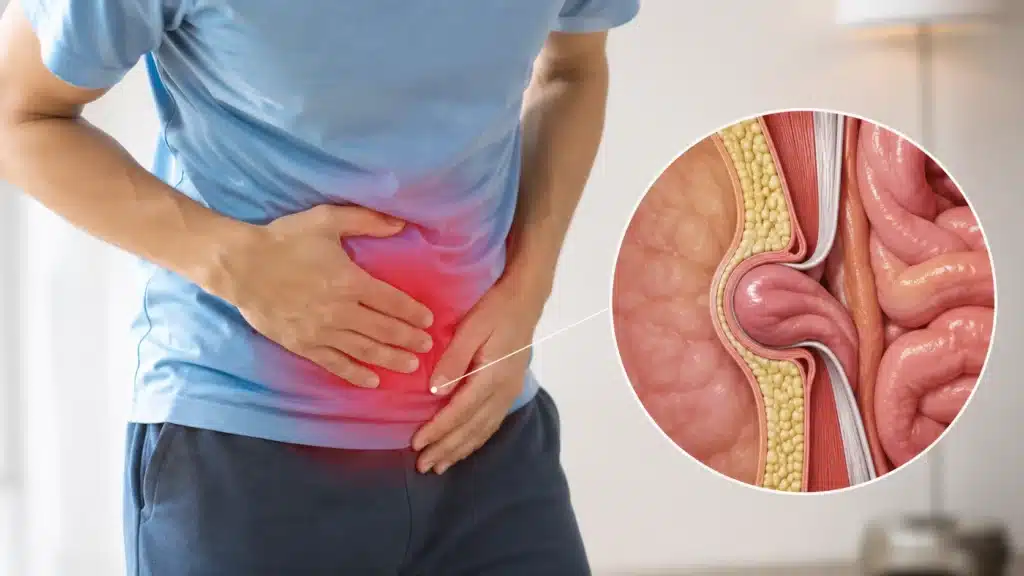
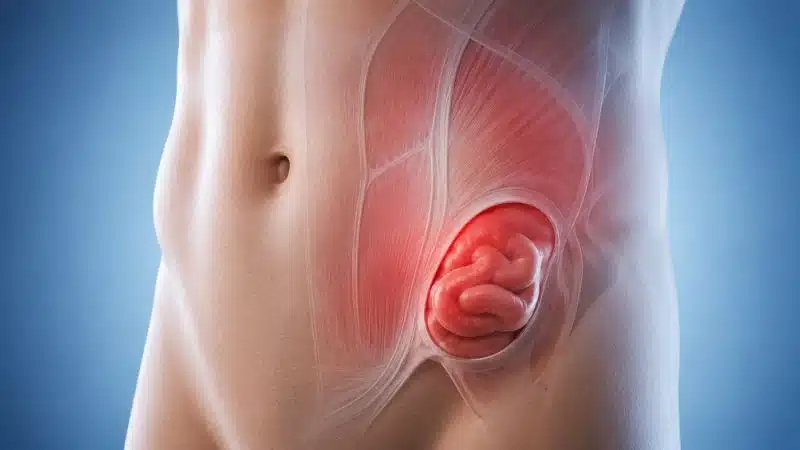
A hernia happens when an organ or tissue pushes through a weak spot in the muscle or connective tissue that holds it in place. In inguinal hernia, part of the intestine or fatty tissue pushes through a weak area in the groin. This can lead to a bulge, discomfort, heaviness, or pain, especially while coughing, lifting, standing for long periods, or straining.
Many people first notice a small swelling in the groin and ignore it because it may come and go. But hernias usually do not heal on their own. Over time, they can become larger, more uncomfortable, and in some cases more dangerous. If the hernia becomes trapped or its blood supply is affected, it can become a surgical emergency.
Laparoscopic hernia repair is one of the most preferred treatment options for inguinal hernia in suitable patients. It is especially useful when the patient wants minimal scarring, less post-operative pain, and an early return to routine life. The surgery is done using either the TAPP approach or the TEP approach, depending on the patient’s anatomy, hernia type, previous surgery, and the surgeon’s recommendation.
At Rama Hospital, laparoscopic hernia repair is planned after detailed clinical evaluation and imaging when needed. The aim is not only to close the hernia defect, but also to strengthen the groin area in a durable way and reduce the chance of recurrence.
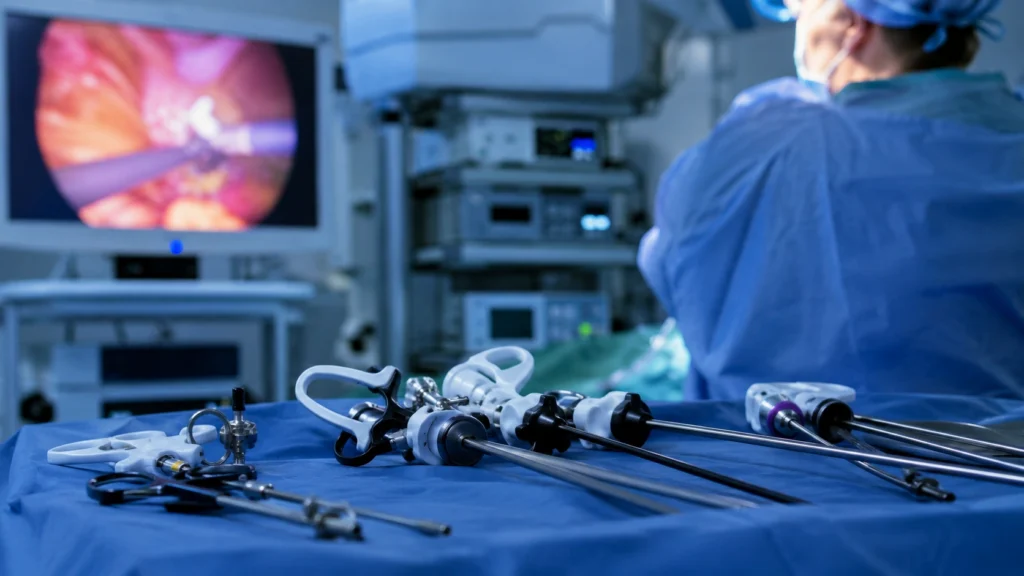
Laparoscopic hernia repair is a minimally invasive surgery used to treat hernias by placing a mesh over the weak area in the abdominal wall. A laparoscope, which is a thin tube with a camera, is inserted through a small incision so the surgeon can see the area clearly on a monitor. Fine instruments are then used to repair the hernia from inside the abdomen or from the preperitoneal space.
This method is commonly used for inguinal hernia and may also be used in selected cases of recurrent or bilateral hernias. The two major laparoscopic approaches are:
Both techniques aim to cover the hernia defect with mesh and strengthen the weak area so the hernia does not push out again.
An inguinal hernia is a hernia that occurs in the groin area. It is one of the most common types of hernia in both men and women, though it is more frequent in men. It develops when tissue pushes through the lower abdominal wall near the inguinal canal. In many patients, laparoscopic surgery is considered especially useful for bilateral and recurrent hernias because it allows the surgeon to examine and repair both sides through the same minimally invasive approach.
There are different types of inguinal hernia:
Laparoscopic hernia repair is usually recommended for patients who have symptoms from an inguinal hernia or for those whose hernia is likely to grow or cause problems over time. It is often a suitable option for people who want faster recovery or have hernias on both sides. Doctors may also suggest surgery even if the hernia is currently mild, especially if there is a risk of incarceration or if the hernia is affecting your quality of life.
You may need this treatment if you have:
A hernia develops when pressure inside the abdomen pushes tissue through a weak point in the muscle wall. In the groin, this can happen because of congenital weakness, age-related muscle changes, or repeated strain.
Hernias often develop gradually. A person may first notice mild discomfort before the visible bulge becomes obvious.
Common causes and contributing factors include:
Symptoms can vary depending on the size of the hernia and whether it is reducible, painful, or trapped. Some patients have only a visible lump, while others feel pain or pressure.
These symptoms may suggest incarceration or strangulation and require immediate medical evaluation.
Common symptoms include:
Signs that need urgent attention include:
Not every hernia needs emergency surgery, but most symptomatic inguinal hernias eventually need repair. Surgery is often recommended when the hernia is painful, enlarging, causing discomfort during work or physical activity, or creating concern about future complications.
The decision is based on symptoms, hernia type, age, physical condition, and the surgeon’s assessment.
Surgery should be considered when:
Laparoscopic hernia repair has become widely used because it offers several advantages for suitable patients. It uses smaller cuts than open surgery and allows faster recovery in many cases.
However, laparoscopic surgery is not right for every patient. The surgeon will decide whether TAPP or TEP is better or whether another approach would be safer.
Benefits often include:
TAPP stands for Transabdominal Preperitoneal repair. In this technique, the surgeon enters the abdominal cavity first, then places mesh in the preperitoneal space to repair the hernia.
TAPP gives the surgeon a clear view of the groin anatomy and is often used for difficult, bilateral, or recurrent hernias.
How it works:
TEP stands for Totally Extraperitoneal repair. This technique repairs the hernia without entering the abdominal cavity. The mesh is placed in the preperitoneal space, and the surgeon works outside the abdominal cavity.
TEP is often preferred when the surgeon wants to avoid entering the abdominal cavity and when the anatomy is suitable for this approach.
How it works:
Both approaches are effective, but they differ in access and surgical technique. The choice depends on the hernia, patient history, and surgeon experience. Both techniques are accepted forms of laparoscopic inguinal hernia repair.
|
TAPP |
TEP |
| Enters the abdominal cavity. | Avoids entering the abdominal cavity. |
| Provides a wide view. | Is more “outside the abdomen” in approach |
| Useful for bilateral or complex cases. | Can reduce the chance of injury to abdominal organs. |
| May be easier in some recurrent hernias. | Requires good surgical expertise and correct patient selection. |
Before laparoscopic hernia repair, the doctor must confirm the diagnosis and assess the patient’s fitness for surgery.
The aim is to determine hernia type, side, size, reducibility, and whether there is any complication that needs urgent attention.
Diagnostic evaluation may include:
Non-surgical treatment may help manage symptoms temporarily, but it does not cure the hernia. It is not a permanent solution for most patients.
These measures may reduce discomfort, but once symptoms continue or the hernia enlarges, surgery is usually the definitive treatment.
Non-surgical options include:
Before surgery, the patient is assessed carefully to reduce risk and improve outcome. The surgical team reviews the hernia type, medical history, medication use, and anesthesia fitness.
This preoperative planning helps make the procedure safer and more predictable.
Pre-surgery planning may include:
Laparoscopic hernia surgery is a minimally invasive procedure performed through small incisions. The goal is to repair the weakened area, relieve symptoms, and reduce the risk of the hernia coming back.
Mesh is a special surgical material used to reinforce weak tissue. In hernia repair, it is placed over the defect so the muscle wall becomes stronger and less likely to allow another hernia to form.
Your surgeon will explain the type of mesh used and why it is suitable for your case.
Why mesh is used:
For the right patient, laparoscopic repair offers strong advantages compared with traditional surgery.
These benefits are one reason laparoscopic hernia repair is widely preferred in modern surgical practice.
Key benefits include:
All surgery carries some risks, even when it is done carefully. The doctor will explain these before surgery.
Serious complications are uncommon, but patients should know warning signs and follow post-op instructions carefully.
Possible complications include:
Recovery after laparoscopic hernia repair is usually quicker than open surgery, but rest and proper care are still important.
Most patients feel better over time and can return to routine activities sooner than with open repair.
Common recovery steps include:
A good recovery depends on both surgical care and patient care. These steps help reduce complications and support healing.
Helpful tips include:
You should see a doctor if you have a groin bulge, pain, or discomfort that keeps coming back. Early evaluation is important because hernias often become larger over time. These may be signs of a trapped or strangulated hernia and should not be delayed.
Seek urgent medical care if:
Rama Hospital offers structured surgical care for inguinal hernia, including laparoscopic repair using TAPP and TEP when appropriate. The focus is on safe surgery, clear counseling, and smooth recovery.
Why patients choose Rama Hospital:
Pain is usually less than open surgery, but some soreness is normal after the operation. Medicines and early recovery steps help control discomfort.
Both are effective. The better option depends on the hernia type, your medical history, and the surgeon’s judgment.
Recovery is often faster than open surgery, but the exact time depends on the patient and the complexity of the hernia.
Recurrence is possible but not common when the repair is done properly with good technique and follow-up.
Many patients return to light work earlier than after open surgery, but heavy work and lifting should wait until the surgeon approves.
Laparoscopic hernia repair with TAPP or TEP is a highly effective treatment for inguinal hernia in suitable patients. It offers the advantage of smaller incisions, less pain, faster recovery, and durable repair when performed by an experienced surgical team.
At Rama Hospital, patients receive careful evaluation, clear explanation of TAPP and TEP options, and structured follow-up care to support healing and reduce recurrence. If a groin bulge or hernia is affecting your routine, early consultation can help determine the best treatment at the right time.

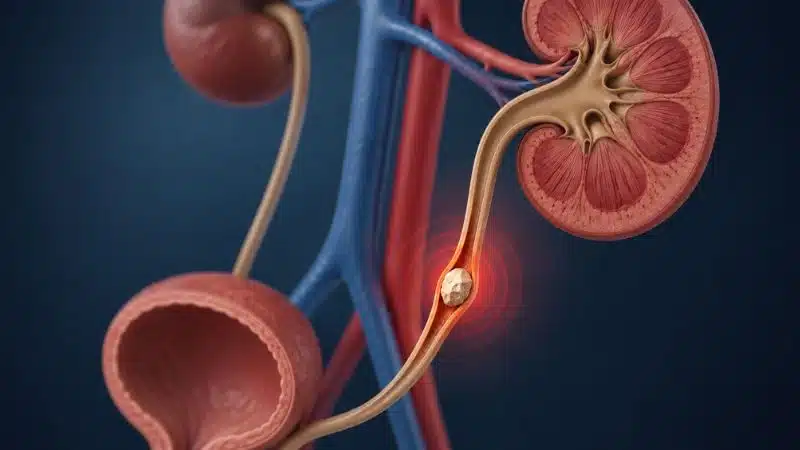
Groin hernia repair is the most common procedure performed by general surgeons. The open mesh technique generally represents the main technique for an inguinal repair
No rows found.