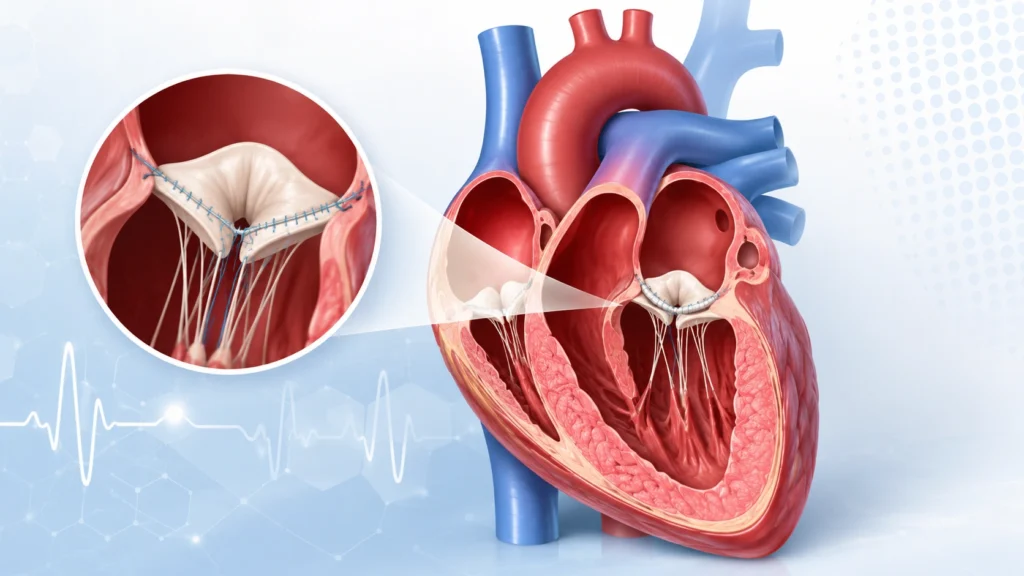
The heart has four valves that control the direction of blood flow. When one or more of these valves become leaky, tight, or damaged, the heart cannot pump efficiently. This condition is called valvular heart disease. Depending on the type and severity, the treatment may include medicines, lifestyle changes, or surgery.
Valve repair surgery focuses on fixing the existing valve rather than replacing it with a new one. In many cases, especially for mitral and tricuspid valves, repair is preferred because it preserves the patient’s own tissue, reduces the need for long-term blood thinners, and may offer better long-term results in selected patients.
For patients, the diagnosis can feel overwhelming. There are many questions: Will I need surgery? Can the valve be repaired instead of replaced? What is the recovery like? Will I need medicines after surgery? This page is designed to answer those questions clearly while supporting search intent for people looking for treatment options, hospital care, and expert cardiac surgery.
Valve repair surgery is an operation that restores the function of a damaged heart valve without replacing it. The surgeon reshapes, tightens, or supports the valve so that it opens and closes properly again.
Common techniques may include:
Valve repair is different from valve replacement, where the diseased valve is removed and a new mechanical or tissue valve is put in place. In many cases, repair is the first choice when the valve anatomy allows it.
Not every patient with valve disease needs surgery. Some can be managed with medicines and regular monitoring. However, valve repair is considered when the valve problem is severe and begins to affect the heart’s function or the patient’s quality of life.
You may need valve repair if you have:
The decision depends on the type of valve, the severity of disease, the patient’s symptoms, and the overall heart condition.
The heart has four main valves. Not all are equally easy to repair, but many can be treated with repair techniques depending on the disease pattern.
The most commonly repaired valves are the mitral and tricuspid valves, especially when they are leaking.
|
Heart Valve |
Main Function |
Can it be repaired? |
| Mitral valve | Controls blood flow from the left atrium to the left ventricle. | Often repairable, especially when leaky. |
| Tricuspid valve | Controls blood flow from the right atrium to the right ventricle. | Often repairable, especially when leaky. |
| Aortic valve | Controls blood flow from the left ventricle to the body. | Repair possible in some cases, but replacement is more common. |
| Pulmonary valve | Controls blood flow from the right ventricle to the lungs. | Repair is less common but possible in specific conditions. |
Valve disease can develop for many reasons. Sometimes it is present from birth. In other cases, it develops over time because of infection, ageing, or other heart conditions.
Common causes and risk factors include:
These factors can cause the valve to become leaky, stiff, or deformed, leading to symptoms and heart strain.
Valve disease may progress slowly. Some people have no symptoms in the early stage. As the condition worsens, symptoms may appear.
Common symptoms include:
If symptoms are mild, the doctor may monitor the condition. If symptoms are significant or the heart is under strain, surgery may be recommended.
Before surgery, the medical team confirms the diagnosis and plans the best treatment. This usually involves a detailed heart evaluation.
Common diagnostic steps
|
Test |
Why it is done |
What it can show |
| Echocardiogram | Main test for valve disease. | Severity of leak or narrowing, heart function. |
| ECG | Checks heart rhythm. | Irregular beats, strain, or rhythm problems. |
| Blood tests | Reviews overall health. | Anemia, infection, kidney function, clotting status. |
These tests help the team decide whether repair is suitable and how the surgery should be planned.
Not every patient goes directly to surgery. In early or mild valve disease, the doctor may suggest medical management.
Non-surgical treatment may include:
If symptoms worsen or the heart begins to strain, surgery may become necessary.
Valve repair surgery is a carefully planned operation performed in a hospital with advanced cardiac support. The exact details depend on the patient’s valve condition and overall health.
Step 1: Pre-surgical evaluation
Step 2: Anesthesia
Step 3: Surgical access
Step 4: Heart-lung support if needed
Step 5: Valve repair
Step 6: Testing the repair
Step 7: Closure and recovery
|
Procedure Stage |
Key Points |
| Pre-op planning | Review valve scans, heart function, and overall health. |
| Anesthesia | General anesthesia is used throughout the operation. |
| Surgical approach | Open or minimally invasive depending on the case. |
| Valve repair | Reshaping, tightening, or supporting the valve. |
| ICU care | Close monitoring after surgery is standard. |
|
Feature |
Valve Repair |
Valve Replacement |
| Main idea | Fix the existing valve. | Replace with a new valve. |
| Tissue used | Patient’s own valve tissue. | Mechanical or tissue valve. |
| Blood thinners | Often less need for long-term thinners. | Mechanical valves usually need lifelong thinners. |
| Durability | Can be very durable in suitable cases. | Depends on valve type and patient factors. |
| Best for | Selected leaky valves, especially mitral and tricuspid. | Severe narrowing or badly damaged valves. |
For the right patient, repair can provide strong, stable valve function with fewer long-term restrictions. Valve repair offers several important benefits for suitable patients. Benefits include:
The actual risk depends on age, heart function, other diseases, and surgical complexity. That is why detailed pre-operative evaluation is essential. Valve repair is a major heart surgery and carries risks like any complex procedure. Possible risks include:
Recovery after valve repair is gradual. Patients usually stay in the hospital for several days, with initial care in the ICU and then step-down recovery before discharge.
Early recovery
Home recovery
Long-term recovery goals
A good recovery depends on both surgery and aftercare. Patients who follow the medical plan closely generally do better.
Helpful tips include:
Rama Hospital provides expert evaluation and surgical support for patients who need valve repair for significant valvular heart disease. The focus is on safe planning, skilled surgery, and structured recovery.
Reasons to choose Rama Hospital:
Seek urgent medical care if chest pain is severe, breathlessness is sudden, fainting occurs, or symptoms become rapidly worse. These can be warning signs of serious heart strain or valve-related complications.
You should see a cardiologist if you have:
Valve repair is a heart surgery that fixes a damaged valve instead of replacing it. The surgeon reshapes or supports the valve to improve its function.
It depends on the patient and the valve. Repair is often preferred when possible because it preserves natural tissue and may reduce the need for long-term blood thinners.
The operation often takes several hours, depending on the valve and complexity. The full hospital journey includes surgery, ICU care, and recovery monitoring.
Recovery happens in stages and may take weeks to months. Patients usually need time for wound healing, strength recovery, medication adjustment, and cardiac rehabilitation.
It depends on the valve and the patient’s condition. Many patients need less long-term blood thinner therapy after repair compared to mechanical valve replacement.
Not all valves can be repaired. Mitral and tricuspid valves are more commonly repaired, while aortic valve disease often requires replacement.
Valve repair is a well-established procedure, but like all major surgeries it has risks. Careful evaluation and experienced teams help improve safety and outcomes.
Valve repair surgery is an important treatment option for patients with significant valvular heart disease, especially when the valve can be restored instead of replaced. By repairing the valve, the heart can pump more efficiently, symptoms can improve, and long-term outcomes may be better in selected patients.
At Rama Hospital, valve repair treatment is planned with detailed cardiology assessment, surgical expertise, and post-operative care so patients and families understand every stage of the journey. Our multidisciplinary team carefully evaluates your condition to determine the most suitable treatment approach while prioritizing safety and long-term heart function. From pre-surgical preparation to rehabilitation and regular follow-up, we provide comprehensive support to help ensure a smooth recovery and improved quality of life.

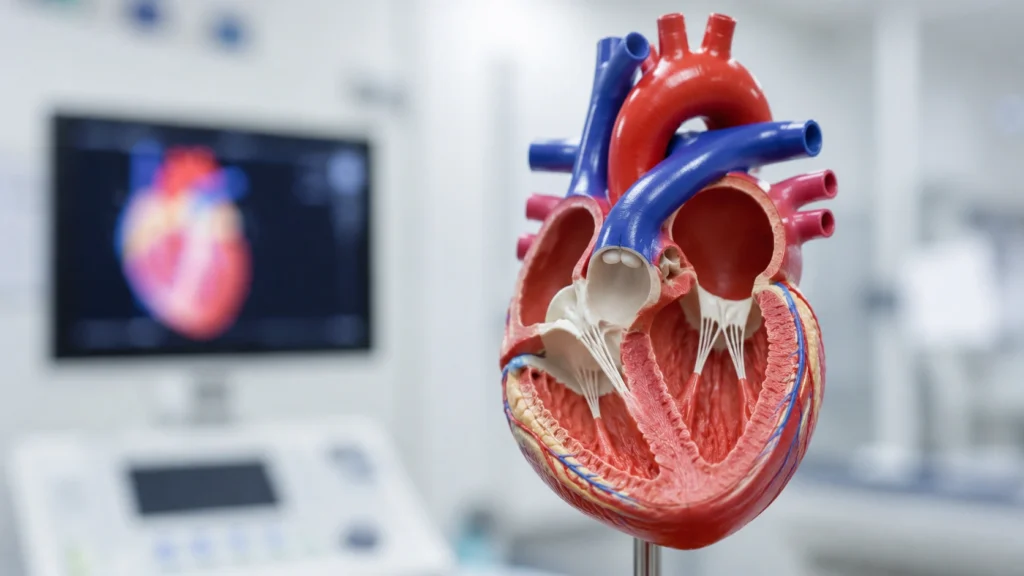

Mitral valve repair surgery helps people with mitral valve disease live a longer and healthier life. You may need this heart surgery if your mitral valve is very leaky or narrow.
No rows found.