There are mornings when getting out of bed feels like a project. Your knees creak, your hips ache, and the stiffness in your joints makes even the first few steps feel uncomfortable. If this sounds familiar, you are not alone.
Osteoarthritis is the most common joint disease in the world and one of the leading causes of pain and disability in adults. It affects millions of people across India, quietly progressing over the years until it starts interfering with daily life.
The important thing to know is this: osteoarthritis is manageable. With the right treatment, the right team, and the right approach, most people with osteoarthritis regain comfort, mobility, and independence.
What is osteoarthritis?
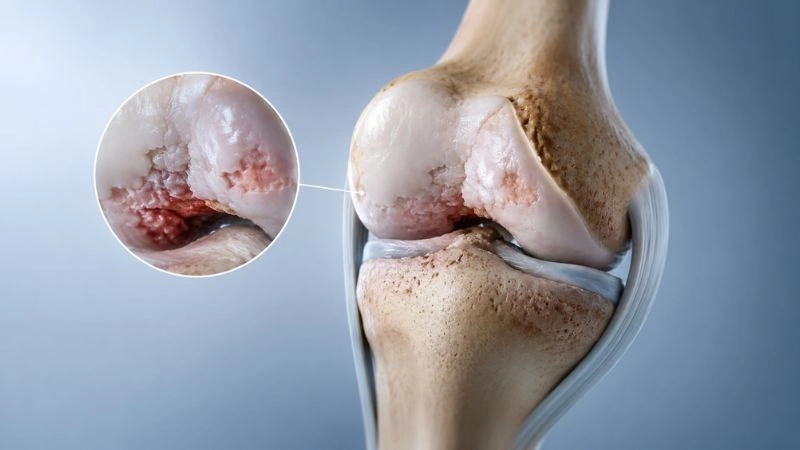
Osteoarthritis is a degenerative joint disease, meaning the cartilage that cushions and protects your joints gradually breaks down over time.
Think of cartilage as the smooth rubber padding between the bones in your joints. It allows bones to glide against each other without friction. When that padding wears away, bone starts rubbing against bone, causing pain, swelling, stiffness, and eventually, significant joint damage.
A few important things to understand about osteoarthritis:
- It is the most common form of arthritis, far more common than rheumatoid arthritis.
- It is primarily caused by wear, tear, and aging, not by an immune system problem.
- It tends to worsen gradually over years, not suddenly.
- It most often affects the knees, hips, hands, spine, and feet.
- While it cannot be completely reversed, it can absolutely be managed effectively.
Unlike rheumatoid arthritis, which is an autoimmune disease, osteoarthritis is a mechanical problem; the joint simply wears out. But the impact on daily life can be just as profound, and the need for proper treatment is just as real.
What are the different types of osteoarthritis?
Not all osteoarthritis is the same. Understanding the type helps doctors plan the most effective treatment.
Primary Osteoarthritis
- The most common type.
- Caused by natural aging and cumulative wear and tear on joints over time.
- No specific underlying cause, just the gradual breakdown of cartilage that happens with years of use.
- Most commonly affects the knees, hips, hands, and spine.
Secondary Osteoarthritis
- Develops as a result of another condition or injury.
- Common causes include previous joint injuries, obesity, repeated joint stress, or other joint diseases.
- Can affect people at a younger age than primary osteoarthritis.
- Progresses faster in some cases, especially if the underlying cause is not addressed.
Erosive (Inflammatory) Osteoarthritis
- A less common but more aggressive form.
- Primarily affects the small joints of the fingers and hands.
- Involves more significant inflammation than typical osteoarthritis.
- Can cause more rapid joint damage and deformity.
Generalised Osteoarthritis
- Affects multiple joints throughout the body simultaneously.
- Often involves the hands, knees, hips, and spine together.
- Tends to run in families, suggesting a strong genetic component.
Osteoarthritis by location
Doctors also classify osteoarthritis by the joint it affects, because treatment varies significantly:
- Knee Osteoarthritis: Most common; a leading reason for knee replacement surgery.
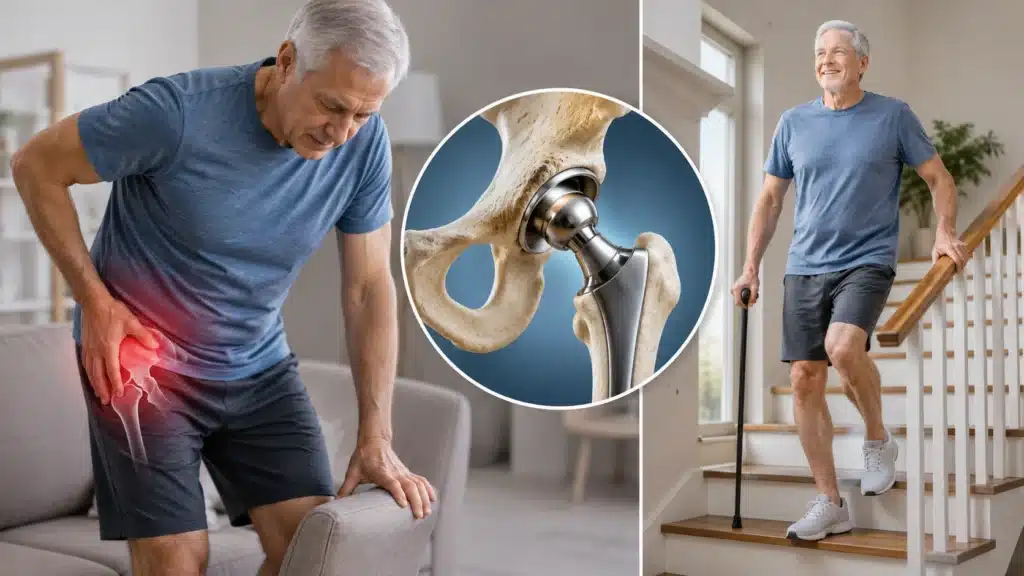
- Hip Osteoarthritis: Causes deep groin or thigh pain; often leads to hip replacement.
- Spinal Osteoarthritis: Affects the vertebrae and discs; can cause back pain and nerve symptoms.
- Hand and Finger Osteoarthritis: Causes knobbly joints, stiffness, and reduced grip.
- Shoulder Osteoarthritis: Less common; causes pain and limited shoulder movement.
Who is the ideal candidate for this treatment?
Osteoarthritis treatment is recommended for anyone whose joint pain, stiffness, or reduced mobility is affecting their quality of life. But certain people are particularly likely to benefit from earlier and more structured intervention.
You are an ideal candidate for osteoarthritis treatment if:
- Persistent joint pain lasting several weeks.
- Morning stiffness that improves within 30 minutes.
- Pain that worsens with activity.
- Grinding or crunching sounds during joint movement.
- Joint swelling or enlargement.
- Difficulty walking, climbing stairs, or daily activities.
- Symptoms gradually getting worse.
- Reduced joint flexibility and movement.
- Signs of cartilage loss seen on X-rays or scans.
- Limited relief from home remedies or medications.
You may be a candidate for surgical treatment (knee or hip replacement) if:
- Severe joint pain affecting daily activities.
- Pain at rest or during sleep.
- Difficulty walking or climbing stairs.
- Visible joint deformity or misalignment.
- Limited relief from medicines, physiotherapy, or injections.
- Advanced joint damage seen on X-rays or scans.
- Significantly reduced mobility and quality of life.
What are the causes and risk factors of osteoarthritis?
Osteoarthritis develops when the cartilage in a joint breaks down faster than the body can repair it. Several factors contribute to this, some within your control, some not.
Primary Causes
- Aging: Natural wear and tear of joints over time
- Repeated joint stress: Years of daily movement and pressure on joints
- Previous joint injuries: Past fractures, ligament tears, or cartilage damage
- Joint misalignment: Uneven pressure on joints leading to faster cartilage wear
Risk Factors
- Age above 45 years.
- Female gender, especially after menopause.
- Being overweight or obese.
- Family history of osteoarthritis.
- Jobs involving frequent kneeling, squatting, heavy lifting, or prolonged standing.
- Lack of physical activity and weak muscles around the joints.
- Previous joint conditions such as rheumatoid arthritis, gout, or joint infections.
- Past joint injuries or trauma.
- Changes in bone health and joint structure.
What are the common symptoms of osteoarthritis?
Osteoarthritis symptoms usually develop slowly and worsen over time. Many people dismiss early signs as “just getting older,” but recognizing them early makes a real difference to outcomes.
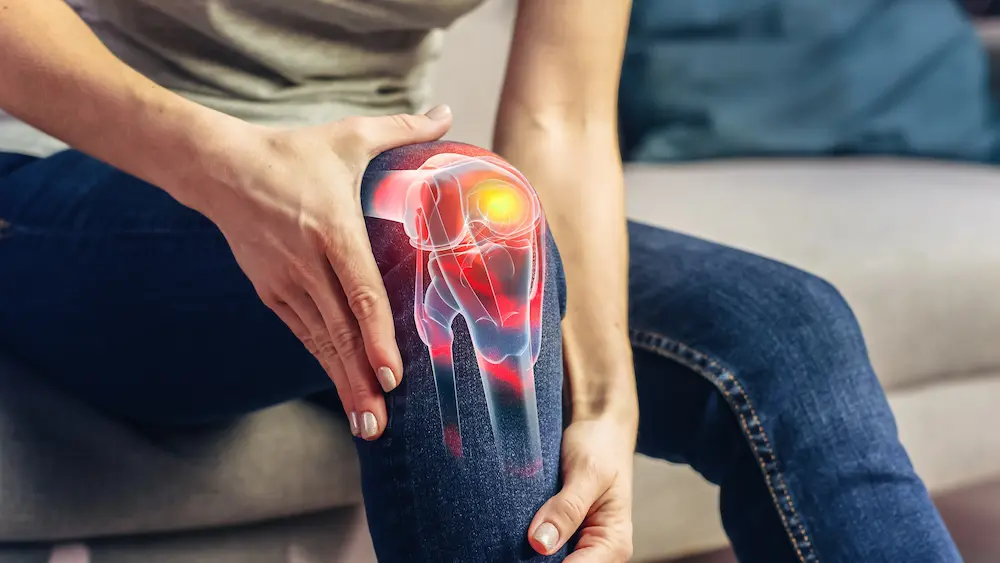
Joint Pain
- The most central symptom of osteoarthritis.
- Typically described as a deep, aching pain inside the joint
- Worsens with activity and improves with rest, particularly in early osteoarthritis.
- In later stages, pain may be present even at rest or at night.
Stiffness
- Joints feel stiff after periods of inactivity, getting up from a chair, first thing in the morning, or after a long car journey.
- Unlike rheumatoid arthritis, morning stiffness in osteoarthritis usually lasts less than 30 minutes before loosening up.
- This “gelling” sensation is a classic feature of degenerative joint disease.
Reduced Range of Motion
- The joint simply doesn’t move as far as it used to.
- Bending the knee fully, lifting the leg, or rotating the hip becomes progressively harder.
- Everyday activities, squatting, kneeling, putting on socks, and climbing stairs become genuinely difficult.
Crepitus (Grating or Crackling)
- A grinding, clicking, or crunching sensation when the joint moves.
- Caused by roughened cartilage surfaces rubbing against each other.
- Often one of the earlier noticeable signs of cartilage damage.
Swelling and Tenderness
- The joint may appear swollen, particularly after activity.
- The area around the joint is tender to the touch.
- Swelling in the knee due to osteoarthritis is very common after prolonged walking or standing.
Muscle Weakness Around the Joint
- Pain and reduced activity lead to muscle wasting around the affected joint
- Weaker muscles mean less support for the joint, which accelerates cartilage wear, a vicious cycle
- Particularly noticeable as weakness in the thigh (quadriceps) muscles in knee osteoarthritis.
Joint Deformity
- In advanced osteoarthritis, the joint may visibly change shape.
- The knee may develop a bow-legged or knock-kneed appearance.
- The finger joints may develop bony enlargements called Heberden’s nodes (at the fingertip joints) or Bouchard’s nodes (at the middle finger joints).
Referred Pain
- Hip osteoarthritis often causes pain felt in the groin, inner thigh, or even the knee, not where you might expect.
- Spinal osteoarthritis can cause nerve-related pain, numbness, or tingling down the arms or legs.
How is osteoarthritis diagnosed?
There is no single test to diagnose osteoarthritis. Doctors use a combination of symptoms, physical examination, and imaging tests to confirm the condition.
Early diagnosis can help manage symptoms effectively and slow the progression of osteoarthritis.
Diagnosis may include:
- Medical History: Understanding your pain, symptoms, lifestyle, and family history.
- Physical Examination: Checking joint movement, swelling, tenderness, and muscle strength.
- X-rays: The most common test to detect cartilage loss and joint damage.
- MRI Scan: Provides detailed images of cartilage, ligaments, and surrounding tissues.
- Ultrasound: Helps detect joint fluid and soft tissue inflammation.
- Blood Tests: Used to rule out conditions like rheumatoid arthritis, gout, or infection.
- Joint Fluid Analysis: In some cases, fluid is tested to identify other causes of joint swelling and pain.
What are the treatment options for osteoarthritis?
Treatment for osteoarthritis is personalized based on the severity of symptoms, joint damage, age, and lifestyle. The goal is to reduce pain, improve mobility, and maintain joint function while delaying or avoiding surgery whenever possible.
Non-Surgical Treatments
Physiotherapy & Exercise
- Strengthens muscles around the joint.
- Improves flexibility and movement.
- Reduces pain and stiffness.
- Hydrotherapy (water-based exercises) for easier joint movement.
- Manual therapy and supervised rehabilitation programs.
Weight Management
- Reduces pressure on weight-bearing joints.
- Helps improve pain and mobility.
- Even small weight loss can provide significant relief.
Assistive Devices & Orthotics
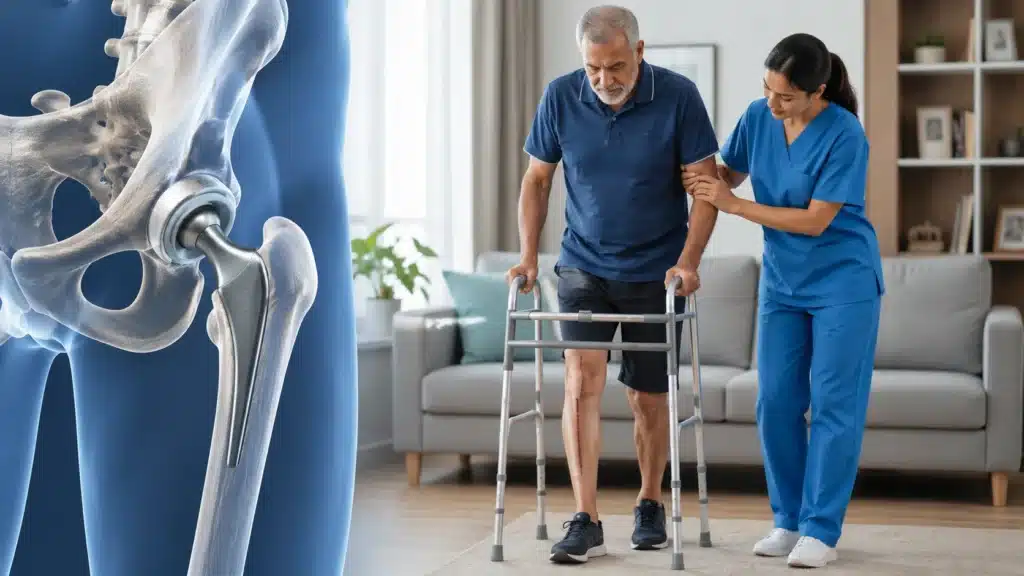
- Walking sticks and walkers for support.
- Knee braces for stability.
- Orthotic insoles to improve alignment.
- Hand splints for hand osteoarthritis.
Hot & Cold Therapy
- Heat therapy helps reduce stiffness.
- Cold therapy helps reduce swelling and pain.
TENS Therapy
- Uses mild electrical stimulation to reduce pain signals.
- Often used alongside physiotherapy.
Medications
- Anti-inflammatory medicines for pain relief.
- Topical pain-relief gels and creams.
- Treatment tailored to individual needs and health conditions.
Joint Injections
Corticosteroid Injections
- Reduce inflammation and pain.
- Provide quick symptom relief.
- Effects may last for weeks or months.
Hyaluronic Acid Injections
- Improve joint lubrication and cushioning.
- Help reduce pain and improve movement.
- Useful for moderate osteoarthritis.
PRP (Platelet-Rich Plasma) Therapy
- Uses the patient’s own blood components.
- May reduce pain and improve joint function.
- Often recommended for early to moderate osteoarthritis.
Surgical Treatments
Surgery may be recommended when pain becomes severe and non-surgical treatments no longer provide adequate relief.
Arthroscopy (Keyhole Surgery)
- Minimally invasive procedure.
- Removes loose fragments and damaged tissue.
- Best for selected early to moderate cases.
Osteotomy (Bone Realignment Surgery)
- Corrects joint alignment.
- Reduces pressure on damaged cartilage.
- Can delay joint replacement surgery.
Total Knee Replacement (TKR)
- Replaces damaged knee joint surfaces.
- Recommended for advanced knee osteoarthritis.
- Helps relieve pain and improve mobility.
- Long-lasting results with improved quality of life.
Partial Knee Replacement
- Suitable when only one part of the knee is affected.
- Smaller surgery with faster recovery.
- Preserves more natural knee structures.
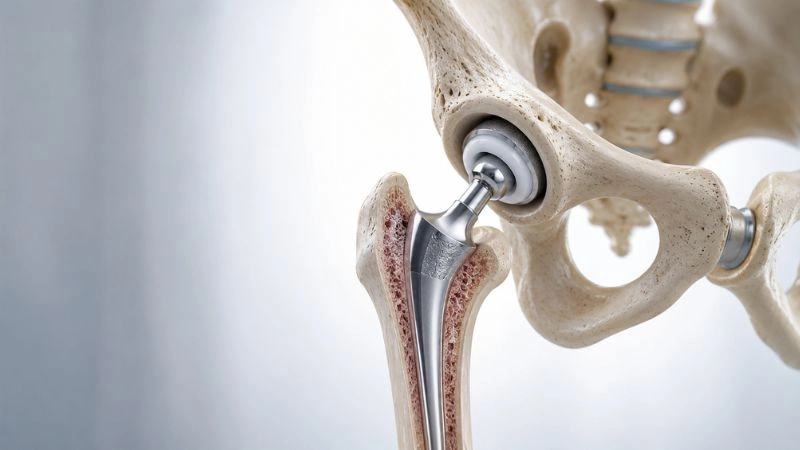
Total Hip Replacement (THR)
- Replaces the damaged hip joint.
- Relieves severe hip pain and stiffness.
- Restores mobility and daily function.
Shoulder & Elbow Replacement
- Recommended for advanced osteoarthritis of the shoulder or elbow.
- Improves movement and reduces chronic pain.
Joint Fusion (Arthrodesis)
- Commonly used for ankle, foot, or wrist joints.
- Permanently joins the bones together.
- Eliminates pain in severely damaged joints.
Why early treatment matters in osteoarthritis?
Early treatment can help slow the progression of osteoarthritis, reduce pain, improve mobility, and delay the need for surgery. At Rama Hospital, patients receive comprehensive care ranging from physiotherapy and injections to advanced joint replacement procedures for long-term relief and better quality of life.
Benefits of treatment for osteoarthritis
With the right osteoarthritis treatment, many patients experience significant improvements in their daily life and mobility.
Early treatment can help you stay active, maintain joint function, and enjoy a better quality of life for years to come.
Treatment can help:
- Reduce joint pain and discomfort.
- Improve mobility and flexibility.
- Make walking and daily activities easier.
- Improve sleep quality.
- Reduce dependence on pain medications.
- Enhance overall quality of life.
- Improve mood and mental well-being.
- Strengthen muscles and joint support.
- Restore independence and confidence.
- Provide long-lasting results after joint replacement surgery.
Why choose Rama Hospital for osteoarthritis treatment?
Managing osteoarthritis requires expert care, accurate diagnosis, and a personalized treatment approach. At Rama Hospital, we provide comprehensive care to help patients reduce pain, improve mobility, and maintain a better quality of life.
- Experienced orthopedic surgeons and rehabilitation specialists.
- Expertise in knee, hip, shoulder, and joint replacement surgeries.
- Comprehensive care from diagnosis to rehabilitation.
- Advanced joint replacement and minimally invasive surgical techniques.
- High-quality, internationally certified implants.
- Dedicated physiotherapy and rehabilitation programs.
- Personalized treatment plans for every patient.
- Advanced pain management and non-surgical treatment options.
- Patient-focused care with transparent guidance and support.
- Long-term follow-up for better recovery and outcomes.
Can osteoarthritis be controlled without surgery?
Yes, many people with osteoarthritis can manage their symptoms successfully without surgery, especially when the condition is diagnosed early.
While non-surgical treatments work well for many patients with early to moderate osteoarthritis, surgery may be the best option when joint damage becomes severe and significantly affects daily life. Modern joint replacement surgery can provide long-lasting pain relief and restore mobility and independence.
Non-surgical treatment options include:
- Regular physiotherapy and exercise.
- Maintaining a healthy body weight.
- Pain-relief and anti-inflammatory medications.
- Joint injections (steroids or hyaluronic acid).
- PRP therapy for suitable patients.
- Lifestyle changes and activity modification.
- Using supportive devices like braces or walking aids.
Factors that influence the need for surgery:
- How early treatment begins.
- The amount of cartilage damage in the joint.
- Age and activity level.
- Response to physiotherapy and medications.
- Commitment to exercise and rehabilitation.
When to see a doctor for osteoarthritis?
Many people tolerate osteoarthritis pain for far too long, assuming it’s “just part of getting older” and something to push through. But early evaluation genuinely improves outcomes.
- Joint pain has lasted more than a few weeks and isn’t improving with rest.
- You notice morning stiffness that takes time to resolve most days.
- A joint feels swollen, warm, or tender to touch.
- You hear or feel a grinding or crunching sensation when the joint moves.
- Joint pain is affecting your sleep, work, or daily activities.
- You are finding it increasingly hard to walk, climb stairs, or stand for long periods.
- You’ve been managing with over-the-counter pain relief, but it’s not enough anymore.
What happens if osteoarthritis is left untreated?
Ignoring osteoarthritis can lead to more than just ongoing joint pain. Over time, the condition may worsen and affect mobility, independence, and overall health.
Possible complications of untreated osteoarthritis:
- Progressive joint damage and cartilage loss.
- Increased joint pain and stiffness.
- Difficulty walking and performing daily activities.
- Reduced mobility and independence.
- Muscle weakness around the affected joint.
- Higher risk of falls and injuries.
- Poor balance and joint instability.
- Sleep disturbances due to persistent pain.
- Stress, anxiety, and depression caused by chronic discomfort.
- Reduced physical activity, leading to weight gain and other health issues.
- Greater difficulty treating advanced joint damage.
- Increased likelihood of requiring joint replacement surgery.
Frequently Asked Questions (FAQs)
-
Is osteoarthritis the same as rheumatoid arthritis?
No, they are very different conditions. Osteoarthritis is a degenerative joint disease caused by wear and tear and aging. Rheumatoid arthritis is an autoimmune disease where the immune system attacks joint tissue. Osteoarthritis typically affects older adults, tends to be asymmetrical in early stages, and does not involve systemic symptoms like fever or fatigue.
-
Can osteoarthritis be reversed?
Unfortunately, cartilage damage from osteoarthritis cannot be fully reversed. Once cartilage is lost, it does not regenerate. However, treatment can absolutely slow progression, significantly reduce pain, restore function, and in some cases, improve the condition of the joint. Joint replacement surgery replaces the damaged joint entirely, effectively giving you a new, pain-free joint that lasts for decades.
-
What is the best exercise for osteoarthritis?
Low-impact exercises that build muscle without stressing the joints, swimming, hydrotherapy, cycling, walking on flat surfaces, and yoga,are ideal for osteoarthritis patients. The key is regularity and proper technique. Our physiotherapy team at Rama Hospital will design a program specifically suited to your joints, fitness level, and goals.
-
How long does a knee or hip replacement last?
Modern joint implants are designed to last 15 to 25 years or more, depending on the patient’s activity level, weight, and how well the implant integrates. The technology and materials have improved dramatically in recent years, and many patients go far beyond these estimates before needing any revision.
-
Is joint replacement surgery safe for older patients?
Yes, knee and hip replacement are routinely and very successfully performed in patients in their 70s and 80s at Rama Hospital. Age alone is not a barrier. What matters most is overall health and fitness for anesthesia.
-
How do I know if I need surgery or if physiotherapy is enough?
This is one of the most important questions, and the answer depends on your specific situation. As a general guide, if your osteoarthritis is early to moderate, physiotherapy, weight management, and other non-surgical treatments should be tried first and often work very well. If joint damage is severe, pain is constant, and non-surgical options have been exhausted, surgery is likely the most effective next step.
-
How can I prevent osteoarthritis from getting worse?
Several evidence-backed strategies genuinely slow osteoarthritis progression:
- Maintain a healthy weight: the most impactful step for knee and hip osteoarthritis.
- Exercise regularly with low-impact, joint-friendly activities.
- Protect your joints during activity by using appropriate footwear and avoiding high-impact sports if osteoarthritis is already present.
- Engage consistently with physiotherapy; strong muscles help protect and support joints.
- Follow your treatment plan, including medications, injections, and follow-up appointments.
- Don’t smoke; smoking worsens systemic inflammation and overall joint health.