If you have noticed an unusual bulge somewhere on your body, perhaps in your groin, your belly button, or your abdomen, and your doctor has mentioned the word “hernia,” you are probably wondering what exactly is going on and what happens next.
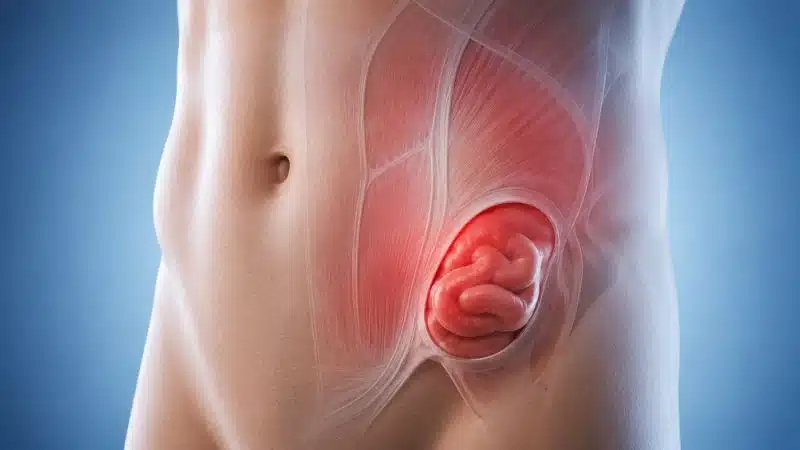
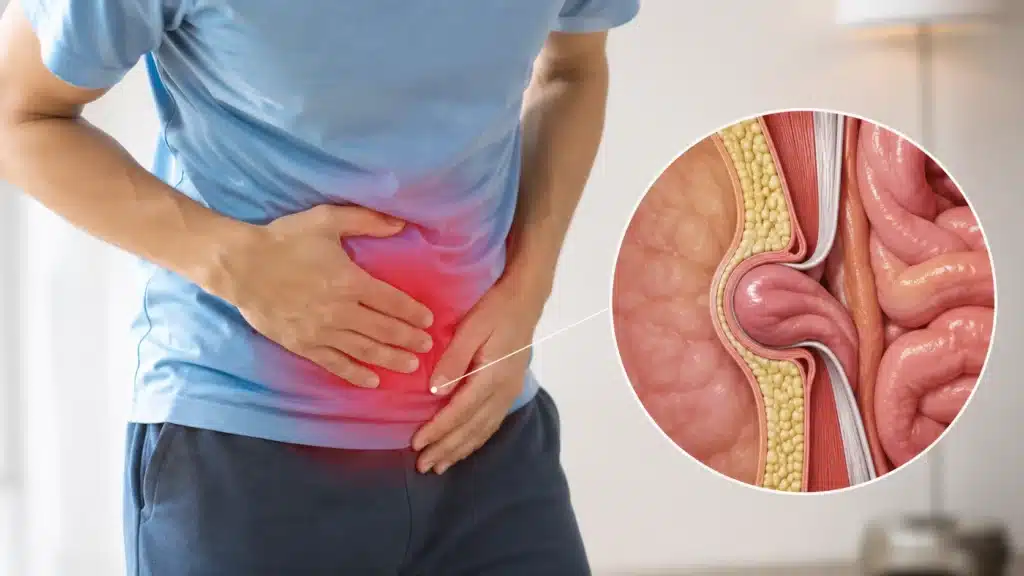
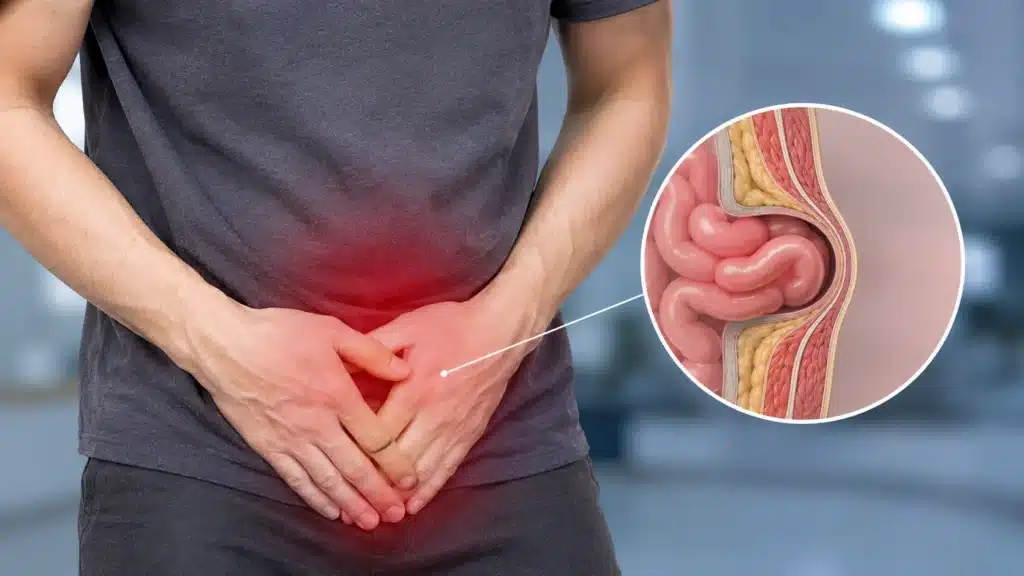
At its simplest, a hernia is what happens when an internal organ or tissue pushes through a weak spot in the surrounding muscle or tissue wall. Think of it like a hole in the lining of a tire; eventually, the inner tube pushes through the gap.
Hernias are extremely common. Millions of people are diagnosed with them every year. They can occur in men, women, and even children. Some hernias cause very little trouble and can be watched over time. Others cause significant discomfort, grow larger, and need surgical repair before complications develop.
The good news is that hernias are one of the most well-understood and successfully treated surgical conditions we have today. Modern hernia surgery, particularly minimally invasive techniques, has made recovery faster, safer, and far less uncomfortable than it used to be.
What is a hernia?
Your muscles and connective tissues form a strong wall around the organs of your abdomen and pelvis. This wall keeps everything in place and protects your internal organs. But like any wall, it can develop weak spots. These weaknesses might be present from birth, develop after an injury, appear after surgery, or simply result from years of physical strain and pressure.
When a weak spot forms in this muscular wall, the tissue or organ on the other side, usually a piece of the intestine or fatty tissue, can push through the gap. That is a hernia. The bulge you see or feel on the outside is the internal contents poking through the wall.
Hernias do not heal on their own. The weak spot in the muscle wall does not close up by itself. Without treatment, most hernias gradually get larger over time. And as they grow, the risk of serious complications, particularly of the trapped tissue losing its blood supply, increases.
What are the types of hernias?
Not all hernias are the same. They are classified based on where they develop in the body. Some types are very common, while others are rare but may need urgent medical attention.
Understanding the different types of hernias can help identify symptoms early and choose the right treatment.
- Inguinal Hernia: This is the most common type of hernia and usually appears in the groin area. It happens when tissue or part of the intestine pushes through a weak spot in the lower abdominal wall. It is more common in men. Common signs include:
- A bulge in the groin.
- Pain or heaviness while lifting or coughing.
- Discomfort during standing or walking.
- Femoral Hernia: This type also develops near the groin but slightly lower than an inguinal hernia. Femoral hernias are more common in women and may carry a higher risk of complications because the opening is smaller and tighter.
- Umbilical Hernia: An umbilical hernia develops near the belly button. A soft swelling around the navel is the most common symptom. It is commonly seen in:
- Infants
- Pregnant women
- Overweight adults
- Incisional Hernia: This type develops at the site of a previous abdominal surgery. The surgical scar area becomes weak over time, allowing tissue to push outward. Risk increases with:
- Heavy lifting
- Obesity
- Chronic coughing
- Poor wound healing
- Hiatal Hernia: Unlike other hernias, a hiatal hernia occurs inside the body and usually does not cause a visible lump. It develops when part of the stomach moves upward into the chest through the diaphragm. Common hernia symptoms include:
- Acid reflux
- Heartburn
- Chest discomfort
- Difficulty swallowing
- Epigastric Hernia: This type occurs in the upper abdomen, between the chest and belly button. It may appear as a small lump and can cause pain or discomfort, especially while straining.
- Spigelian Hernia: This is a rare type of hernia that develops along the side muscles of the abdomen. These hernias can sometimes be difficult to detect because the swelling may not be clearly visible from outside.
Not every hernia causes severe pain in the beginning, but ignoring symptoms can increase the risk of complications. Early diagnosis and timely treatment are important for safe recovery.
What are the causes of hernias?
Hernia causes always come down to one fundamental combination: a weak spot in the muscle or tissue wall combined with pressure that forces tissue through that weakness. What creates the weak spot and what creates the pressure vary.
- Congenital weakness: Some people are simply born with areas of their abdominal wall that did not form completely. The most common example is an umbilical hernia in infants, where the abdominal opening that allowed blood vessels to the umbilical cord did not seal properly after birth.
- Aging: Muscle and connective tissue naturally weaken as we get older. This gradual weakening over decades makes hernias more likely in middle-aged and older adults.
- Previous surgery or injury: Any time the abdominal wall is cut for an appendix removal, cesarean section, or any other abdominal operation, the resulting scar is a potential weak point. This is the origin of incisional hernias.
- Chronic increased abdominal pressure: The wall can only hold so much. When pressure inside the abdomen is consistently elevated over months and years, it can force tissue through existing weak spots. Sources of chronic increased pressure include:
- Chronic cough from smoking, asthma, or lung disease.
- Chronic constipation requiring straining.
- Pregnancy, particularly multiple pregnancies.
- Repeated heavy lifting at work or in the gym.
- Obesity and excess abdominal fat put constant pressure on the wall.
- Muscle weakness from inactivity: A weak, deconditioned core provides less structural support, making hernias more likely.
What are the risk factors of a hernia?
Some people are naturally at a higher risk of developing a hernia. Factors like age, lifestyle, body weight, and repeated strain on the abdomen can weaken the muscles over time and increase the chances of a hernia developing.
A hernia usually develops when pressure inside the abdomen increases and pushes tissue through a weak area in the muscle wall.
Your risk of hernia may be higher if
- You are male, especially for inguinal hernias.
- You are above 50 years of age.
- Someone in your family has a history of hernias.
- You have had a previous hernia before.
- You have undergone abdominal surgery.
- You are overweight or obese.
- You have chronic cough due to smoking, asthma, or lung disease.
- You frequently lift heavy weights or do heavy physical work.
- You suffer from chronic constipation and strain during bowel movements.
- You are pregnant or have had multiple pregnancies.
- You were born prematurely.
Simple lifestyle changes like maintaining a healthy weight, avoiding excessive strain, treating a chronic cough, and lifting properly can help reduce the risk of developing a hernia.
What are the symptoms of a hernia?
The symptoms of a hernia can vary from person to person. Some hernias cause only mild discomfort, while others may lead to noticeable pain and swelling. In many cases, symptoms become more obvious during coughing, lifting, standing for long periods, or physical activity.
One of the most common hernia symptoms is a visible bulge or swelling under the skin.
Common hernia symptoms include the following:
- A Visible Bulge or Lump: This is often an early sign of a hernia. You may notice:
- A soft swelling in the abdomen or groin.
- A bulge that becomes more visible while standing, coughing, or lifting.
- Swelling that may reduce or disappear while lying down.
- Pain or Discomfort: The discomfort may improve with rest. Many people experience:
- Aching or heaviness at the affected area.
- Discomfort after physical activity.
- Pain while coughing, bending, or lifting weights.
- Pressure or Weakness in the Groin: In inguinal hernias, people may feel
- Pulling sensation in the groin.
- Heaviness or pressure.
- Discomfort near the testicles in men.
- Digestive Symptoms in Hiatal Hernia: A hiatal hernia usually does not cause an external bulge. Instead, it may cause:
- Acid reflux.
- Heartburn.
- Chest burning.
- Difficulty swallowing.
- Frequent burping or bloating.
What are the warning signs you should never ignore?
Some hernia symptoms may indicate a serious complication and require immediate medical attention.
These symptoms may suggest a strangulated hernia, where blood supply to the trapped tissue gets blocked. This is a medical emergency and often requires immediate surgery.
Seek urgent care if you notice:
- Sudden severe pain in the hernia area.
- A bulge that becomes hard or cannot be pushed back.
- Redness or dark color over the swelling.
- Nausea or vomiting.
- Difficulty passing stool or gas.
- Fever with severe pain.
A hernia does not heal on its own. Early diagnosis and timely treatment can help prevent pain, complications, and emergency surgery later.
Diagnosis of hernia
In many cases, diagnosing a hernia is simple and quick. Doctors usually identify a hernia through physical examination and, if needed, a few imaging tests to confirm its size, location, and severity.
Early diagnosis is important because untreated hernias may gradually become larger or lead to complications.
Common Tests Used to Diagnose Hernia:
- Physical Examination: This is the first and most important step in diagnosing a hernia. This helps make the bulge more visible and easier to examine. During the examination, the doctor may ask you to:
- Stand
- Cough
- Strain slightly
Doctors also check:
- The size of the hernia
- Its location
- Whether it can be pushed back inside
- Ultrasound: An ultrasound is a quick, painless, and commonly used scan for detecting hernias. It helps:
- Confirm small or hidden hernias.
- Check swelling in the groin or abdomen.
- Identify whether intestine or fatty tissue is involved.
- CT Scan: A CT scan provides detailed images of the abdominal wall and is often used for:
- Large hernias.
- Complex or recurrent hernias.
- Incisional hernias after surgery.
- Surgical planning before repair.
- MRI Scan: MRI is less commonly needed but may help diagnose difficult or hidden hernias, especially in patients with groin pain but no obvious swelling.
- Endoscopy for Hiatal Hernia: If a hiatal hernia is suspected, doctors may recommend an upper GI endoscopy. A thin camera is passed through the mouth to examine the following:
- The food pipe.
- The stomach.
- Signs of acid reflux or stomach displacement.
Not every swelling or abdominal pain is a hernia, which is why proper diagnosis is important. Early evaluation helps avoid complications and allows safer treatment planning.
What are the complications of a hernia?
This is one of the most common questions people ask after being diagnosed with a hernia.
The answer is simple: A small hernia may not be dangerous immediately, but ignoring it for a long time can increase the risk of serious complications.
Early hernia treatment is usually much safer and easier than emergency surgery after complications develop. If you notice increasing pain, swelling, or changes in your symptoms, do not delay medical care.
Many hernias slowly become larger over time. Pain, swelling, and discomfort may gradually worsen, and in some cases, the hernia can become trapped or lose its blood supply.
Possible Complications of a Hernia:
- Incarcerated Hernia: This happens when the tissue trapped inside the hernia cannot move back into the abdomen. An incarcerated hernia needs urgent medical evaluation. It may cause constant pain, swelling that does not reduce, difficulty in movement, and an increased risk of blockage.
- Strangulated Hernia: This is the most serious complication of a hernia. A strangulated hernia occurs when blood supply to the trapped tissue gets blocked. Without blood flow, the tissue can begin to die. This is a medical emergency and usually requires immediate surgery. Warning signs include:
- Sudden severe pain
- Hard and tender swelling
- Red or dark-coloured bulge
- Nausea and vomiting
- Fever
- Bowel Obstruction: Sometimes a loop of intestine gets trapped inside the hernia, blocking the normal movement of food and stool. This condition requires urgent treatment. Symptoms may include:
- Vomiting
- Severe abdominal bloating
- Constipation
- Inability to pass gas
- Stomach pain
- Chronic Pain and Discomfort: Even without emergency complications, untreated hernias can cause:
- Ongoing pain
- Difficulty lifting or exercising
- Discomfort while walking or standing
- Reduced quality of life
What is the prevention of hernias?
Not every hernia can be completely prevented, especially if there is a natural weakness in the muscles or a history of surgery. However, certain lifestyle habits can lower your risk and help prevent a small hernia from becoming worse.
Simple daily changes can make a big difference in protecting your abdominal muscles.
Tips to help prevent hernia
- Maintain a healthy body weight to reduce pressure on the abdomen.
- Avoid constipation and excessive straining during bowel movements.
- Eat fiber-rich foods and drink enough water daily.
- Use proper lifting techniques while lifting heavy objects.
- Avoid suddenly lifting very heavy weights.
- Quit smoking to reduce chronic cough and improve tissue strength.
- Treat long-term cough, asthma, or breathing problems properly.
- Stay physically active and strengthen core muscles gradually.
- Avoid excessive pressure on the abdomen during exercise.
- Attend regular follow-ups if you already have a small hernia.
Why does hernia prevention matter?
Ignoring early hernia symptoms may allow the swelling to gradually increase in size over time. Larger hernias are more likely to cause pain, discomfort, and complications.
A hernia does not usually improve on its own. Paying attention to early symptoms and reducing unnecessary abdominal strain can help protect your long-term health.
Early lifestyle changes can help:
- Reduce strain on abdominal muscles.
- Slow hernia progression.
- Lower the risk of emergency complications.
- Improve recovery after hernia treatment or surgery.
Why choose Rama Hospital for hernia treatment?
Living with a hernia can affect your comfort, movement, daily routine, and overall quality of life. Proper treatment requires more than temporary relief; it needs expert evaluation, advanced surgical care, and long-term guidance to prevent complications and recurrence.
At Rama Hospital, patients receive comprehensive and personalized hernia treatment focused on safe recovery, faster healing, and long-term results.
- Experienced surgeons for diagnosis and advanced hernia surgery.
- Comprehensive care for inguinal, umbilical, incisional, hiatal, and other types of hernias.
- Advanced diagnostic support for accurate evaluation and treatment planning.
- Minimally invasive and laparoscopic hernia treatment options for faster recovery.
- Personalized treatment plans based on your symptoms, age, lifestyle, and overall health.
- Multidisciplinary support including diabetes, cardiology, anesthesia, and nutrition care under one roof.
- Guidance on lifestyle changes and recovery after hernia surgery.
- Regular follow-up care to monitor healing and reduce recurrence risk.
- Compassionate, patient-focused care with clear communication at every step.
Treatment options for hernia
The right hernia treatment depends on several factors, including the type of hernia, its size, symptoms, and your overall health. Some small hernias may simply need monitoring, while others require surgery to prevent complications.
Delaying hernia treatment may increase the risk of pain, bowel blockage, or emergency surgery later. Early treatment is usually simpler, safer, and easier to recover from.
The good news is that modern hernia surgery is safe and effective and offers faster recovery than ever before.
- Monitoring Small Hernias: Some very small hernias that are not causing pain or discomfort may only need regular observation. However, if symptoms worsen, surgery is usually advised. Your doctor may recommend:
- Regular check-ups
- Avoiding heavy lifting
- Weight management
- Monitoring for increase in size or pain
- Open Hernia Surgery: Open repair is a commonly performed and highly effective hernia treatment. Most patients recover well and can resume normal activities gradually. In this procedure:
- The surgeon makes a small incision over the hernia.
- The bulging tissue is moved back into place.
- The weak muscle wall is repaired.
- Surgical mesh may be used to strengthen the area.
- Laparoscopic Hernia Repair: Laparoscopic hernia surgery is a minimally invasive technique performed using tiny cuts and a camera. It is widely used for many abdominal and groin hernias. This method often provides:
- Smaller scars
- Less post-surgery pain
- Faster recovery
- Shorter hospital stay
- Quicker return to work
- Robotic Hernia Repair: Robotic-assisted hernia treatment is available in some advanced centers. It allows surgeons to perform precise and minimally invasive repairs, especially for:
- Complex hernias
- Large hernias
- Recurrent hernias
Laparoscopic and Minimally Invasive Hernia Surgery
Modern laparoscopic hernia surgery has made hernia treatment much easier, safer, and more comfortable for patients. Instead of a large cut, the surgery is performed through a few very small openings using a camera and specialized instruments.
For many patients, this means less pain, smaller scars, and faster recovery.
How Laparoscopic Hernia Surgery Works
The mesh provides long-term support and helps reduce the chance of the hernia coming back.
The surgery is performed under anesthesia, so patients do not feel pain during the procedure. During the procedure:
- Small cuts are made in the abdomen
- A tiny camera called a laparoscope is inserted
- The surgeon repairs the weak area from inside
- Surgical mesh is placed to strengthen the abdominal wall
Types of Laparoscopic Hernia Repair
- TAPP Repair: In this technique, the surgeon enters the abdominal cavity and repairs the hernia from inside the abdomen.
- TEP Repair: This method repairs the hernia without entering the abdominal cavity directly. TEP repair may lower the risk of injury to internal organs and is commonly used for inguinal hernia treatment.
Benefits of Laparoscopic Hernia Surgery
Many patients are able to walk on the same day as surgery. Compared to traditional open surgery, laparoscopic hernia treatment offers several advantages:
- Smaller scars.
- Less pain after surgery.
- Faster recovery.
- Shorter hospital stay.
- Lower risk of wound infection.
- Quicker return to normal activities and work.
- Better option for treating hernias on both sides together.
Who may not be suitable?
Although laparoscopic hernia surgery is highly effective, it may not be suitable for everyone.
Your surgeon will recommend the safest and most effective treatment based on your condition. Open surgery may be preferred in patients with:
- Very large hernias
- Multiple previous abdominal surgeries
- Severe internal scarring
- Certain medical conditions
Early hernia treatment is usually simpler, and recovery is often smoother. Delaying surgery may allow the hernia to grow larger and increase the risk of complications later.
Recovery After Hernia Surgery
Recovery after hernia surgery depends on which type of repair you had, the size and complexity of the hernia, and your overall health and fitness. Here is a realistic guide to what to expect:
- Immediately after surgery: Most patients go home the same day after laparoscopic repair. You will have some soreness at the incision sites and possibly some shoulder tip pain from the gas used to inflate the abdomen during the procedure; this usually resolves within 24 to 48 hours. You will be encouraged to get up and walk the same day.
- First week: Rest is important, but gentle movement is encouraged. Short walks help prevent blood clots and speed recovery. Avoid driving until you are comfortable pressing the brake pedal firmly and your surgeon clears you, usually 5 to 7 days after laparoscopic surgery. Do not lift anything heavier than a kettle of water.
- Weeks two to four: Most people with desk jobs and light occupations return to work within one to two weeks after laparoscopic surgery. Those who have had open repair typically need two to four weeks before returning to work. Light activities increase gradually. The incision sites continue to heal under the surface.
- Six weeks and beyond: By six weeks, most patients have fully returned to normal activities, including exercise. Your surgeon will advise when it is safe to resume heavy lifting, gym work, and strenuous exercise; this is typically 4 to 6 weeks after laparoscopic repair and 6 to 8 weeks after open surgery.
Things to watch for during recovery:
- Increasing redness, warmth, or discharge at the wound site.
- Fever above 38°C.
- Increasing pain rather than gradually improving pain.
- Difficulty urinating.
- The bulge returning at or near the repair site.
Long-term outcomes The vast majority of hernia repairs are successful and long-lasting. With mesh reinforcement, recurrence rates are low, typically 1 to 3% for primary inguinal hernias. Incisional and recurrent hernias have somewhat higher recurrence rates but are still very manageable with modern techniques.
When to See a Doctor for Hernia Treatment?
See your doctor if you notice:
- A new bulge anywhere in the groin, abdomen, or belly button area, even if it is painless.
- Discomfort or a dragging sensation in the groin or abdomen that comes and goes.
- A bulge that appears when you cough, strain, or stand and disappears when you lie down.
- Persistent heartburn, acid reflux, or difficulty swallowing that has not been investigated.
- A known hernia that is growing larger or becoming more symptomatic.
Frequently Asked Questions (FAQs)
Q1. Can a hernia heal on its own without surgery?
No. A hernia is a physical defect in the muscle wall, a hole that does not close on its own. The bulge may seem to come and go, but the underlying weakness remains and typically worsens over time. Hernia treatment through surgery is the only definitive fix.
Q2. Is hernia surgery painful?
Most patients are pleasantly surprised by how manageable the discomfort is after laparoscopic hernia surgery. There is soreness at the incision sites for a few days, which is well controlled with standard pain relief. The severe pain many people feared is generally not the reality of modern minimally invasive repair.
Q3. How long does hernia surgery take?
A straightforward laparoscopic inguinal hernia repair typically takes 30 to 60 minutes. More complex repairs, large incisional hernias, or recurrent hernias may take longer. You will usually be home the same day.
Q4. Will the hernia come back after surgery?
Recurrence is possible but uncommon with modern mesh-reinforced repair. For primary inguinal hernias, recurrence rates are around 1 to 3%. Maintaining a healthy weight, avoiding heavy straining in the early recovery period, and quitting smoking all reduce the risk of recurrence.
Q5. What are the types of hernia that are most dangerous?
Among the types of hernias, femoral hernias carry the highest risk of strangulation and should always be repaired promptly even if small. Incarcerated or strangulated hernias of any type are dangerous and require emergency surgery.
Q6. Can I exercise with a hernia?
Light activity like walking is generally fine and encouraged. Heavy lifting, intense core exercise, and anything that significantly raises abdominal pressure should be avoided until after surgical repair. Always check with your surgeon before starting any exercise program with a known hernia.
Q7. What happens if I delay hernia surgery?
For small, asymptomatic hernias, short-term watchful waiting with close monitoring is sometimes appropriate. But delay in treating a symptomatic hernia increases the risk of it enlarging, becoming incarcerated, or strangulating. Emergency surgery for a complicated hernia carries significantly higher risk than planned, elective repair.
Q8. Is mesh always used in hernia surgery?
In the vast majority of hernia repairs today, surgical mesh is used to reinforce the weak area of the abdominal wall. Mesh significantly reduces recurrence rates compared to repairs done without it. Modern mesh is well tolerated by the body and becomes integrated into surrounding tissue. In a small number of cases, particularly in children or with very small defects, repair without mesh may be appropriate.