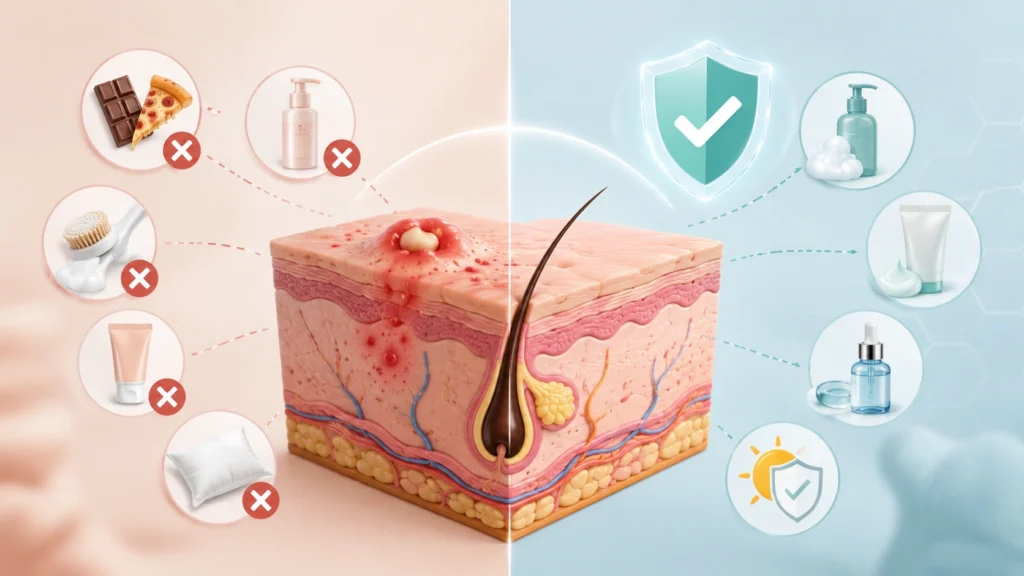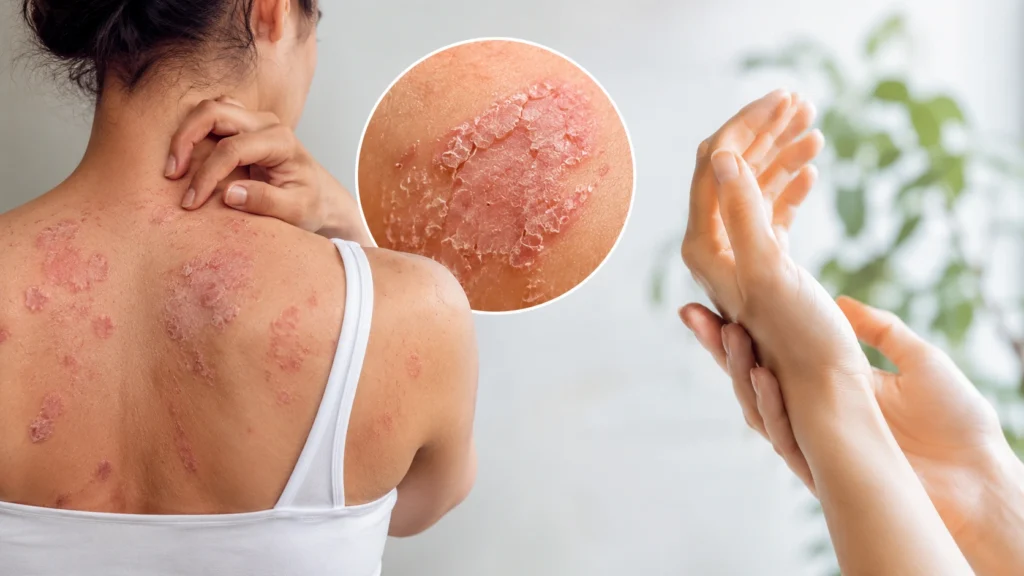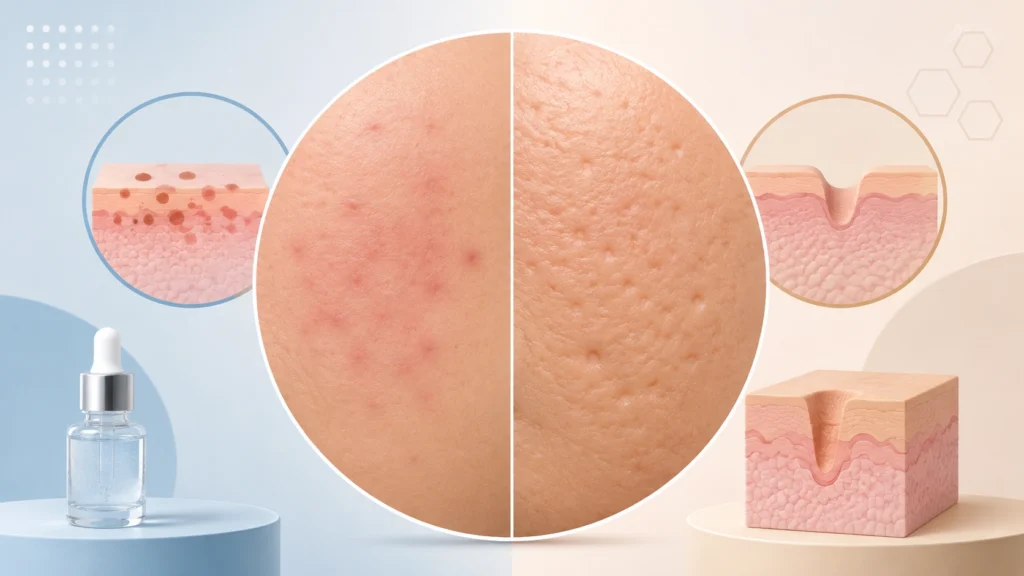
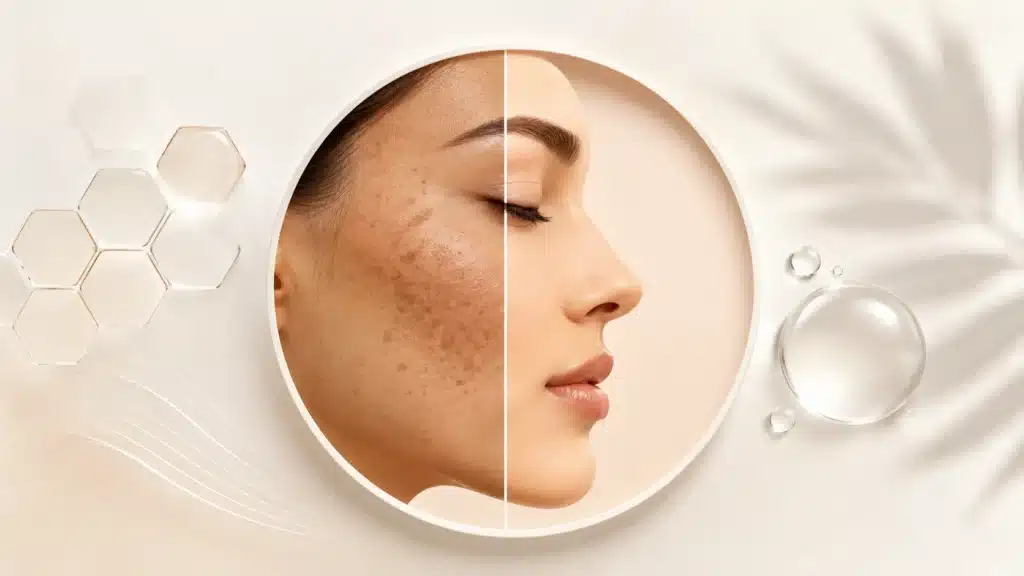
Uneven skin tone is a common skin concern in which some areas of the skin appear darker, lighter, redder, duller, or more pigmented than the surrounding skin. It may appear as dark spots, brown patches, uneven tanning, redness, acne marks, pale areas, or a generally blotchy complexion.
Many people consider uneven skin tone only a cosmetic problem. In some cases, it may simply be related to sun exposure, dryness, or old acne marks. However, uneven pigmentation can also be linked to melasma, post-inflammatory hyperpigmentation, eczema, allergies, certain medicines, infections, hormonal changes, or other skin conditions. A new, changing, bleeding, or unusual pigmented spot should not be assumed to be harmless and may require examination by a dermatologist.
The colour of the skin is mainly influenced by melanin, a natural pigment produced by specialised cells called melanocytes. When these cells produce too much melanin, the skin may develop dark patches or spots, a condition often called hyperpigmentation. When pigment production is reduced or pigment cells are affected, lighter patches may occur. Pigmentation disorders can result from changes in melanin production, the number of pigment cells, or the way pigment is deposited in the skin.
Uneven skin tone refers to visible differences in colour or pigmentation across the skin. The affected areas may look:
These terms are sometimes used together, but they are not exactly the same.
Hyperpigmentation occurs when certain areas of skin become darker than the surrounding skin. Common examples include:
Hypopigmentation means that an area has less pigment than the surrounding skin. It may occur after inflammation, infection, injury, certain fungal conditions, or other skin disorders.
Depigmentation means a significant or almost complete loss of pigment in an area. Vitiligo is one possible cause, although not every light-coloured patch is vitiligo. A dermatologist may need to examine the area closely to determine the cause.
Uneven skin tone can develop due to external exposure, inflammation, hormonal changes, skin injury, medicines, ageing, or an underlying skin disorder.
Sun exposure is one of the most common causes of uneven skin tone. Ultraviolet radiation stimulates melanocytes to produce more melanin. This natural response is intended to protect the skin, but repeated or unprotected exposure can lead to tanning, dark spots, sunspots, and uneven pigmentation.
Sun-related pigmentation may appear on areas that receive frequent exposure, including:
Post-inflammatory hyperpigmentation, or PIH, is darkening that develops after inflammation or injury. It can occur after:
Melasma causes brown, grey-brown, or tan patches, usually on areas of the face exposed to sunlight. It commonly appears on:
Picking, squeezing, or repeatedly touching acne can increase inflammation and raise the chance of long-lasting pigmentation. Treating acne early is therefore an important part of preventing uneven skin tone. Acne can cause uneven skin tone in two ways:
Overuse of skincare products may irritate the skin and make pigmentation worse. Common causes include:
Dry skin may appear dull, grey, patchy, or uneven. Severe dryness can cause flaking and mild inflammation, which may make the tone appear irregular. A damaged skin barrier may also become more sensitive to sun exposure and active ingredients.
Dryness can be worsened by:
Hormonal fluctuations can stimulate pigment production. Uneven skin tone may develop during:
As the skin ages, natural cell turnover becomes slower and past sun damage may become more visible. Age-related pigmentation may appear as:
Dust, smoke, and air pollution may contribute to skin irritation and dullness. Pollution can settle on the skin and may worsen oxidative stress, especially when combined with sunlight. Daily cleansing, moisturising, and sun protection can help reduce environmental effects, although they may not remove established pigmentation by themselves.
Some medicines can cause pigmentation directly or make the skin more sensitive to sunlight. Medicines associated with pigmentation changes may include certain:
Some fungal or bacterial skin infections may cause darker or lighter patches. For example, certain superficial fungal infections can produce multiple lighter or darker spots on the chest, back, neck, or arms. These may be associated with mild scaling or itching.
Inflammatory skin conditions may produce redness during the active phase and darker or lighter marks after healing. Common examples include:
Skin injury may leave a mark that is darker, lighter, or redder than the surrounding skin. Causes may include:
Different patterns of pigmentation can suggest different causes.
The main symptom is a visible difference in colour, but other symptoms may be present depending on the cause.
Common symptoms
Symptoms suggesting active skin disease
Symptoms that should not be ignored
A dermatologist diagnoses uneven skin tone by examining the pattern, colour, location, texture, and history of the affected area. The diagnosis is not based only on how dark or light the patch appears.
Skin examination
The dermatologist may check:
Possible diagnostic tools
A treatment that works for one type of pigmentation may worsen another. For example, aggressive exfoliation may irritate post-inflammatory pigmentation, while a steroid cream may worsen an infection. Identifying the cause helps create a safer and more effective plan.
Treatment depends on the cause, depth, location, duration, skin tone, and whether the pigmentation is active or stable. The aim is not to change a person’s natural complexion. The goal is to reduce abnormal discoloration, control triggers, improve skin health, and create a more balanced appearance.
1. Sun protection
Sun protection is the foundation of pigmentation treatment. Without it, new pigmentation may develop and existing marks may become darker.
A dermatologist may recommend:
2. Treatment of the underlying condition
Pigmentation may not improve permanently until the trigger is controlled.
Treatment may include:
3. Prescription creams
Depending on the diagnosis, a dermatologist may prescribe topical agents such as:
4. Azelaic acid
Azelaic acid may be useful for certain forms of pigmentation, especially when acne or inflammation is also present. It may help reduce pigment production and can be suitable for some sensitive skin types.
A patient may experience mild stinging or dryness initially. The product should be introduced gradually and used with moisturiser and sunscreen.
5. Vitamin C
Vitamin C is an antioxidant that may help support a brighter and more even appearance. It is often used in morning skincare along with sunscreen.
Important points include:
6. Niacinamide
Niacinamide may help support the skin barrier and reduce the appearance of some forms of uneven pigmentation. It is often included in moisturisers or serums and is generally well tolerated, although irritation is still possible.
7. Chemical peels
A dermatologist may use a controlled chemical peel to improve selected types of superficial pigmentation or uneven texture. Possible ingredients include:
8. Laser and light-based treatments
Laser or light-based procedures may be considered for selected cases such as certain sunspots, vascular redness, or resistant pigmentation. Options may include:
9. Microneedling
Microneedling may be considered for selected pigmentation and texture problems, often as part of a broader treatment plan. It creates controlled micro-injuries that stimulate skin repair, but it can also worsen pigmentation if there is active inflammation or poor aftercare.
10. Medical facials and exfoliation
Professional exfoliation may help remove surface buildup and improve dullness. However, it should not be treated as a complete cure for melasma, deep pigmentation, or post-inflammatory marks.
A dermatologist may recommend:
11. Treatment of lighter patches
Lighter areas require a different approach. Treatment may involve:
A consistent and gentle routine is usually more beneficial than frequently changing products.
Morning routine
Night routine
For sensitive skin
Home care can support treatment, but it should not replace a dermatology evaluation when pigmentation is new, persistent, spreading, or associated with other symptoms.
Helpful preventive measures
Habits to avoid
Natural ingredients are not automatically safe. Lemon, baking soda, undiluted essential oils, and abrasive powders may irritate the skin and worsen post-inflammatory pigmentation.
The time needed to improve uneven skin tone depends on the underlying condition and how deeply pigment is located in the skin.
You should consult a dermatologist if:
Uneven skin tone may appear simple, but effective treatment requires identifying its specific cause. Rama Hospital can provide dermatology evaluation for pigmentation, acne marks, melasma, inflammatory skin disease, infections, and suspicious pigmented lesions.
Sunscreen helps prevent existing pigmentation from becoming darker and reduces the formation of new sun-related spots. It is usually an essential part of treatment, although sunscreen alone may not remove established pigmentation.
Dark spots may improve with prescription creams, azelaic acid, retinoids, vitamin C, chemical peels, or laser treatment, depending on the cause. A dermatologist should identify the type of pigmentation before selecting a treatment.
Yes, acne inflammation can leave dark marks called post-inflammatory hyperpigmentation. Picking or squeezing pimples can increase inflammation and make these marks more persistent.
Gentle moisturising, sun protection, and avoiding irritation can support skin health. However, ingredients such as lemon juice, baking soda, or undiluted oils may cause irritation and worsen pigmentation.
Chemical peels can be useful when selected and performed by a qualified professional. The wrong peel or concentration can cause burns, scarring, or darker pigmentation, especially in deeper skin tones.
Laser treatment may help selected types of pigmentation, sunspots, or redness. It is not suitable for every patient, and treatment must be chosen carefully because some skin types have a higher risk of post-treatment pigmentation.
Some nutritional deficiencies may contribute to pallor, dullness, or changes in skin appearance, but most dark patches are related to sun exposure, inflammation, hormones, or pigmentation disorders. Testing may be advised when other symptoms are present.
Moisturiser does not directly remove all pigmentation, but it supports the skin barrier and reduces dryness and irritation. A healthy barrier can help the skin tolerate prescribed treatments more comfortably.
Some causes can be prevented by using sunscreen, avoiding tanning, treating acne and rashes early, and avoiding harsh skincare products. Genetic and hormonal causes may not be completely preventable but can often be managed.
Yes, pigmentation may affect the neck because of sun exposure, friction, dermatitis, hormonal factors, or certain metabolic conditions. Persistent darkening of the neck should be evaluated rather than treated only with a cosmetic cream.
Uneven skin tone is a common concern that may appear as dark spots, brown patches, redness, dullness, or lighter areas. It can be caused by sun exposure, acne, melasma, inflammation, injury, dryness, ageing, medicines, infections, or pigment disorders. Because different causes require different treatments, identifying the cause is the most important first step.
A gentle skincare routine, daily broad-spectrum sunscreen, moisturising, and avoidance of irritation can support improvement. Depending on the diagnosis, a dermatologist may recommend prescription creams, treatment for acne or inflammation, chemical peels, laser procedures, or other medical options. Treatment is usually gradual, and attempts to lighten the skin quickly with harsh or unregulated products may cause more pigmentation.
New, changing, bleeding, painful, or unusual pigmented lesions should not be ignored. A professional dermatology evaluation can help distinguish harmless pigmentation from conditions requiring specific treatment.


There are a number of different behavioral changes you can make to improve the appearance of your skin.
No rows found.