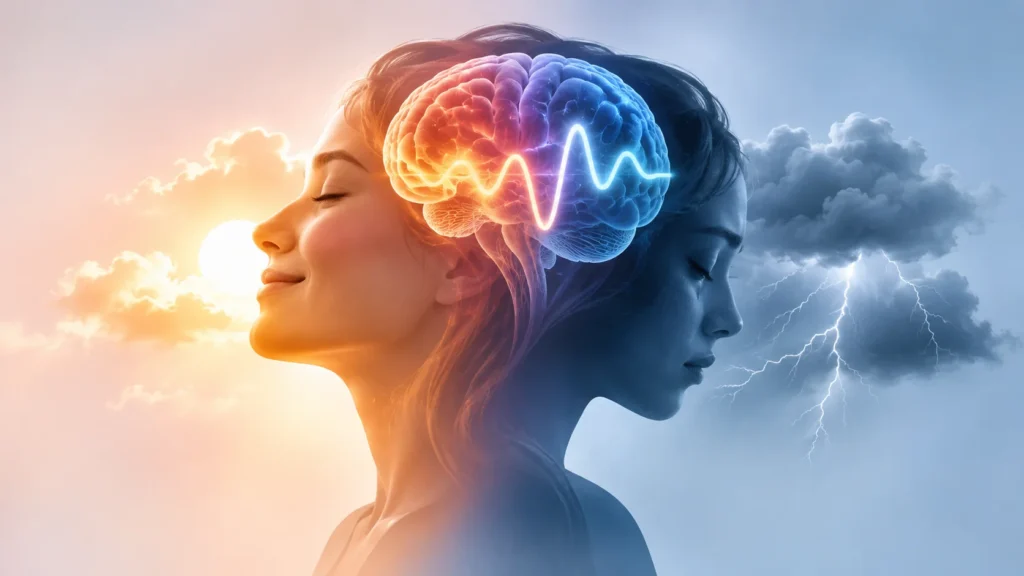
Bipolar Disorder is a mental health condition that causes unusual changes in mood, energy, activity levels, and the ability to carry out daily tasks. It is not just normal mood swings or occasional sadness. People with bipolar disorder experience episodes of mania or hypomania on one side and episodes of depression on the other. These mood shifts can affect sleep, work, relationships, decision-making, and overall quality of life.
The condition is divided into different types, mainly Bipolar I Disorder and Bipolar II Disorder. In Bipolar I, a person experiences full manic episodes, which may include very high energy, reduced need for sleep, impulsive behavior, or even psychosis in severe cases. In Bipolar II, a person experiences hypomanic episodes, which are milder than mania, along with depressive episodes that can be severe and long-lasting.
Bipolar disorder is more common than many people realize, and it can affect anyone regardless of age, gender, or background. It often begins in late adolescence or early adulthood, but it can also appear later in life. Because symptoms may look like depression, anxiety, ADHD, or personality changes, many people go undiagnosed for years. Early recognition and proper treatment can make a major difference in how well a person manages the condition.
What is Bipolar Disorder?
Bipolar disorder is a chronic mental health condition that affects mood regulation. The brain’s ability to manage emotions, energy, and activity becomes unstable over time. This leads to episodes where a person may feel extremely high, energetic, or irritable, followed by periods of deep sadness, low energy, or hopelessness.
The condition is not a character flaw or a lack of willpower. It is a medical illness that involves changes in brain function, neurotransmitters, sleep patterns, and stress response. Like diabetes or high blood pressure, it can be managed with the right treatment and support.
Bipolar disorder is lifelong, but it does not have to control a person’s life. With proper diagnosis, medicines, therapy, and lifestyle management, many people live full, productive, and stable lives.
Types of Bipolar Disorder
Bipolar disorder is not the same in everyone. The main types are Bipolar I and Bipolar II, but there are other related conditions as well.
Bipolar I Disorder
- Involves at least one full manic episode.
- Mania may last at least seven days or require hospitalization.
- May include psychotic symptoms such as hallucinations or delusions.
- Depressive episodes are common but not required for diagnosis.
- Symptoms can severely affect work, relationships, and daily functioning.
Bipolar II Disorder
- Involves at least one hypomanic episode and one major depressive episode.
- Hypomania is a milder form of mania but still noticeable to others.
- Does not include full manic episodes or psychosis.
- Depressive episodes are often more frequent and longer lasting.
- Can be mistaken for depression if hypomania is not recognized.
Cyclothymic Disorder
- Involves chronic mood instability for at least two years.
- Symptoms are milder than full mania or major depression.
- Mood swings are frequent but less severe.
- Can still affect daily life and relationships.
Other Specified Bipolar and Related Disorders
- Includes cases that do not fit fully into Type I or Type II.
- May involve short episodes or atypical patterns.
- Still needs proper evaluation and treatment.
Causes of Bipolar Disorder
The exact cause of bipolar disorder is not fully known, but research shows it is likely due to a combination of genetic, biological, and environmental factors.
Genetic factors
- Family history is one of the strongest risk factors.
- Having a parent or sibling with bipolar disorder increases risk.
- Multiple genes may be involved rather than one single gene.
- Genetics alone do not determine whether a person will develop the condition.
Brain chemistry and structure
- Imbalance in neurotransmitters such as serotonin, dopamine, and norepinephrine.
- Differences in brain structure and connectivity.
- Problems in the brain circuits that regulate mood and energy.
- Changes in the body’s internal clock and sleep-wake cycle.
Environmental triggers
- High levels of stress.
- Trauma or abuse in childhood.
- Major life changes such as loss, divorce, or job loss.
- Sleep disruption or irregular sleep patterns.
- Substance abuse.
- Certain medicines or medical conditions that affect mood.
Risk Factors for Bipolar Disorder
Some people are more likely to develop bipolar disorder than others.
Higher-risk groups
- People with a family history of bipolar disorder or other mood disorders.
- Those with a history of childhood trauma or abuse.
- People with high levels of chronic stress.
- Individuals with substance use disorders.
- People with irregular sleep patterns or shift work.
- Those with certain medical or neurological conditions.
- People in late adolescence or early adulthood, when onset is most common.
Why risk increases in these groups
- Genetics can make the brain more sensitive to mood changes.
- Stress and trauma can trigger the first episode.
- Sleep loss is a strong trigger for manic or hypomanic episodes.
- Substance use can worsen symptoms and make diagnosis harder.
- Hormonal changes and life transitions may also play a role.
Symptoms of Bipolar Disorder
Symptoms depend on whether the person is in a manic, hypomanic, or depressive episode. Some people also experience mixed episodes where symptoms of both mania and depression occur at the same time.
Symptoms of mania
- Elevated or irritable mood lasting at least one week.
- Increased energy and activity.
- Reduced need for sleep, sometimes feeling rested after only a few hours.
- Racing thoughts and rapid speech.
- Grandiosity or inflated self-esteem.
- Impulsive behavior such as overspending, risky sex, or reckless driving.
- Poor judgment and decision-making.
- Difficulty focusing or staying on task.
- Psychotic symptoms in severe cases, such as delusions or hallucinations.
Symptoms of hypomania
- Similar to mania but milder and shorter in duration.
- Lasts at least four days.
- Noticeable change in mood and energy but not severe enough to cause major impairment.
- May feel productive or creative at first.
- Can still lead to poor decisions or strained relationships.
Symptoms of depression
- Persistent sadness or emptiness.
- Loss of interest in activities once enjoyed.
- Fatigue and low energy.
- Changes in sleep, either too much or too little.
- Changes in appetite or weight.
- Difficulty concentrating or making decisions.
- Feelings of worthlessness or guilt.
- Thoughts of death or suicide.
- Slowed speech or movement.
Mixed episodes
- Symptoms of mania and depression at the same time.
- May feel agitated, restless, and hopeless at once.
- Higher risk of impulsive or dangerous behavior.
- Can be confusing and difficult to recognize.
Bipolar Disorder in Different Age Groups
Bipolar disorder can affect people at different stages of life, and the way it shows up may vary.
In adolescents
- May be mistaken for normal teenage moodiness or ADHD.
- Irritability may be more common than euphoria.
- School performance and relationships may suffer.
- Early diagnosis is important to prevent worsening.
In adults
- Often begins in late teens or early twenties.
- May be misdiagnosed as depression if hypomania is missed.
- Can affect career, marriage, and parenting.
- Treatment can help maintain stability and productivity.
In older adults
- Less common but can occur, especially with medical or neurological conditions.
- Symptoms may overlap with dementia or other brain disorders.
- Careful evaluation is needed to rule out other causes.
How is Bipolar Disorder Diagnosed?
Diagnosis is based on a detailed clinical assessment rather than a single test. It involves looking at the pattern of mood episodes over time.
Diagnostic steps
- Detailed history of mood episodes.
- Family history of mental illness.
- Assessment of sleep, energy, and behavior patterns.
- Screening for substance use and other medical conditions.
- Physical exam and blood tests to rule out other causes.
- Psychological evaluation and structured interviews.
Tools and criteria used
- DSM-5 criteria for bipolar I and II.
- Mood questionnaires and rating scales.
- Input from family members or close friends when available.
- Tracking of mood patterns over weeks or months.
Why diagnosis matters
Bipolar disorder is often misdiagnosed as depression, anxiety, or ADHD. Treating it only with antidepressants can sometimes trigger mania or worsen the condition. Accurate diagnosis ensures the right treatment plan and better long-term outcomes.
Treatment for Bipolar Disorder
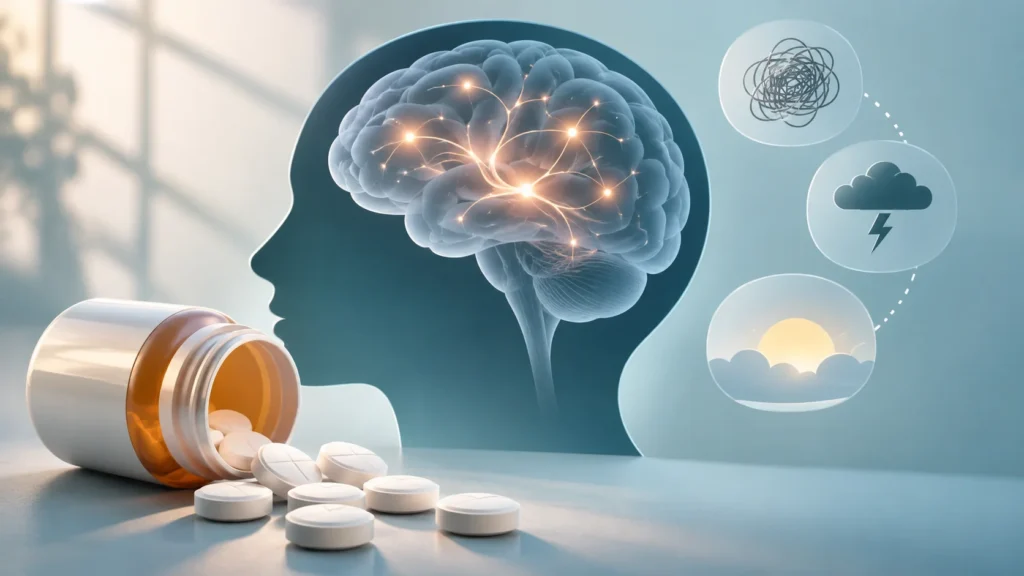
Treatment is usually long-term and involves a combination of medicines, therapy, and lifestyle management. The goal is to stabilize mood, prevent episodes, and improve daily functioning.
1. Medicines
- Mood stabilizers such as lithium, valproate, or lamotrigine.
- Atypical antipsychotics for mania or mixed episodes.
- Antidepressants used carefully and usually with a mood stabilizer.
- Medicines for sleep or anxiety if needed.
- Regular monitoring of blood levels and side effects.
2. Psychotherapy
- Cognitive Behavioral Therapy (CBT) to change negative thought patterns.
- Interpersonal and Social Rhythm Therapy to stabilize daily routines.
- Family-focused therapy to improve communication and support.
- Psychoeducation to help patients and families understand the condition.
3. Lifestyle management
- Regular sleep schedule, as sleep disruption can trigger episodes.
- Consistent daily routine for meals, work, and rest.
- Avoiding alcohol and drugs.
- Stress management through relaxation or mindfulness.
- Regular exercise to support mood stability.
4. Hospital care if needed
- In severe mania, depression, or risk of self-harm.
- When safety is a concern.
- For close monitoring and medication adjustment.
- For treatment of psychotic symptoms or severe impairment.
5. Long-term maintenance
- Ongoing medicines even when feeling well, to prevent relapse.
- Regular follow-up with a psychiatrist.
- Early recognition of warning signs of a new episode.
- Adjustment of treatment as needed over time.
Living with Bipolar Disorder
Managing bipolar disorder is not just about medicines. Daily habits and support systems play a big role in staying stable.
Helpful daily practices
- Keep a regular sleep schedule.
- Track mood changes in a journal or app.
- Take medicines exactly as prescribed.
- Avoid alcohol and recreational drugs.
- Maintain a routine for meals, work, and rest.
- Stay connected with supportive friends and family.
- Learn personal early warning signs of episodes.
Role of family and caregivers
- Learn about the condition and its symptoms.
- Help monitor mood changes and medication adherence.
- Provide emotional support without judgment.
- Encourage treatment and follow-up.
- Know when to seek emergency help.
Possible Complications
If left untreated, bipolar disorder can lead to serious problems in many areas of life.
Possible complications
- Relationship breakdown and divorce.
- Job loss or financial problems due to impulsive spending.
- Substance abuse as a way to cope.
- Legal issues from impulsive behavior.
- Physical health problems due to poor self-care.
- Higher risk of suicide, especially during depressive or mixed episodes.
- Hospitalization or emergency care during severe episodes.
Why complications happen
Mood episodes can impair judgment, energy, and decision-making. Without treatment, episodes may become more frequent or severe over time. Early and consistent treatment reduces these risks significantly.
When to See a Doctor
It is important to seek help if mood changes are affecting daily life, relationships, or work.
See a doctor if you have:
- Extreme mood swings that last days or weeks.
- Periods of very high energy followed by deep sadness.
- Sleep problems that are not explained by stress or illness.
- Impulsive behavior that causes problems.
- Thoughts of self-harm or suicide.
- Family history of bipolar disorder with new symptoms.
- Difficulty functioning at work or home due to mood changes.
Seek urgent help if you have:
- Thoughts of harming yourself or others.
- Severe agitation or psychosis.
- Loss of touch with reality.
- Inability to care for yourself.
- Sudden worsening of symptoms.
Prevention of Episodes
While bipolar disorder itself may not be fully preventable, episodes can often be reduced or delayed with the right steps.
Prevention pointers
- Take medicines regularly, even when feeling well.
- Keep a consistent sleep and wake schedule.
- Manage stress through relaxation or therapy.
- Avoid alcohol and drugs.
- Attend regular follow-up appointments.
- Learn and watch for early warning signs.
- Maintain a strong support system.
For people at risk
- Be aware of family history.
- Seek help early if mood changes begin.
- Avoid self-medication with substances.
- Build healthy routines early in life.
Why Choose Rama Hospital for Bipolar Disorder Treatment?
Bipolar disorder requires careful diagnosis, long-term management, and a supportive care team. A hospital with experienced psychiatrists, psychologists, and support staff can make a major difference in outcomes.
Why hospital care matters
- Accurate diagnosis by mental health specialists.
- Personalized treatment plans for Type I and Type II.
- Access to medicines, therapy, and crisis support.
- Coordination with other specialists if needed.
- Long-term follow-up and relapse prevention.
- Family education and caregiver support.
Trust and authority points
- Experienced psychiatric team.
- Confidential and compassionate care.
- Evidence-based treatment approaches.
- Support for both patients and families.
- Focus on long-term stability and quality of life.
Frequently Asked Questions (FAQs)
1. What is the difference between Bipolar I and Bipolar II?
Bipolar I involves at least one full manic episode, which can be severe and may include psychosis. Bipolar II involves hypomania, which is milder, along with major depressive episodes. Both are serious and need treatment.
2. Can bipolar disorder be cured?
There is no permanent cure, but it can be managed very effectively. With the right medicines, therapy, and lifestyle habits, many people live stable and productive lives. Long-term treatment is usually needed to prevent relapse.
3. Is bipolar disorder the same as depression?
No, depression is only one part of bipolar disorder. People with bipolar disorder also experience mania or hypomania, which involves high energy and impulsive behavior. Treating bipolar disorder only as depression can be risky.
4. Can stress trigger an episode?
Yes, high stress is a common trigger for both manic and depressive episodes. Managing stress through routine, therapy, and relaxation can help reduce the risk. Sleep disruption is also a strong trigger.
5. Can bipolar disorder run in families?
Yes, genetics play a strong role. Having a close family member with bipolar disorder increases the risk. However, not everyone with a family history will develop the condition.
6. Can a person with bipolar disorder live a normal life?
Yes, with proper treatment and support, many people with bipolar disorder work, have families, and live fulfilling lives. Stability is possible with consistent care and healthy habits.
7. When should someone be hospitalized?
Hospitalization may be needed during severe mania, severe depression, or when there is a risk of self-harm or harm to others. It provides a safe environment for stabilization and close monitoring.
8. Can lifestyle changes alone treat bipolar disorder?
Lifestyle changes are important but usually not enough on their own. Medicines and therapy are the main treatments. Lifestyle habits support and strengthen the effect of medical treatment.
Conclusion
Bipolar disorder is a complex but manageable mental health condition that affects mood, energy, and daily functioning. It includes both high episodes of mania or hypomania and low episodes of depression, and it can affect anyone at any stage of life. The key to living well with bipolar disorder is early diagnosis, consistent treatment, and strong support.
The most important steps are proper evaluation, the right combination of medicines and therapy, and healthy daily routines. For patients and families dealing with extreme mood swings, sleep problems, or impulsive behavior, seeking help early can prevent serious complications and improve quality of life. With the right care, stability and recovery are possible.
Rama Hospital can help evaluate bipolar disorder, identify the type and severity, and provide a clear treatment plan that supports long-term mental health and well-being.