-

-

Viral Lung Infections (including COVID-related lungs)

Viral Lung Infections (including COVID-related lungs)

Viral Lung Infections

Viral Lung Infections: Causes, Symptoms, Diagnosis, Treatment, and Recovery

Viral lung infections are among the most common reasons people develop cough, fever, breathlessness, chest discomfort, and weakness. These infections affect the airways and lungs, causing inflammation that makes breathing difficult. In most people, viral lung infections are mild and improve with rest, fluids, and supportive care. But in some patients, especially older adults, people with weak immunity, or those with existing lung or heart disease, the infection can become serious and affect oxygen levels.

COVID-19 has made people more aware of viral lung infections. Many patients who recover from COVID continue to have cough, breathlessness, fatigue, or reduced lung function for weeks or months. This is often called post-COVID lung involvement or long COVID. Other viruses such as influenza, respiratory syncytial virus, adenovirus, and rhinovirus can also cause lung infections that range from mild cold-like illness to severe pneumonia.

What is a Viral Lung Infection?

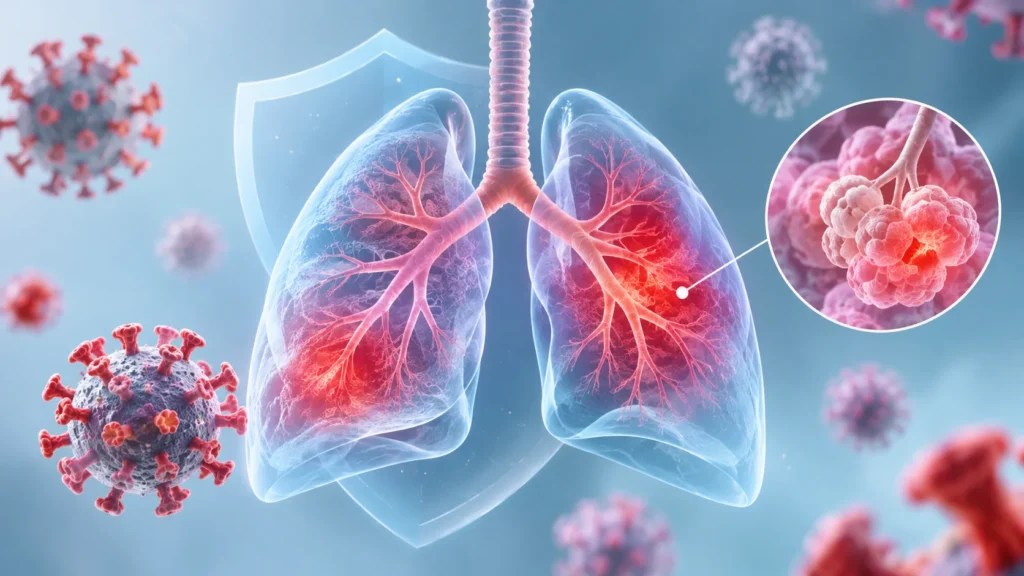
A viral lung infection happens when a virus enters the respiratory system and affects the airways, lungs, or both. The infection can cause inflammation of the air passages, making it harder for air to move in and out of the lungs. In some cases, the infection reaches deeper into the lung tissue and causes viral pneumonia.

The lungs are responsible for taking in oxygen and removing carbon dioxide. When they are infected or inflamed, this exchange becomes less efficient. That is why patients with viral lung infections may feel breathless, tired, or weak even while doing simple activities.

Most viral lung infections are self-limiting, meaning they improve on their own with time and supportive care. But some can become severe, especially in high-risk patients, and may need oxygen, hospitalization, or intensive care.

How Viral Lung Infections Spread

Viral lung infections spread easily from person to person through respiratory droplets and close contact.

Common ways of spread

  • Coughing or sneezing releases virus-containing droplets into the air.
  • Close contact with an infected person increases risk.
  • Touching contaminated surfaces and then touching the face can spread infection.
  • Sharing utensils, towels, or personal items with an infected person.
  • Poor ventilation in closed spaces increases transmission.
  • Crowded places such as schools, offices, public transport, and hospitals can increase exposure.

Why some people get more sick

Not everyone who gets infected develops severe illness. Severity depends on age, immunity, existing health conditions, and how quickly treatment is started. People with diabetes, heart disease, lung disease, kidney disease, or weak immunity are more likely to develop complications.

Common Viruses That Affect the Lungs

Several viruses can cause lung infections.

  • Influenza virus, which causes seasonal flu and can lead to viral pneumonia.
  • SARS-CoV-2, the virus that causes COVID-19.
  • Respiratory syncytial virus, which commonly affects children and older adults.
  • Adenovirus, which can cause respiratory illness in children and adults.
  • Rhinovirus, which usually causes common cold but can worsen lung disease in some patients.
  • Parainfluenza virus, which affects the airways.
  • Human metapneumovirus, which can cause respiratory illness in children and elderly.

COVID-related lung infection

COVID-19 can affect the lungs in different ways. Some patients have mild upper respiratory symptoms, while others develop lower lung involvement with inflammation, low oxygen, or pneumonia. In some patients, lung problems continue even after the acute infection is over. This is called post-COVID lung disease or long COVID.

Who is at Risk?

Some people are more likely to develop severe viral lung infection than others.

Higher-risk groups

  • Older adults, especially above sixty.
  • People with diabetes.
  • People with heart disease.
  • People with chronic lung disease such as asthma or COPD.
  • People with kidney disease.
  • People with weakened immunity.
  • Pregnant women.
  • Smokers.
  • People with obesity.
  • Patients on long-term steroid or immunosuppressive treatment.
  • People with poor nutrition or chronic illness.

Why risk increases in these groups

These conditions reduce the body’s ability to fight infection or make the lungs less able to handle inflammation. As a result, even a common viral infection can become serious and require hospital care.

Symptoms of Viral Lung Infection

Symptoms can range from mild cold-like illness to severe breathlessness.

Common early symptoms

  • Fever or chills.
  • Cough.
  • Sore throat.
  • Runny or blocked nose.
  • Body aches.
  • Headache.
  • Fatigue.
  • Sneezing.
  • Mild breathlessness.

Symptoms that suggest lung involvement

  • Persistent cough.
  • Shortness of breath.
  • Chest tightness or discomfort.
  • Wheezing.
  • Rapid breathing.
  • Low oxygen levels.
  • Fatigue even after mild activity.
  • Difficulty speaking in full sentences.

Symptoms of severe infection

  • Severe breathlessness at rest.
  • Bluish lips or fingers.
  • Confusion or drowsiness.
  • Chest pain.
  • Inability to drink fluids.
  • Very low oxygen levels.
  • Fainting.
  • Rapid heartbeat.

COVID-specific symptoms

  • Loss of smell or taste in some cases.
  • Dry cough.
  • Fever.
  • Body ache.
  • Breathlessness after a few days.
  • Fatigue that lasts longer than usual.
  • Lung inflammation seen on imaging in some patients.

Post-COVID Lung Problems

Some patients continue to have lung symptoms even after recovering from the acute COVID infection. This is called post-COVID lung disease or long COVID.

Common post-COVID symptoms

  • Persistent cough.
  • Breathlessness on walking or climbing stairs.
  • Fatigue.
  • Chest tightness.
  • Reduced exercise tolerance.
  • Sleep disturbance.
  • Anxiety or low mood.
  • Brain fog or poor concentration.

Why post-COVID lung problems happen

COVID can cause inflammation and damage in the lung tissue. In some patients, this inflammation takes time to heal. In others, scarring or reduced lung function may develop. Early rehabilitation and follow-up can help improve recovery.

Who is more likely to have post-COVID lung issues

  • Patients who had severe COVID.
  • Patients who needed oxygen or ICU care.
  • People with pre-existing lung disease.
  • Older adults.
  • Smokers.
  • People with diabetes or heart disease.

How is Viral Lung Infection Diagnosed?

Diagnosis is based on symptoms, physical examination, and tests to check lung function and oxygen levels.

Diagnostic steps

  • Detailed history of symptoms.
  • Duration of illness.
  • Exposure history or contact with infected person.
  • Travel or outbreak history.
  • Examination of lungs and oxygen level.
  • Assessment of breathing pattern and chest movement.

Common tests that may be done

  • Pulse oximetry to check oxygen level.
  • Chest X-ray to look for lung involvement.
  • CT scan of chest if more detail is needed.
  • Blood tests to check infection and inflammation.
  • COVID test or other viral panel if needed.
  • Sputum test in selected cases.
  • Lung function tests after recovery.
  • ECG or heart tests if chest pain or palpitations are present.

Why diagnosis matters

Not all cough or breathlessness is due to viral infection. Some patients may have bacterial pneumonia, asthma, heart failure, or other lung disease. Proper testing helps guide the right treatment and avoid complications.

Treatment for Viral Lung Infection

Treatment depends on the virus, severity, oxygen level, and the patient’s overall health.

1. Supportive care

Most mild cases improve with supportive care.

  • Rest and adequate sleep.
  • Plenty of fluids.
  • Warm fluids and steam inhalation for comfort.
  • Paracetamol for fever or body ache.
  • Cough relief as advised by a doctor.
  • Avoid smoking and exposure to smoke.

2. Antiviral treatment

In some cases, antiviral medicines may be used.

  • Antiviral treatment for influenza in high-risk patients.
  • COVID-specific antiviral treatment in selected high-risk patients.
  • Early treatment is more effective than late treatment.
  • Antivirals are not needed for every patient.

3. Oxygen support

Oxygen is needed when lung infection reduces oxygen levels.

  • Nasal cannula for mild oxygen support.
  • Face mask for moderate support.
  • High-flow oxygen for severe cases.
  • ICU care and ventilator support in critical cases.

4. Treatment of inflammation

In some patients, especially those with severe COVID or other viral pneumonia, inflammation in the lungs needs to be controlled.

  • Steroids may be used in selected severe cases.
  • Other anti-inflammatory medicines may be considered.
  • Treatment is individualized based on severity and risk.

5. Treatment of secondary infection

Sometimes a bacterial infection develops on top of a viral infection.

  • Antibiotics may be needed if bacterial infection is suspected.
  • Doctors look for signs such as high fever, purulent sputum, or worsening symptoms.
  • Antibiotics do not treat the virus itself but help when bacteria are involved.

6. Hospital care if needed

Some patients need admission for closer monitoring.

  • Low oxygen levels.
  • Severe breathlessness.
  • Inability to drink fluids.
  • Confusion or drowsiness.
  • Worsening symptoms despite home care.
  • High-risk patients with severe illness.

Home Care for Mild Viral Lung Infection

Many mild cases can be managed at home with proper care.

Helpful home care steps

  • Rest as much as possible.
  • Drink warm fluids regularly.
  • Use steam inhalation for comfort.
  • Monitor oxygen level if advised.
  • Take prescribed medicines on time.
  • Avoid smoking and alcohol.
  • Stay in a well-ventilated room.
  • Avoid close contact with others to prevent spread.

When home care is not enough

If breathlessness increases, oxygen level drops, or the patient cannot keep fluids down, medical care is needed immediately. Do not wait for symptoms to become severe.

Recovery and Rehabilitation

Recovery from viral lung infection can take time, especially after severe illness or COVID-related lung involvement.

Recovery tips

  • Gradual return to activity.
  • Breathing exercises.
  • Light walking as tolerated.
  • Adequate sleep.
  • Balanced diet with protein and vitamins.
  • Avoid smoking completely.
  • Follow-up with doctor if symptoms persist.

Pulmonary rehabilitation

For patients with persistent breathlessness or reduced lung function, pulmonary rehabilitation can help.

  • Breathing exercises.
  • Gradual physical training.
  • Education on lung health.
  • Energy conservation techniques.
  • Psychological support for anxiety or low mood.

Possible Complications

Viral lung infections can lead to complications, especially in severe cases.

Possible complications

  • Viral pneumonia.
  • Bacterial superinfection.
  • Low oxygen levels.
  • Respiratory failure.
  • Acute respiratory distress syndrome.
  • Heart strain or arrhythmia.
  • Kidney problems.
  • Blood clots.
  • Post-COVID lung fibrosis in some patients.
  • Long-term fatigue and reduced exercise tolerance.

Why complications happen

When the lungs are inflamed, oxygen exchange becomes poor. This puts stress on the heart and other organs. In some patients, the immune response itself causes more damage than the virus. Early treatment and monitoring help reduce these risks.

When to See a Doctor

Medical review is important if symptoms are persistent or worsening.

See a doctor if you have:

  • Cough lasting more than a week.
  • Fever that does not settle.
  • Increasing breathlessness.
  • Chest pain.
  • Wheezing.
  • Fatigue that does not improve.
  • Reduced oxygen level.
  • Symptoms in a high-risk patient.

Seek emergency care immediately if you have:

  • Severe breathlessness at rest.
  • Bluish lips or fingers.
  • Confusion or drowsiness.
  • Chest pain.
  • Fainting.
  • Oxygen level dropping below safe range.
  • Inability to speak full sentences.

Prevention of Viral Lung Infections

Prevention is possible in many cases through hygiene, vaccination, and healthy habits.

Prevention pointers

  • Wash hands regularly.
  • Avoid close contact with infected people.
  • Wear mask in crowded or poorly ventilated places when needed.
  • Stay home when sick.
  • Cover mouth while coughing or sneezing.
  • Avoid smoking.
  • Maintain good nutrition and hydration.
  • Get vaccinated for flu and COVID as advised.
  • Manage chronic conditions like diabetes and asthma properly.

For high-risk patients

  • Be extra careful during flu season.
  • Avoid crowded places if immunity is low.
  • Keep regular follow-up with doctor.
  • Seek early treatment if symptoms appear.

Why Choose Rama Hospital for Viral Lung Infection Care?

Viral lung infections can range from mild to life-threatening. A hospital with experienced pulmonologists, critical care support, and modern imaging can make a major difference in outcomes.

Why hospital care matters

  • Expert evaluation by pulmonology and critical care specialists.
  • Advanced imaging and lung function testing.
  • Oxygen support and ICU care if needed.
  • Treatment for COVID and other viral infections.
  • Post-COVID lung rehabilitation.
  • Monitoring for complications and recovery.

Trust and authority points

  • Experienced respiratory team.
  • Modern diagnostic and treatment facilities.
  • Emergency and ICU support.
  • Patient education on prevention and recovery.
  • Comprehensive care from diagnosis to rehabilitation.

Frequently Asked Questions (FAQs)

1. What is a viral lung infection?

A viral lung infection is an illness caused by a virus that affects the airways or lungs. It can cause cough, fever, breathlessness, and fatigue. In some cases, it leads to viral pneumonia.

2. Can COVID cause long-term lung problems?

Yes, some patients continue to have breathlessness, cough, or fatigue after COVID. This is called post-COVID lung disease. Most patients improve with time, rehabilitation, and follow-up care.

3. How do I know if my lung infection is serious?

Warning signs include severe breathlessness, low oxygen level, chest pain, confusion, or bluish lips. If any of these occur, medical care should be sought immediately.

4. Can viral lung infection turn into pneumonia?

Yes, some viral infections can progress to viral pneumonia. In some patients, bacteria can also cause a secondary infection. Monitoring symptoms and oxygen level helps detect this early.

5. Do antibiotics help in viral lung infection?

No, antibiotics do not treat viruses. They are only used if a bacterial infection develops alongside the viral illness. Doctors decide based on symptoms and test results.

6. How long does recovery take?

Mild infections often improve within a week or two. Severe infections or COVID-related lung problems may take weeks or months. Gradual activity and pulmonary rehabilitation help recovery.

7. Can viral lung infection be prevented?

Yes, hand hygiene, masks, vaccination, good ventilation, and avoiding close contact with sick people reduce risk. Managing chronic conditions also lowers the chance of severe illness.

8. When should I get tested for COVID or other viruses?

Testing is useful if you have fever, cough, breathlessness, or contact with an infected person. It helps guide treatment and prevent spread to others.

Conclusion

Viral lung infections are common but can become serious, especially in high-risk patients. COVID-19 has shown how important it is to recognize early symptoms, monitor oxygen levels, and seek timely care. Most mild infections improve with supportive care, but severe cases need oxygen, hospitalization, and sometimes intensive care.

The key to managing viral lung infections is early recognition, proper diagnosis, and timely treatment. For patients with persistent cough, breathlessness, or post-COVID lung symptoms, a medical evaluation can make a major difference. With the right care, most patients recover fully and return to normal life.

Rama Hospital can help evaluate viral lung infections, provide treatment for COVID and other respiratory viruses, and support recovery through oxygen care, rehabilitation, and long-term follow-up.


Table of Contents

Explore More

What to Know More About Viral Lung Infections (including COVID-related lungs)

Find Ailments & Treatments

Search Ailments

Quickly find the information you need. Search our database to explore detailed information on various diseases and conditions, including symptoms, causes, and treatment options.

Search Treatments

Quickly find the information you need. Search our database to explore detailed information on various diseases and conditions, including symptoms, causes, and treatment options.

Recommended Reading

Video Playlist

No rows found.

Experience Healthcare the Rama Way

Emergency • OPD • Surgery • ICU Care

Need Help? Talk to our experts

Get a callback from our experts

Request a callback