The vascular system carries blood throughout the body and keeps tissues supplied with oxygen and nutrients. When a blood vessel becomes narrowed, blocked, swollen, weak, or damaged, the body may begin to show symptoms such as pain, leg cramps, swelling, skin discoloration, cold limbs, non-healing wounds, or sudden emergency symptoms like stroke warning signs or limb ischemia. Vascular surgery helps diagnose and treat these problems before they become more serious.
Some vascular problems develop slowly over time, while others can appear suddenly and need urgent care. A person may not always realize the problem is vascular at first because symptoms can look like general leg pain, fatigue, or swelling. That is why vascular surgery pages need to answer patient intent clearly: What is the problem, when is surgery needed, what tests are done, how is the procedure performed, and what recovery looks like.
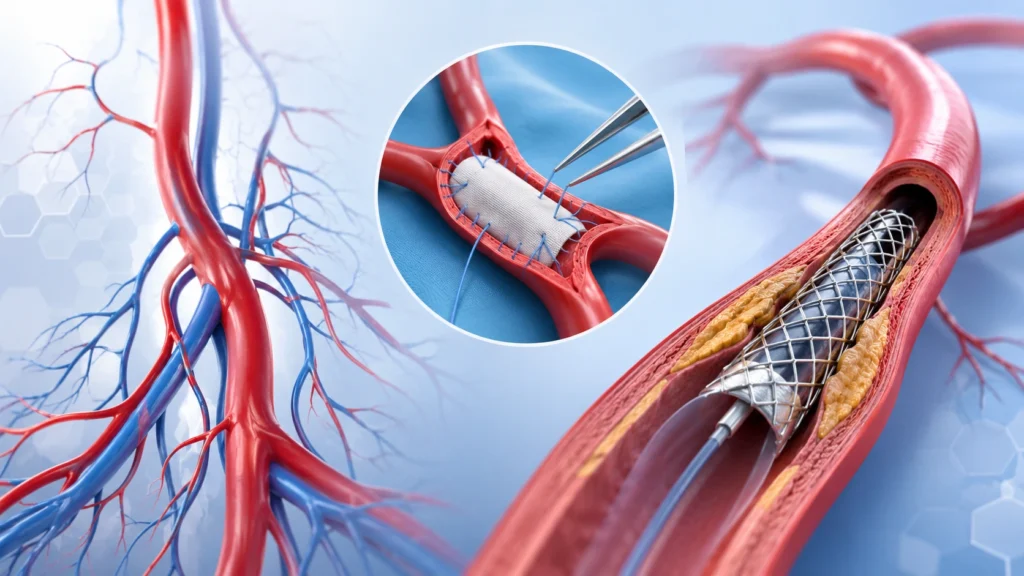
Vascular surgery is not one single operation. It includes a wide range of procedures, from minimally invasive endovascular treatments to open surgery, depending on the location and severity of the vessel disease. Some patients need vein procedures for varicose veins, some need artery procedures for poor circulation in the legs, some need carotid surgery to reduce stroke risk, and others need aneurysm repair or dialysis access surgery.
What is Vascular Surgery?
Vascular surgery is the medical and surgical treatment of diseases affecting arteries and veins outside the heart and brain. The goal is to improve blood flow, reduce symptoms, prevent complications, and protect organ or limb health.
Vascular surgery can involve open surgery, minimally invasive catheter-based procedures, or a combination of both. The right approach depends on the patient’s symptoms, test findings, vessel anatomy, overall health, and urgency of the problem.
A vascular surgeon may treat:
- Blocked arteries in the legs, arms, neck, or abdomen.
- Varicose veins and venous insufficiency.
- Aneurysms, which are weakened and enlarged blood vessels.
- Carotid artery disease, which can increase stroke risk.
- Deep vein thrombosis complications in selected cases.
- Non-healing wounds caused by poor blood circulation.
- Dialysis access problems in kidney patients.
Who needs vascular surgery?
Not every blood vessel problem needs surgery, but some do require specialist intervention. Patients are usually referred to a vascular surgeon when symptoms are persistent, severe, or associated with a risk of serious complications.
You may need vascular surgery if you have:
- Blocked leg arteries causing pain while walking or resting.
- Cold feet, numbness, or weak pulses.
- Non-healing foot wounds or diabetic foot ulcers caused by poor circulation.
- Carotid artery narrowing or stroke warning symptoms.
- Varicose veins causing pain, heaviness, swelling, or skin changes.
- Aneurysm found on imaging or causing symptoms.
- Swelling or clotting problems in veins.
- Dialysis access that is failing or needs creation.
- Limb-threatening circulation problems.
- Recurrent infections or wounds linked to poor arterial flow.
Vascular surgery is also needed when medical treatment is not enough, when symptoms are affecting daily life, or when the risk of waiting is too high. In many cases, early specialist evaluation can prevent an emergency.
Conditions treated by vascular surgery
Vascular surgery covers a wide range of blood vessel conditions. Understanding these helps patients know which problems may be treated in a vascular surgery department.
Peripheral Artery Disease (PAD)
Peripheral Artery Disease (PAD) occurs when the arteries supplying blood to the legs become narrow or blocked. Reduced blood flow can make everyday activities like walking painful and, if left untreated, may lead to serious complications.
Common signs include:
- Leg pain or cramping while walking
- Pain that improves with rest
- Cold feet or toes
- Numbness or weakness in the legs
- Slow-healing wounds or ulcers
- Shiny skin or hair loss on the legs
- Weak or absent pulse in the feet
Carotid Artery Disease
Carotid Artery Disease develops when the arteries in the neck become narrowed due to plaque buildup. Since these arteries supply blood to the brain, the condition increases the risk of stroke.
Common signs include:
- Often causes no symptoms in the early stages
- Sudden weakness or numbness on one side of the body
- Difficulty speaking or understanding speech
- Temporary loss of vision in one eye
- Dizziness or loss of balance
- Mini-stroke (TIA) symptoms
Aneurysm
An aneurysm is a weakened or bulging area in the wall of a blood vessel. Small aneurysms may not cause symptoms, but larger ones can become life-threatening if they rupture.
Common signs include:
- May not cause symptoms initially
- Deep pain in the chest, abdomen, or back
- A pulsating lump in the abdomen
- Sudden, severe pain if the aneurysm ruptures
- Dizziness or fainting in emergencies
- Requires immediate medical attention if rupture is suspected
Varicose Veins
Varicose veins are enlarged, twisted veins that commonly appear on the legs. They occur when vein valves become weak, causing blood to pool inside the veins.
Common signs include:
- Bulging blue or purple veins
- Aching or heavy legs
- Swelling around the ankles
- Burning or throbbing sensation
- Night-time leg cramps
- Itchy skin around the veins
- Symptoms worsen after standing for long periods
Chronic Venous Insufficiency
Chronic Venous Insufficiency occurs when the leg veins cannot return blood efficiently to the heart. Over time, this leads to increased pressure in the veins and ongoing leg problems.
Common signs include:
- Swelling in the lower legs and ankles
- Feeling of heaviness or tired legs
- Skin discoloration around the ankles
- Dry, itchy, or thickened skin
- Varicose veins
- Slow-healing leg ulcers
- Symptoms often improve after elevating the legs
Deep Vein Thrombosis Complications
Some patients develop vein blockage or long-term swelling after clots. Vascular care may be needed in selected cases.
- Dialysis Access Problems: Patients with kidney failure may need fistula creation, fistula repair, or vascular access assessment for hemodialysis.
- Diabetic Foot and Circulation Problems: People with diabetes often have poor circulation that affects wound healing. Vascular intervention can improve blood flow and reduce the risk of limb loss.
- Thoracic and Abdominal Aneurysms: These aneurysms affect major arteries in the chest or abdomen. They may need careful monitoring or repair depending on size and symptoms.
- Renal Artery Disease: Narrowing of the arteries supplying the kidneys can affect blood pressure and kidney health.
Common Symptoms of Vascular Disease
Symptoms vary based on which vessel is affected, but vascular disease often shows warning signs that should not be ignored.
Many vascular conditions progress slowly, so patients may adapt to symptoms without realizing how serious they are. That is why regular evaluation is important when there is pain, swelling, or reduced circulation.
Common symptoms include:
- Leg pain while walking.
- Rest pain in the foot or toes.
- Swelling in the legs.
- Visible varicose veins.
- Skin darkening around the ankles.
- Non-healing ulcers.
- Cold or pale feet.
- Numbness or tingling.
- Weak pulses in the limbs.
- Chest or back pain in aneurysm cases.
- Sudden weakness or speech changes in carotid disease.
Why vascular disease happens?
Vascular disease develops when arteries or veins stop working normally. The cause depends on the type of vessel problem.
Many vascular problems are linked to atherosclerosis, a condition where fatty deposits build up in arteries and narrow blood flow. Vein disease, on the other hand, is often related to valve failure, pressure buildup, or clot-related damage.
Common causes and risk factors include:
- High blood pressure.
- Diabetes.
- High cholesterol.
- Smoking.
- Obesity.
- Ageing.
- Family history of vascular disease.
- Sedentary lifestyle.
- Previous blood clots.
- Pregnancy or hormonal factors for vein disease.
- Kidney disease.
- Long-term inflammation or vessel weakness.
Diagnosis Before Vascular Surgery
Good vascular treatment starts with the right diagnosis. The surgeon must know which vessel is affected, how severe the problem is, and which treatment option gives the best result.
These tests help doctors plan whether the patient needs medical treatment, endovascular treatment, or open vascular surgery. They also help assess whether the patient is fit for the procedure and what kind of anesthesia may be required.
Common diagnostic tests include:
- Physical examination and pulse check.
- Duplex ultrasound.
- CT angiography.
- MR angiography.
- Doppler studies.
- Blood tests.
- Ankle-brachial index testing.
- Echocardiography in selected patients.
- Angiography when needed for detailed vessel mapping.
Diagnostic and Treatment Overview
|
Area
|
What It Helps With
|
| Duplex ultrasound |
Checks blood flow and identifies blocked or weak vessels. |
| CT angiography |
Gives detailed vessel images for planning surgery or intervention. |
| MR angiography |
Useful for selected vascular conditions where contrast planning matters. |
| Ankle-brachial index |
Measures circulation in the legs and helps diagnose peripheral artery disease. |
| Angiography |
Shows the exact site and severity of vessel narrowing or blockage. |
Types of Vascular Surgery
Vascular surgery includes several procedure types depending on the problem.
- Open vascular surgery: This involves a surgical incision to directly repair, bypass, or remove diseased vessel sections. It may be used for aneurysm repair, bypass surgery, or complex arterial disease.
- Endovascular surgery: This is a minimally invasive approach using catheters, wires, balloons, stents, or other devices inside the blood vessels. It often means smaller incisions, less pain, and faster recovery.
- Hybrid procedures: Some patients need a mix of open surgery and endovascular techniques. This is useful in complex vessel disease.
- Vein procedures: These are used for varicose veins, venous reflux, or vein insufficiency. They may include laser, radiofrequency, stripping, or closure procedures.
- Dialysis access surgery: This includes AV fistula creation, AV graft placement, and access revision for kidney patients on dialysis.
Vascular Surgery Options by Condition
| Condition |
Common Treatment Approach
|
| Peripheral artery disease |
Angioplasty, stenting, bypass surgery, or medical management depending on severity. |
| Carotid artery disease |
Carotid endarterectomy or carotid stenting in selected patients. |
| Aneurysm |
Monitoring, endovascular repair, or open surgical repair based on size and risk. |
| Varicose veins |
Compression therapy, vein ablation, sclerotherapy, or vein surgery. |
| Dialysis access problems |
Fistula creation, angioplasty, revision, or graft placement. |
Non-Surgical Treatment for Vascular Disease
Not all vascular patients need immediate surgery. In mild or early cases, doctors may first try medical and lifestyle treatment.
These steps can help slow disease progression and improve symptoms, but they may not be enough when blockages, aneurysms, or vein problems are severe.
Non-surgical treatment may include:
- Blood pressure control.
- Cholesterol-lowering medicines.
- Diabetes management.
- Smoking cessation.
- Exercise therapy.
- Compression stockings for vein disease.
- Wound care.
- Antiplatelet medicines in artery disease.
- Blood thinner treatment in selected patients.
- Diet and weight management.
Vascular Surgery Procedure: Step by Step
The exact procedure depends on the type of vascular problem. Below is a general structure that patients can use to understand the surgical journey.
Step 1: Initial evaluation
- The surgeon reviews symptoms and medical history.
- Imaging and vascular tests are studied.
- The severity of vessel disease is assessed.
- The best procedure is chosen.
- Risks, benefits, and recovery expectations are explained.
Step 2: Pre-operative preparation
- Blood tests and fitness tests are completed.
- Heart and lung status may be checked if needed.
- Medicines may be adjusted before surgery.
- Fasting instructions are given.
- Consent is taken after explaining the procedure.
Step 3: Anesthesia and setup
- The patient is prepared in the operating room.
- Local, regional, spinal, or general anesthesia may be used depending on the procedure.
- The surgical site is cleaned and draped.
- Monitoring lines may be attached for safety.
- The team confirms the correct procedure and treatment site.
Step 4: Surgical or endovascular access
- A small cut may be made, or a catheter may be inserted through a blood vessel.
- The surgeon reaches the affected artery or vein.
- Vessel imaging may guide the treatment in real time.
- The diseased segment is identified clearly.
- The appropriate repair technique is started.
Step 5: Vessel treatment or repair
- Blocked arteries may be opened.
- Stents may be placed.
- Bypass may be done around a blocked artery.
- Weak vessels may be repaired or reinforced.
- Varicose veins may be closed or removed.
- Aneurysms may be repaired or excluded from blood flow.
- A dialysis fistula may be created or revised.
Step 6: Confirmation of blood flow
- The surgeon checks that blood is flowing properly.
- Pulses may be assessed.
- Imaging or flow checks may be done.
- Any remaining issue is corrected before finishing.
- The result is confirmed before closure.
Step 7: Closure and dressing
- Incisions are closed carefully.
- A dressing is applied.
- Drains may be used in selected cases.
- Compression or support may be placed if needed.
- The patient is moved to recovery.
Step 8: Post-operative care
- The patient is monitored for circulation, pain, bleeding, and recovery.
- Medicines are given for pain, infection prevention, or blood flow support.
- The surgical wound is checked regularly.
- Early walking may begin depending on the procedure.
- Discharge planning and follow-up are explained.
Common Vascular Surgery Procedures
There are many specific procedures in vascular surgery. The most common ones include the following.
- Carotid endarterectomy: This surgery removes plaque from the carotid artery to improve blood flow to the brain and reduce stroke risk. It is usually considered when narrowing is significant and the patient is suitable for surgery.
- Peripheral bypass surgery: A bypass is created around a blocked artery, often in the legs, to restore blood flow and improve symptoms such as pain or poor wound healing.
- Angioplasty and stenting: A balloon is used to open a narrowed artery, and a stent may be placed to keep it open. This is often done through a catheter.
- Aneurysm repair: A weakened artery can be repaired through open surgery or an endovascular technique depending on location and size.
- Varicose vein treatment: This may include vein ablation, stripping, phlebectomy, or closure methods to reduce pain, swelling, and visible vein bulging.
- AV fistula surgery: This is done for dialysis patients so that a reliable access point is available for hemodialysis.
What Are the Benefits of Vascular Surgery?
Vascular surgery can make a major difference in symptom control, circulation, and complication prevention.
For many patients, vascular surgery is not just about relieving symptoms. It is also about preventing future emergencies and protecting long-term health.
Benefits may include:
- Better blood flow.
- Less pain while walking.
- Improved wound healing.
- Lower stroke risk in selected carotid disease.
- Reduced risk of aneurysm rupture.
- Better leg comfort in vein disease.
- Improved quality of life.
- Safer dialysis access for kidney patients.
What Are the Risks and Complications of Vascular Surgery?
All surgery has risks, and vascular surgery is no exception. The exact risk depends on the condition being treated, the patient’s health, and the type of procedure.
A detailed pre-operative assessment helps reduce these risks and choose the safest method for each patient.
Possible risks include:
- Bleeding.
- Infection.
- Blood clotting problems.
- Stroke in carotid procedures.
- Reduced circulation in rare cases.
- Nerve irritation or pain.
- Wound healing problems.
- Reaction to contrast or anesthesia.
- Need for repeat intervention in some patients.
Recovery After Vascular Surgery
Recovery time varies widely depending on the type of vascular surgery performed. Some procedures are outpatient or minimally invasive, while others need a hospital stay and longer recovery.
Early recovery
- Pain control and wound care.
- Monitoring of circulation.
- Walking or movement as advised.
- Medication review.
- Observation for complications.
Home recovery
- Keep the surgical site clean.
- Avoid smoking.
- Follow activity restrictions.
- Use compression if advised.
- Take medicines regularly.
- Watch for swelling, fever, or wound redness.
Long-term recovery
- Improve diet and exercise.
- Control diabetes, blood pressure, and cholesterol.
- Keep follow-up appointments.
- Check for recurrence of vessel problems.
- Maintain foot and skin care if circulation disease was present.
Tips for Better Recovery
Good recovery is helped by simple but important habits.
- Take medicines as prescribed.
- Stop smoking completely.
- Walk regularly if the surgeon allows.
- Follow wound-care instructions carefully.
- Keep blood sugar and blood pressure under control.
- Wear compression stockings if advised.
- Attend all follow-up visits.
- Report pain, swelling, or bleeding early.
- Stay hydrated unless your doctor has restricted fluids.
When should you see a vascular surgeon?
A vascular surgeon should be consulted when symptoms suggest poor circulation or blood vessel disease. Early review can prevent complications, especially when wounds are not healing or walking has become painful.
You should see a vascular surgeon if you have:
- Pain in the legs while walking.
- Swelling or heaviness in the legs.
- Varicose veins with pain or skin changes.
- Numbness, coldness, or color change in the feet.
- Non-healing diabetic foot ulcers.
- A known aneurysm.
- Carotid artery narrowing.
- Dialysis access problems.
- Recurrent leg infections linked to circulation issues.
Why Choose Rama Hospital for Vascular Surgery?
Rama Hospital offers comprehensive care for patients with vascular disease, from diagnosis to surgery and follow-up. The goal is to make treatment safe, effective, and easy to understand.
Reasons to choose Rama Hospital:
- Specialist vascular evaluation.
- Advanced imaging and diagnostic support.
- Endovascular and open surgery options.
- Treatment for artery, vein, aneurysm, and dialysis access problems.
- Personalized recovery planning.
- Care for complex and high-risk vascular cases.
- Patient-focused communication and follow-up.
Frequently Asked Questions (FAQs)
What does a vascular surgeon treat?
A vascular surgeon treats diseases of blood vessels, including blocked arteries, vein problems, aneurysms, varicose veins, and circulation issues. They also handle dialysis access surgery and selected emergency vascular conditions.
Is vascular surgery always open surgery?
No, many vascular problems can be treated using minimally invasive endovascular procedures. The choice depends on the vessel problem, imaging findings, and the patient’s overall condition.
How do I know if my leg pain is vascular?
Vascular leg pain often worsens while walking and improves with rest. It may also come with cold feet, weak pulses, or non-healing wounds, which should be checked by a specialist.
Can varicose veins be treated without surgery?
Yes, some cases improve with compression, exercise, and lifestyle changes. If symptoms are severe or the veins are causing skin changes or discomfort, a procedure may be recommended.
Is vascular surgery safe?
Vascular surgery is widely performed and can be very effective when planned carefully. Safety depends on the condition, the patient’s health, and the experience of the surgical team.
How long is recovery after vascular surgery?
Recovery depends on the type of procedure. Minimally invasive treatments may recover faster, while open surgeries may require a longer hospital stay and gradual return to activity.
When should I get checked for poor circulation?
You should get checked if you have leg pain, cold feet, swelling, non-healing wounds, or known artery disease. Early assessment can prevent more serious complications later.
Conclusion
Vascular surgery plays a critical role in treating blood vessel problems that affect circulation, limb health, stroke risk, wound healing, and overall quality of life. Whether the issue is a blocked artery, aneurysm, varicose veins, or dialysis access, timely specialist care can prevent complications and improve outcomes.
At Rama Hospital, vascular care is planned with precision, patient education, and the right balance between open surgery and minimally invasive options. For patients searching for vascular surgery treatment in Delhi, the page offers a clear and trustworthy overview of symptoms, diagnosis, procedure, recovery, and why specialist care matters.