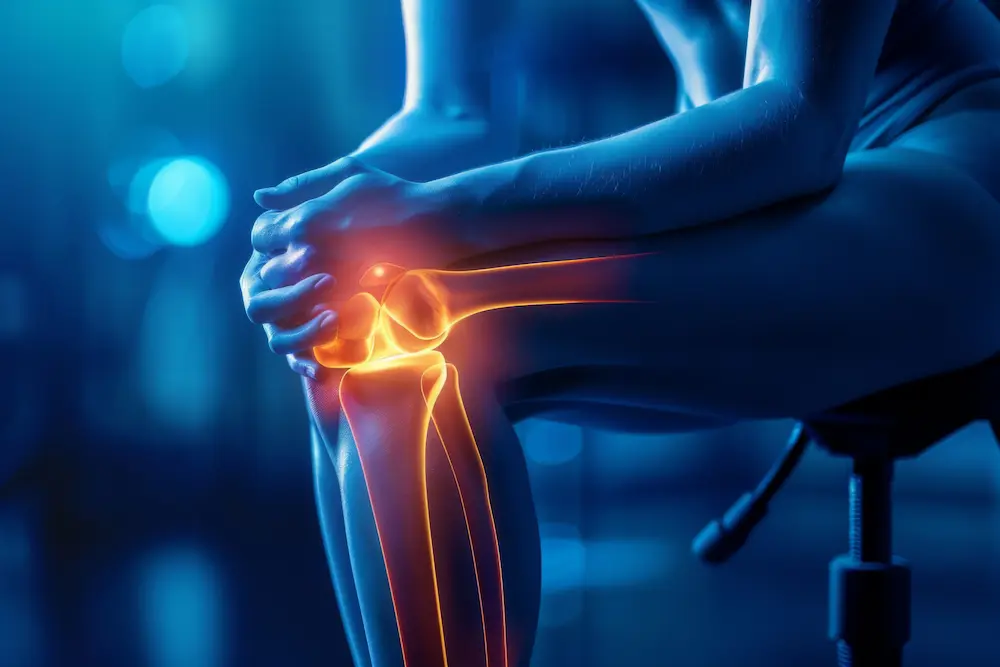
If you have been living with persistent knee pain, the kind that stops you from climbing stairs, getting up from a chair, or walking to the market without wincing, and your doctor has started talking about knee replacement surgery, you are probably feeling a mix of emotions.
Total knee replacement is one of the most successful operations in modern medicine. Globally, millions of people have undergone this surgery and gone on to live active, pain-free lives. For many patients, it is genuinely life-changing, the difference between being largely housebound by pain and being able to walk, travel, and do the things they love again.
But it is also a major surgical procedure, and you deserve to understand exactly what it involves, what the realistic outcomes look like, how the recovery works, and what you can do to get the best possible result.
By the time you finish reading this, you will have a clear and complete picture of knee replacement surgery from the first signs of joint damage all the way through to long-term life with a knee implant.
What is total knee replacement?
Total knee replacement, medically known as arthroplasty of the knee, or total knee arthroplasty, is a surgical procedure in which the damaged, worn surfaces of the knee joint are removed and replaced with artificial components made of metal, plastic, or ceramic.
To understand why this surgery exists, it helps to understand what the knee joint actually is.
Your knee is the largest joint in your body. It connects the thighbone (femur) above to the shinbone (tibia) below, with the kneecap (patella) sitting at the front. The ends of these bones are covered with a smooth, slippery substance called articular cartilage, which allows them to glide over each other without friction. Between the two main bones sits a thick pad of cartilage called the meniscus, which absorbs shock. Ligaments hold everything together and provide
stability.
When this cartilage wears away from arthritis, injury, or decades of use, the bones begin to rub directly against each other. That grinding of bone on bone is what causes the deep, relentless pain, stiffness, and swelling that characterizes advanced knee joint disease. No amount of medication, injections, or physiotherapy can restore cartilage that is gone. That is where knee replacement comes in.
During total knee replacement, the surgeon removes the damaged bone and cartilage surfaces from the lower end of the femur, the upper end of the tibia, and, in most cases, the back of the patella. These surfaces are then replaced with precisely shaped metal components on the femur and tibia, with a smooth plastic spacer between them to replicate the gliding surface of cartilage. The result is a joint that moves smoothly and painlessly.
What are the types of knee replacement?
Not every patient needs the same type of knee replacement surgery. The right procedure depends on how much damage is present in the knee joint and which part of the knee is affected.
Modern knee replacement treatment is highly personalized and designed to help reduce pain, improve movement, and restore quality of life.
- Total Knee Replacement (TKR): This is the most commonly performed knee replacement surgery. In a Total Knee Replacement, the damaged surfaces of the entire knee joint are replaced with artificial implants. Total knee replacement offers long-term pain relief and improved mobility for most patients.
It is usually recommended when:
- Arthritis affects the whole knee.
- Pain is severe.
- Walking and daily activities become difficult.
- Other treatments no longer provide relief.
- Partial Knee Replacement: Also called unicompartmental knee replacement. This procedure replaces only the damaged part of the knee instead of the entire joint. It may be suitable when:
- Arthritis is limited to one section of the knee.
- The rest of the knee joint is healthy.
Benefits may include:
- Smaller surgery.
- Faster recovery.
- More natural knee movement.
- Kneecap Replacement: This surgery replaces only the front part of the knee joint, including the kneecap area. It is usually recommended for patients who mainly experience:
- Pain while climbing stairs
- Difficulty getting up from chairs
- Pain during kneeling
- Bilateral Knee Replacement: Some people have severe arthritis in both knees. Your surgeon will decide the safest option based on your health and recovery capacity.
In bilateral knee replacement, both knees are replaced:
- Either during the same surgery
- Or in two separate operations
- Revision Knee Replacement: Sometimes an old knee implant may wear out, loosen, or develop complications over time. In such cases, revision knee replacement surgery is performed to replace or repair the previous implant. This is usually more complex than first-time knee replacement surgery.
What are the causes and risk factors?
Knee problems usually do not happen overnight. In most cases, the damage builds slowly over the years until everyday activities like walking, climbing stairs, or even getting up from a chair become painful. Understanding the causes of knee damage can help you recognize the problem early and protect your joints for the future.
Common Causes of Knee Replacement Surgery
- Osteoarthritis – The Most Common Cause: This is the leading reason people need knee replacement surgery. Over time, the protective cartilage inside the knee wears away, causing the bones to rub against each other. This leads to stiffness, swelling, and chronic knee pain.
- Rheumatoid Arthritis: This is an autoimmune disease where the body attacks its own joints. The continuous inflammation damages the knee joint and may eventually require total knee replacement.
- Post-Traumatic Arthritis: Old injuries can create long-term joint damage. Even after recovery, previous fractures, ligament tears, or sports injuries can slowly lead to arthritis years later.
- Avascular Necrosis: In this condition, the blood supply to part of the knee bone gets reduced or blocked. Without proper blood flow, the bone weakens and collapses, damaging the joint surface.
Factors That Increase the Risk of Severe Knee Damage
Your knees carry your body weight every single day. When the joint slowly wears down, even simple movements can become painful. The earlier you identify the cause of knee pain and joint damage, the better the chances of slowing the problem and avoiding severe disability later on.
Some people are more likely to develop advanced arthritis and need knee replacement treatment earlier.
- Age above 55: Joint cartilage naturally weakens with age.
- Excess body weight: Extra weight puts heavy pressure on the knees.
- Previous knee injury: Old sports injuries or fractures increase future risk.
- Family history of arthritis: Genetics can play a role.
- Physically demanding work: Frequent squatting, kneeling, or heavy lifting strains the knees.
- Weak muscles around the knee: Poor muscle support increases joint stress.
- Lack of physical activity: Stiff joints and weak muscles worsen knee problems over time.
What are the early signs of knee joint damage?
Most people ignore the early signs of knee damage, thinking it is “just age” or temporary strain. But your knees usually warn you long before the pain becomes severe. Recognizing these early symptoms of knee arthritis can help slow joint damage and delay the need for knee replacement surgery.
Early Signs of Knee Joint Damage
- Pain During Activity: One of the first signs is knee pain that starts during walking, climbing stairs, or standing for long hours and improves with rest. This usually means the joint cartilage is starting to wear down.
- Morning Stiffness: If your knee feels tight or stiff after waking up but improves within 20–30 minutes of movement, it may be an early sign of osteoarthritis.
- Grinding or Clicking Sounds: Hearing or feeling a grinding, crunching, or clicking sensation while bending the knee is common when the smooth cartilage starts thinning.
- Mild Swelling: Your knee may look slightly swollen after physical activity or by the end of the day. This happens because of inflammation inside the joint.
- Difficulty Bending the Knee: Simple movements like squatting, kneeling, sitting cross-legged, or climbing stairs may slowly become uncomfortable.
- Feeling of Weakness or Instability: Some people feel like the knee may “give way” while walking. This can happen when the joint becomes weak and unstable.
Do Not Ignore These Signs
Early treatment for knee joint pain can make a huge difference. Physiotherapy, weight management, exercise, medications, and lifestyle changes can often slow the progression of arthritis and protect your knee for years.
The biggest mistake many people make is waiting until the pain becomes constant. Your knees usually give warning signs first; listening to them early can help you avoid bigger problems later.
What are the symptoms and diagnosis of knee pain?
When knee arthritis becomes advanced, the pain is no longer something you feel only while walking or climbing stairs. It starts affecting your sleep, your daily routine, and even simple movements. This is the stage where many people begin considering knee replacement surgery because the joint damage has become severe.
Signs of Advanced Knee Arthritis
- Constant Knee Pain: In advanced arthritis, knee pain becomes continuous. It may hurt even while resting, sitting, or sleeping. Night pain is a strong sign of serious joint damage.
- Severe Stiffness: The knee becomes extremely stiff after sitting for a short time. Even getting up from a chair or bed may feel difficult and painful.
- Persistent Swelling: Unlike early arthritis, the swelling does not fully settle with rest. The knee may remain swollen, warm, and inflamed most of the time.
- Change in Knee Shape: As cartilage wears away unevenly, the knee may start bending inward or outward. Some people become bow-legged or knock-kneed over time.
- Difficulty in Daily Activities: Many patients also notice reduced mobility and loss of confidence while walking. Simple tasks become challenging.
- Walking short distances
- Climbing stairs
- Sitting cross-legged
- Using the toilet comfortably
- Standing for long periods
How Doctors Diagnose Severe Knee Arthritis
To understand the condition properly and plan the right knee treatment, doctors use a combination of tests and physical examinations.
- Clinical Examination: Your doctor checks the following:
- Swelling and tenderness.
- Knee movement and flexibility.
- Joint stability.
- Walking pattern and alignment.
- X-rays: X-rays are the most important test for diagnosing advanced knee joint damage. They show:
- Loss of joint space
- Bone rubbing on bone
- Bone spurs (osteophytes)
- Changes in knee alignment
- MRI Scan: An MRI gives a detailed picture of cartilage, ligaments, meniscus, and soft tissues. It is especially useful in younger patients or when the diagnosis is unclear.
- Blood Tests: Blood tests help rule out conditions like rheumatoid arthritis or other inflammatory joint diseases.
- Joint Fluid Test: If there is heavy swelling, doctors may remove fluid from the knee to check for the following:
- Infection
- Gout
- Inflammation
A Simple Reality About Advanced Knee Arthritis
When arthritis reaches this stage, the goal is not just reducing pain; it is helping you move comfortably again and improving your quality of life. The earlier you seek help for persistent knee pain symptoms, the more treatment options you usually have before surgery becomes necessary.
Non-Surgical treatment for knee pain
Not every patient with knee arthritis needs immediate surgery. In fact, many people can manage their knee pain successfully for years with the right non-surgical treatment and lifestyle changes. The goal is to reduce pain, improve movement, and slow further joint damage.
- Weight Loss – One of the Most Effective Treatments: Extra body weight puts continuous pressure on the knees. Even small weight loss can make a big difference.
- Losing just a few kilos can reduce stress on the knee joint.
- Helps reduce knee pain and stiffness.
- Improves walking and daily movement.
- Slows the progression of arthritis.
- Physiotherapy and Exercise: Strong muscles support the knee and reduce pressure on the joint. These improve flexibility, balance, and joint stability. Helpful activities include:
- Physiotherapy exercises.
- Walking on flat surfaces.
- Cycling.
- Swimming.
- Stretching and strengthening exercises.
- Medicines for Knee Pain Relief: Doctors may recommend medications depending on the severity of pain. Long-term use of painkillers should always be monitored by a doctor.
- Steroid Injections: It is not a permanent cure, but it can help delay surgery in some patients. A steroid injection inside the knee joint can reduce inflammation and provide temporary relief from severe knee joint pain.
- Helps reduce swelling.
- Makes movement easier.
- Relief may last weeks to months.
- Hyaluronic Acid Injections: These injections improve lubrication inside the joint and may help moderate arthritis. Results can vary from person to person. Some patients experience:
- Less pain.
- Better movement.
- Reduced stiffness.
- Supportive Devices Can Help: Simple changes in daily life can reduce stress on the knee. These can improve confidence while walking and reduce discomfort. Helpful options include:
- Knee braces or supports.
- Cushioned footwear.
- Walking stick for balance.
- Avoiding slippery surfaces.
- Modify Activities, Not Your Life: You do not have to stop moving completely. The key is avoiding activities that worsen joint damage. Low-impact activities are much safer for painful knees. Try to limit:
- Running.
- Jumping.
- Heavy lifting.
- Frequent stair climbing.
The Most Important Thing to Remember:
Early treatment of knee arthritis symptoms can delay or sometimes even prevent the need for knee replacement surgery. Small lifestyle changes done consistently often make a bigger difference than people expect.
Total knee replacement treatment options
When knee pain becomes constant and starts affecting your daily life, simple treatments like medicines, physiotherapy, injections, or lifestyle changes may no longer be enough. In such cases, knee replacement surgery becomes one of the most effective options for long-term pain relief and improved mobility.
Modern knee replacement procedures are safe, advanced, and designed to help patients return to a more active and comfortable life.
Pre-Surgery Evaluation
Before the surgery, doctors perform a complete health assessment to ensure your body is ready for the procedure. This helps reduce surgical risks and improves recovery. If you have conditions like diabetes, hypertension, or heart disease, they are stabilized before surgery.
Your evaluation may include:
- Blood tests
- ECG
- Chest X-ray
- Blood pressure and diabetes assessment
- Review of current medications
Anaesthesia During Surgery
The choice depends on your health condition and the anesthesiologist’s recommendation. Knee surgery is usually performed under the following conditions:
- General anaesthesia, where you remain asleep, or
- Spinal anaesthesia, where the lower body becomes numb
The Knee Replacement Procedure
During the procedure, the surgeon carefully removes the damaged cartilage and worn-out surfaces of the knee joint. These damaged parts are then replaced with artificial implant components that recreate smooth knee movement.
The main goal of knee replacement surgery is to reduce pain, improve walking ability, and restore joint function.
The surgery generally involves:
- Making an incision over the knee
- Removing damaged bone and cartilage
- Positioning the knee implant precisely
- Restoring proper knee alignment and movement
- Closing the wound with dressing support
What are the different types of knee implants?
Understanding the different types of knee implants can help patients feel more informed and confident before surgery. Your surgeon chooses the implant best suited to your condition and lifestyle needs.
Modern implants are commonly made using:
- Cobalt-chromium alloy for durability
- Titanium alloy for better bone compatibility
- Medical-grade polyethylene (plastic) for smooth joint movement
- Ceramic materials in selected patients
- Advanced oxidised zirconium materials for long-lasting performance
Different implant designs are selected based on:
- Age
- Bone quality
- Activity level
- Weight
- Severity of arthritis or joint damage
Knee Replacement Success Rate
The success rate of modern knee replacement surgery is extremely encouraging. Most patients experience major improvement in pain, mobility, and quality of life after surgery.
Studies show that:
- More than 90% of patients report significant pain relief.
- Most patients walk more comfortably after recovery.
- Modern implants often last 15–20 years or longer.
- Patient satisfaction after knee replacement remains very high.
Surgery is only one part of the journey. Proper physiotherapy, regular exercise, weight control, and following your doctor’s advice are equally important for achieving the best long-term results after knee replacement surgery.
Tips to Increase Knee Implant Life
Your knee implant is designed to last. But how you treat it and care for yourself plays a meaningful role in how long it continues to function well. Here is what you can do:
- Maintain a healthy body weight: This is the most important thing. Every extra kilogram of body weight adds disproportionate stress to the knee implant. Keeping your weight in a healthy range significantly extends implant life.
- Avoid high-impact activities: Running, jumping, and heavy-impact sports accelerate wear of the plastic bearing surface. Stick to low-impact exercise; walking, swimming, and cycling are ideal.
- Stay physically active: Regular low-impact activity keeps the muscles around the knee strong, which protects the implant from abnormal stress. A sedentary lifestyle is not good for your implant or your general health.
- Attend all follow-up appointments: Your surgeon will schedule regular check-ups typically at 6 weeks, 3 months, 1 year, and then every 1 to 2 years thereafter. These appointments include X-rays to check the implant’s position and look for early signs of loosening before they become serious problems.
- Prevent infection throughout your body: Any significant infection, such as a dental abscess, a urinary tract infection, or a skin infection, carries a small risk of bacteria reaching the implant through the bloodstream and causing a deep implant infection. Treat infections promptly and maintain good dental hygiene.
- Tell every doctor about your knee implant: Before any procedure, dental, medical, or surgical, inform the treating team. This includes your dentist, who may need to give you antibiotics before certain procedures.
- Take fall prevention seriously: A fall onto a replaced knee or any fall causing hip or leg trauma can damage the implant or surrounding bone. Good footwear, removing trip hazards at home, and keeping your balance and strength trained are all important.
Knee Replacement Recovery Time: What to Expect After Surgery
Recovering after knee replacement surgery is a gradual process that improves step by step with proper care, physiotherapy, and patience. Every patient heals differently, but most people notice steady improvement in pain, movement, and walking ability as recovery progresses.
These changes are temporary and improve with regular rehabilitation and movement. In the beginning, it is normal to experience the following:
- Mild pain and swelling.
- Stiffness around the knee.
- Difficulty walking comfortably.
- Tiredness after activity.
What helps in recovery after knee replacement?
Staying active safely is one of the most important parts of recovery. A successful knee replacement recovery depends on several important factors:
- Regular physiotherapy and exercises.
- Walking daily as advised by your doctor.
- Taking medicines on time.
- Maintaining a healthy weight.
- Controlling diabetes and blood pressure.
- Eating a healthy, protein-rich diet.
- Avoiding prolonged bed rest.
Physiotherapy Plays a Major Role
Physiotherapy is essential after a total knee replacement. Patients who stay consistent with exercises usually recover faster and regain better mobility. It helps:
- Improve knee movement.
- Build muscle strength.
- Reduce stiffness.
- Improve balance and walking confidence.
Recovery Is Different for Everyone
The important thing is gradual progress, not instant perfection. Some patients recover quickly, while others may take more time depending on the following:
- Overall fitness.
- Existing medical conditions.
- Severity of joint damage before surgery.
- Commitment to rehabilitation.
What Most Patients Experience After Recovery
Many people are able to return to normal routines, light exercise, travel, and social activities with much less pain than before surgery. With successful knee replacement surgery, many patients experience the following:
- Significant relief from chronic knee pain.
- Better walking ability.
- Improved sleep and daily comfort.
- Easier movement during daily activities.
- Better quality of life and independence.
Recovery after knee replacement takes time, effort, and consistency. There may be good days and difficult days during the healing process, but regular follow-up, physiotherapy, and proper care make a huge difference in long-term results.
What are the risks and complications of knee replacement?
Like every major surgery, knee replacement surgery also carries some risks. The good news is that serious complications are uncommon, and with proper care, most patients recover safely and return to a much more active and pain-free life.
Here are some possible risks and complications you should know about:
- Blood Clots: After knee replacement surgery, blood clots can sometimes form in the legs. This is called Deep Vein Thrombosis (DVT). In rare cases, the clot can travel to the lungs and become serious. To reduce this risk, doctors usually recommend the following:
- Blood-thinning medicines.
- Compression stockings.
- Early walking and movement.
- Good hydration.
- Infection: Infection after knee replacement is uncommon, but it can happen. The risk is usually low, around 1–2%. Keeping diabetes under control and following proper wound care instructions helps lower this risk significantly. Signs of infection may include:
- Redness around the wound.
- Swelling or warmth.
- Persistent pain or discharge.
- Knee Stiffness: Some patients may feel stiffness or difficulty bending the knee after surgery. This usually happens when scar tissue forms during healing. Regular physiotherapy and exercises are extremely important for:
- Better movement.
- Faster recovery.
- Improved flexibility.
- Implant Wear or Loosening: Modern knee implants are designed to last many years, often 15 to 20 years or more. But over time, the implant may slowly loosen or wear out, especially in very active patients. In such cases, a second procedure called revision knee replacement surgery may sometimes be needed.
- Nerve or Blood Vessel Injury: Rarely, nearby nerves or blood vessels can get affected during surgery. Most nerve-related symptoms, like numbness or tingling, improve gradually with time.
- Persistent Knee Pain: Most patients experience major relief from knee pain after surgery. However, a small number of people may continue to have mild discomfort or stiffness even after recovery. That is why following your recovery plan carefully is just as important as the surgery itself. This can happen because of:
- Delayed rehabilitation.
- Weak muscles.
- Pre-existing nerve pain.
- Incomplete physiotherapy.
Why choose Rama Hospital for knee replacement surgery?
Choosing the right team for your knee replacement surgery is one of the most important decisions you will make. Here is what to look for:
- Choose an experienced orthopedic surgeon for better results.
- Hospitals with dedicated joint replacement programs offer better recovery support.
- Advanced operation theaters and modern implants improve surgical outcomes.
- Good physiotherapy support helps you recover faster after knee replacement.
- Pre-surgery counseling helps patients feel more prepared and confident.
- Personalized treatment plans improve comfort and long-term mobility.
- Regular follow-up care is important for smooth knee replacement recovery.
- Early rehabilitation helps reduce stiffness and improves walking ability.
When to see a doctor for knee replacement surgery?
See an orthopedic doctor if you experience:
- Knee pain that is persistent and affecting your daily activities, walking, sleeping, or working.
- Morning stiffness that takes more than 30 minutes to ease.
- A grinding, creaking, or clicking sensation in the knee.
- Visible swelling of the knee that keeps returning.
- Knee deformity: Your leg appears bowed or knock-kneed compared to before.
- Non-surgical treatments that are no longer giving adequate relief.
- Knee pain that is waking you at night.
Frequently Asked Questions (FAQs)
Q1. How long does a knee replacement last?
Modern knee implants are highly durable. Studies show that over 85 to 90% of implants are still functioning well at 15 to 20 years after surgery. With advances in implant materials and surgical technique, many last significantly longer. Maintaining a healthy weight and avoiding high-impact activities are the most important things you can do to maximize longevity.
Q2. At what age is knee replacement recommended?
There is no strict age limit. Total knee replacement is recommended based on the severity of symptoms and the degree of joint damage, not age alone. Historically, surgeons were cautious about operating on younger patients due to implant longevity concerns. With modern implants lasting 20 years or more, the threshold has become more flexible. Patients in their 50s and 60s routinely undergo successful knee replacement surgery today.
Q3. Is knee replacement painful?
The surgery itself is performed under anesthesia, so you feel nothing during the procedure. Post-operative pain is real but very manageable with modern pain control. Nerve blocks, anti-inflammatory medications, and paracetamol combined are highly effective. Most patients are surprised by how manageable the pain is. The purpose of the surgery is ultimately to eliminate the chronic pain that has been affecting your life, and for the vast majority of patients, it succeeds.
Q4. Can both knees be replaced at the same time?
Yes. Simultaneous bilateral knee replacement is performed in appropriate candidates; it means one hospitalization, one recovery period, and a a faster overall return to function. However, it is a longer, more demanding operation and is generally recommended only for patients who are younger, fitter, and have no significant medical comorbidities. Your surgeon will assess whether this is appropriate for you.
Q5. What are the types of knee surgery other than total replacement?
Among the types of knee surgery available are partial (unicompartmental) knee replacement for isolated compartment disease, patellofemoral arthroplasty for isolated kneecap arthritis, arthroscopic procedures for meniscal tears and loose bodies, osteotomy (realigning the bone to shift load away from the damaged compartment) for younger patients with one-sided arthritis, and revision joint replacement for failed implants.
Q6. Can I kneel after knee replacement?
Kneeling is possible for most patients but can feel uncomfortable, not because it harms the implant but because of the soft tissue changes around the knee after surgery. Many patients manage to kneel with practice. Using a soft pad helps significantly.
Q7. Will I set off metal detectors at the airport?
Yes. The metal components of your knee implant will trigger airport metal detectors. Carry a card from your surgeon or hospital confirming your implant details. Security staff is familiar with this and will use a hand wand instead. This is a minor inconvenience, not a problem.
Q8. What is the difference between arthroplasty and knee replacement?
They are the same thing. Arthroplasty is the medical term for the surgical reconstruction or replacement of a joint. “Total knee replacement” and “total knee arthroplasty” both refer to the same procedure: replacing the damaged knee joint surfaces with artificial components. Your surgeon may use either term.