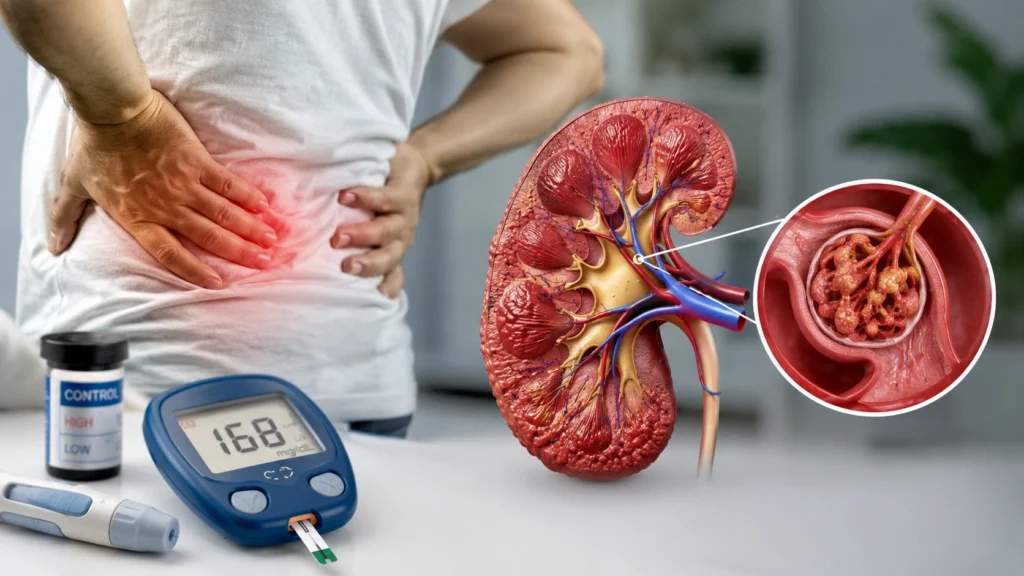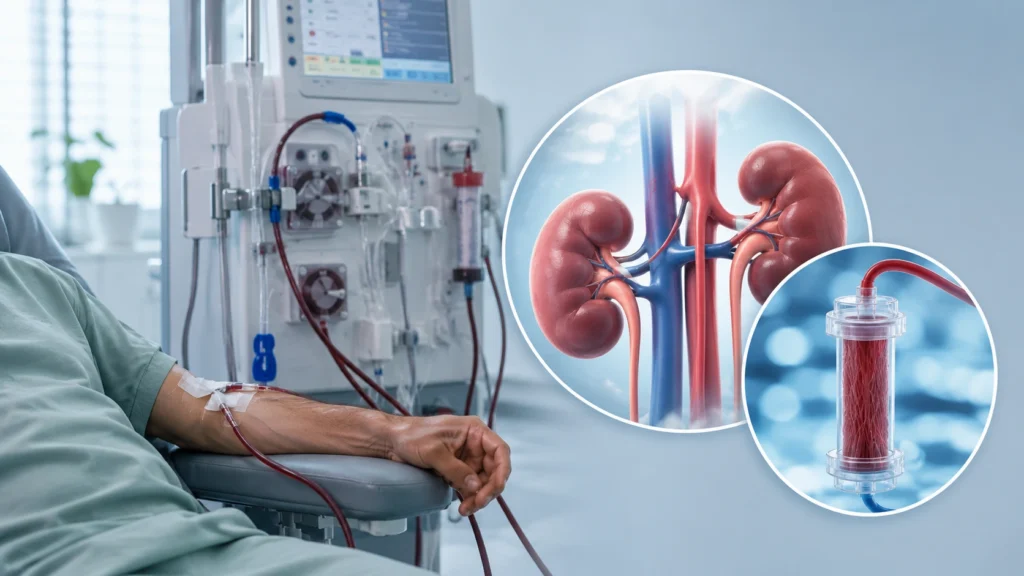
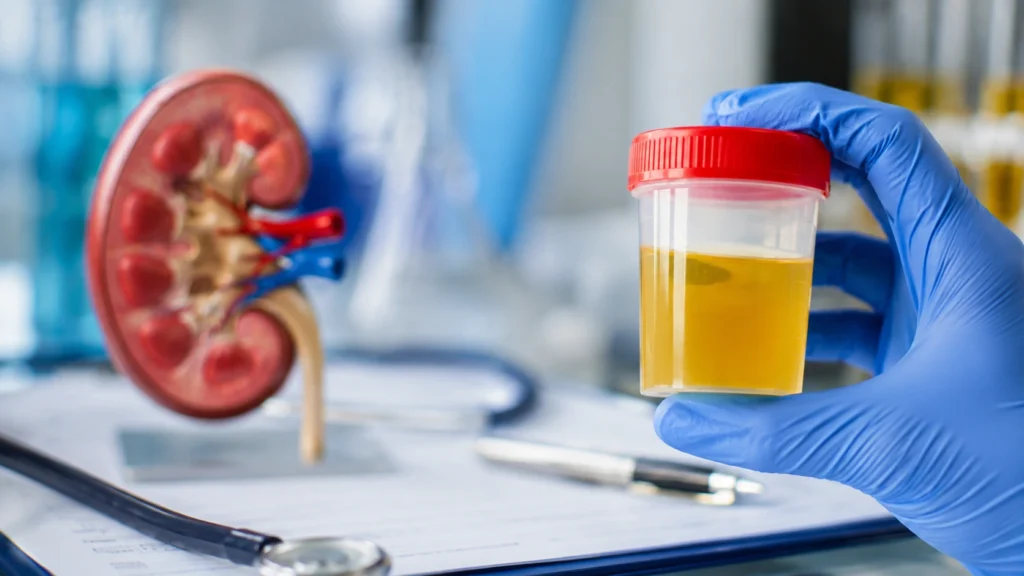
Proteinuria means there is too much protein in the urine. Normally, the kidneys filter waste products out of the blood while keeping important substances like protein inside the body. When the kidney filters are damaged or inflamed, protein can leak into the urine.
Many people with proteinuria do not notice any symptoms at first. The condition is often found during a routine urine test, a health check-up, or tests done for diabetes, high blood pressure, swelling, or chronic kidney disease. Because it may appear silently, proteinuria should never be ignored.
Proteinuria is not always a disease by itself. In many cases, it is a sign of an underlying medical problem. That is why the most important part of treatment is not only lowering protein in the urine, but also identifying the reason for the protein loss and treating that cause directly.
For some patients, proteinuria may be temporary and mild. For others, it may signal chronic kidney disease, diabetic kidney disease, glomerulonephritis, lupus nephritis, hypertension-related kidney damage, or another serious kidney condition. The amount of protein in the urine, the patient’s symptoms, the blood pressure, and the kidney function all help the doctor decide how serious the condition is.
Proteinuria is the medical term for excess protein in the urine. The most common protein found in urine is albumin. When albumin leaks into the urine, it may be called albuminuria, and this is often an early sign of kidney stress or kidney damage.
Healthy kidneys act like a filtering system. They keep proteins in the blood where they belong. If the kidney filters are injured, proteins can pass through and appear in the urine. The more protein that leaks out, the more likely it is that the kidney needs medical attention.
Proteinuria can be:
In a hospital setting, proteinuria is not treated as a simple lab abnormality. It is treated as a sign that may reflect early or advanced kidney disease, and it must be studied carefully.
Proteinuria management is needed for anyone who has protein in the urine on repeated testing, especially when the proteinuria is persistent or linked to another condition such as diabetes or hypertension.
You may need this treatment if you have:
Proteinuria management is also important for patients who already have a diagnosis such as diabetic nephropathy, hypertensive nephrosclerosis, IgA nephropathy, lupus nephritis, or glomerulonephritis. In these conditions, protein in the urine often reflects ongoing kidney injury and may worsen if not treated early.
Even if a patient feels healthy, persistent proteinuria should be taken seriously. In kidney care, early treatment can make a major difference.
Proteinuria happens when the kidney filters become damaged, inflamed, or overloaded. The cause may be temporary, but in many patients it is linked to chronic disease.
Common causes include:
Kidney-related causes
The most important causes are those that directly damage the kidney filters. Diabetes and hypertension are among the leading causes of chronic kidney damage, and both can lead to protein leakage in urine. Autoimmune diseases such as lupus or IgA nephropathy can also inflame the filters and increase protein loss.
Temporary causes
Not every case of proteinuria means permanent kidney damage. Temporary proteinuria may happen after intense exercise, fever, dehydration, emotional stress, or an acute illness. In these cases, the protein may go away after the body recovers.
Why the cause matters: Treatment depends on why the protein is present. A patient with temporary proteinuria may need repeat testing and observation, while a patient with diabetic kidney disease may need medication, diet control, and long-term nephrology follow-up. A patient with glomerular disease may need a kidney biopsy and specialist treatment.
Proteinuria is more likely when the kidneys are under long-term pressure or when another disease affects kidney function.
Major risk factors include:
When multiple risk factors are present together, the chance of kidney damage rises. That is why proteinuria screening is especially important in high-risk patients.
Proteinuria often causes no symptoms in the early stages. This is one of the reasons it is so important to check urine tests regularly in at-risk patients.
Common symptoms
Additional symptoms when kidney disease is present
If proteinuria is caused by kidney inflammation or kidney damage, the patient may also have:
Why symptoms can be missed?
People may assume swelling or tiredness is caused by something minor, especially if symptoms appear slowly. But persistent proteinuria can be an early warning sign of kidney disease long before major symptoms appear. That is why medical review is important even when symptoms seem mild.
Diagnosis starts with confirming that the protein in urine is real, persistent, and clinically meaningful.
Urine tests
Common tests include:
These tests help show how much protein is being lost and whether the proteinuria is mild or significant.
Blood tests
Doctors usually check:
These tests show how well the kidneys are working and whether the patient has diabetes, kidney inflammation, or other metabolic issues.
Imaging and additional tests
Depending on the cause, the doctor may also recommend:
These answers guide the treatment plan. The diagnosis helps answer key questions:
Proteinuria is more than just a test result. It is often a sign that the kidney filters are under attack.
Persistent proteinuria can mean:
This is why proteinuria management is considered a core part of kidney protection. The earlier it is treated, the better the long-term outlook.
Most patients do not need surgery for proteinuria. Treatment is usually based on controlling the cause, lowering the protein leak, and protecting kidney function.
Proteinuria treatment is not a single procedure. It is a structured medical pathway that begins with diagnosis and continues with long-term follow-up.
The doctor reviews symptoms, blood pressure, urine test results, kidney history, and family history. This first step helps determine whether the patient needs urgent kidney care.
The amount of protein in urine is checked with a urine test. The doctor may use spot tests or 24-hour urine collection depending on the situation.
The next step is to identify the cause of proteinuria. This may involve checking for diabetes, hypertension, kidney inflammation, infection, or other conditions.
Based on the diagnosis, the doctor begins treatment. This may include medication, diet changes, blood pressure control, and treatment of the underlying disorder.
If proteinuria does not improve, the treatment may be changed. The doctor may increase follow-up frequency, adjust medicines, or order further tests.
Urine protein, creatinine, eGFR, and blood pressure are monitored regularly to track response.
The long-term goal is to slow kidney damage, reduce risk of CKD progression, and maintain the best possible kidney function.
Treating proteinuria early brings major benefits for kidney health and overall health.
Main benefits
Why treatment works best early: The earlier proteinuria is treated, the more kidney function can often be preserved. Once kidney damage progresses, treatment becomes more difficult and the kidneys may lose more function over time.
If proteinuria is not treated, the underlying cause may continue to damage the kidneys.
Possible complications include:
Some treatments also require monitoring. For example, blood pressure medicines may affect kidney function or potassium levels, so regular follow-up is important.
Proteinuria is usually managed over the long term, so recovery means building habits that support kidney health.
Rama Hospital offers structured nephrology care for proteinuria, chronic kidney disease, diabetic kidney disease, hypertension-related kidney problems, and glomerular disease.
You should see a doctor if protein is found in your urine, even if you do not have symptoms. You should seek urgent medical attention if proteinuria is accompanied by severe swelling, breathlessness, very high blood pressure, or rapidly worsening kidney function.
See a doctor if you have:
Yes, proteinuria can be serious because it may be an early sign of kidney damage. Some cases are temporary, but persistent proteinuria often means the kidneys need medical attention. Early treatment can help protect kidney function and reduce complications.
Yes, proteinuria can often be treated or controlled. The treatment depends on the cause and may include blood pressure medicines, diabetes control, kidney-protective drugs, and diet changes. The goal is to reduce protein loss and slow kidney damage.
Not always. Proteinuria can happen temporarily after exercise, fever, or dehydration. But if it is persistent, it may point to kidney disease and should be evaluated by a doctor.
There is no single best medicine for every patient. Common medicines include ACE inhibitors or ARBs, and sometimes SGLT2 inhibitors or other specialist treatments depending on the cause. The right medicine depends on the patient’s kidney condition and overall health.
Diet can help as part of a complete treatment plan. Reducing salt, maintaining a healthy weight, and following kidney-friendly diet advice can support treatment. But diet alone is usually not enough if there is underlying kidney disease.
No, foamy urine is not always proteinuria, but it is a common warning sign. Repeated foamy urine should be checked with a urine test. A doctor can confirm whether the foam is due to protein loss or another reason.
Yes, diabetes is one of the most common causes of proteinuria. High blood sugar can damage the kidney filters over time, causing protein to leak into the urine. Good diabetes control is very important in such cases.
That depends on the cause and how severe it is. Some patients need follow-up every few months, while others may need more frequent monitoring. Your doctor will decide the schedule based on your condition and response to treatment.
Proteinuria is an important warning sign that should not be ignored. It may be the first clue that the kidneys are under stress from diabetes, high blood pressure, chronic kidney disease, or another kidney disorder. Even when symptoms are mild or absent, persistent protein in the urine needs proper medical evaluation.
With timely diagnosis and the right treatment, proteinuria can often be reduced and kidney function can be protected for longer. Effective management usually includes control of the underlying disease, blood pressure management, diabetes care, kidney-protective medicines, diet advice, and regular follow-up testing.
At Rama Hospital, proteinuria management is designed to be clear, patient-centered, and medically guided. The focus is on early intervention, long-term kidney protection, and better health outcomes for patients with protein in urine and related kidney problems.
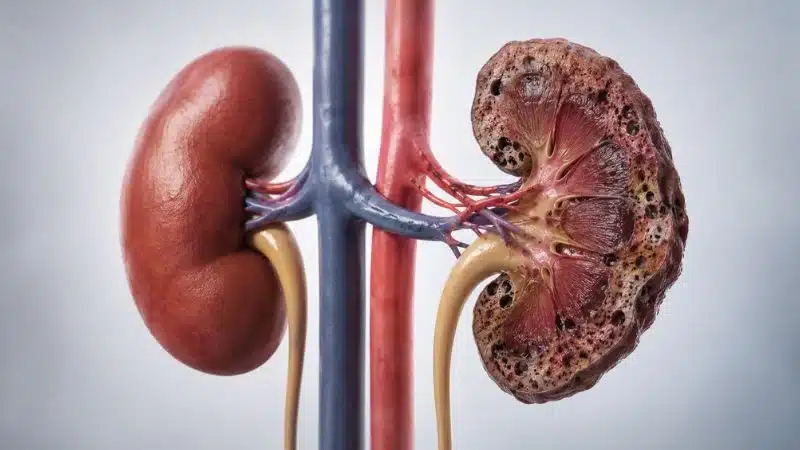
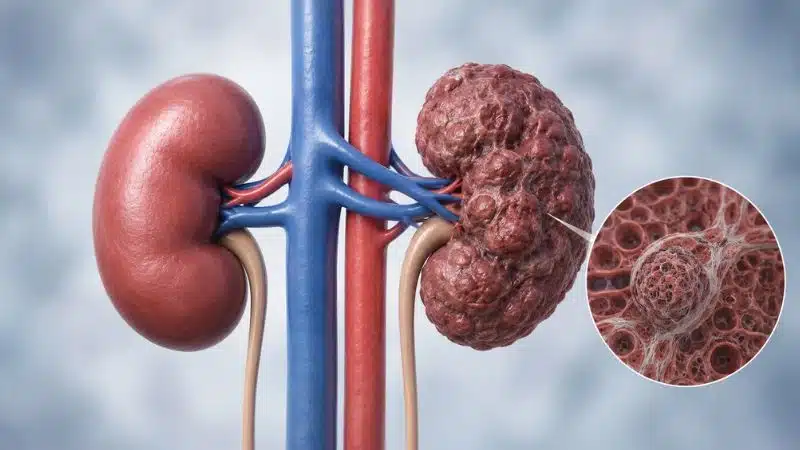
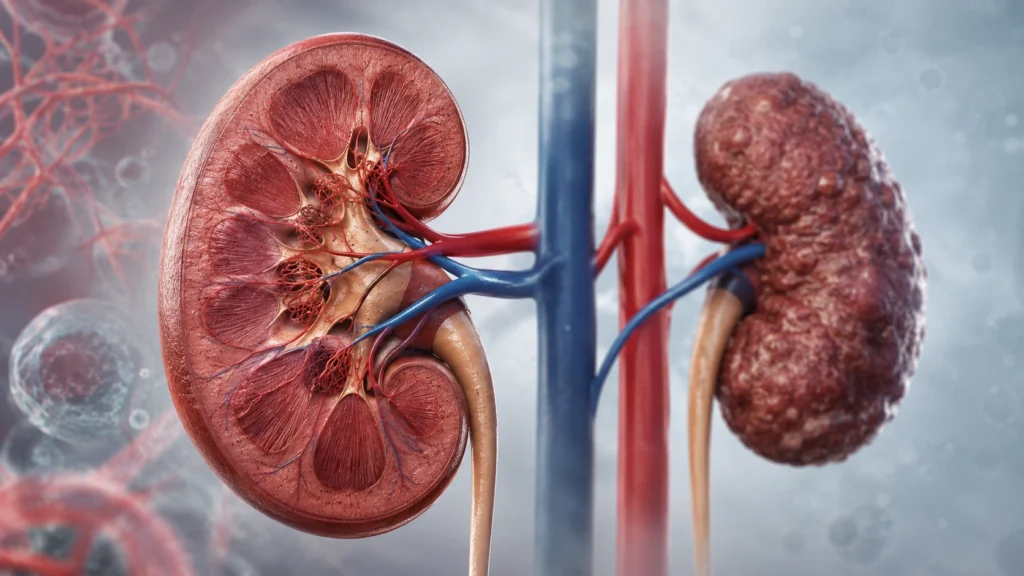
Protein in your urine (proteinuria) can be a sign that protein is getting past your kidneys’ filtration system and leaving your body in your pee.
No rows found.