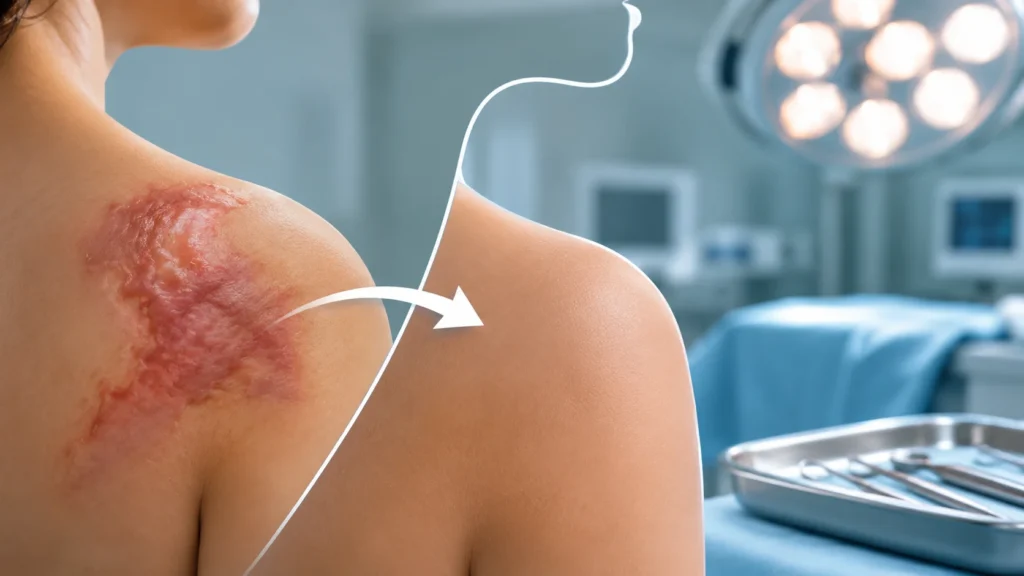
Burn injuries can affect the skin, muscles, tendons, and sometimes deeper structures of the body. After the initial burn has healed, many patients are left with scars, tightness, color changes, or difficulty moving certain parts of the body. This is where post-burn reconstruction becomes important. It is a specialized area of plastic and reconstructive surgery that focuses on improving function, appearance, and quality of life after a burn injury.
Post-burn reconstruction is not only about cosmetic improvement. In many cases, it is essential for restoring movement, reducing pain, and allowing patients to return to normal daily activities. For example, a burn scar around a joint can limit movement of the hand, elbow, knee, or neck. Reconstruction can release the tight scar tissue and improve function. In other cases, reconstruction helps improve the appearance of scars and boosts confidence.
What is Post-Burn Reconstruction?
Post-burn reconstruction is a branch of plastic and reconstructive surgery that focuses on repairing and improving the appearance and function of areas affected by burns. It is usually done after the acute burn has healed and the patient is stable.
The goal of reconstruction is not just to make scars look better. It also aims to:
- Restore movement in affected joints.
- Reduce tightness and contracture.
- Improve skin coverage.
- Correct deformities.
- Reduce pain and discomfort.
- Improve confidence and quality of life.
Reconstruction can involve simple scar treatments or more complex surgeries such as skin grafting, flap surgery, or tissue expansion. The choice of treatment depends on the severity of the burn, the location, and the patient’s overall health.
Types of Burns
Understanding the type and depth of burn helps guide reconstruction.
Based on depth
- First-degree burn, which affects only the outer layer of skin and usually heals without scarring.
- Second-degree burn, which affects deeper layers and may cause blisters and scarring.
- Third-degree burn, which affects all layers of skin and may require grafting.
- Fourth-degree burn, which affects deeper tissues such as muscle, tendon, or bone.
Based on cause
- Thermal burns from fire, hot liquids, or steam.
- Chemical burns from acids or alkalis.
- Electrical burns.
- Radiation burns.
- Friction burns.
Why depth matters
Deeper burns are more likely to cause scarring, contracture, and functional problems. They often need more complex reconstruction. Superficial burns may heal with minimal scarring but still benefit from scar care.
Types of Burn Scars
Burn scars can vary in appearance and impact.
Common types of burn scars
- Hypertrophic scars, which are raised, red, and thick.
- Keloid scars, which grow beyond the original wound area.
- Contracture scars, which tighten and restrict movement.
- Atrophic scars, which are depressed or sunken.
- Pigmented scars, which may be darker or lighter than surrounding skin.
Impact of scars
Scars can affect more than appearance. They can cause:
- Itching.
- Pain.
- Tightness.
- Restricted movement.
- Emotional distress.
- Difficulty with clothing or daily activities.
Goals of Post-Burn Reconstruction
The main goals of reconstruction are functional and aesthetic improvement.
Functional goals
- Release contractures that limit movement.
- Restore range of motion in joints.
- Improve hand function.
- Correct deformities of the face, neck, or limbs.
- Reduce pain and discomfort.
- Improve ability to perform daily activities.
Aesthetic goals
- Improve scar appearance.
- Restore skin color and texture.
- Reduce scar thickness.
- Improve contour and symmetry.
- Boost confidence and self-esteem.
Psychological goals
- Reduce emotional distress related to scars.
- Improve body image.
- Support social reintegration.
- Enhance overall quality of life.
Treatment Options for Post-Burn Reconstruction
Treatment depends on the type of scar, its location, and the patient’s goals.
1. Non-surgical scar management
For mild scars or early-stage scars, non-surgical treatments may help.
- Silicone gel sheets or gels to flatten and soften scars.
- Pressure garments to reduce scar thickness.
- Scar massage to improve flexibility.
- Laser therapy to reduce redness and improve texture.
- Steroid injections for thick or raised scars.
- Moisturizers and sun protection to improve skin health.
2. Skin grafting
Skin grafting involves taking healthy skin from another part of the body and placing it over the burn area.
- Split-thickness grafts use the upper layers of skin.
- Full-thickness grafts include more layers and are used for deeper burns.
- Grafts help cover large areas and improve healing.
- Donor site heals on its own over time.
3. Flap surgery
Flap surgery involves moving a section of skin, fat, and sometimes muscle from one area to another with its blood supply intact.
- Used for deeper burns or areas needing more bulk.
- Provides better coverage and blood supply than grafts.
- Can restore contour and function.
- More complex but often gives better long-term results.
4. Tissue expansion
Tissue expansion involves placing a balloon-like device under the skin near the burn area. Over time, the skin stretches and grows.
- Extra skin is then used to cover the scar or burn area.
- Useful for areas where matching skin is needed.
- Requires multiple visits over weeks or months.
5. Contracture release
Contracture release surgery involves cutting or removing tight scar tissue to improve movement.
- Common around joints such as fingers, elbows, knees, or neck.
- Often combined with skin grafting or flap surgery.
- Helps restore function and reduce discomfort.
6. Scar revision
Scar revision surgery improves the appearance of scars.
- May involve removing the scar and closing the wound in a better way.
- Can be combined with laser or other treatments.
- Best done after the scar has matured, usually 6 to 12 months after healing.
7. Laser and light treatments
Lasers can improve scar texture, color, and thickness.
- Fractional lasers improve texture.
- Vascular lasers reduce redness.
- Useful for both flat and raised scars.
- Often combined with other treatments.
Rehabilitation After Burn Injury
Rehabilitation is a key part of recovery and helps prevent complications.
Rehabilitation goals
- Maintain and improve range of motion.
- Prevent stiffness and contracture.
- Strengthen muscles.
- Improve daily function.
- Support emotional well-being.
Rehabilitation methods
- Physical therapy with stretching and strengthening exercises.
- Occupational therapy for hand and daily activity training.
- Splinting to maintain joint position.
- Pressure therapy to manage scars.
- Massage and scar mobilization.
- Psychological support for coping and confidence.
Why rehabilitation matters
Without proper rehabilitation, scars can tighten and limit movement. Early and consistent therapy helps maintain flexibility and improves long-term outcomes.
Recovery After Post-Burn Reconstruction
Recovery depends on the type of surgery and the extent of the burn.
Recovery after skin grafting
- Donor site may be sore for a few weeks.
- Grafted area needs protection and careful dressing.
- Full healing may take several weeks.
- Scar care begins after healing.
Recovery after flap surgery
- Longer recovery due to more complex surgery.
- Monitoring of blood supply to the flap.
- Gradual return to activity.
- Scar care and rehabilitation as needed.
Recovery after contracture release
- Immediate improvement in movement in many cases.
- Physical therapy starts early to maintain gains.
- Splinting may be needed to prevent re-tightening.
- Full recovery may take weeks to months.
General recovery tips
- Follow all post-operative instructions.
- Attend all follow-up visits.
- Keep the area clean and protected.
- Avoid sun exposure on healing skin.
- Be patient, as scar maturation takes time.
Possible Complications
Like any surgery, post-burn reconstruction has some risks.
Possible complications
- Infection.
- Bleeding.
- Poor graft or flap healing.
- Scar recurrence or thickening.
- Loss of graft or flap in rare cases.
- Stiffness or reduced movement.
- Allergic reaction to materials.
- Emotional stress during recovery.
How complications are managed
- Early detection through follow-up visits.
- Antibiotics or additional treatment if infection occurs.
- Revision surgery if needed.
- Rehabilitation to address stiffness.
- Psychological support for emotional challenges.
When to See a Doctor
Medical evaluation is important for anyone with burn scars that affect function or cause concern.
See a doctor if you have:
- Tight scars limiting movement.
- Scars that are painful, itchy, or growing.
- Scars affecting the face, hands, or joints.
- Recurrent breakdown or ulceration of scars.
- Emotional distress related to scars.
- Questions about treatment options.
Seek urgent care if you have:
- Signs of infection such as redness, warmth, or discharge.
- Sudden increase in pain.
- Loss of graft or flap tissue.
- Fever or feeling unwell.
Prevention of Burn Scars and Complications
While not all scars can be prevented, proper early care can reduce their severity.
Prevention pointers
- Seek immediate medical care for deep or large burns.
- Follow wound care instructions carefully.
- Use pressure garments as advised.
- Start rehabilitation early.
- Protect healing skin from sun exposure.
- Keep the area moisturized.
- Avoid picking at healing skin.
- Attend all follow-up visits.
For high-risk areas
- Extra care for burns on the face, hands, neck, or joints.
- Early involvement of plastic surgery team.
- Aggressive scar management to prevent contracture.
Why Choose Rama Hospital for Post-Burn Reconstruction?
Post-burn reconstruction requires expertise in plastic surgery, wound care, and rehabilitation. A hospital with experienced plastic surgeons and a multidisciplinary burn care team can provide comprehensive treatment.
Why hospital care matters
- Expert evaluation by plastic and reconstructive surgeons.
- Advanced surgical options including grafts, flaps, and tissue expansion.
- Comprehensive scar management.
- Rehabilitation support.
- Long-term follow-up and care.
Trust and authority points
- Experienced plastic surgery team.
- Modern technology for scar treatment.
- Personalized treatment plans.
- Patient education and support.
- Comprehensive care from acute burn to reconstruction.
Frequently Asked Questions (FAQs)
1. What is post-burn reconstruction?
Post-burn reconstruction is a type of plastic surgery that improves the function and appearance of areas affected by burns. It may involve scar treatment, skin grafting, flap surgery, or contracture release.
2. When is reconstruction needed after a burn?
Reconstruction is considered when scars cause tightness, limit movement, or affect appearance significantly. It is usually done after the burn has fully healed and the patient is stable.
3. Can burn scars be removed completely?
Burn scars cannot always be removed completely, but their appearance and impact can be improved significantly. Treatment options include scar revision, laser therapy, grafting, and flap surgery.
4. What is a burn contracture?
A burn contracture is a tight scar that restricts movement, often around joints such as fingers, elbows, or knees. Surgery can release the tight tissue and improve function.
5. What is skin grafting?
Skin grafting involves taking healthy skin from another part of the body and placing it over the burn area. It helps cover large wounds and improve healing.
6. What is flap surgery?
Flap surgery moves a section of skin, fat, and sometimes muscle with its blood supply to cover a burn area. It provides better coverage and is used for deeper burns.
7. How long does recovery take after reconstruction?
Recovery depends on the type of surgery. Skin grafting may take a few weeks, while flap surgery or contracture release may take longer. Rehabilitation is important for the best outcome.
8. Can scars come back after treatment?
Scars may change over time, and some thickening can recur. Regular follow-up, scar care, and rehabilitation help maintain results and prevent worsening.
Conclusion
Post-burn reconstruction is an important part of recovery for patients with significant burn scars. It goes beyond cosmetic improvement and focuses on restoring function, reducing discomfort, and improving quality of life. With advances in plastic surgery and rehabilitation, many patients achieve major improvements in movement, appearance, and confidence.
The most important steps are early evaluation, appropriate treatment selection, and consistent rehabilitation. For patients with tight scars, limited movement, or concerns about appearance, a plastic surgery evaluation can make a major difference. With the right care, patients can achieve better function and a more positive outlook after burn injury.
Rama Hospital can help evaluate post-burn scars, identify the best treatment options, and provide comprehensive care that supports recovery and long-term well-being.