Gastrectomy is a major surgical procedure in which part or all of the stomach is removed. It is usually done to treat stomach cancer, severe ulcers, bleeding, perforation, or other serious stomach conditions that cannot be managed with medicines or less invasive procedures. After gastrectomy, the digestive system is reconnected so that food can still pass from the esophagus to the small intestine.
This surgery changes the way a person eats and digests food. Patients need time to recover, adjust to smaller meal sizes, and often require vitamin and mineral supplements for the rest of their lives. While gastrectomy is a significant operation, it can be life-saving and can greatly improve quality of life when done for the right reasons.
What is Gastrectomy?
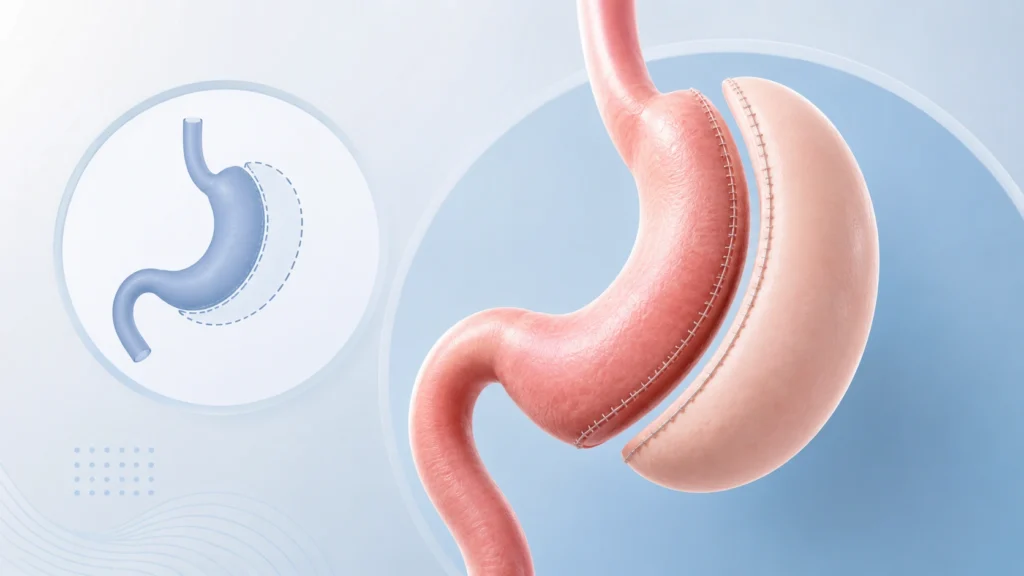
Gastrectomy is the surgical removal of part or all of the stomach. After the stomach is removed, the remaining digestive organs are reconnected so that food can still move through the digestive tract.
In a partial gastrectomy, only a portion of the stomach is removed. In a total gastrectomy, the entire stomach is removed, and the esophagus is connected directly to the small intestine. The type of gastrectomy depends on the disease, its location, and how much of the stomach needs to be removed.
Gastrectomy is a complex surgery that requires specialized surgical skills, anesthesia support, and post-operative care. It is usually performed by gastrointestinal surgeons or surgical oncologists in a hospital setting.
Why is Gastrectomy Done?
Gastrectomy is done when the stomach is severely diseased and cannot be treated with medicines or less invasive procedures.
Common indications for gastrectomy
- Stomach cancer or gastric cancer.
- Large or recurrent stomach ulcers that do not heal.
- Severe bleeding from the stomach that cannot be controlled.
- Perforation or hole in the stomach wall.
- Benign tumors or polyps that are high risk or causing symptoms.
- Severe obesity in selected cases, as part of bariatric surgery.
- Certain congenital or structural problems of the stomach.
- Complications from previous stomach surgeries.
Why surgery is needed: In conditions like stomach cancer, removing the affected part of the stomach is often the best chance for cure or long-term control. In severe ulcers or bleeding, surgery may be needed to prevent life-threatening complications. When medicines and endoscopic treatments fail, gastrectomy becomes the next option.
Types of Gastrectomy
Gastrectomy can be classified based on how much of the stomach is removed and how the digestive tract is reconstructed.
Partial gastrectomy
- Only part of the stomach is removed.
- The remaining stomach is connected to the small intestine.
- Often done for ulcers, tumors in one part of the stomach, or early cancers.
- Preserves some stomach function and capacity.
Total gastrectomy
- The entire stomach is removed.
- The esophagus is connected directly to the small intestine.
- Done for advanced or widespread stomach cancer.
- Requires more significant dietary and lifestyle adjustments.
Subtotal gastrectomy
- A larger portion of the stomach is removed, but not all.
- Often used for cancers in the lower part of the stomach.
- Some stomach function is preserved.
Proximal gastrectomy
- The upper part of the stomach is removed.
- The remaining lower stomach is connected to the esophagus.
- Used for tumors in the upper stomach.
Reconstruction methods
- Billroth I reconstruction, where the remaining stomach is connected to the duodenum.
- Billroth II reconstruction, where the remaining stomach is connected to a higher part of the small intestine.
- Roux-en-Y reconstruction, commonly used after total gastrectomy, where the esophagus is connected to a limb of the small intestine.
Pre-Operative Preparation
Proper preparation before gastrectomy helps reduce risks and improves recovery.
Medical evaluation
- Detailed history and physical examination.
- Blood tests to check anemia, infection, and organ function.
- Imaging tests such as CT scan, MRI, or endoscopic ultrasound.
- Endoscopy to visualize the stomach and take biopsies.
- Heart and lung evaluation to ensure fitness for surgery.
- Nutritional assessment to identify any deficiencies.
Lifestyle and medication adjustments
- Stop smoking well before surgery to improve healing.
- Limit or stop alcohol as advised.
- Inform the doctor about all medicines, especially blood thinners.
- Follow fasting instructions before surgery.
- Take prescribed pre-operative medicines as directed.
Patient education
- Understand the type of gastrectomy planned.
- Discuss risks, benefits, and alternatives.
- Learn about expected hospital stay and recovery.
- Prepare for dietary changes after surgery.
- Arrange support at home for the initial recovery period.
Surgical Procedure
Gastrectomy is performed under general anesthesia. The surgeon may use an open approach with a large incision or a minimally invasive approach with small incisions and a camera.
Steps in the procedure
- Anesthesia is given to ensure the patient is asleep and pain-free.
- An incision is made in the abdomen, or small ports are placed for laparoscopic surgery.
- The stomach is carefully separated from surrounding organs and blood vessels.
- The diseased part of the stomach is removed along with nearby lymph nodes if cancer is present.
- The remaining digestive organs are reconnected to restore the food passage.
- Drains may be placed to remove excess fluid.
- The incision is closed with sutures or staples.
Duration and hospital stay
- The surgery may take several hours depending on complexity.
- Hospital stay is usually several days to a week or more.
- Intensive care monitoring may be needed initially.
Risks and Complications
Like any major surgery, gastrectomy carries risks. Most patients do well, but complications can occur.
General surgical risks
- Bleeding during or after surgery.
- Infection at the incision site or inside the abdomen.
- Blood clots in the legs or lungs.
- Reaction to anesthesia.
- Heart or lung complications.
Gastrectomy-specific risks
- Leakage at the connection site between organs.
- Narrowing at the connection causing difficulty in swallowing or vomiting.
- Delayed emptying of food from the remaining stomach or intestine.
- Reflux of bile or intestinal contents into the esophagus.
- Hernia at the incision site.
- Injury to nearby organs such as the spleen, pancreas, or liver.
Long-term complications
- Weight loss and difficulty gaining weight.
- Vitamin and mineral deficiencies.
- Anemia due to iron or vitamin B12 deficiency.
- Bone weakness due to calcium and vitamin D deficiency.
- Dumping syndrome, where food moves too quickly into the intestine.
- Chronic diarrhea or constipation.
- Need for lifelong supplements and dietary adjustments.
Recovery After Gastrectomy
Recovery takes time and varies from person to person. Early movement, proper pain control, and gradual diet advancement are key.
Hospital recovery
- Monitoring in the recovery room or intensive care initially.
- Pain management with medicines.
- Breathing exercises to prevent lung complications.
- Early walking to reduce clot risk and improve recovery.
- Gradual introduction of fluids and soft foods.
- Removal of drains and tubes as healing progresses.
Home recovery
- Rest and gradual increase in activity.
- Wound care as instructed.
- Watching for signs of infection or complications.
- Taking prescribed medicines regularly.
- Attending follow-up appointments.
Timeframe for recovery
- Many patients feel significantly better within four to six weeks.
- Full recovery and adjustment may take several months.
- Return to work depends on the type of work and individual recovery.
Diet After Gastrectomy
Diet is one of the most important parts of recovery and long-term health after gastrectomy.
Early diet stages
- Clear liquids initially, such as water, broth, or diluted juices.
- Progress to full liquids such as soups, yogurt, or milk-based drinks.
- Then soft foods such as mashed potatoes, well-cooked vegetables, or soft rice.
- Finally, gradual introduction of regular textured foods as tolerated.
Long-term dietary principles
- Eat small, frequent meals instead of large meals.
- Chew food thoroughly and eat slowly.
- Avoid very sugary foods to reduce dumping syndrome.
- Include protein-rich foods to support healing and maintain strength.
- Drink fluids between meals rather than with meals to avoid feeling too full.
- Avoid lying down immediately after eating to reduce reflux.
Foods to emphasize
- Lean proteins such as eggs, fish, chicken, or paneer.
- Soft-cooked vegetables.
- Well-cooked grains such as rice or oats.
- Dairy or dairy alternatives if tolerated.
- Healthy fats in small amounts.
Foods to limit or avoid
- Very sugary foods and drinks.
- Fried or fatty foods.
- Very spicy or irritating foods.
- Carbonated beverages.
- Large portions or eating too quickly.
Vitamin and Mineral Supplementation
After gastrectomy, the body may not absorb certain nutrients as well as before.
Common supplements needed
- Vitamin B12, often given as injections or high-dose oral supplements.
- Iron supplements to prevent anemia.
- Calcium and vitamin D for bone health.
- Multivitamins to cover other potential deficiencies.
- Additional supplements based on blood test results.
Why supplements are important
- The stomach helps absorb iron and vitamin B12.
- Without a stomach or with a reduced stomach, absorption is impaired.
- Long-term deficiency can cause anemia, nerve problems, or bone weakness.
- Regular blood tests guide the need for supplementation.
Lifestyle Changes After Gastrectomy
Gastrectomy requires long-term lifestyle adjustments to maintain health and quality of life.
Eating habits
- Plan meals and snacks throughout the day.
- Carry small snacks if needed.
- Avoid skipping meals.
- Keep a food diary to identify tolerated foods.
Activity and exercise
- Start with light walking and gradually increase activity.
- Avoid heavy lifting in the early weeks.
- Engage in regular moderate exercise as advised.
- Maintain a healthy weight without extreme dieting.
Emotional and social support
- Accept that eating will be different than before.
- Seek support from family, friends, or support groups.
- Discuss concerns with the medical team.
- Address anxiety or depression if it arises.
Long-Term Follow-Up
Regular follow-up is essential after gastrectomy to monitor health and detect any problems early.
Follow-up schedule
- Regular visits with the surgeon or gastroenterologist.
- Periodic blood tests to check for anemia and nutrient levels.
- Imaging or endoscopy if cancer was the reason for surgery.
- Bone density testing in selected patients.
- Ongoing nutritional counseling.
Monitoring for complications
- Watch for signs of anemia such as fatigue or pallor.
- Report persistent vomiting, difficulty swallowing, or severe reflux.
- Inform the doctor about significant weight loss or weakness.
- Seek care for bone pain or frequent fractures.
Why Choose Rama Hospital for Gastrectomy Care?
Gastrectomy is a complex surgery that requires experienced surgeons, advanced facilities, and comprehensive post-operative care. A hospital with a dedicated gastrointestinal surgery team can make a major difference in outcomes.
- Expert evaluation by gastrointestinal and surgical oncology specialists.
- Advanced laparoscopic and open surgical options.
- Comprehensive pre-operative assessment and optimization.
- Intensive care and ward support for safe recovery.
- Dietician and nutrition support for post-gastrectomy care.
- Long-term follow-up for cancer surveillance and nutritional management.
Frequently Asked Questions (FAQs)
Can a person live without a stomach?
Yes, a person can live without a stomach. After total gastrectomy, the esophagus is connected directly to the small intestine. Patients need to eat small, frequent meals and take vitamin supplements, but many live full and active lives.
How long is the hospital stay after gastrectomy?
Hospital stay varies but is usually several days to a week or more. It depends on the type of surgery, recovery progress, and any complications. Some patients may need a longer stay for monitoring and diet advancement.
What can I eat after gastrectomy?
Initially, only liquids and soft foods are allowed. Over time, patients can eat small, frequent meals of well-cooked, easy-to-digest foods. Long-term, the focus is on protein-rich foods, vegetables, and grains, while avoiding very sugary or large meals.
Will I need vitamin supplements after surgery?
Yes, most patients need lifelong vitamin and mineral supplements, especially vitamin B12, iron, calcium, and vitamin D. Regular blood tests help guide the type and dose of supplements needed.
Is gastrectomy a cure for stomach cancer?
Gastrectomy is often a key part of curative treatment for stomach cancer, especially when the cancer is localized. Additional treatments such as chemotherapy or radiation may also be needed depending on the stage and type of cancer.
How long does it take to recover fully?
Many patients feel significantly better within four to six weeks, but full recovery and adjustment can take several months. Long-term dietary and lifestyle changes are part of the recovery process.
Conclusion
Gastrectomy is a major but often life-saving surgery for serious stomach conditions such as cancer, severe ulcers, or complications. It changes the way a person eats and digests food, requiring adjustments in diet, lifestyle, and long-term supplementation. With proper surgical care, nutrition support, and follow-up, most patients can recover well and maintain a good quality of life.
The most important steps are choosing an experienced surgical team, following pre- and post-operative instructions carefully, and committing to long-term nutritional and medical follow-up. For patients facing gastrectomy, understanding the procedure, risks, and recovery process can reduce anxiety and improve outcomes.
Rama Hospital can provide expert gastrectomy care, from pre-operative evaluation to surgery, recovery, diet planning, and long-term follow-up, ensuring comprehensive support for patients and their families.