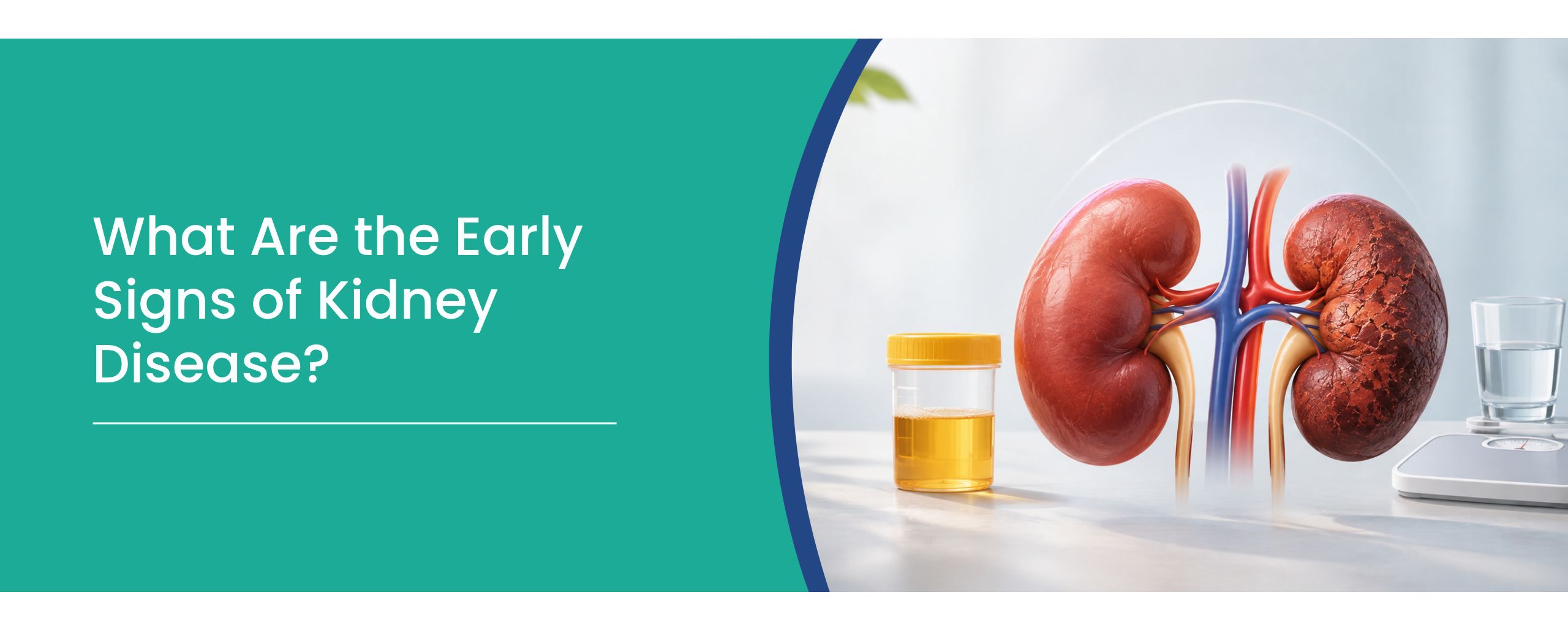
Your kidneys work quietly every day to keep your body healthy. They filter waste products from the blood, remove excess fluid, balance minerals and electrolytes, and help regulate blood pressure. Despite performing these essential functions, kidney problems can develop without noticeable symptoms for a long time.
This is why recognising the early signs of kidney disease and understanding when to get tested are important for protecting your long-term health.
Many people associate kidney problems with severe back pain, difficulty urinating or swelling. However, chronic kidney disease (CKD) often develops gradually and may not cause obvious symptoms during its early stages. In some cases, a routine blood or urine test is the first indication that something is wrong.
The early signs of kidney disease may include persistent changes in urination, foamy urine, unexplained fatigue, swelling around the ankles or face, and difficulty controlling blood pressure. However, these symptoms can also occur because of other health conditions, so they should not be considered proof of kidney disease.
What Is Kidney Disease?
Kidney disease refers to a condition in which the kidneys become damaged or lose some of their ability to function properly.

Healthy kidneys perform several important functions:
- Remove waste products and excess fluid from the blood.
- Maintain the body’s electrolyte balance.
- Help regulate blood pressure.
- Support red blood cell production.
- Maintain healthy bones by regulating minerals and activating vitamin D.
When the kidneys become damaged, waste products and excess fluid may gradually accumulate in the body.
Chronic kidney disease occurs when kidney abnormalities or reduced kidney function persist for at least three months. It can develop because of diabetes, high blood pressure, inherited conditions, kidney inflammation or other underlying problems.
One of the most concerning aspects of CKD is that the early signs of kidney disease may be difficult to recognise without medical testing.
What Are the Early Signs of Kidney Disease?
Kidney disease does not always cause symptoms during its initial stages. However, certain changes in your body may indicate that your kidneys need medical attention.
Understanding the early signs of kidney disease can help you recognise concerning changes and seek evaluation before complications develop.
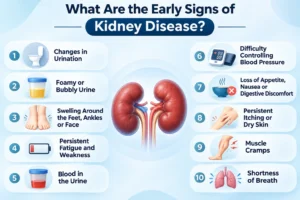
1. Changes in Urination
Changes in your usual urination pattern can sometimes indicate a kidney or urinary tract problem.
You may notice:
- Urinating more frequently than usual.
- Needing to urinate several times during the night.
- Passing significantly less urine than normal.
- Changes in urine colour.
- Difficulty urinating or discomfort during urination.
Increased nighttime urination, also called nocturia, may occur in people with kidney disease because the kidneys have difficulty concentrating urine.
However, changes in urination can also result from diabetes, urinary tract infections, prostate enlargement, medications or other conditions.
Persistent or unexplained changes should be evaluated by a healthcare professional.
2. Foamy or Bubbly Urine
Foamy urine is one of the possible early signs of kidney disease, particularly when it occurs repeatedly.
The kidneys contain tiny filtering structures called glomeruli. These filters normally prevent significant amounts of protein from escaping into the urine.
When the filters become damaged, protein may leak into the urine. This condition is known as proteinuria.
Excess protein can make urine appear unusually foamy or bubbly.
Occasional bubbles can be normal, especially when urine enters the toilet quickly. However, persistent foaminess should not be ignored.
A doctor may recommend a urine protein test or urine albumin-to-creatinine ratio (UACR) to determine whether protein is leaking into the urine.
3. Swelling Around the Feet, Ankles or Face
Swelling, medically known as oedema, may develop when the kidneys cannot remove excess fluid effectively or when protein loss contributes to fluid accumulation.
You may notice:
- Swollen ankles after standing for long periods.
- Puffiness around the eyes, particularly in the morning.
- Swelling in the feet or lower legs.
- Tightness in footwear.
- Sudden or unexplained weight gain due to fluid retention.
Persistent swelling can be associated with kidney disease, but it may also result from heart problems, liver disease, venous circulation issues or certain medications.
If swelling is accompanied by breathlessness, chest discomfort or rapidly worsening symptoms, seek urgent medical evaluation.
4. Persistent Fatigue and Weakness
Feeling tired occasionally is normal. However, persistent fatigue that does not improve with adequate sleep may deserve attention.
Healthy kidneys help produce erythropoietin, a hormone that supports red blood cell production.
When kidney function declines, the body may produce less of this hormone, potentially contributing to anaemia.
Anaemia reduces the amount of oxygen carried by the blood and may cause:
- Persistent tiredness.
- Weakness.
- Difficulty concentrating.
- Reduced exercise tolerance.
- Pale skin.
- Breathlessness during physical activity.
Fatigue is a common symptom of many health conditions. It should not automatically be attributed to kidney disease, but unexplained or persistent tiredness warrants medical assessment.
5. Blood in the Urine
Blood in the urine is known medically as haematuria.
Urine may appear pink, red, brown or tea-coloured when blood is present. Sometimes, blood is detectable only through laboratory testing.
Possible causes include:
- Kidney disease.
- Kidney stones.
- Urinary tract infections.
- Bladder conditions.
- Prostate-related problems.
- Certain medications.
Blood in the urine should always be evaluated because it can indicate a condition that requires treatment.
Although haematuria can occur with kidney disease, it is not specific to kidney damage.
If you notice visible blood in your urine, arrange a medical assessment promptly.
6. Difficulty Controlling Blood Pressure
The kidneys play an important role in regulating blood pressure by controlling fluid balance and releasing hormones.
When kidney function becomes impaired, blood pressure may rise. At the same time, uncontrolled hypertension can damage the blood vessels inside the kidneys.
This creates a cycle in which kidney disease and high blood pressure can worsen each other.
People with hypertension should monitor their blood pressure regularly and discuss kidney screening with their doctor.
If your blood pressure remains high despite prescribed medication, your healthcare professional may consider evaluating your kidney function.
7. Loss of Appetite, Nausea or Digestive Discomfort
As kidney disease progresses, waste products may accumulate in the bloodstream.
This can contribute to symptoms such as:
- Reduced appetite.
- Nausea.
- Vomiting.
- An unpleasant taste in the mouth.
- Unintentional weight loss.
These symptoms are generally more associated with advanced kidney dysfunction than with early-stage CKD.
Persistent digestive discomfort should not be ignored, especially when it occurs alongside swelling, fatigue or changes in urination.
8. Persistent Itching or Dry Skin
Kidney disease can affect the balance of minerals and waste products in the body.
In more advanced stages, these changes may contribute to persistent itching, dry skin or discomfort.
Itching can also be caused by allergies, dermatological conditions, medication reactions and other health problems.
If itching is persistent, widespread or accompanied by other concerning symptoms, consult a healthcare professional.
9. Muscle Cramps
Some people with kidney disease experience muscle cramps, particularly in the legs.
These may be associated with changes in fluid balance, electrolyte levels or other complications of kidney dysfunction.
Muscle cramps can also result from dehydration, exercise, medications or nutritional deficiencies.
Repeated or unexplained cramps may warrant an evaluation, particularly if you have diabetes, hypertension or a known kidney condition.
10. Shortness of Breath
Shortness of breath can occur in advanced kidney disease when excess fluid accumulates in the body and affects the lungs.
Anaemia may also contribute to breathlessness.
However, breathing difficulties can indicate serious heart, lung or other medical conditions. Sudden or severe shortness of breath requires immediate medical attention.
It should never be assumed to be a routine symptom of kidney disease.
Can Kidney Disease Develop Without Symptoms?
Yes. In fact, this is one of the most important things to understand about kidney health.
Many people with early chronic kidney disease feel completely normal.
The kidneys have considerable functional reserve, which means they can continue performing essential functions even when some damage has occurred.
This explains why the early signs of kidney disease may not be noticeable until the condition becomes more advanced.
A person may have:
- Normal energy levels.
- No swelling.
- No pain.
- Normal urination.
- No obvious changes in daily activities.
Despite feeling healthy, laboratory tests may reveal reduced kidney function or protein in the urine.
This is why routine screening is especially important for people with diabetes, high blood pressure, cardiovascular disease or a family history of kidney disease.
What Causes Kidney Disease?
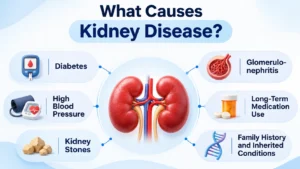
Kidney disease can develop because of several medical conditions, lifestyle factors and inherited disorders.
Diabetes
Diabetes is one of the leading causes of chronic kidney disease.
Persistently elevated blood glucose levels can damage the small blood vessels and filtering structures inside the kidneys.
Over time, this may lead to diabetic kidney disease.
People with diabetes should discuss regular kidney screening with their healthcare provider, even if they feel healthy.
High Blood Pressure
Hypertension can damage the blood vessels supplying the kidneys.
Reduced blood flow and damage to the kidney’s filtering structures can gradually affect kidney function.
Controlling blood pressure is an important part of preventing and managing kidney disease.
Kidney Stones
Kidney stones are hard deposits that develop when minerals and salts accumulate in the urinary system.
Some stones may pass without intervention, while others can obstruct urine flow and cause complications.
Repeated kidney stones, urinary obstruction or infections may contribute to kidney damage in certain circumstances.
People experiencing severe flank pain, blood in the urine or difficulty urinating should seek medical assessment.
If you are looking for kidney specialist in noida, consult a qualified urologist for an evaluation and treatment plan based on the stone’s size, location and associated complications.
Glomerulonephritis
Glomerulonephritis refers to inflammation of the kidney’s filtering structures.
It may develop because of infections, autoimmune conditions or other disorders.
Symptoms may include blood in the urine, proteinuria, swelling and changes in kidney function.
Long-Term Medication Use
Some medicines can affect kidney function, particularly when used excessively or in people with existing kidney problems.
Examples include certain non-steroidal anti-inflammatory drugs (NSAIDs), such as ibuprofen and naproxen.
Never stop prescribed medication without consulting your doctor. Instead, discuss the risks and appropriate alternatives.
Family History and Inherited Conditions
Some kidney diseases are inherited.
A family history of kidney failure, polycystic kidney disease or other genetic kidney conditions may increase your risk.
If kidney disease runs in your family, ask your healthcare provider whether screening is appropriate.
Who Is at a Higher Risk of Kidney Disease?

Although kidney disease can affect anyone, some people have a higher likelihood of developing it.
You may need regular kidney screening if you have:
- Diabetes.
- High blood pressure.
- Heart disease.
- A family history of kidney disease.
- Previous acute kidney injury.
- Recurrent kidney stones.
- Obesity.
- Certain autoimmune disorders.
- Long-term use of medicines that may affect kidney function.
People with these risk factors should not wait for the early signs of kidney disease to appear before discussing screening.
Your doctor can recommend an appropriate testing schedule based on your medical history.
Which Tests Detect Kidney Disease Early?
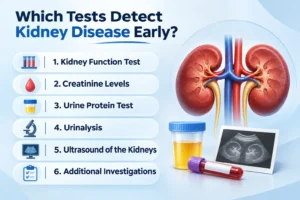
Kidney disease is usually diagnosed through blood tests, urine tests and, when needed, imaging investigations.
The early signs of kidney disease may be detected through routine screening even before noticeable symptoms develop.
1. Kidney Function Test
A kidney function test helps assess how effectively your kidneys filter waste products from the blood.
A typical evaluation may include serum creatinine, blood urea and estimated glomerular filtration rate (eGFR).
Creatinine is a waste product produced by normal muscle activity. Healthy kidneys remove most creatinine from the bloodstream.
When kidney filtration decreases, creatinine may increase.
However, creatinine levels can also be influenced by muscle mass, age, medications and other factors.
2. Creatinine Levels
Creatinine levels are commonly used to assess kidney function.
A higher-than-expected creatinine result may indicate reduced kidney filtration, but it does not establish a diagnosis on its own.
The interpretation depends on:
- Age.
- Sex.
- Muscle mass.
- Previous test results.
- Hydration status.
- Medications.
- Overall medical history.
Your doctor may calculate eGFR using creatinine and other patient-specific information.
A single abnormal result does not automatically mean chronic kidney disease. Doctors usually consider repeat measurements, clinical findings and evidence of persistent kidney damage.
3. Urine Protein Test
A urine protein test checks whether protein is leaking into the urine.
Healthy kidneys generally retain most proteins in the bloodstream.
When kidney filters become damaged, albumin and other proteins may pass into the urine.
A urine albumin-to-creatinine ratio (UACR) is commonly used to detect albuminuria.
Persistent protein in the urine can be an important indicator of kidney damage, even when eGFR is relatively preserved.
4. Urinalysis
A routine urine examination can detect:
- Blood.
- Protein.
- Infection-related findings.
- Other abnormalities.
Depending on the findings, your doctor may recommend additional laboratory tests.
5. Ultrasound of the Kidneys
A kidney ultrasound uses sound waves to examine the kidneys and urinary system.
It may help identify:
- Kidney stones.
- Urinary obstruction.
- Changes in kidney size.
- Structural abnormalities.
- Certain cysts.
Ultrasound does not measure kidney filtration directly, but it can provide valuable information about kidney structure.
6. Additional Investigations
Depending on the suspected cause, the doctor may recommend further investigations, such as:
- CT scan.
- Additional blood tests.
- Urine culture.
- Autoimmune testing.
- Kidney biopsy in selected cases.
The choice of test depends on the patient’s symptoms, medical history and initial results.
What Do Creatinine Levels Mean for Kidney Health?
Many patients become concerned when they see an elevated creatinine result.
However, creatinine levels should always be interpreted in context.
A creatinine value that is normal for one person may not be appropriate for another.
Doctors usually assess creatinine alongside eGFR, urine findings and previous laboratory results.
For example:
- A sudden increase in creatinine may suggest acute kidney injury.
- Persistently reduced eGFR may indicate chronic kidney disease.
- Protein in the urine may suggest kidney damage even when creatinine is not significantly elevated.
Chronic kidney disease is generally identified when kidney abnormalities or reduced kidney function persist for at least three months.
Do not attempt to diagnose kidney disease using a laboratory report alone. A nephrologist or other qualified healthcare professional can interpret the results and recommend further evaluation.
Can Kidney Disease Be Treated?
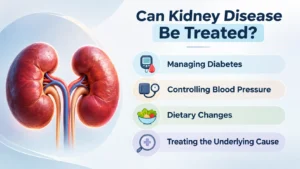
Treatment depends on the cause, severity and stage of kidney disease.
Although some forms of kidney damage cannot be reversed, early diagnosis and appropriate treatment may help slow progression and reduce complications.
Treatment may involve:
Managing Diabetes
Maintaining appropriate blood glucose levels can help reduce the risk of kidney damage in people with diabetes.
Your doctor may recommend lifestyle changes, medication and regular monitoring.
Controlling Blood Pressure
Blood pressure management is an important component of kidney care.
Certain medicines, including ACE inhibitors or ARBs, may be recommended for selected patients, particularly when kidney disease is associated with hypertension or albuminuria.
These medicines should only be used under medical supervision.
Dietary Changes
Depending on kidney function, a healthcare professional may recommend adjustments to:
- Sodium intake.
- Protein intake.
- Potassium.
- Phosphorus.
- Fluid consumption.
Dietary recommendations vary according to the stage of kidney disease and laboratory findings.
Avoid following restrictive kidney diets without professional guidance.
Treating the Underlying Cause
Treatment may focus on managing infections, autoimmune disorders, urinary obstruction or other conditions responsible for kidney damage.
For example, kidney stones causing obstruction may require specific urological treatment.
What Happens if Kidney Disease Progresses?
If kidney function continues to decline, waste products and excess fluid may accumulate in the body.
Advanced kidney disease can lead to complications such as:
- Anaemia.
- Fluid overload.
- Electrolyte abnormalities.
- High blood pressure.
- Bone and mineral disorders.
- Cardiovascular complications.
Some people may develop kidney failure, in which the kidneys can no longer maintain the body’s essential functions adequately.
Kidney Failure Symptoms
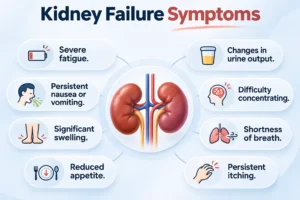
Possible kidney failure symptoms include:
- Severe fatigue.
- Persistent nausea or vomiting.
- Significant swelling.
- Reduced appetite.
- Changes in urine output.
- Difficulty concentrating.
- Shortness of breath.
- Persistent itching.
These symptoms may also occur in other serious conditions.
If you experience severe breathlessness, chest pain, confusion or a significant reduction in urine output, seek urgent medical care.
How Can You Protect Your Kidney Health?
Although not every kidney disease can be prevented, certain lifestyle and medical measures can help reduce risk and support kidney health.
- Keep Blood Pressure Under Control: Monitor your blood pressure regularly and follow your prescribed treatment.
- Manage Blood Sugar: If you have diabetes, maintain regular glucose monitoring and follow your healthcare professional’s recommendations.
- Stay Physically Active: Regular physical activity can support cardiovascular health, blood pressure control and weight management.
- Maintain a Balanced Diet: Choose a balanced diet with appropriate amounts of fruits, vegetables, whole grains and other nutritious foods. If you already have kidney disease, dietary recommendations should be personalised.
- Avoid Unnecessary Painkillers: Frequent or excessive use of certain pain medications may affect kidney function. Discuss safe medication use with your doctor, particularly if you have existing kidney disease.
- Avoid Smoking: Smoking can damage blood vessels and increase cardiovascular risk, which is particularly important for people with kidney disease.
- Get Regular Kidney Screening: If you have diabetes, hypertension or a family history of kidney disease, discuss regular kidney function tests with your doctor.
Early detection can help identify kidney problems before symptoms become obvious.
When Should You Consult a Kidney Specialist?
You should consider medical evaluation if you experience:
- Persistent foamy urine.
- Blood in the urine.
- Unexplained swelling.
- Repeated changes in urination.
- Persistent fatigue.
- Uncontrolled blood pressure.
- Abnormal creatinine levels.
- Protein detected in your urine.
- Recurrent kidney stones.
A nephrologist specialises in kidney diseases, while a urologist evaluates and treats conditions affecting the urinary tract and, in men, the reproductive system.
Depending on your symptoms, you may need consultation with either specialist or both.
If you are searching for a kidney specialist in noida, choose a qualified specialist who can assess your symptoms and recommend appropriate diagnostic investigations.
For kidney-related medical evaluation, a nephrologist may be the more appropriate specialist.
If you are looking for a nephrology hospital in noida, consider the availability of specialist consultations, diagnostic investigations and appropriate treatment facilities.
Frequently Asked Questions
1. What are the first warning signs of kidney disease?
Early kidney disease often causes no noticeable symptoms. Possible warning signs include foamy urine, blood in the urine, swelling, changes in urination and persistent fatigue. Blood and urine tests are important for detecting kidney disease early.
2. Can kidney disease be detected through a routine blood test?
Yes. Blood tests measuring creatinine and estimated glomerular filtration rate (eGFR) can help identify reduced kidney function. Urine tests are also important because kidney damage may be present even when creatinine is not significantly elevated.
3. What creatinine level indicates kidney disease?
There is no single creatinine value that confirms kidney disease in everyone. Results depend on age, sex, muscle mass and other factors. Doctors interpret creatinine alongside eGFR, urine tests and previous results.
4. Is foamy urine always a sign of kidney disease?
No. Occasional foamy urine can occur for harmless reasons, including the speed of urination. However, persistent foamy urine may indicate protein in the urine and should be evaluated.
5. Can kidney disease be reversed?
Some causes of kidney dysfunction, particularly certain forms of acute kidney injury, may improve with timely treatment. Chronic kidney disease may not be reversible, but treatment can often help slow progression and manage complications.
6. Can kidney stones cause kidney damage?
Kidney stones may cause kidney damage if they lead to prolonged urinary obstruction, repeated infections or other complications. Many kidney stones can be treated successfully, but persistent symptoms should be evaluated.
7. Does everyone with kidney disease need dialysis?
No. Many people with early or moderate kidney disease do not need dialysis. Dialysis may be required when kidney function becomes severely impaired and the kidneys cannot adequately maintain the body’s essential functions.
8. Which doctor should I consult for kidney problems?
A nephrologist specialises in kidney diseases, including chronic kidney disease and reduced kidney function. A urologist treats conditions involving the urinary tract, such as kidney stones, urinary obstruction and certain structural problems.
Conclusion
The early signs of kidney disease can be subtle, and many people do not experience noticeable symptoms during the initial stages.
Persistent foamy urine, swelling, unexplained fatigue, blood in the urine and changes in urination should be evaluated when they occur.
However, symptoms alone cannot confirm or exclude kidney disease. Blood tests, urine tests and appropriate medical evaluation are essential for understanding how well your kidneys are functioning.
If you have diabetes, high blood pressure, a family history of kidney disease or previously abnormal kidney test results, discuss regular screening with your healthcare provider.
At Rama Hospital, patients seeking kidney-related evaluation can consult qualified specialists for assessment, diagnostic investigations and appropriate care.
If you are looking for a nephrology hospital in noida, seek professional guidance based on your symptoms and medical needs.
Your kidneys may not always tell you when something is wrong. Regular testing and timely medical attention can help you protect them.