Diwali is a time to prepare our homes, bring out stored decorations, clean forgotten corners and make every room feel fresh for the festivities. But while the focus is often on getting the house ready, the physical strain of cleaning can easily be overlooked.
Hours of bending, lifting heavy furniture, reaching for high shelves and scrubbing floors can leave you with back pain, muscle stiffness or a sudden injury. Climbing an unstable stool to clean a ceiling fan or reach a cupboard can result in a fall. Meanwhile, disturbing months of accumulated dust can trigger sneezing, itchy eyes, coughing or breathing difficulties.
These problems may seem minor at first, but some can require medical attention, particularly when an injury involves a fall or breathing symptoms become severe.
The good news is that many Diwali cleaning injuries can be prevented with a few practical precautions. Understanding the risks, using the right cleaning equipment and knowing when to stop can help you prepare for the festival without compromising your health.
This guide explains the most common cleaning-related injuries, how to manage minor symptoms safely and when to seek medical care.
What Are the Most Common Diwali Cleaning Injuries?

Deep cleaning often involves physical activities that people may not perform regularly throughout the year. When these activities are done for several hours without breaks, the risk of muscle strain, falls and respiratory irritation can increase.
The most common problems include:
- Back strain and muscle pain: Often associated with repeated bending, twisting or lifting heavy objects.
- Falls from stools or ladders: May cause bruises, sprains, fractures or head injuries.
- Dust allergy: Can trigger sneezing, a runny nose, itchy eyes and nasal congestion.
- Respiratory irritation: Dust, mould and cleaning-product fumes may irritate the airways, particularly in people with asthma.
- Wrist, shoulder and knee pain: Repeated scrubbing, reaching overhead, kneeling and prolonged squatting can put pressure on muscles and joints.
Not every episode of pain or sneezing indicates a serious condition. However, the way symptoms begin, their severity and whether they improve with rest can help determine what to do next.
1. Back Strain During Diwali Cleaning: Why Does It Happen?
Back pain is one of the most common problems associated with physically demanding household chores. Cleaning under beds, moving sofas, lifting water buckets and repeatedly bending to scrub floors can put stress on the muscles and supporting tissues of the back.
A sudden movement or lifting a heavy object without proper support may cause muscle strain. Repeated movements can also lead to soreness and stiffness.
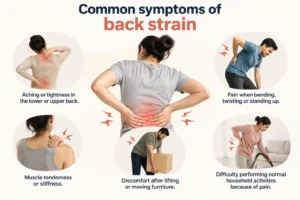
Common symptoms of back strain
Symptoms may include:
- Aching or tightness in the lower or upper back.
- Pain when bending, twisting or standing up.
- Muscle tenderness or stiffness.
- Discomfort after lifting or moving furniture.
- Difficulty performing normal household activities because of pain.
The severity can vary. Mild muscle soreness may settle with appropriate self-care, while severe pain or symptoms following a fall need closer assessment.
Why bending and lifting can hurt your back
The problem is not simply bending down. It is often the combination of repeated bending, twisting, lifting and fatigue.
For example, bending forward while holding a heavy box and turning to place it on a shelf can place considerable strain on the back. Similarly, lifting a heavy bucket from the floor using a sudden jerking movement may trigger pain.
When you are tired, it can become harder to maintain a comfortable position or recognise when you have reached your physical limit.
How to prevent back pain while cleaning
A few changes to your cleaning routine can reduce unnecessary strain.
Keep objects close to your body. When lifting a box or bucket, hold it close rather than reaching forward with your arms extended.
Bend your knees and hips. Lower yourself towards an object instead of repeatedly bending from the waist. Keep your back in a comfortable, controlled position.
Avoid twisting while carrying weight. Turn your feet and whole body rather than twisting your trunk while holding something heavy.
Divide heavy loads. Move smaller quantities rather than attempting to carry a large box or several heavy items at once.
Use appropriate cleaning tools. Long-handled mops, dusters and brushes can help reduce repeated bending and reaching.
Take regular breaks. Alternate demanding activities with lighter tasks. Stop if you develop pain rather than trying to finish the entire house in one session.
These precautions cannot eliminate every risk, but they can make household cleaning more manageable.
What should you do if your back hurts after cleaning?
If you develop mild back discomfort without a fall or other serious injury, consider stopping the activity, avoiding heavy lifting and continuing gentle movement as tolerated.
A wrapped cold pack may help with pain or swelling, while a wrapped heat pack may ease stiffness or muscle spasms. Do not apply ice or heat directly to the skin.
Avoid prolonged bed rest, and do not force stretches or exercises that make the pain worse.
Seek medical advice if the pain is severe, worsens quickly, interferes with daily activities or does not improve over the following weeks.
2. Falls from Stools While Cleaning: A Small Mistake Can Cause a Serious Injury
During diwali cleaning, ceiling fans cleaning, curtain rods, high cupboards and decorative shelves often requires reaching above shoulder height. When a proper ladder is unavailable, people may use plastic stools, chairs or stacked boxes to gain extra height.
This can create a significant fall risk.
A stool may shift on a smooth floor, a chair may tip when weight moves to one side, or an unstable surface may slip while you are reaching for an object. Falls can cause anything from minor bruising to fractures and head injuries.
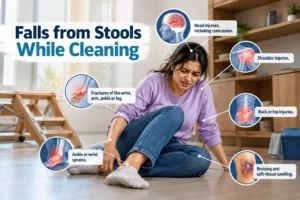
Common injuries after a fall
Depending on the height of the fall and how the body lands, injuries may include:
- Bruising and soft-tissue swelling.
- Ankle or wrist sprains.
- Fractures of the wrist, arm, ankle or leg.
- Shoulder injuries.
- Back or hip injuries.
- Head injuries, including concussion.
Older adults may face a greater risk of serious injury because falls can have more severe consequences when bone strength or balance is reduced.
A person who falls should not assume that an injury is minor simply because they can initially stand or walk.
How to clean high places safely
Follow these precautions before reaching for anything above your normal height.
Use a suitable step ladder. Choose stable equipment designed for climbing rather than a stool, dining chair or makeshift platform.
Check the surface. Place the ladder on a firm, level, non-slippery floor. Avoid positioning it on loose rugs or uneven surfaces.
Inspect the equipment. Do not use a ladder with damaged steps, loose joints or other visible defects.
Keep your body centred. Avoid leaning far to either side. Climb down and reposition the ladder when you cannot comfortably reach the area.
Maintain stable contact. Follow the ladder manufacturer’s instructions for safe climbing and positioning. Do not stand on a step that the manufacturer prohibits using.
Keep the area clear. Move children, pets, loose objects and cleaning supplies away from the climbing area.
Ask for help when necessary. Heavy items and awkward overhead tasks are safer when another person can assist. However, a helper does not make an unstable stool safe.
Avoid climbing when dizzy or fatigued. If you feel weak, unsteady or unusually tired, postpone the task or ask someone else to do it.
What should you do after falling from a stool?
The appropriate response depends on the injury.
If you have severe pain, a suspected fracture, significant bleeding, difficulty breathing, neck pain or a possible head or spinal injury, seek emergency medical help. Avoid unnecessary movement if a serious neck or back injury is suspected.
If you hit your head, seek urgent medical advice, particularly if you lose consciousness, vomit, develop a worsening headache, become confused or experience unusual drowsiness. Symptoms can develop after the initial impact.
For minor bruising without warning signs, rest the affected area and consider using a cold pack wrapped in cloth. If swelling, pain or movement difficulty persists, arrange a medical examination.
Do not attempt to straighten a suspected fracture or force an injured limb to move.
If you experience severe pain or cannot bear weight after a fall, visit an emergency department rather than waiting for the injury to improve at home.
3. Dust Allergy During Diwali Cleaning: Why Do You Start Sneezing?
You may begin cleaning a cupboard that has remained closed for months and suddenly experience repeated sneezing, a blocked nose or itchy eyes.
This happens because dusting and sweeping can disturb particles that have settled on surfaces, allowing them to become airborne and easier to inhale.
Household dust may contain dust mite particles, mould spores, pollen, cockroach particles and pet dander. These substances can trigger allergic symptoms in susceptible people.
Not everyone who experiences irritation during cleaning has an allergy. Dust and strong cleaning-product fumes can also irritate the nose, throat and airways without causing a true allergic reaction.

Common symptoms of dust allergy
Symptoms can include:
- Repeated sneezing.
- A runny or blocked nose.
- Itchy, red or watery eyes.
- An itchy throat or nose.
- Coughing.
- Wheezing or chest tightness in people whose asthma is triggered.
Dust allergy symptoms may begin during cleaning or shortly afterwards. People with asthma may experience worsening respiratory symptoms when exposed to dust or other indoor triggers.
Who should take extra precautions?
Although anyone can experience irritation from household dust, extra care is sensible for people with:
- A known dust mite or indoor allergen allergy.
- Asthma.
- Allergic rhinitis.
- Previous wheezing or breathing difficulty during diwali cleaning.
- Sensitivity to cleaning products.
If you have asthma, keep following your prescribed asthma management plan and make sure your recommended reliever medication is available according to your doctor’s instructions.
How to reduce dust exposure during diwali cleaning
Use a damp cloth instead of dry dusting. Wiping surfaces with a damp cloth or using a damp mop helps capture dust instead of spreading it into the air.
Wear an appropriate mask. A well-fitting particulate respirator, such as an N95, can help reduce inhalation of airborne particles when used correctly. It does not eliminate every allergen exposure and is not a substitute for reducing dust at the source.
Clean one area at a time. Avoid shaking several dusty blankets, curtains or stored decorations simultaneously.
Ventilate appropriately. Use suitable ventilation when diwali cleaning, but consider outdoor pollen and pollution levels if these aggravate your symptoms.
Consider a vacuum with a HEPA filter. Where practical, use a vacuum designed to capture fine particles rather than simply redistributing them.
Protect people with allergies. If someone in your household has significant dust allergy or asthma, consider diwali cleaning their bedroom when they are elsewhere. Dust may remain airborne for some time after a thorough diwali cleaning.
Avoid mixing diwali cleaning products. Never mix bleach with acids, toilet cleaners or ammonia-containing products. Dangerous gases can be released. Follow product labels and use diwali cleaning agents only as directed.
What should you do if dust triggers allergy symptoms?
If you begin sneezing or develop itchy eyes during diwali cleaning, stop the activity and move away from the dusty area. Wash your hands and face, and gently rinse exposed eyes with clean water if needed.
If symptoms persist or recur frequently, consult a doctor. Depending on the symptoms and suspected trigger, an assessment may involve reviewing your exposure history and, when appropriate, allergy testing.
A clinician may recommend suitable medication or environmental changes based on your symptoms and medical history. Avoid starting repeated medication courses without appropriate advice, especially if you have other medical conditions or take other medicines.
Seek emergency help if you develop severe breathlessness, significant chest tightness, swelling of the tongue or throat, or difficulty breathing.
4. Other Diwali Cleaning-Related Problems You Should Not Ignore
Back strain, falls and dust allergy are not the only problems that can occur during Diwali preparations. Repetitive movements and prolonged diwali cleaning can also affect your shoulders, wrists, knees and hands.
Shoulder and wrist pain
Scrubbing tiles, wiping windows, polishing furniture and reaching overhead can put repeated stress on the shoulders and wrists.
You may notice discomfort when raising your arms, gripping a diwali cleaning tool or lifting objects.
To reduce the strain:
- Alternate between tasks that use different muscle groups.
- Use lightweight diwali cleaning equipment with comfortable handles.
- Avoid prolonged overhead work.
- Stop if you develop sharp pain or noticeable weakness.
Persistent pain, significant swelling or difficulty moving a joint warrants medical assessment.
Knee pain from prolonged squatting
Diwali cleaning under furniture, scrubbing floors and kneeling for extended periods can aggravate existing knee pain.
People with arthritis or previous knee injuries may find these tasks particularly uncomfortable.
Consider using a long-handled brush or mop, and avoid remaining in a deep squat for extended periods. If kneeling is necessary, use appropriate cushioning and change positions regularly.
If a knee becomes severely swollen, deformed or impossible to bear weight on after an injury, seek urgent medical attention.
Skin irritation from diwali cleaning products
Detergents, disinfectants, fragrances and other diwali cleaning agents may cause skin irritation or trigger contact dermatitis in susceptible individuals.
Wear appropriate protective gloves, avoid direct contact with concentrated products and follow the manufacturer’s instructions.
If a product splashes into your eyes, rinse immediately with plenty of clean running water and follow the product’s safety guidance. Seek urgent medical advice for persistent pain, vision changes or a significant chemical exposure.
5. How to Plan Diwali Cleaning Without Overstraining Your Body
One of the simplest ways to prevent Diwali cleaning injuries is to stop treating deep diwali cleaning as a single-day task.
Trying to clean every room, move furniture, wash curtains and decorate the house in a few hours can lead to fatigue and rushed decisions.
A more manageable approach is to divide the work across several days.
Follow a room-by-room diwali cleaning plan
| Cleaning task | Safer approach |
| Ceiling fans and high shelves | Use suitable step-ladder equipment and avoid overreaching |
| Cupboards and storage boxes | Remove lighter items first and lift heavier loads with assistance |
| Floors and under furniture | Use long-handled tools and avoid repeated bending |
| Curtains and bedding | Handle manageable loads and avoid shaking dusty fabrics indoors |
| Bathrooms and kitchens | Use products as directed and ensure adequate ventilation |
| Decoration and lights | Keep walkways clear and avoid unstable climbing surfaces |
Take breaks before you feel exhausted
Regular breaks help you recognise fatigue before it affects your balance, concentration or lifting technique.
You can also alternate demanding activities with lighter ones. For example, clean a cupboard, take a break, and then organise decorations while seated.
Keep drinking water throughout the day, particularly if you are working in warm or poorly ventilated areas.
Be careful with electrical diwali cleaning tasks
Before diwali cleaning electrical appliances, switch them off and unplug them where appropriate. Never handle electrical equipment with wet hands or use water near live electrical connections.
Do not climb while carrying bulky equipment that obstructs your view or affects your balance.
If a task requires working at a significant height, handling heavy furniture or dealing with electrical installations, consider getting professional assistance rather than taking unnecessary risks.
6. When Should You Visit a Hospital After a Diwali Cleaning Injury?
Not every ache, sneeze or minor bruise requires a hospital visit. However, recognising warning signs can help you avoid delaying treatment when an injury is more serious.
Use the following guide to decide what to do.
| Symptom or situation | Recommended action |
| Mild muscle soreness that improves with rest | Modify activities and monitor symptoms |
| Back pain that persists or interferes with daily activities | Arrange a medical consultation |
| Severe back pain that starts suddenly or worsens rapidly | Seek urgent medical assessment |
| Fall followed by severe pain, deformity or inability to bear weight | Seek emergency care |
| Head injury with confusion, vomiting or worsening headache | Seek urgent emergency evaluation |
| Sudden leg weakness or loss of bladder or bowel control with back pain | Seek emergency medical care |
| Mild sneezing or itchy eyes after dust exposure | Leave the dusty area and reduce further exposure |
| Persistent wheezing or recurrent allergy symptoms | Consult a doctor |
| Severe difficulty breathing or swelling of the throat | Seek emergency help immediately |
The symptoms listed above are not exhaustive. If you are unsure about the seriousness of an injury, seek professional medical advice.
Which specialist should you consult?
The appropriate specialist depends on your symptoms.
- Orthopaedic doctor: May assess injuries involving bones, joints, fractures and certain musculoskeletal problems.
- General physician: Can evaluate back pain, muscle symptoms, respiratory irritation and other general health concerns.
- Allergy specialist or pulmonologist: May help assess recurrent allergic symptoms, wheezing or asthma-related problems.
- Emergency care team: Should assess serious falls, suspected fractures, significant head injuries or severe breathing difficulties.
An initial evaluation can help determine whether further tests, specialist consultation or treatment is needed.
For patients seeking an orthopaedic doctor in Noida, a general physician in Noida or an emergency hospital in Noida, choosing the appropriate service depends on the nature and urgency of the symptoms.
Frequently Asked Questions (FAQs)
1. What are the most common Diwali cleaning injuries?
Common problems include back strain, muscle soreness, falls from stools or ladders, wrist and shoulder pain, knee discomfort and dust-related allergy symptoms. The risk depends on the task, the equipment used and the person’s health.
2. How can I prevent back pain during Diwali cleaning?
Avoid lifting heavy objects alone, keep loads close to your body, bend at the hips and knees, avoid twisting while carrying weight, and take regular breaks. Long-handled diwali cleaning tools can also reduce repeated bending.
3. What should I do if I fall from a stool while diwali cleaning?
Stop the activity and assess whether you have pain, swelling, bleeding or difficulty moving. Seek emergency help if you suspect a fracture, have a significant head injury, experience severe pain or cannot bear weight. Avoid unnecessary movement if you suspect a serious neck or back injury.
4. Why do I sneeze when I clean my house?
Diwali cleaning can disturb dust mite particles, pollen, mould spores, pet dander and other irritants. These may trigger sneezing, a runny nose, itchy eyes or respiratory symptoms in susceptible individuals.
5. Is a mask enough to prevent dust allergy?
A well-fitting particulate respirator can reduce exposure to airborne particles, but it cannot eliminate every allergen. Damp dusting, suitable vacuum filtration and reducing exposure to the source are also helpful. People with persistent symptoms should consult a doctor.
6. When should I see a doctor for back pain after diwali cleaning?
Seek medical advice if the pain is severe, keeps worsening, affects your daily activities or does not improve over time. Back pain associated with a serious fall, new leg weakness, numbness around the groin or changes in bladder or bowel control requires urgent medical attention.
7. Can dust exposure trigger an asthma attack?
Yes. Dust and certain indoor allergens can trigger asthma symptoms in susceptible people, including coughing, wheezing, chest tightness and breathlessness. Stop diwali cleaning and follow your prescribed asthma action plan if symptoms begin. Severe breathing difficulty requires emergency care.
8. Which hospital should I visit for a diwali cleaning-related injury in Noida?
The appropriate service depends on the problem. A serious fall, suspected fracture, significant head injury or breathing emergency requires urgent evaluation. For less urgent back pain, joint discomfort or recurring allergy symptoms, an appropriate physician or specialist can guide further care.
Patients looking for a hospital in Noida can consider Rama Hospital, Noida, for consultation and evaluation according to their medical needs.
Conclusion
Diwali cleaning is an opportunity to refresh your home and prepare for time with family. But a clean home should not come at the cost of your back, joints or respiratory health.
Repeated bending and heavy lifting can cause back strain. Using an unstable stool to reach high places can result in a fall. Disturbing accumulated dust can trigger allergy symptoms or aggravate asthma.
The most effective precautions are often simple: plan ahead, use suitable equipment, clean in manageable sessions, reduce dust exposure and stop when your body signals discomfort.
Most importantly, do not dismiss severe pain, injuries after a fall or sudden breathing difficulties as routine diwali cleaning problems. Timely medical assessment can help identify injuries that need treatment.
At Rama Hospital, Noida, patients can seek medical evaluation for relevant orthopaedic concerns, general health symptoms and urgent medical problems according to the care required.
This Diwali, give your home a fresh start while making your health part of the preparation.