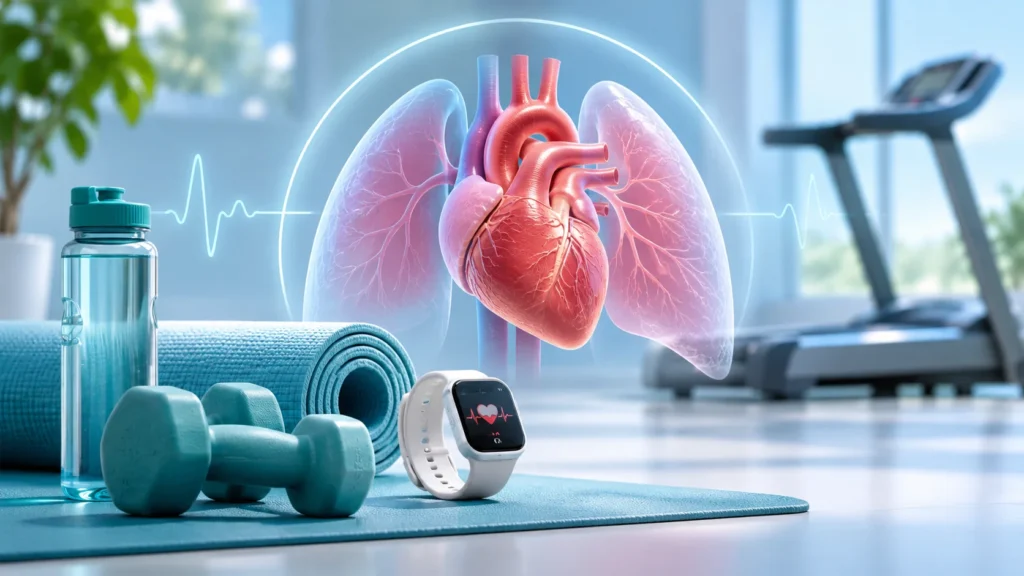
Cardiopulmonary rehabilitation is a structured medical program that helps people recover and improve their health after a heart or lung problem. It combines supervised exercise, education, diet guidance, breathing support, emotional care, and lifestyle changes. The goal is not just to treat the illness but to help the patient regain strength, confidence, and the ability to live a fuller life.
Many people think rehabilitation is only for athletes or people recovering from surgery. In reality, cardiopulmonary rehabilitation is important for patients with heart disease, lung disease, after a heart attack, after bypass surgery, after stent placement, after lung surgery, or with chronic breathing problems. It helps the body recover safely while reducing the risk of future complications.
What is Cardiopulmonary Rehabilitation?
Cardiopulmonary rehabilitation is a medical program designed to help people with heart or lung conditions recover strength, improve breathing, and return to daily activities safely. It is not a single treatment but a combination of therapies that work together.
The program usually includes:
- Supervised exercise.
- Breathing exercises.
- Education about the condition.
- Diet and nutrition advice.
- Emotional and psychological support.
- Lifestyle modification.
- Regular monitoring of progress.
The main goal is to improve physical function and reduce the risk of future heart or lung problems. It helps patients feel stronger, breathe easier, and live more independently.
Who Needs Cardiopulmonary Rehabilitation?
Cardiopulmonary rehabilitation is recommended for people with certain heart and lung conditions or after specific procedures.
Heart-related conditions
- After a heart attack.
- After bypass surgery.
- After angioplasty or stent placement.
- After heart valve surgery.
- Chronic heart failure.
- Stable angina.
- After pacemaker or device implantation.
Lung-related conditions
- Chronic obstructive pulmonary disease (COPD).
- After lung surgery.
- Interstitial lung disease.
- Severe asthma with poor control.
- Pulmonary fibrosis.
- After COVID-related lung damage.
- Chronic breathlessness.
Other situations
- Patients with deconditioning after long illness.
- People with reduced exercise tolerance.
- Patients recovering from prolonged hospital stay.
- Those with multiple risk factors for heart or lung disease.
Why Cardiopulmonary Rehabilitation Matters
Heart and lung illness can leave a person weak, breathless, anxious, and unsure about what they can safely do. Rehabilitation helps bridge the gap between hospital treatment and normal life.
Key benefits
- Improves stamina and endurance.
- Reduces breathlessness.
- Strengthens the heart and lungs.
- Improves balance and mobility.
- Builds confidence.
- Reduces fear of exercise.
- Helps return to work or daily activities.
- Lowers risk of future complications.
- Improves quality of life.
Why it is more than exercise
Rehabilitation is not just about walking on a treadmill. It is a complete recovery plan that includes education, diet, emotional support, and lifestyle change. This holistic approach gives better long-term results.
Components of Cardiopulmonary Rehabilitation
A good rehabilitation program includes several parts that work together.
1. Medical assessment
Before starting, the patient is assessed to understand their condition and safe limits.
- Review of medical history.
- Assessment of heart and lung function.
- Evaluation of symptoms such as chest pain or breathlessness.
- Review of medicines.
- Assessment of physical strength and mobility.
- Setting realistic goals.
2. Supervised exercise
Exercise is the core of rehabilitation, but it is done safely under guidance.
- Warm-up and cool-down.
- Aerobic exercise such as walking or cycling.
- Strength training with light weights or resistance bands.
- Flexibility and stretching.
- Breathing exercises.
- Gradual increase in intensity based on tolerance.
3. Breathing therapy
For lung patients, breathing exercises are very important.
- Diaphragmatic breathing.
- Pursed-lip breathing.
- Airway clearance techniques.
- Chest expansion exercises.
- Relaxation breathing.
4. Education
Patients learn about their condition and how to manage it.
- Understanding heart or lung disease.
- Recognizing warning signs.
- Managing medicines.
- Reducing risk factors.
- Planning daily activity.
5. Diet and nutrition
Food plays a major role in recovery.
- Heart-healthy diet advice.
- Low-salt diet for fluid control.
- Balanced meals for energy.
- Weight management.
- Avoiding foods that worsen symptoms.
6. Emotional support
Many patients feel anxious or depressed after a major illness.
- Counseling.
- Stress management.
- Relaxation techniques.
- Family support and education.
How the Program Works
The rehabilitation journey usually follows a step-by-step process.
Step 1: Initial evaluation
The team assesses the patient’s condition, risk factors, and goals.
Step 2: Personalized plan
A plan is created based on the patient’s needs and limits.
Step 3: Supervised sessions
The patient attends regular sessions for exercise and education.
Step 4: Progress monitoring
The team tracks improvement in strength, stamina, and symptoms.
Step 5: Home plan
The patient learns how to continue safely at home.
Step 6: Long-term follow-up
Regular check-ins help maintain progress and prevent relapse.
Benefits of Cardiopulmonary Rehabilitation
The benefits go beyond just physical recovery.
Physical benefits
- Better stamina.
- Stronger muscles.
- Improved balance.
- Better breathing.
- Reduced fatigue.
- Improved sleep.
Emotional benefits
- Less anxiety.
- Improved mood.
- More confidence.
- Better motivation.
- Reduced fear of activity.
Long-term benefits
- Lower risk of hospital readmission.
- Better control of risk factors.
- Improved quality of life.
- Better long-term survival in many cases.
- Reduced need for emergency care.
Exercise in Cardiopulmonary Rehabilitation
Exercise is done carefully and safely, especially for patients with heart or lung disease.
Types of exercise used
- Walking.
- Stationary cycling.
- Light resistance training.
- Stretching.
- Breathing exercises.
- Balance training.
How intensity is decided
- Based on patient’s condition.
- Based on heart rate and oxygen levels.
- Based on symptoms such as chest pain or breathlessness.
- Gradually increased over time.
Safety measures
- Continuous monitoring during sessions.
- Emergency support available.
- Medicines reviewed before exercise.
- Individualized limits set for each patient.
Breathing Exercises for Lung Patients
Breathing exercises help improve lung function and reduce breathlessness.
Common breathing techniques
- Diaphragmatic breathing, which uses the belly to breathe deeply.
- Pursed-lip breathing, which slows breathing and reduces airway collapse.
- Segmental breathing, which targets specific areas of the lungs.
- Airway clearance, which helps remove mucus.
Benefits of breathing exercises
- Better oxygen exchange.
- Less breathlessness.
- Improved lung expansion.
- Better cough effectiveness.
- More confidence in daily activity.
Diet and Lifestyle Support
Food and lifestyle are key parts of recovery.
Diet advice for heart patients
- Low-salt diet.
- Less saturated fat.
- More fruits and vegetables.
- Whole grains.
- Lean protein.
- Limit processed foods.
Diet advice for lung patients
- Balanced meals with enough protein.
- Small frequent meals if breathlessness affects eating.
- Adequate hydration.
- Avoid gas-producing foods if they worsen breathing.
Lifestyle measures
- Quit smoking completely.
- Limit alcohol.
- Maintain healthy weight.
- Sleep well.
- Manage stress.
- Stay active daily.
Recovery and Progress
Recovery is gradual and different for each person.
Early recovery
- Focus on gentle movement.
- Learning breathing techniques.
- Understanding the condition.
- Building basic stamina.
Mid recovery
- More structured exercise.
- Better endurance.
- Improved confidence.
- Better control of symptoms.
Long-term recovery
- Independent home exercise.
- Regular follow-up.
- Lifestyle maintenance.
- Prevention of relapse.
Possible Challenges and How to Manage Them
Some patients face difficulties during rehabilitation.
Common challenges
- Fear of exercise.
- Fatigue.
- Breathlessness.
- Lack of motivation.
- Muscle weakness.
- Emotional stress.
How to manage them
- Start slow and build gradually.
- Use supervised sessions for safety.
- Set small, realistic goals.
- Involve family for support.
- Seek counseling if anxiety or depression is present.
When to Seek Medical Help
While rehabilitation is safe when supervised, some symptoms need immediate attention.
Seek urgent care if you have:
- Chest pain.
- Severe breathlessness.
- Fainting.
- Palpitations.
- Dizziness.
- Sudden weakness.
- Severe fatigue.
- Confusion.
During rehabilitation sessions
- Tell the team immediately if you feel unwell.
- Do not push through pain or severe breathlessness.
- Follow the prescribed limits.
Prevention of Future Problems
Rehabilitation also focuses on preventing future heart or lung events.
Prevention pointers
- Control blood pressure.
- Manage diabetes.
- Keep cholesterol in check.
- Quit smoking.
- Exercise regularly.
- Follow a healthy diet.
- Take medicines as prescribed.
- Attend follow-up visits.
Why Choose Rama Hospital for Cardiopulmonary Rehabilitation?
Cardiopulmonary rehabilitation needs a team approach with doctors, physiotherapists, dietitians, and counselors. A hospital with experienced staff and proper monitoring can make recovery safer and more effective.
Why hospital-based rehabilitation matters
- Supervised exercise with safety monitoring.
- Personalized plans for each patient.
- Access to specialists if complications arise.
- Comprehensive care including diet and mental health.
- Better long-term outcomes.
Trust and authority points
- Experienced rehabilitation team.
- Modern equipment and monitoring.
- Patient education and family support.
- Focus on both recovery and prevention.
- Continuity of care after discharge.
Frequently Asked Questions (FAQs)
1. What is cardiopulmonary rehabilitation?
Cardiopulmonary rehabilitation is a structured program that helps people recover from heart or lung conditions. It includes exercise, education, diet, and emotional support to improve strength and quality of life.
2. Who needs cardiopulmonary rehabilitation?
It is recommended for patients after a heart attack, bypass surgery, stent placement, or lung surgery. It is also useful for people with chronic heart or lung disease who have breathlessness or reduced stamina.
3. Is rehabilitation safe for heart patients?
Yes, when done under supervision. The program is designed with safe limits based on the patient’s condition. Monitoring helps prevent complications.
4. How long does rehabilitation take?
The duration varies from person to person. Some patients improve in a few weeks, while others need several months. Long-term follow-up is important to maintain progress.
5. Can I do rehabilitation at home?
Yes, after learning the right techniques. The team usually gives a home plan. However, initial supervised sessions are important for safety and correct technique.
6. Does rehabilitation help with breathlessness?
Yes, breathing exercises and gradual exercise can improve lung function and reduce breathlessness. Many patients feel more confident and less tired after the program.
7. Is diet part of rehabilitation?
Yes, diet is a key part. Heart patients may need low-salt and low-fat diets, while lung patients may need high-protein and balanced meals. Nutrition supports recovery and energy.
8. Can rehabilitation prevent future heart problems?
Yes, by improving risk factors like blood pressure, cholesterol, weight, and smoking. It also builds fitness and confidence, which lowers the risk of future events.
Conclusion
Cardiopulmonary rehabilitation is a powerful tool for recovery after heart or lung illness. It is not just exercise but a complete program that includes medical care, education, diet, and emotional support. The goal is to help patients regain strength, breathe easier, and return to a fuller life.
The most important steps are early referral, proper assessment, supervised exercise, and long-term follow-up. For patients recovering from a heart attack, surgery, or chronic lung disease, rehabilitation can make a major difference in quality of life and long-term health.
Rama Hospital can help patients access structured cardiopulmonary rehabilitation, with a team that focuses on safe recovery, lifestyle change, and prevention of future problems.