Liver diseases in children are more common than many parents realize. The liver is a vital organ that helps digest food, store energy, remove toxins, make proteins, and support immunity. When the liver is affected by infection, inflammation, genetic conditions, or metabolic problems, it can impact a child’s growth, energy, digestion, and overall health.
Pediatric liver diseases can range from mild conditions that improve with treatment to serious disorders that need long-term medical care. Some children are born with liver problems, while others develop them later due to infections, medicines, obesity, or immune issues. Early recognition and treatment are very important because the liver can often recover if the problem is caught in time.
What are Pediatric Liver Diseases?
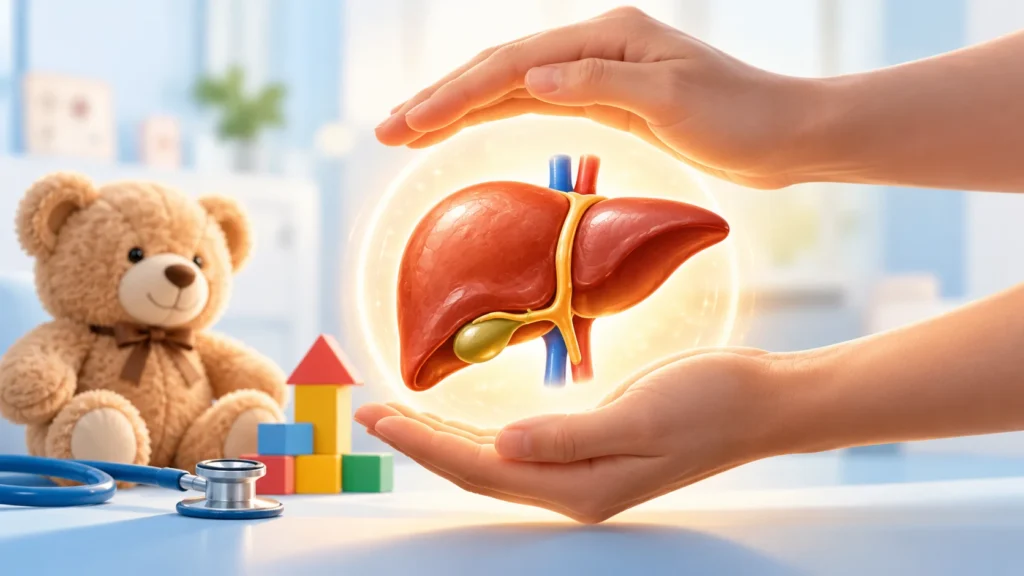
Pediatric liver diseases are conditions that affect the liver in infants, children, and teenagers. The liver performs many important functions, including filtering toxins, producing bile for digestion, storing vitamins and energy, and helping with blood clotting. When the liver is not working properly, these functions can be affected.
Liver disease in children may be acute, meaning it comes on suddenly and lasts a short time. It can also be chronic, meaning it lasts for months or years and may need long-term care. In some cases, the condition is inherited or present from birth. In others, it develops due to infection, poor diet, medicines, or immune problems.
Because the liver can compensate for a long time, some children may not show clear symptoms in the early stages. That is why regular health check-ups and awareness of warning signs are important, especially in children with risk factors.
Types of Pediatric Liver Diseases
Liver diseases in children can be grouped in different ways based on the cause, duration, and type of problem.
Based on cause
- Infectious liver disease, caused by viruses such as hepatitis A, B, C, or other infections.
- Metabolic liver disease, caused by inherited problems in how the body processes food or chemicals.
- Genetic liver disease, present from birth due to inherited conditions.
- Autoimmune liver disease, where the immune system attacks the liver.
- Drug-induced liver injury, caused by medicines or toxins.
- Fatty liver disease, linked to obesity and poor diet.
- Biliary atresia, a condition where bile ducts are blocked or absent from birth.
- Cholestatic liver disease, where bile flow is reduced or blocked.
Based on duration
- Acute liver disease, which starts suddenly and may improve with treatment.
- Chronic liver disease, which lasts for months or years and may progress over time.
- Recurrent liver disease, where symptoms come back after periods of improvement.
Based on severity
- Mild liver disease, where the child may have few or no symptoms.
- Moderate liver disease, where symptoms are noticeable and need medical care.
- Severe liver disease, where liver function is significantly affected and may need hospital care or transplant.
Causes of Pediatric Liver Diseases
Liver disease in children can have many causes. Understanding the cause helps guide the right treatment.
Common causes include:
- Viral infections such as hepatitis A, B, or C.
- Bacterial infections that affect the liver.
- Genetic or inherited conditions affecting liver function.
- Metabolic disorders that affect how the body processes food or chemicals.
- Autoimmune conditions where the immune system attacks the liver.
- Medicines or toxins that damage liver cells.
- Obesity and poor diet leading to fatty liver disease.
- Bile duct problems present from birth.
- Chronic conditions such as cystic fibrosis or heart disease.
- Poor nutrition or malnutrition in some cases.
Why early cause matters
The treatment and outlook depend a lot on the cause. Some causes are temporary and reversible, while others may need lifelong management. Early diagnosis helps doctors plan the best approach and prevent complications.
Risk Factors for Pediatric Liver Diseases
Some children are more likely to develop liver problems than others.
Higher-risk groups
- Newborns with jaundice that lasts too long.
- Children with a family history of liver disease.
- Children with obesity or poor diet.
- Children with chronic infections.
- Children taking long-term medicines.
- Children with immune disorders.
- Children with metabolic or genetic conditions.
- Children with poor nutrition or malnutrition.
- Children with bile duct abnormalities from birth.
Why risk increases in these groups
- Newborn liver function is still developing.
- Genetic conditions can affect liver structure or function.
- Obesity increases fat in the liver.
- Chronic illness can put stress on the liver.
- Some medicines are processed by the liver and may cause damage.
- Poor nutrition can weaken liver function over time.
Symptoms of Pediatric Liver Diseases
Symptoms can vary depending on the type and severity of liver disease. In some cases, the child may not show clear signs early on.
Common symptoms include:
- Yellowing of the skin or eyes, called jaundice.
- Dark urine.
- Pale or clay-colored stools.
- Poor appetite.
- Nausea or vomiting.
- Abdominal pain or swelling.
- Fatigue or weakness.
- Poor growth or weight loss.
- Itchy skin.
- Easy bruising or bleeding.
- Swelling in the legs or belly.
- Fever in some infections.
Signs that need urgent attention
- Severe jaundice.
- Persistent vomiting.
- Severe abdominal pain.
- Confusion or unusual sleepiness.
- Bleeding that does not stop.
- Rapid swelling of the belly.
- Poor feeding in infants.
- Signs of dehydration.
Symptoms in Newborns
Liver problems in newborns can be different from older children.
Common signs in newborns
- Jaundice that lasts more than two weeks.
- Pale stools.
- Dark urine.
- Poor feeding.
- Poor weight gain.
- Enlarged liver or spleen.
- Irritability or sleepiness.
Why newborn jaundice matters
Some jaundice in newborns is normal and goes away on its own. But if it lasts too long or is severe, it may be a sign of a liver problem. Early testing and treatment can prevent serious complications.
Symptoms in Older Children
Older children may show different signs depending on the cause.
Common signs in older children
- Tiredness or low energy.
- Poor appetite.
- Nausea.
- Abdominal discomfort.
- Yellow eyes or skin.
- Dark urine.
- Itchy skin.
- Slow growth.
- Weight loss.
- Frequent infections.
Why symptoms may be missed
Children may not always explain how they feel clearly. They may just seem tired, fussy, or not interested in food. Parents should watch for changes in behavior, growth, or digestion and consult a doctor if concerned.
How are Pediatric Liver Diseases Diagnosed?
Diagnosis is based on symptoms, physical examination, blood tests, imaging, and sometimes liver biopsy. Since many liver diseases have similar symptoms, tests are important to find the exact cause.
Diagnostic steps
- Detailed history of symptoms and family history.
- Physical examination for jaundice, swelling, or enlarged liver.
- Blood tests to check liver function.
- Imaging tests to look at liver structure.
- Sometimes liver biopsy to examine liver tissue.
Common tests that may be done
- Liver function tests to check enzymes and bilirubin.
- Blood tests for hepatitis viruses.
- Ultrasound of the liver and bile ducts.
- MRI or CT scan for detailed imaging.
- Blood tests for metabolic or genetic conditions.
- Liver biopsy in selected cases.
Why diagnosis matters
Early and accurate diagnosis helps guide the right treatment. Some liver diseases can be managed with medicine and diet, while others may need surgery or transplant. Knowing the cause helps doctors plan the best approach.
Treatment for Pediatric Liver Diseases
Treatment depends on the cause, severity, and age of the child. In many cases, early treatment can improve liver function and prevent complications.
1. Medicines
Medicines may be used to treat infection, reduce inflammation, or support liver function.
- Antiviral medicines for hepatitis infections.
- Antibiotics for bacterial infections.
- Medicines to reduce itching or bile buildup.
- Immune-suppressing medicines for autoimmune liver disease.
- Vitamin and mineral supplements if needed.
2. Diet and nutrition support
Good nutrition is very important for liver health and growth.
- Balanced diet with adequate protein and calories.
- Vitamin supplements if the child is deficient.
- Special diets for metabolic liver disease.
- Avoiding foods that stress the liver.
- Regular monitoring of growth and weight.
3. Treatment of underlying cause
The root cause must be addressed for long-term improvement.
- Treating infections with appropriate medicines.
- Managing metabolic conditions with special diets or medicines.
- Correcting bile duct problems with surgery if needed.
- Adjusting medicines that may be causing liver damage.
4. Surgery
Some liver diseases need surgical treatment.
- Kasai procedure for biliary atresia.
- Surgery to correct bile duct blockage.
- Liver transplant in severe or end-stage liver disease.
5. Liver transplant
In severe cases where the liver is permanently damaged, transplant may be the only option.
- Replaces the diseased liver with a healthy donor liver.
- Can be life-saving in end-stage liver disease.
- Requires lifelong follow-up and medicines.
Diet Advice for Children with Liver Disease
Diet plays a big role in managing liver disease and supporting growth.
Good food choices
- Fresh fruits and vegetables.
- Whole grains.
- Lean protein such as eggs, fish, or pulses.
- Low-fat dairy if tolerated.
- Adequate calories for growth.
- Vitamin-rich foods.
Foods to avoid or limit
- Fried and oily foods.
- Very sugary snacks and drinks.
- Processed foods.
- Alcohol in teenagers.
- Foods that may trigger allergies or intolerance.
Special dietary needs
Some children with metabolic liver disease need very specific diets. A pediatric nutritionist can help plan meals that support liver health and growth.
Lifestyle Measures That Help
Lifestyle support is important for long-term liver health.
Helpful habits
- Regular health check-ups.
- Vaccination as advised.
- Good hygiene to prevent infections.
- Healthy weight management.
- Regular physical activity.
- Avoiding unnecessary medicines.
- Follow-up as advised by the doctor.
Why lifestyle matters
Healthy habits can reduce the risk of liver disease and support recovery. For children with chronic conditions, lifestyle support helps improve quality of life and prevent complications.
Possible Complications
Untreated liver disease can lead to serious problems over time.
Possible complications
- Liver failure.
- Growth problems.
- Bleeding disorders.
- Infections.
- Brain problems due to toxin buildup.
- Need for liver transplant.
- Long-term health issues.
Why complications happen
The liver is involved in many body functions. When it is not working well, toxins can build up, digestion can be affected, and the child may not grow properly. Early treatment can prevent many of these complications.
When to See a Doctor
Medical review is important if symptoms are persistent or severe.
- Jaundice that lasts more than two weeks.
- Pale stools or dark urine.
- Poor feeding or weight loss.
- Abdominal swelling or pain.
- Frequent vomiting.
- Itchy skin.
- Easy bruising or bleeding.
- Poor growth.
- Family history of liver disease.
Prevention of Pediatric Liver Diseases
Not all liver diseases can be prevented, but many can be reduced with good care.
Prevention pointers
- Vaccination against hepatitis A and B.
- Good hygiene and handwashing.
- Safe food and water.
- Healthy diet and weight management.
- Avoiding unnecessary medicines.
- Regular health check-ups.
- Early treatment of infections.
- Genetic counseling for families with inherited liver disease.
Special prevention advice for high-risk groups
- Newborns with prolonged jaundice should be checked early.
- Children with obesity should be monitored for fatty liver.
- Children with chronic illness should have regular liver function tests.
- Families with genetic liver disease may benefit from genetic counseling.
Why Choose Rama Hospital for Pediatric Liver Disease Treatment?
Pediatric liver diseases need specialized care that understands both the medical and emotional needs of children and families. A hospital with experienced pediatric hepatologists, nutritionists, and support staff can make a major difference in outcomes.
Why hospital care matters
- Expert evaluation by pediatric liver specialists.
- Advanced diagnostic testing.
- Personalized treatment plans.
- Nutrition and growth support.
- Surgical and transplant services if needed.
- Long-term follow-up and family education.
Trust and authority points
- Experienced pediatric liver team.
- Modern technology for diagnosis and treatment.
- Compassionate care for children and families.
- Comprehensive support from diagnosis to recovery.
- Focus on both treatment and prevention.
Frequently Asked Questions (FAQs)
1. What are pediatric liver diseases?
Pediatric liver diseases are conditions that affect the liver in children. They can be caused by infections, genetics, metabolism problems, or other factors. Early diagnosis and treatment are important for good outcomes.
2. Can liver disease in children be cured?
Many liver diseases in children can be treated or managed effectively, especially if caught early. Some conditions may need long-term care or surgery. The outlook depends on the cause and severity.
3. What causes jaundice in newborns?
Jaundice in newborns is common and often normal, but if it lasts too long or is severe, it may be a sign of a liver problem. Early testing can help rule out serious conditions.
4. Can obesity cause liver disease in children?
Yes, obesity can lead to fatty liver disease in children. This happens when too much fat builds up in the liver. Healthy diet and weight management can help prevent or reverse this.
5. How is liver disease in children diagnosed?
Diagnosis is done using blood tests, imaging like ultrasound, and sometimes liver biopsy. These tests help find the cause and severity of the liver problem.
6. What is biliary atresia?
Biliary atresia is a condition present from birth where the bile ducts are blocked or absent. It can cause jaundice and liver damage if not treated early. Surgery is often needed.
7. Can liver disease affect a child’s growth?
Yes, liver disease can affect growth because the liver is important for digestion and nutrient storage. Children with liver disease may need extra nutrition support to grow properly.
8. When is liver transplant needed in children?
Liver transplant is considered when the liver is severely damaged and cannot function properly. It can be life-saving in end-stage liver disease. The child will need lifelong follow-up after transplant.
Conclusion
Pediatric liver diseases are a group of conditions that can affect children of all ages, from newborns to teenagers. They can be caused by infections, genetics, metabolism problems, or lifestyle factors. Early recognition and treatment are very important because the liver can often recover if the problem is caught in time.
The most important steps are proper diagnosis, targeted treatment, good nutrition, and regular follow-up. For parents who notice jaundice, poor growth, abdominal swelling, or other warning signs, a medical evaluation can make a major difference. With the right care, many children with liver disease can live healthy, active lives.
Rama Hospital can help evaluate pediatric liver diseases, identify the cause, and provide a clear treatment plan that supports recovery, growth, and long-term health.