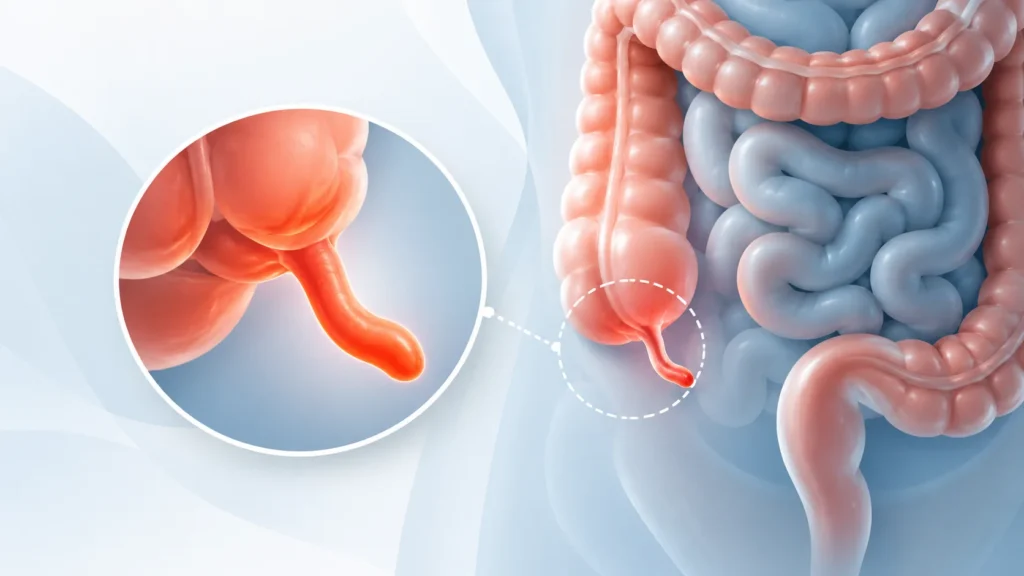
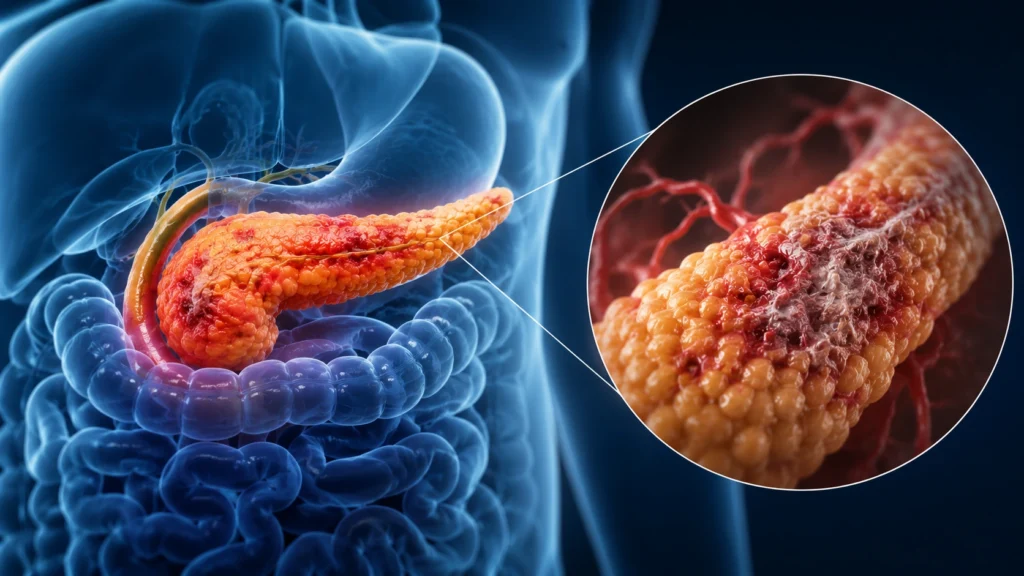
Open appendectomy is a surgical procedure used to remove the appendix when it becomes inflamed or infected. The appendix is a small, finger-shaped pouch attached to the large intestine on the lower right side of the abdomen. When it gets blocked or infected, it can lead to a condition called appendicitis, which causes pain, swelling, and sometimes serious complications if not treated on time.
Appendicitis is one of the most common causes of emergency abdominal surgery. In many cases, it needs prompt treatment because an inflamed appendix can burst and spread infection inside the abdomen. Open appendectomy is a safe and well-established surgical method to remove the appendix and prevent such complications.
What is Open Appendectomy?
Open appendectomy is a surgical operation to remove an inflamed or infected appendix through a small incision in the lower right abdomen. It is called “open” because the surgeon makes a direct cut to access the appendix, unlike laparoscopic surgery where small keyhole incisions and a camera are used.
The goal of the surgery is to remove the appendix completely and prevent it from bursting or spreading infection. Once removed, the patient can live a normal life without an appendix, as it is not essential for digestion or overall health.
Open appendectomy may be chosen when the appendix is severely inflamed, ruptured, or when there are complications such as abscess or peritonitis. In some cases, it may also be preferred if the patient has had previous abdominal surgery or if laparoscopic surgery is not suitable.
Why is Open Appendectomy Needed?
Open appendectomy is usually needed when the appendix is inflamed or infected and cannot be treated with medicines alone.
Common reasons for surgery
- Acute appendicitis with severe pain.
- Suspected or confirmed appendix infection.
- Appendix that is at risk of bursting.
- Ruptured appendix with pus or infection spread.
- Appendix abscess that needs drainage and removal.
- Recurrent or chronic appendicitis.
- Appendicitis with complications such as peritonitis.
- Cases where laparoscopic surgery is not suitable.
Why surgery is important
If appendicitis is not treated, the appendix can burst and release infection into the abdomen. This can lead to serious complications such as peritonitis, abscess, sepsis, or bowel obstruction. Early surgery reduces these risks and helps the patient recover faster.
Types of Appendectomy
Appendectomy can be done in different ways depending on the case and surgeon’s assessment.
Based on approach
- Open appendectomy, where a single incision is made in the lower right abdomen.
- Laparoscopic appendectomy, where small keyhole incisions and a camera are used.
Based on urgency
- Emergency appendectomy, done when appendicitis is severe or ruptured.
- Elective appendectomy, done in selected cases where surgery is planned in advance.
Based on complexity
- Simple appendectomy, where the appendix is removed without major complications.
- Complicated appendectomy, where there is rupture, abscess, or spread of infection.
Causes and Risk Factors for Appendicitis
Appendicitis happens when the appendix becomes blocked or infected.
Common causes include:
- Blockage of the appendix opening by stool or hard stool.
- Infection or inflammation of the appendix.
- Enlarged lymph tissue due to infection.
- Tumors or growths in rare cases.
- Injury or trauma to the abdomen.
- Parasitic infection in some regions.
Risk factors that may increase chance
- Age between ten and thirty years, though it can happen at any age.
- Family history of appendicitis.
- Low-fiber diet.
- Previous abdominal infection.
- Male sex, slightly higher risk than female.
- Certain gastrointestinal conditions.
Symptoms of Appendicitis
Symptoms of appendicitis usually start suddenly and worsen over time.
Common symptoms include:
- Pain that starts near the navel and moves to the lower right abdomen.
- Pain that worsens with movement, coughing, or deep breathing.
- Nausea and vomiting.
- Loss of appetite.
- Low-grade fever.
- Constipation or diarrhea.
- Abdominal swelling or tenderness.
- Feeling unwell or weak.
Warning signs of rupture
- Sudden severe pain.
- High fever.
- Rapid heartbeat.
- Severe abdominal swelling.
- Confusion or dizziness.
- Signs of shock.
- Pain spreading across the abdomen.
How is Appendicitis Diagnosed?
Diagnosis is based on symptoms, physical examination, and tests.
Diagnostic steps
- Detailed history of pain and symptoms.
- Physical examination of the abdomen.
- Checking for tenderness in the lower right side.
- Blood tests to check for infection.
- Urine test to rule out urinary infection.
- Imaging tests to confirm diagnosis.
Common tests that may be done
- Complete blood count to check white blood cells.
- C-reactive protein to assess inflammation.
- Ultrasound of the abdomen.
- CT scan for detailed view if needed.
- MRI in selected cases such as pregnancy.
Why diagnosis matters
Early and accurate diagnosis helps decide the right treatment and timing of surgery. Delayed diagnosis can lead to rupture and serious complications.
Treatment for Appendicitis
Treatment depends on the severity and whether the appendix has ruptured.
1. Open appendectomy
The main treatment is surgical removal of the appendix.
- Done under general anesthesia.
- A small incision is made in the lower right abdomen.
- The appendix is identified and removed.
- The incision is closed with stitches or staples.
2. Laparoscopic appendectomy
In some cases, keyhole surgery may be used.
- Smaller incisions.
- Camera-guided removal.
- Faster recovery in many cases.
- May not be suitable for complicated cases.
3. Supportive care before surgery
Before surgery, supportive care helps stabilize the patient.
- IV fluids to prevent dehydration.
- Pain relief medicines.
- Antibiotics to control infection.
- Fasting before surgery.
- Monitoring of vital signs.
4. Treatment for ruptured appendix
If the appendix has ruptured, treatment is more complex.
- Emergency surgery to remove appendix and clean the abdomen.
- Drainage of abscess if present.
- Strong antibiotics.
- Longer hospital stay.
- Close monitoring for complications.
Open Appendectomy Procedure
The procedure is done in a step-by-step manner under anesthesia.
Before the procedure
- Patient is assessed with history and tests.
- Consent is taken.
- Fasting is advised for a few hours.
- IV line is placed for fluids and medicines.
- Anesthesia team evaluates the patient.
During the procedure
- General anesthesia is given so the patient is asleep.
- A small incision is made in the lower right abdomen.
- The appendix is located and separated from surrounding tissue.
- Blood supply to the appendix is secured.
- The appendix is removed.
- The area is cleaned if there is infection or pus.
- The incision is closed in layers.
After the procedure
- Patient is shifted to recovery area.
- Vital signs are monitored.
- Pain relief is given.
- IV fluids continue until the patient can drink.
- Early walking is encouraged to prevent complications.
Recovery After Open Appendectomy
Recovery depends on the severity of appendicitis and whether there were complications.
Recovery after simple appendectomy
- Hospital stay of one to three days in many cases.
- Pain reduces within a few days.
- Normal activities resume in two to four weeks.
- Full recovery in a few weeks.
Recovery after ruptured appendix
- Longer hospital stay.
- More intensive monitoring.
- Antibiotics for a longer period.
- Recovery may take several weeks.
- Follow-up is important to check for complications.
Rehabilitation and activity
- Start walking early to prevent clots.
- Avoid heavy lifting for a few weeks.
- Gradually return to work or school.
- Follow surgeon’s advice on activity restrictions.
- Attend all follow-up visits.
Diet After Appendectomy
Diet plays an important role in recovery.
Immediately after surgery
- Start with clear liquids once allowed.
- Progress to soft foods.
- Avoid heavy or oily food initially.
Recovery diet pointers
- Eat small, frequent meals.
- Include protein-rich foods for healing.
- Add fruits and vegetables for fiber once tolerated.
- Drink enough water.
- Avoid constipation by including fiber and fluids.
Foods to avoid initially
- Fried and oily food.
- Very spicy food.
- Carbonated drinks.
- Alcohol.
- Heavy meals that cause bloating.
Possible Risks and Complications
Like any surgery, open appendectomy has some risks.
Common risks
- Pain at the incision site.
- Wound infection.
- Bleeding.
- Reaction to anesthesia.
- Temporary bloating or constipation.
Less common but serious risks
- Intra-abdominal infection.
- Abscess formation.
- Bowel injury.
- Adhesions or scar tissue.
- Hernia at the incision site.
- Blood clots.
- Sepsis in severe cases.
Why risks are higher in ruptured appendix
When the appendix ruptures, infection spreads in the abdomen. This makes surgery more complex and increases the risk of complications such as abscess, peritonitis, and longer recovery.
When to Seek Medical Help After Surgery
Follow-up and awareness of warning signs are important after discharge.
Contact doctor if you have:
- Increasing pain at the incision.
- Redness, swelling, or discharge from wound.
- Fever.
- Persistent vomiting.
- Severe abdominal pain.
- No bowel movement for several days.
- Signs of dehydration.
Seek emergency care if you have:
- High fever with chills.
- Severe abdominal swelling.
- Fainting or dizziness.
- Heavy bleeding from wound.
- Signs of sepsis such as confusion or rapid heartbeat.
Prevention of Appendicitis
While not all cases can be prevented, some measures may reduce risk.
Prevention pointers
- Eat a high-fiber diet with fruits, vegetables, and whole grains.
- Drink enough water.
- Avoid constipation.
- Maintain healthy digestion.
- Seek early treatment for abdominal pain.
- Do not ignore persistent symptoms.
For people with previous appendicitis
- Follow up regularly.
- Maintain healthy diet and lifestyle.
- Be aware of symptoms of recurrence or complications.
Why Choose Rama Hospital for Open Appendectomy?
Open appendectomy is a common emergency surgery that needs skilled surgical care, proper anesthesia, and good post-operative support. A hospital with experienced general surgeons and emergency care can make a major difference in outcomes.
Why hospital care matters
- Expert evaluation and diagnosis.
- Emergency surgical care available.
- Skilled anesthesia and surgical team.
- Post-operative monitoring and pain management.
- Rehabilitation and dietary guidance.
- Follow-up care to prevent complications.
Trust and authority points
- Experienced general surgery team.
- Modern operation theatre and ICU support.
- Emergency care for acute abdomen.
- Patient education and family support.
- Comprehensive care from diagnosis to recovery.
Frequently Asked Questions (FAQs)
1. What is open appendectomy?
Open appendectomy is a surgery to remove an inflamed or infected appendix through a small incision in the lower right abdomen. It is done to prevent rupture and spread of infection.
2. Is open appendectomy a major surgery?
It is a common abdominal surgery but is considered moderate in complexity. Recovery is usually quick if done early before complications develop.
3. How long is the hospital stay?
For simple appendectomy, hospital stay is usually one to three days. If the appendix has ruptured, stay may be longer due to infection and monitoring.
4. Can I live normally without an appendix?
Yes, the appendix is not essential for digestion or health. Most people live completely normal lives after removal.
5. What are the risks of open appendectomy?
Risks include wound infection, bleeding, anesthesia reaction, and rarely bowel injury or abscess. Risks are higher if the appendix has already ruptured.
6. When can I return to work or school?
Most people return to normal activities within two to four weeks after simple appendectomy. Heavy lifting and strenuous activity should be avoided for a few weeks.
7. What diet should I follow after surgery?
Start with clear liquids and progress to soft foods. Include protein, fruits, vegetables, and fluids for healing. Avoid oily, spicy, or heavy food initially.
8. Can appendicitis be treated without surgery?
In very selected early cases, antibiotics may be tried, but surgery is the standard and most reliable treatment. Delaying surgery can lead to rupture and serious complications.
Conclusion
Open appendectomy is a safe and effective surgical treatment for appendicitis, especially when the appendix is inflamed, infected, or at risk of rupture. Early diagnosis and timely surgery can prevent serious complications and help the patient recover quickly.
The most important steps are prompt medical evaluation, proper surgical care, pain management, and structured recovery. For patients with abdominal pain, fever, or symptoms of appendicitis, seeking medical help early can make a major difference. With the right care, most people recover fully and return to normal life.
Rama Hospital can help evaluate appendicitis, provide expert surgical care, and guide patients through recovery to ensure safe and complete healing.