Karwa Chauth is a meaningful occasion for many married women in India. The day is traditionally observed with prayers, rituals and a fast that often begins before sunrise and ends after moonrise. For many, the fast includes avoiding both food and water, commonly known as a nirjala vrat.
But while the tradition holds deep emotional and cultural significance, going without water for an extended period can place additional stress on the body. The risks may be greater for people who have diabetes, high blood pressure, kidney or heart conditions, or certain pregnancy-related complications.
This all depends on your medical history, medicines, hydration status and overall health. Some people may need to avoid a strict waterless fast, while others should discuss an individualised plan with their doctor before deciding.
What Is a Nirjala Fast, and Why Can It Affect Your Health?
A nirjala fast involves abstaining from both food and water for a period of time. During Karwa Chauth, many women observe this fast from sunrise until moonrise.
Your body continues to lose water throughout the day through sweating, breathing and urination. When you cannot replace those fluids, the body’s fluid balance can gradually become disturbed.
The extent of the risk depends on several factors, including:
- How long you go without water.
- The temperature and humidity.
- Your level of physical activity.
- Your health conditions and prescribed medicines.
- Whether you have already been drinking enough fluids.
- Whether you have recently experienced fever, vomiting or diarrhoea.
Dehydration occurs when your body loses more fluid than it takes in. It can cause thirst, headache, tiredness, dizziness and reduced urination. In more serious cases, dehydration can require urgent medical attention. People with diabetes, older adults and those taking medicines that increase urination may be particularly vulnerable.
The important distinction: Going without food for a period is not the same as going without water. A waterless fast introduces an additional dehydration risk, which deserves particular attention if you have an existing medical condition.
Who Should Avoid a Strict Waterless Karwa Chauth Fast?
Not everyone responds to fasting in the same way. However, certain groups should avoid a strict nirjala fast unless their treating doctor has specifically assessed their circumstances and advised otherwise.
These include:
- People with type 1 diabetes or poorly controlled diabetes.
- People who experience frequent low blood sugar or take insulin or certain glucose-lowering medicines.
- Pregnant women, particularly those with pregnancy complications, who should not undertake a waterless fast without advice from their obstetrician.
- People with unstable blood pressure, recurrent dizziness or a tendency to faint.
- People with kidney disease, heart failure or other significant chronic conditions.
- People taking diuretics or other medicines that may increase dehydration or blood pressure-related risks.
- Anyone experiencing fever, vomiting, diarrhoea or another acute illness.
- Older adults who are frail or have difficulty maintaining adequate hydration.
This is not an exhaustive list, and having one of these conditions does not automatically mean every form of fasting carries the same risk. The key is to assess the specific fast, your health status and your treatment plan with a qualified healthcare professional.
1. Karwa Chauth Fasting With Diabetes: What Should You Know?
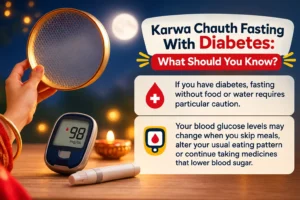
If you have diabetes, fasting without food or water requires particular caution. Your blood glucose levels may change when you skip meals, alter your usual eating pattern or continue taking medicines that lower blood sugar.
There are two major concerns: hypoglycaemia, which means blood sugar that is too low, and hyperglycaemia, which means blood sugar that is too high. Dehydration is an additional concern during a waterless fast.
Why can fasting be risky for people with diabetes?
- Low blood sugar: If you skip meals while taking insulin or certain medicines, your blood glucose may fall too low. Symptoms can include sweating, trembling, hunger, dizziness, confusion and weakness.
- High blood sugar: Changing or skipping prescribed diabetes medicines without medical advice can cause blood glucose to rise. High blood sugar can also increase fluid loss through urination.
- Dehydration: When you do not drink water, fluid losses continue. This can become especially concerning when diabetes is poorly controlled or certain medicines increase fluid loss.
- Diabetic ketoacidosis: People with type 1 diabetes are particularly vulnerable to this serious complication if insulin treatment is inadequate. Certain medicines used for type 2 diabetes can also increase the risk of ketoacidosis in specific circumstances.
Can diabetics keep a Karwa Chauth fast?
There is no single answer that applies to everyone with diabetes.
People with type 1 diabetes, poorly controlled blood glucose, recurrent hypoglycaemia, a history of diabetic ketoacidosis or intensive insulin treatment may be advised to avoid fasting. People with type 2 diabetes also need an individual assessment, particularly if they take insulin or medicines that can cause low blood sugar.
Before Karwa Chauth, discuss your plans with your treating doctor. They can assess your blood glucose control, medicines and individual risk factors.
Do not stop insulin, skip diabetes medication or change doses simply to complete the fast. Your doctor should advise you on whether fasting is appropriate and whether any treatment adjustments are necessary.
If you have diabetes and develop symptoms of low blood sugar, significant weakness, confusion or dehydration, do not try to push through the fast. Check your glucose if possible, follow your established diabetes emergency plan and seek medical help when needed.
2. Karwa Chauth Fast With High Blood Pressure: Is It Safe?
High blood pressure, also known as hypertension, is another condition that deserves attention before a waterless fast.
Some people with well-controlled hypertension may tolerate a period of fasting, but this does not automatically mean that a strict nirjala fast is safe for them. The type of medication they take, their blood pressure control and any associated heart or kidney conditions all matter.
How can a waterless fast affect blood pressure?
When the body loses more fluid than it receives, circulating blood volume can decrease. This may contribute to a drop in blood pressure, particularly when standing up, leading to dizziness or fainting.
For someone taking certain blood pressure medicines, dehydration may increase the risk of symptomatic low blood pressure or kidney-related complications. Diuretics, sometimes called water tablets, increase urine production and require particular consideration.
Who with high BP should be especially cautious?
Speak to your doctor before fasting if you:
- Have poorly controlled or unstable blood pressure.
- Experience dizziness, fainting or frequent episodes of low blood pressure.
- Take diuretics or several medicines for blood pressure or heart disease.
- Have heart failure, chronic kidney disease or a history of serious cardiovascular problems.
- Have recently experienced a heart attack or stroke.
Should you skip blood pressure medicine while fasting?
No. Do not skip, stop or reschedule prescribed blood pressure medicines without medical advice.
Some medicines need to be taken at specific times, and others may require a personalised plan when food and fluid intake changes. Your doctor can explain whether fasting is appropriate and how to manage your treatment safely.
If you experience chest pain, severe breathlessness, fainting or new neurological symptoms, seek emergency medical care rather than assuming the symptoms are simply due to fasting.
3. Karwa Chauth Fasting During Pregnancy: What Should Expectant Mothers Know?
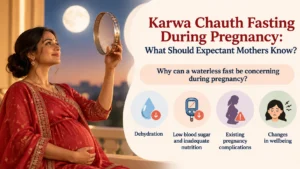
Pregnancy increases the importance of maintaining adequate nutrition and hydration. A strict waterless fast may make it harder to meet these needs, particularly if you already experience nausea, vomiting, poor appetite or other pregnancy-related symptoms.
Research on religious fasting during pregnancy is limited, and findings vary. Safety depends on the duration and nature of the fast, the stage of pregnancy, the mother’s health and whether complications are present. A waterless fast should not be undertaken during pregnancy without first discussing it with an obstetrician.
Why can a waterless fast be concerning during pregnancy?
- Dehydration: Pregnancy can increase the importance of maintaining fluid balance. Going without water may worsen dehydration, particularly if you are already vomiting or struggling to drink enough.
- Low blood sugar and inadequate nutrition: Going for an extended period without food may make it more difficult to maintain adequate energy intake, especially if you have gestational diabetes or other nutritional concerns.
- Existing pregnancy complications: Women with gestational diabetes, anaemia, significant vomiting, multiple pregnancies or other medical or obstetric complications may need additional precautions.
- Changes in wellbeing: Headache, dizziness, unusual weakness or reduced urination should not be dismissed as ordinary fasting symptoms during pregnancy.
Can a pregnant woman keep a Karwa Chauth fast?
The safest decision depends on the individual pregnancy. However, a strict waterless fast is not a sensible default during pregnancy, and women should discuss it with their obstetrician before deciding.
Your doctor may recommend avoiding the fast, particularly if you have a high-risk pregnancy or a condition that makes dehydration or prolonged food restriction more concerning.
If you choose to participate in the rituals, you can discuss alternatives that do not involve going without water or essential nutrition. You may be able to observe the prayers and customs without undertaking the physical fast.
Seek medical advice promptly if you experience persistent vomiting, fainting, significant dizziness, reduced urination, vaginal bleeding, painful contractions or reduced fetal movement when you would normally feel your baby move.
Your health and your baby’s wellbeing should remain the priority. Observing a festival does not require you to ignore medical advice.
4. People With Kidney Disease or Heart Conditions
The kidneys help regulate fluid and electrolyte balance, while the heart circulates blood throughout the body. When either organ is affected by a chronic condition, dehydration can become more complicated.
For people with chronic kidney disease, significant fluid loss may contribute to worsening kidney function or electrolyte disturbances. People with heart failure may also have complex fluid-management needs.
This does not mean everyone with kidney or heart disease should drink unlimited water. Some patients are prescribed fluid restrictions, and their treatment plans must be followed.
If you have kidney disease, heart failure or a history of serious cardiovascular problems, consult your treating specialist before attempting a waterless fast. Do not change your fluid restriction or medication schedule independently.
5. Older Adults and People Taking Certain Medicines
Older adults may be more vulnerable to dehydration, especially if they have reduced thirst, mobility limitations or other medical conditions.
Certain medicines can also increase the risk of dehydration or blood pressure changes. These may include:
- Diuretics, which increase urine production.
- Some diabetes medicines, particularly sodium-glucose cotransporter-2 (SGLT2) inhibitors.
- Medicines that affect blood pressure or kidney function, depending on the person’s health and hydration status.
This does not mean these medicines should automatically be stopped before fasting. Instead, your doctor or pharmacist should review your medication list and advise you on the safest approach. Never adjust prescribed medicines on your own.
What Are the Warning Signs of Dehydration During Karwa Chauth?

It is important to recognise when your body may not be tolerating a waterless fast.
Early symptoms of dehydration can include:
- Excessive thirst or a very dry mouth.
- Headache.
- Tiredness or unusual weakness.
- Dizziness, especially when standing up.
- Dark yellow urine.
- Passing urine less often than usual.
More serious symptoms may include a persistent rapid heartbeat, rapid breathing, fainting, confusion or difficulty staying awake. These can indicate a more serious problem and require urgent medical attention.
When should you break the fast?
Do not ignore symptoms in the hope that they will disappear by moonrise.
If you develop significant dizziness, shaking, sweating, confusion, faintness or symptoms that suggest low blood sugar or dehydration, stop the fast and seek appropriate medical advice. If you have diabetes, follow your prescribed plan for treating low blood sugar.
If you are confused, faint, difficult to wake, severely breathless or experiencing chest pain, seek emergency medical assistance.
If you are pregnant and develop concerning symptoms, contact your obstetrician or maternity service promptly.
How to Prepare for Karwa Chauth More Safely
If your doctor has assessed your health and says that your planned fast is appropriate, preparation may help reduce avoidable risks. These measures do not make a waterless fast safe for everyone, and they should not replace individual medical advice.
1. Speak to your doctor beforehand
If you have diabetes, hypertension, kidney disease, heart disease or another chronic condition, arrange a discussion before the festival.
Ask whether you should fast, whether any monitoring is needed and how to manage your prescribed treatment.
2. Maintain adequate hydration before and after the fast
Drink fluids regularly during the period when you are not fasting, unless your doctor has prescribed a fluid restriction.
Avoid deliberately restricting water before the fast to prepare your body. This does not make dehydration safer.
3. Choose a balanced pre-fast meal
If you are permitted to eat before the fast, choose a balanced meal that includes suitable sources of carbohydrates, protein and fibre.
Depending on your dietary needs, options may include whole grains, fruit, vegetables, yoghurt, pulses, nuts or other protein-rich foods.
People with diabetes, pregnancy-related dietary needs or kidney disease should follow their individual meal plans rather than a generic festival diet.
4. Avoid excessive heat and strenuous activity
Spending long periods outdoors in hot weather or undertaking strenuous exercise can increase fluid loss through sweating.
Where possible, rest in a cool environment and avoid unnecessary physical exertion.
5. Do not experiment with medicines
Do not skip prescribed medication, take extra doses or alter medicine timing to fit the fast without professional advice.
This is especially important for insulin, diabetes medicines, blood pressure treatment and medicines that affect fluid balance.
6. Know your limits and seek help early
If you begin to feel unwell, do not wait for symptoms to become severe.
People who have been advised not to fast should follow that advice. If you have been given an individualised plan, follow it carefully and seek medical help if your condition changes.
What Should You Eat and Drink After Breaking the Fast?
After a prolonged period without food or water, it is sensible to resume eating and drinking gradually rather than consuming a very large meal immediately.
For people who are medically able to drink fluids, water can help replace fluid losses. If you have a prescribed fluid restriction, follow your clinician’s instructions.
When eating, consider:
- A balanced meal with appropriate portions.
- Sources of protein, such as pulses, yoghurt, paneer or other suitable foods.
- Vegetables, fruit and whole grains according to your dietary needs.
- Moderate portions of sweets and fried foods.
People with diabetes should avoid consuming a large amount of sugar at once and should follow their usual glucose-management plan. Pregnant women should follow their obstetrician’s nutritional advice, while people with kidney or heart conditions should adhere to their prescribed dietary and fluid restrictions.
If you remain dizzy, unusually weak or unable to keep fluids down, do not assume that eating a meal will resolve the problem. Seek medical assessment.
Can You Observe Karwa Chauth Without a Waterless Fast?
Yes. Participating in the cultural and spiritual aspects of Karwa Chauth fast does not have to mean putting your health at risk.
Depending on your beliefs and family traditions, alternatives may include participating in the puja, listening to the customary stories, dressing for the occasion, spending time with family or observing the rituals without restricting water and essential nutrition.
If you have a medical condition or are pregnant, discuss appropriate alternatives with your doctor and, if helpful, your family or religious community.
The aim is not to diminish the importance of the festival. It is to recognise that individual health circumstances differ and that medical needs deserve respect.
Frequently Asked Questions (FAQs)
1. Can diabetics keep a Karwa Chauth fast?
Some people with diabetes may be able to follow a modified fasting plan after medical assessment, but a strict waterless fast can be dangerous for those with poorly controlled diabetes, recurrent hypoglycaemia, type 1 diabetes or certain medication regimens. Consult your treating doctor before deciding, and never change your medication independently.
2. Is Karwa Chauth fasting safe for pregnant women?
A strict waterless fast is not recommended as a default during pregnancy. The decision depends on the pregnancy, existing conditions and individual medical advice. Speak to your obstetrician before fasting, particularly if you have gestational diabetes, anaemia, vomiting or other complications.
3. Can I keep a Karwa Chauth fast if I have high blood pressure?
It depends on how well your blood pressure is controlled, the medicines you take and whether you have other conditions. Dehydration may contribute to low blood pressure, dizziness or kidney-related complications in some people. Ask your doctor before undertaking a waterless fast.
4. What are the first signs of dehydration during fasting?
Common early signs include thirst, dry mouth, headache, tiredness, dizziness, dark yellow urine and reduced urination. Severe weakness, fainting, confusion or rapid breathing require urgent assessment.
5. Should I stop my medicines while observing Karwa Chauth?
No. Do not stop or change prescribed medicines without advice from your treating doctor. Some medicines require specific timing or monitoring, and inappropriate changes can be dangerous.
6. What should I do if I feel dizzy during a waterless fast?
Stop the fast and sit or lie down somewhere safe. If you can drink safely and have no prescribed fluid restriction, begin replacing fluids. If you have diabetes, check your blood glucose if possible and follow your treatment plan. Seek medical help if symptoms persist, are severe or are accompanied by fainting, confusion, chest pain or breathlessness.
7. Who should avoid a strict nirjala fast?
People with type 1 or poorly controlled diabetes, recurrent low blood sugar, significant kidney or heart disease, unstable blood pressure, acute illness, and certain medication regimens may need to avoid it. Pregnant women should discuss fasting with their obstetrician before attempting it. Individual medical advice is essential.
Conclusion
Karwa Chauth is a special occasion for many families, but a waterless fast is not suitable for everyone.
People with diabetes, high blood pressure, kidney disease, heart conditions and other chronic illnesses may face additional risks. Pregnancy also calls for particular care because hydration and nutrition are important for both maternal and fetal wellbeing.
Before deciding to fast, consider your medical history, medicines and current health. If your doctor advises against a strict fast, take that advice seriously. If you begin to feel unwell, do not ignore the symptoms or wait until the fast is due to end.
For people seeking medical advice before Karwa Chauth, consulting a qualified physician, diabetes specialist or gynaecologist can help clarify individual risks and appropriate precautions.
At Rama Hospital, Noida, patients can seek professional medical guidance for diabetes, blood pressure concerns, pregnancy-related health questions and other conditions that may affect fasting decisions.
Celebrate the occasion in a way that respects both your traditions and your health.