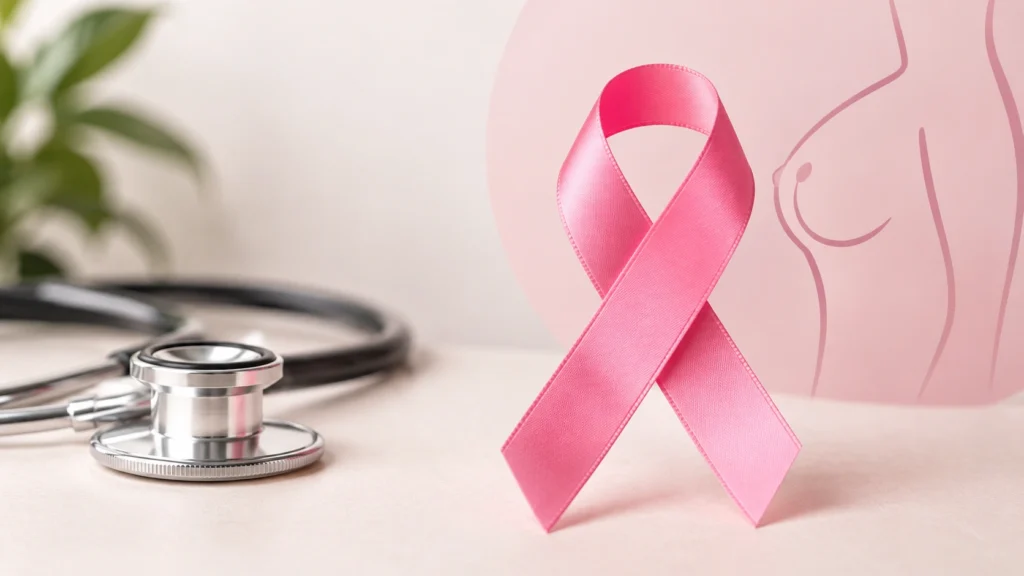
Breast cancer is one of the most common cancers in women worldwide and in India. It happens when cells in the breast grow in an uncontrolled way and form a lump or mass. While breast cancer is more common in women, it can also occur in men, though this is rare. The good news is that when detected early, this is highly treatable, and many patients go on to live full, healthy lives.
Many people feel fear or confusion when they hear the word cancer. But modern medicine has made significant progress in breast cancer treatment. With early detection, proper diagnosis, and the right treatment plan, outcomes have improved greatly. Understanding the signs, risk factors, and treatment options can help patients and families make informed decisions and seek care at the right time.
What is Breast Cancer?
Breast cancer starts in the cells of the breast, usually in the milk-producing glands or the ducts that carry milk to the nipple. When these cells grow abnormally and do not die when they should, they can form a tumor. Not all breast lumps are cancerous. Some are benign, meaning they are not cancer. But only a doctor can confirm this through proper tests.
This can remain in the breast or spread to nearby lymph nodes and other parts of the body. The stage of cancer describes how far it has grown or spread. Early-stage breast cancer is usually easier to treat and has a better outcome. Advanced or metastatic breast cancer means the cancer has spread to distant organs and needs more complex treatment.
Understanding the type and stage of cancer is essential for planning the right treatment. Every patient’s situation is different, and treatment is personalized based on the cancer’s characteristics and the patient’s overall health.
Types of Breast Cancer
This is not one single disease. There are different types based on where it starts, how it behaves, and whether it has spread.
Common types include:
- Ductal carcinoma in situ, which is an early, non-invasive form where abnormal cells are only in the milk ducts.
- Invasive ductal carcinoma, which starts in the milk ducts and spreads into nearby breast tissue.
- Invasive lobular carcinoma, which starts in the milk-producing glands and spreads to surrounding tissue.
- Triple-negative breast cancer, which does not have certain hormone receptors and may need different treatment.
- Hormone receptor-positive breast cancer, which grows in response to hormones like estrogen or progesterone.
- HER2-positive breast cancer, which has a specific protein that can be targeted with special medicines.
- Inflammatory breast cancer, which is rare and aggressive, causing redness and swelling of the breast.
- Metastatic breast cancer, which has spread to other parts of the body such as bones, liver, lungs, or brain.
Why type matters: The type of cancer helps doctors decide the best treatment. Some types respond well to hormone therapy. Others may need targeted therapy or chemotherapy. Knowing the type also helps predict how the cancer may behave over time.
Causes of Breast Cancer
The exact cause of cancer is not always clear. It happens when changes occur in the DNA of breast cells, causing them to grow uncontrollably. These changes can be due to a mix of genetic, hormonal, lifestyle, and environmental factors.
Common causes and contributing factors
- Genetic mutations such as BRCA1 and BRCA2.
- Family history of breast or ovarian cancer.
- Hormonal factors such as early periods, late menopause, or hormone therapy.
- Older age.
- Previous radiation to the chest.
- Obesity, especially after menopause.
- Alcohol use.
- Lack of physical activity.
- Never having children or having first child after age thirty.
- Dense breast tissue.
Why these factors matter: Some factors increase exposure to estrogen, which can fuel certain cancers. Others affect how the body repairs DNA or controls cell growth. Understanding risk factors helps in planning screening and prevention strategies.
Risk Factors for Breast Cancer
Some people are more likely to develop breast cancer than others.
Higher-risk groups
- Women over the age of fifty.
- People with a family history of breast cancer.
- Those with genetic mutations like BRCA1 or BRCA2.
- Women who started periods early or went through menopause late.
- People who have never had children or had their first child after thirty.
- Those who use long-term hormone replacement therapy.
- Obese individuals, especially after menopause.
- People who drink alcohol regularly.
- Those with a history of breast conditions or previous breast cancer.
- Individuals who had radiation to the chest in the past.
Why risk increases in these groups
- More lifetime exposure to estrogen can increase risk.
- Genetic changes can make cells more likely to become cancerous.
- Obesity and alcohol can affect hormone levels and inflammation.
- Age increases the chance of DNA changes over time.
Symptoms of Breast Cancer
Early breast cancer may not cause any symptoms. That is why regular screening is important. When symptoms do appear, they can vary from person to person.
Common symptoms
- A new lump or thickening in the breast or underarm.
- Change in breast size or shape.
- Dimpling or puckering of the skin.
- Redness or scaling of the breast skin.
- Nipple turning inward.
- Nipple discharge other than breast milk, especially if bloody.
- Pain in the breast or nipple that does not go away.
- Swelling in part of the breast.
- Change in breast texture or appearance.
Symptoms that need urgent attention
- A hard, painless lump that does not go away.
- Nipple discharge with blood.
- Skin changes that look like an orange peel.
- Swelling or lump in the armpit.
- Persistent breast pain with no clear cause.
Breast Cancer in Different Age Groups
This can affect people of different ages, but the pattern and risk may vary.
In younger women
- This is less common but can be more aggressive.
- Genetic factors play a bigger role.
- Fertility and family planning may be part of treatment discussions.
In middle-aged women
- Risk increases with age.
- Regular screening becomes more important.
- Treatment plans may consider work, family, and lifestyle.
In older women
- Most breast cancers occur after age fifty.
- Other health conditions may affect treatment choices.
- Focus may be on quality of life and managing side effects.
How is Breast Cancer Diagnosed?
Diagnosis is based on symptoms, physical examination, imaging tests, and biopsy. Early diagnosis improves treatment options and outcomes.
Diagnostic steps
- Detailed history of symptoms and risk factors.
- Family history of breast or ovarian cancer.
- Clinical breast examination by a doctor.
- Imaging tests to visualize the breast and nearby areas.
- Biopsy to confirm whether a lump is cancerous.
Common tests that may be done
- Mammogram to screen for breast changes.
- Ultrasound to evaluate lumps, especially in younger women.
- MRI for detailed imaging in selected cases.
- Biopsy to take a small sample of tissue for testing.
- Hormone receptor and HER2 testing to guide treatment.
- Blood tests to check overall health and organ function.
- Imaging such as CT, PET, or bone scan if spread is suspected.
Why diagnosis matters: Accurate diagnosis helps determine the type, stage, and best treatment plan. It also helps identify whether the cancer is hormone-sensitive or HER2-positive, which affects medicine choices.
Treatment for Breast Cancer
Treatment depends on the type, stage, hormone receptor status, HER2 status, and the patient’s overall health. A combination of treatments is often used for the best outcome.
1. Surgery
Surgery is often the first step in treating cancer.
- Lumpectomy removes the tumor and a small margin of healthy tissue.
- Mastectomy removes the whole breast and sometimes nearby lymph nodes.
- Sentinel lymph node biopsy checks if cancer has spread to lymph nodes.
- Axillary lymph node dissection removes more lymph nodes if needed.
- Breast reconstruction may be done at the same time or later.
2. Radiation Therapy
Radiation uses high-energy beams to kill cancer cells.
- Often given after lumpectomy to reduce recurrence risk.
- May be used after mastectomy in certain cases.
- Given in daily sessions over several weeks.
- Side effects may include fatigue and skin changes.
3. Chemotherapy
Chemotherapy uses medicines to kill cancer cells throughout the body.
- May be given before surgery to shrink the tumor.
- May be given after surgery to kill remaining cancer cells.
- Used for advanced or metastatic breast cancer.
- Side effects may include hair loss, nausea, fatigue, and low immunity.
4. Hormone Therapy
Hormone therapy blocks hormones that fuel certain breast cancers.
- Used for hormone receptor-positive breast cancer.
- May be given for five to ten years.
- Common medicines include tamoxifen or aromatase inhibitors.
- Side effects may include hot flashes, joint pain, or mood changes.
5. Targeted Therapy
Targeted therapy attacks specific proteins or genes in cancer cells.
- Used for HER2-positive breast cancer.
- Given as injections or infusions.
- Often combined with chemotherapy.
- Side effects vary depending on the medicine.
6. Immunotherapy
Immunotherapy helps the body’s immune system fight cancer.
- Used in selected cases of advanced breast cancer.
- Given as infusions.
- May be combined with chemotherapy.
- Side effects depend on the specific treatment.
Recovery After Treatment
Recovery depends on the type of treatment, stage of cancer, and the patient’s overall health.
Recovery after surgery
- Hospital stay may be short for lumpectomy and longer for mastectomy.
- Pain and swelling are common but manageable.
- Arm movement exercises may be advised to prevent stiffness.
- Follow-up visits are important to monitor healing.
Recovery after chemotherapy or radiation
- Fatigue is common but improves over time.
- Blood counts are monitored regularly.
- Infection prevention is important during treatment.
- Nutrition and rest support recovery.
Long-term follow-up
- Regular check-ups to monitor for recurrence.
- Imaging and blood tests as advised.
- Bone health monitoring if on hormone therapy.
- Heart health monitoring if certain medicines were used.
- Emotional and psychological support as needed.
Possible Complications
Breast cancer and its treatment can lead to short-term and long-term complications.
Complications of breast cancer
- Spread to lymph nodes or other organs.
- Pain or discomfort in the breast or chest.
- Emotional distress or anxiety.
Complications of treatment
- Infection or bleeding after surgery.
- Lymphedema or swelling in the arm.
- Fatigue from chemotherapy or radiation.
- Early menopause or fertility issues.
- Bone thinning from hormone therapy.
- Heart effects from certain medicines.
- Emotional or mood changes.
Why complications happen: Cancer treatment affects both cancer cells and healthy cells. The body needs time to recover. Supportive care and follow-up help manage and reduce complications.
When Should You See a Doctor?
Medical evaluation is important for anyone with breast changes or risk factors.
- A new lump or thickening in the breast or underarm.
- Change in breast size or shape.
- Nipple discharge or inversion.
- Skin changes on the breast.
- Persistent breast pain.
- Family history of breast cancer.
- Concerns about breast health or screening.
Prevention of Breast Cancer
Not all breast cancers can be prevented, but risk can be reduced.
- Regular breast self-awareness and clinical exams.
- Mammogram screening as advised by age and risk.
- Maintain a healthy weight.
- Limit alcohol intake.
- Exercise regularly.
- Breastfeed if possible.
- Avoid long-term hormone therapy unless necessary.
- Discuss risk-reducing options if high risk.
For people with family history
- Talk to a doctor about earlier or more frequent screening.
- Consider genetic counseling and testing.
- Discuss risk-reducing medicines or surgery if appropriate.
Why Choose Rama Hospital for Breast Cancer Treatment?
The care requires a team of specialists, advanced technology, and compassionate support. A hospital with experienced oncologists, surgeons, radiologists, and counselors can make a major difference in outcomes and quality of life.
- Expert evaluation by breast oncology specialists.
- Advanced imaging and pathology for accurate diagnosis.
- Personalized treatment plans based on cancer type and stage.
- Surgical, medical, and radiation oncology under one roof.
- Support for nutrition, rehabilitation, and emotional well-being.
- Long-term follow-up and survivorship care.
Frequently Asked Questions (FAQs)
Can men get breast cancer?
Yes, men can get breast cancer, though it is rare. Men may notice a lump, nipple changes, or swelling. Any persistent breast change in men should be evaluated by a doctor.
Is breast cancer hereditary?
Some breast cancers are linked to genetic mutations like BRCA1 and BRCA2. Family history increases risk, but many breast cancers occur in people with no family history.
Can breast cancer be cured?
Many breast cancers can be treated successfully, especially when found early. Treatment may include surgery, chemotherapy, radiation, hormone therapy, or targeted therapy depending on the type and stage.
What are the early signs of breast cancer?
Early signs may include a new lump, change in breast shape, skin dimpling, nipple inversion, or discharge. Some people have no symptoms, which is why screening is important.
How is breast cancer diagnosed?
Diagnosis is done through clinical exam, mammogram, ultrasound, MRI, and biopsy. Tests also check hormone receptors and HER2 status to guide treatment.
What is the treatment for breast cancer?
Treatment may include surgery, radiation, chemotherapy, hormone therapy, targeted therapy, or immunotherapy. The plan is personalized based on cancer type, stage, and patient health.
Can breast cancer come back after treatment?
Yes, breast cancer can come back, which is why follow-up care is important. Regular check-ups, imaging, and healthy lifestyle choices help monitor and reduce recurrence risk.
Conclusion
Breast cancer is a common but treatable condition when detected early. It affects not only physical health but also emotional well-being and quality of life. With modern treatment options, many patients achieve excellent outcomes and return to normal life.
The most important steps are awareness, early detection, proper diagnosis, and personalized treatment. For patients with breast changes, family history, or concerns about screening, a medical evaluation can make a major difference. With the right care and support, patients can navigate treatment with confidence and hope.
Rama Hospital can help evaluate breast cancer, provide expert treatment, and support patients and families through every step of the journey, from diagnosis to recovery and beyond.