IMRT, or Intensity-Modulated Radiation Therapy, is an advanced form of radiation therapy used to treat cancer with high precision. It allows doctors to deliver strong doses of radiation directly to a tumor while reducing exposure to nearby healthy tissues. This makes IMRT especially useful for cancers located close to important organs such as the brain, spinal cord, lungs, heart, liver, kidneys, bladder, or rectum.
Many patients hear the term IMRT during cancer treatment planning but may not fully understand what it means or how it works. This page explains IMRT in simple, detailed language. It covers what IMRT is, how it works, which cancers it treats, how treatment is planned, what happens during sessions, possible side effects, recovery, and how it compares with other radiation techniques.
IMRT stands for Intensity-Modulated Radiation Therapy. It is a type of external beam radiation therapy that uses advanced technology to shape and control radiation beams. Unlike older radiation methods that deliver a uniform dose, IMRT can vary the intensity of radiation across different parts of the tumor.
This means the radiation can be stronger in areas where the tumor is dense and weaker in areas close to healthy organs. The goal is to maximize the dose to the cancer while protecting normal tissue as much as possible.
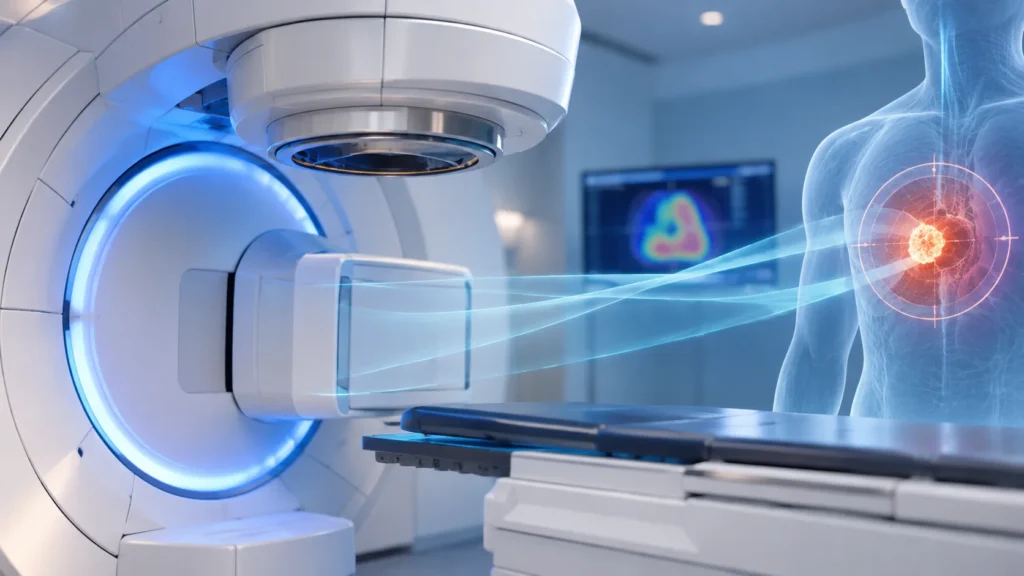
Intensity-Modulated Radiation Therapy uses a machine called a linear accelerator, or LINAC. This machine delivers radiation beams from different angles around the body. Special devices inside the machine, called multileaf collimators, shape the beams and adjust the intensity during treatment.
Intensity-Modulated Radiation Therapy works by breaking the radiation dose into many small beams that can be adjusted individually. This allows the radiation to conform very closely to the shape of the tumor.
Because Intensity-Modulated Radiation Therapy can shape the radiation so precisely, it can treat tumors that are irregular in shape or located near sensitive structures. This reduces the risk of damage to healthy tissue and may lower side effects.
IMRT is used for many types of cancer, especially those located near critical organs.
IMRT offers several advantages over conventional radiation therapy.
In areas like the brain, head and neck, pelvis, or abdomen, there are many important organs close together. IMRT allows doctors to treat the tumor while sparing organs such as the spinal cord, salivary glands, heart, lungs, kidneys, bladder, or bowel.
Before IMRT begins, a detailed planning process is done to ensure accuracy and safety.
During simulation, the patient is positioned exactly as they will be during treatment. Immobilization devices such as masks, cushions, or molds may be used. This ensures the same position is maintained in every session.
CT scan is usually the main imaging test used for planning. MRI or PET scans may also be used to get more detail about the tumor and surrounding tissues.
The radiation oncologist works with a medical physicist and dosimetrist to create the plan. The plan outlines the dose to the tumor and the dose limits for nearby organs.
Each Intensity-Modulated Radiation Therapy session is usually short and painless.
Most patients do not feel anything during the session. The radiation is invisible and painless. Some patients may feel anxious or uncomfortable lying still, but the team helps make the process as comfortable as possible.
The number of sessions depends on the type and stage of cancer. It may range from a few sessions to daily sessions over several weeks.
Side effects depend on the part of the body being treated, the dose, and the patient’s overall health.
Most side effects improve after treatment ends. Some patients may have long-term effects depending on the area treated and the dose received. These may include dry mouth, bowel changes, urinary issues, or fatigue.
IMRT is one of several advanced radiation techniques. Understanding how it compares helps patients make informed decisions.
Recovery depends on the area treated, the dose, and the patient’s overall health.
Regular follow-up is important to monitor recovery and check for recurrence. Follow-up may include physical exams, imaging, and blood tests.
Cancer treatment can be emotionally challenging. Support from family, counselors, or support groups can help patients cope with stress, anxiety, or depression.
IMRT is suitable for many patients, but the decision depends on several factors.
Preparation helps ensure the treatment is safe and effective.
IMRT requires advanced technology, experienced specialists, and careful planning. A hospital with a dedicated radiation oncology team can make a major difference in outcomes.
IMRT stands for Intensity-Modulated Radiation Therapy. It is an advanced form of radiation therapy that shapes and adjusts radiation beams to target tumors precisely while protecting healthy tissue.
No, Intensity-Modulated Radiation Therapy is painless. Patients do not feel the radiation during treatment. Some may feel discomfort from lying still or from side effects after treatment.
Each session usually lasts 10 to 30 minutes. The actual radiation delivery may take only a few minutes, but positioning and setup take additional time.
The number of sessions depends on the type and stage of cancer. It may range from a few sessions to daily sessions over several weeks.
Side effects depend on the treatment area and may include fatigue, skin irritation, nausea, bowel changes, or urinary symptoms. Most side effects improve after treatment ends.
Intensity-Modulated Radiation Therapy offers more precision and better protection of healthy tissue compared to conventional radiation. It is especially useful for tumors near critical organs.
IMRT is used for many cancers but not all. The choice depends on tumor type, location, size, and proximity to vital organs.
No, Intensity-Modulated Radiation Therapy is usually done as an outpatient procedure. Patients go home the same day after each session.
In some cases, Intensity-Modulated Radiation Therapy can be used again, but this depends on the previous dose, location, and health of nearby tissues. The radiation oncologist will assess the risks and benefits.
Many patients can continue normal activities during treatment. Recovery after treatment depends on side effects and overall health. The care team will guide activity levels.
IMRT is an advanced radiation therapy technique that offers high precision in treating cancer while protecting healthy tissue. It is used for many types of cancer, especially those located near critical organs. With careful planning and modern technology, Intensity-Modulated Radiation Therapy can improve tumor control and reduce side effects.
The most important steps are accurate diagnosis, detailed planning, and expert delivery of treatment. For patients with cancer near vital organs or complex tumor shapes, Intensity-Modulated Radiation Therapy can make a major difference in outcomes and quality of life. With the right care, patients can undergo treatment safely and recover well.
Rama Hospital can provide Intensity-Modulated Radiation Therapy treatment with advanced technology, experienced specialists, and comprehensive supportive care from diagnosis to recovery.

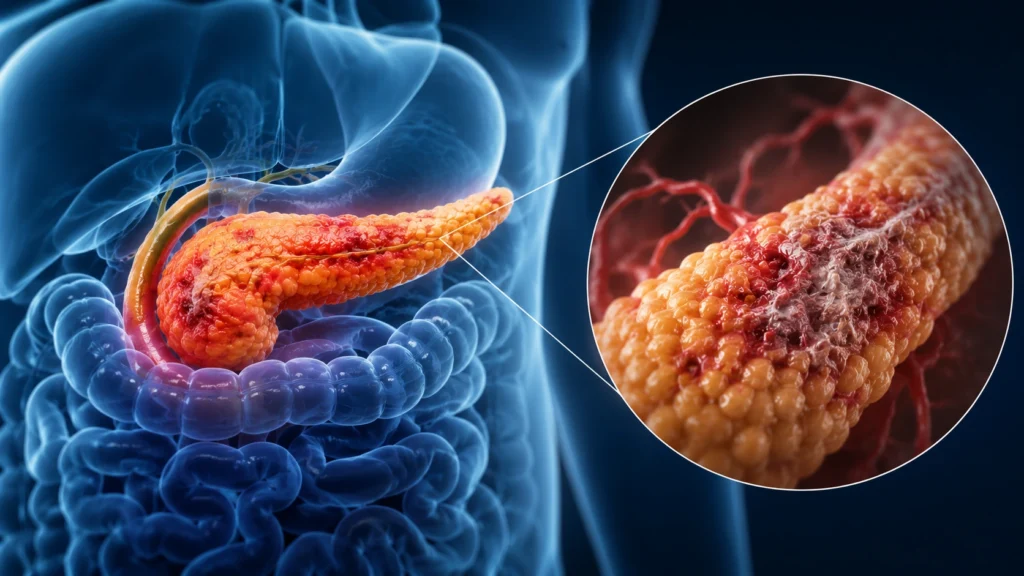
Intensity-modulated radiation therapy (IMRT) is a treatment for many kinds of cancer. It targets cancerous tumors with radiation beams that radiation oncologists can adjust to send different dosages.
No rows found.