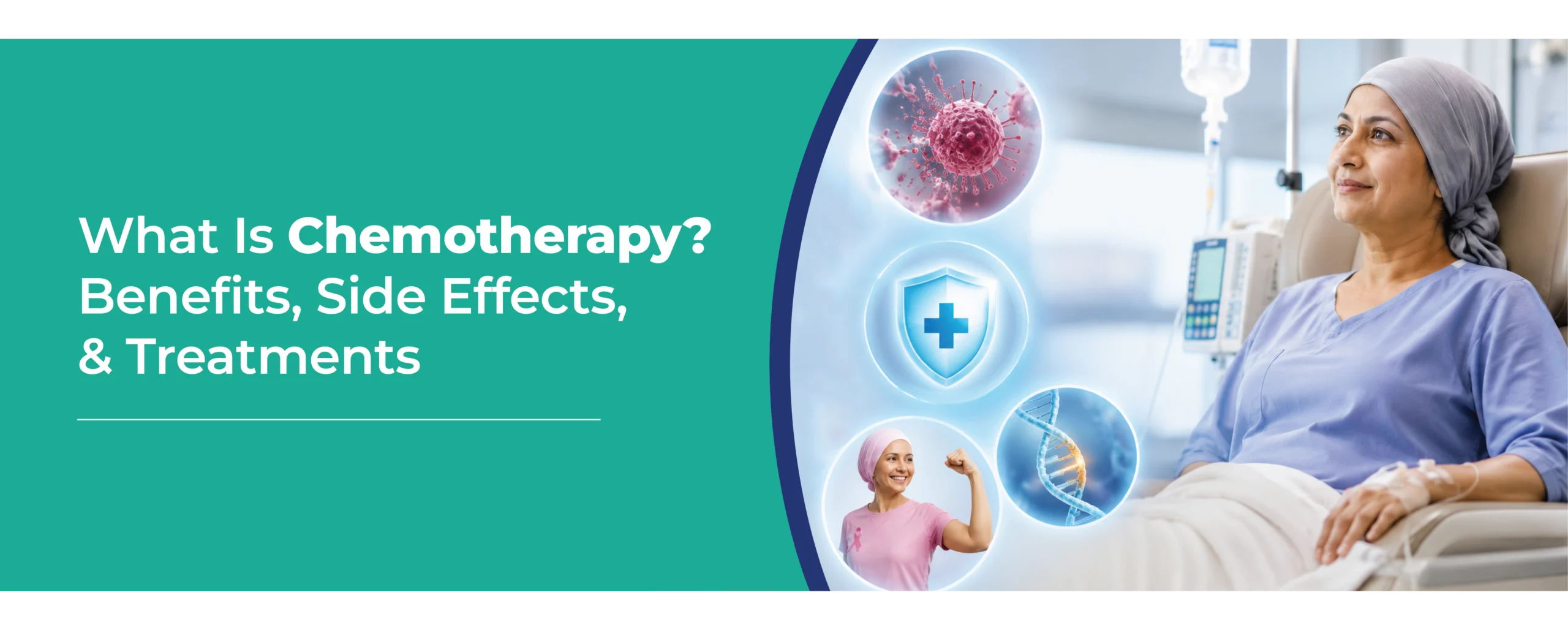
A question millions of patients and families ask every year. As one of the most widely used forms of cancer treatment, chemotherapy has helped save countless lives across the globe. Whether you or a loved one has recently been diagnosed, or you simply want to understand oncology better, this comprehensive guide covers everything you need to know, from how the treatment works to its side effects, costs, and how to choose the best oncology care in Noida.
What Is Chemotherapy?
Chemotherapy (often called “chemo”) is a type of cancer cure approach that uses powerful drugs to destroy cancer cells or stop them from dividing and growing. It is a systemic treatment, meaning it travels through the bloodstream to reach cancer cells almost anywhere in the body. Unlike surgery or radiation, which target specific areas, it can address cancer cells that have spread to multiple locations.
An oncology specialist typically prescribes it as a primary treatment, an adjuvant (post-surgery) therapy, a neoadjuvant (pre-surgery) therapy to shrink tumors, or a palliative measure to relieve symptoms and improve quality of life.
How Does Chemotherapy Work?
Cancer cells divide rapidly and uncontrollably. Chemotherapy drugs interfere with this process at various stages of the cell cycle.
Here is how it functions:
• DNA Damage: Many chemo drugs damage the DNA inside cancer cells, preventing them from reproducing.
• Blocking Cell Division: Some drugs stop cells from completing mitosis (cell division), causing them to die.
• Interrupting Growth Signals: Targeted agents block the signals cancer cells use to grow.
• Inducing Apoptosis: Chemo can trigger programmed cell death (apoptosis) in malignant cells.
Because these drugs also affect some healthy cells, particularly fast-dividing ones like hair follicles and gut lining, side effects can occur. However, normal cells are generally better at repairing themselves than cancer cells.
Which Types of Cancer Does Chemotherapy Treat?
Chemotherapy for cancer is incredibly versatile. It is used to treat a broad spectrum of malignancies, either alone or in combination with surgery, radiation, immunotherapy, or targeted therapy. Below are the main cancer types treated with chemo.
- Chemotherapy for Breast Cancer may be given before or after surgery to shrink tumors and eliminate remaining cancer cells. It is often combined with targeted therapy in HER2-positive breast cancer.
- Chemotherapy for Lung Cancer is widely used for NSCLC and SCLC. Platinum-based drugs are commonly combined with other medicines and may be used alongside immunotherapy.
- Chemotherapy for Blood Cancer treats cancers such as lymphoma and myeloma throughout the body. It is also commonly used before bone marrow transplantation.
- Chemotherapy for Ovarian Cancer is usually given after surgery. Carboplatin and paclitaxel remain the standard treatment and help reduce recurrence risk.
- Chemotherapy for Leukaemia is delivered in multiple phases to achieve remission, eliminate remaining cancer cells, and prevent disease recurrence.
- Chemotherapy for Brain Cancer is often combined with radiation therapy. Drugs like temozolomide help treat certain brain tumors, including glioblastoma.
- Chemotherapy for Tongue Cancer is commonly combined with radiation therapy to shrink tumors, improve local control, and support organ preservation.
- Chemotherapy for Stomach Cancer may be given before and after surgery to reduce tumor size, eliminate microscopic disease, and improve survival outcomes.
- Chemotherapy for Prostate Cancer is mainly used for advanced or hormone-resistant disease. It helps control cancer growth, reduce symptoms, and improve quality of life.
- Chemotherapy for Colorectal Cancer is used after surgery or alongside other treatments to reduce recurrence and improve long-term disease control.
- Chemotherapy for Cervical Cancer is often administered with radiation therapy. It improves treatment effectiveness and may also be used for advanced disease.
- Chemotherapy for Rectal Cancer is commonly given before surgery with radiation therapy to shrink tumors and reduce the risk of recurrence.
- Chemotherapy for Colon Cancer is frequently used after surgery in selected patients to lower recurrence risk and improve overall survival.
Types of Chemotherapy
Your oncology specialist will select the most appropriate type based on cancer type, stage, and your overall health.
There are several chemotherapy types used in oncology, each targeting cancer cells in a different way. The types of chemotherapy include:
• Alkylating Agents: Damage DNA to prevent cancer cell replication. Examples: cyclophosphamide, melphalan, chlorambucil.
• Antimetabolites: Interfere with DNA and RNA synthesis. Examples: methotrexate, 5-fluorouracil, gemcitabine.
• Anthracyclines: Disrupt DNA and cell membranes. Examples: doxorubicin, epirubicin.
• Topoisomerase Inhibitors: Block enzymes needed for DNA replication. Examples: irinotecan, etoposide.
• Mitotic Inhibitors (Taxanes & Vinca Alkaloids): Stop cell division. Examples: paclitaxel, docetaxel, vincristine.
• Platinum-Based Agents: Cross-link DNA strands. Examples: cisplatin, carboplatin, oxaliplatin.
• Corticosteroids: Used alongside chemo to reduce inflammation and improve drug tolerance.
Understanding the Chemotherapy Process
The process is carefully structured to maximize effectiveness while managing side effects. It involves three key phases:
Before Chemotherapy
Before treatment begins, your oncologist will:
• Conduct a full medical evaluation including blood tests, imaging, and organ function tests.
• Discuss your cancer type, stage, and treatment goals.
• Design a personalized chemotherapy plan.
• Explain potential side effects and how to manage them.
• Insert a central venous catheter or port if IV administration is planned.
You may also be asked to avoid certain medications, supplements, or foods that could interfere with chemo drugs.
During Chemotherapy
It may be administered in several ways:
• Intravenous (IV): The most common method, delivered directly into a vein via a drip or infusion pump.
• Oral: Capsules or tablets taken at home (e.g., capecitabine).
• Injection: Intramuscular or subcutaneous injection.
• Intrathecal: Injected directly into the spinal fluid for brain/spinal cancers.
• Intraperitoneal: Delivered into the abdominal cavity for ovarian cancer.
Sessions take place at a hospital or cancer clinic, often lasting between 30 minutes and several hours depending on the drugs used.
After Chemotherapy
After each session, patients are monitored for immediate reactions. Between cycles, blood counts and organ function are checked. After completing the full course, your oncologist will:
• Order imaging (CT, PET, MRI) to assess treatment response.
• Monitor for recurrence through follow-up appointments.
• Recommend supportive care, physiotherapy, or counselling.
What Are Chemotherapy Cycles?
Its refer to the scheduled pattern of treatment followed by a rest period. Rather than continuous dosing, chemotherapy is given in cycles to:
• Allow the body, particularly healthy cells, time to recover.
• Expose cancer cells to multiple rounds of drug activity.
• Reduce cumulative toxicity.
Its typical cycle lasts 2 to 4 weeks. For example, a patient might receive chemo on Day 1, then rest for the next 20–27 days before beginning the next cycle. The total number of cycles depends on the cancer type and treatment objective usually 4 to 8 cycles for most solid tumors.
Blood counts (especially white blood cells) are checked before each cycle to confirm the patient is healthy enough to continue.
What Are the Advantages of Chemotherapy?
Despite its reputation for side effects, the advantages of chemotherapy are as follows:
• Systemic Reach: Targets cancer cells throughout the body, including metastases.
• Curative Potential: Can cure certain cancers such as leukaemia, Hodgkin’s lymphoma, and testicular cancer.
• Tumor Shrinkage: Reduces tumor size before surgery, enabling more conservative procedures.
• Adjuvant Benefit: Destroys microscopic cancer cells after surgery, lowering recurrence risk.
• Palliative Relief: Relieves symptoms like pain, breathlessness, or swallowing difficulties in advanced cancer.
• Combination Power: Works synergistically with radiation, surgery, immunotherapy, and targeted therapy.
• Well-Studied: Decades of research mean oncologists can predict outcomes and manage risks effectively.
Common Chemotherapy Side Effects
Its side effects occur because the drugs affect fast-dividing healthy cells alongside cancer cells. The type and severity of side effects depend on the drug regimen, dose, frequency, and the patient’s individual health.
Short-Term Side Effects
These side effects typically occur during or soon after treatment:
• Fatigue: The most common complaint; can range from mild tiredness to exhaustion.
• Nausea and Vomiting: Modern anti-nausea drugs (antiemetics) have greatly reduced this problem.
• Hair Loss (Alopecia): Affects hair on the scalp, eyebrows, and body, usually temporary.
• Mouth Sores (Mucositis): Painful ulcers in the mouth or throat.
• Low Blood Count: Risk of anaemia (low red blood cells), neutropenia (low white blood cells), and thrombocytopenia (low platelets).
• Appetite Changes: Loss of appetite or altered taste.
• Diarrhoea or Constipation.
• Skin Rashes and Nail Changes.
Long-Term Side Effects
Some side effects may persist or appear months to years after treatment:
• Peripheral Neuropathy: Tingling, numbness, or pain in hands and feet (common with platinum drugs and taxanes).
• Cognitive Changes (‘Chemo Brain’): Memory lapses, difficulty concentrating.
• Cardiac Toxicity: Certain anthracyclines can affect heart function.
• Infertility: Chemo can impact fertility in both men and women.
• Secondary Cancers: A rare but possible long-term risk with some agents.
• Hormonal Changes: Early menopause in women.
Tips to Manage Chemotherapy Side Effects
Managing chemotherapy side effects is crucial to maintaining quality of life during treatment. Here are evidence-based tips:
• Stay Hydrated: Drink 8–10 glasses of water daily to help flush drugs from your system.
• Eat Small, Frequent Meals: Helps with nausea and appetite loss.
• Prioritise Rest: Listen to your body and sleep when you need to.
• Use Antiemetics as Prescribed: Take anti-nausea medications on schedule, not just when nauseous.
• Oral Hygiene: Rinse with a gentle saltwater solution to reduce mouth sores.
• Cold Cap Therapy: Scalp cooling may reduce hair loss during some regimens.
• Gentle Exercise: Light walking or yoga can combat fatigue and improve mood.
• Avoid Infection: Wash hands frequently; avoid crowds when white blood cell count is low.
• Emotional Support: Join a cancer support group or speak with a counsellor.
• Report Side Effects Early: Never wait, your oncology team needs to know about severe symptoms immediately.
Can Chemotherapy Cure Cancer?
Yes, in some cases, absolutely. The answer depends on several factors including cancer type, stage, and how the cancer responds to drugs.
Cancers where chemotherapy has a high cure rate include:
• Hodgkin’s Lymphoma
• Testicular Cancer
• Acute Lymphoblastic Leukaemia (ALL), especially in children
• Burkitt Lymphoma
• Choriocarcinoma
For many other cancers, can this therapy cure cancer completely? It may not provide a cure but can achieve long-term remission, slow progression, or significantly extend life while maintaining quality of life.
Your oncology specialist will set realistic expectations based on your specific diagnosis and treatment goals.
Chemotherapy Treatment Cost in Noida
Its treatment cost in Noida varies widely depending on:
• Cancer Type and Stage: Advanced cancers may require more cycles and drug combinations.
• Drug Regimen: Newer targeted or immunotherapy combinations are more expensive.
• Facility Type: Government hospitals vs. private cancer hospitals differ significantly in pricing.
• Number of Cycles: More cycles = higher overall cost.
• Additional Supportive Care: Anti-nausea medications, blood growth factors, and port placement add to the total.
Choosing the Right Cancer Hospital in Noida
Selecting the right cancer hospital in Noida is one of the most important decisions you will make. A quality cancer care center should offer:
• Board-Certified Oncology Specialists: Medical, surgical, and radiation oncologists.
• Multidisciplinary Tumor Boards: Teams that collectively design personalized treatment plans.
• State-of-the-Art Chemotherapy Suites: Comfortable infusion centers with trained oncology nurses.
• Advanced Diagnostics: PET-CT, MRI, biopsy, genetic testing, and pathology labs on-site.
• Palliative and Supportive Care: Pain management, nutritional support, and counselling.
• Transparent Pricing: Clear communication about chemotherapy treatment costs.
• Patient Support Programs: Financial assistance, transport support, and survivor groups.
Why Specialized Cancer Care Matters
When it comes to cancer treatment, specialized care makes a measurable difference in outcomes. An oncology specialist brings:
• Deep Disease-Specific Knowledge: Understanding of the latest treatment protocols, clinical trials, and resistance mechanisms.
• Precision Treatment Planning: Tailoring drug combinations and doses to your unique biology.
• Side Effect Management Expertise: Proactively addressing complications before they worsen.
• Access to Innovation: Specialized cancer care centers are often sites for clinical trials, giving patients access to cutting-edge therapies.
• Emotional and Psychological Support: Holistic care addressing the mental health impact of a cancer diagnosis.
General hospitals can manage routine care, but a dedicated cancer care center offers the full spectrum of expertise that can genuinely improve survival rates and quality of life.
Conclusion
Understanding what chemotherapy is the first step toward making informed decisions about cancer treatment. From its mechanism of action to its role across different cancer types, chemotherapy for breast cancer, for lung cancer, for blood cancer, and beyond, chemo remains one of oncology’s most powerful tools.
Yes, it comes with side effects. But with the right oncology specialist, a skilled care team, and a comprehensive cancer care centre in Noida, those challenges can be managed effectively. Whether chemotherapy is being used to cure, control, or comfort, it offers hope, and increasingly, it delivers results.
If you or someone you love is facing a cancer diagnosis, do not hesitate to reach out to a qualified oncology specialist today.
Frequently Asked Questions
Is chemotherapy painful?
Chemotherapy itself is usually not painful. You may feel mild discomfort during IV administration, while some side effects like mouth sores or nerve pain can cause discomfort and may require treatment.
How long does a chemotherapy session last?
A chemotherapy session may last from 30 minutes to several hours, depending on the drugs used and the treatment plan prescribed by the oncologist.
How many chemotherapy cycles are usually needed?
The number of chemotherapy cycles depends on the cancer type and treatment goal. Most patients receive 4–8 cycles, with each cycle typically lasting 2–4 weeks.
Can patients continue normal activities during chemotherapy?
Many patients can continue light daily activities during chemotherapy. However, fatigue and other side effects may require adjustments to work, exercise, or social schedules.
Does chemotherapy always cause hair loss?
No, chemotherapy does not always cause hair loss. The risk depends on the specific drugs used, and some patients experience little or no hair thinning.
What foods should be avoided during chemotherapy?
During chemotherapy, avoid raw or undercooked foods, unpasteurized dairy products, grapefruit, excessive alcohol, and highly processed foods to reduce infection risks and drug interactions.
Can chemotherapy cure cancer completely?
It can cure cancer completely in certain cancers such as Hodgkin’s lymphoma, testicular cancer, and some leukemias. In other cases, it may help control disease and prolong survival.