Experiencing pain, itching, or bleeding during bowel movements can be uncomfortable and may affect your daily routine. These symptoms are often caused by piles, also known as hemorrhoids, a common condition affecting millions of people worldwide. The good news is that can piles be cured is a question with a positive answer in many cases. With early diagnosis, lifestyle changes, medications, and advanced medical procedures, Piles Treatment is available for almost every stage of the condition, helping relieve symptoms and improve quality of life.
What Are Piles?
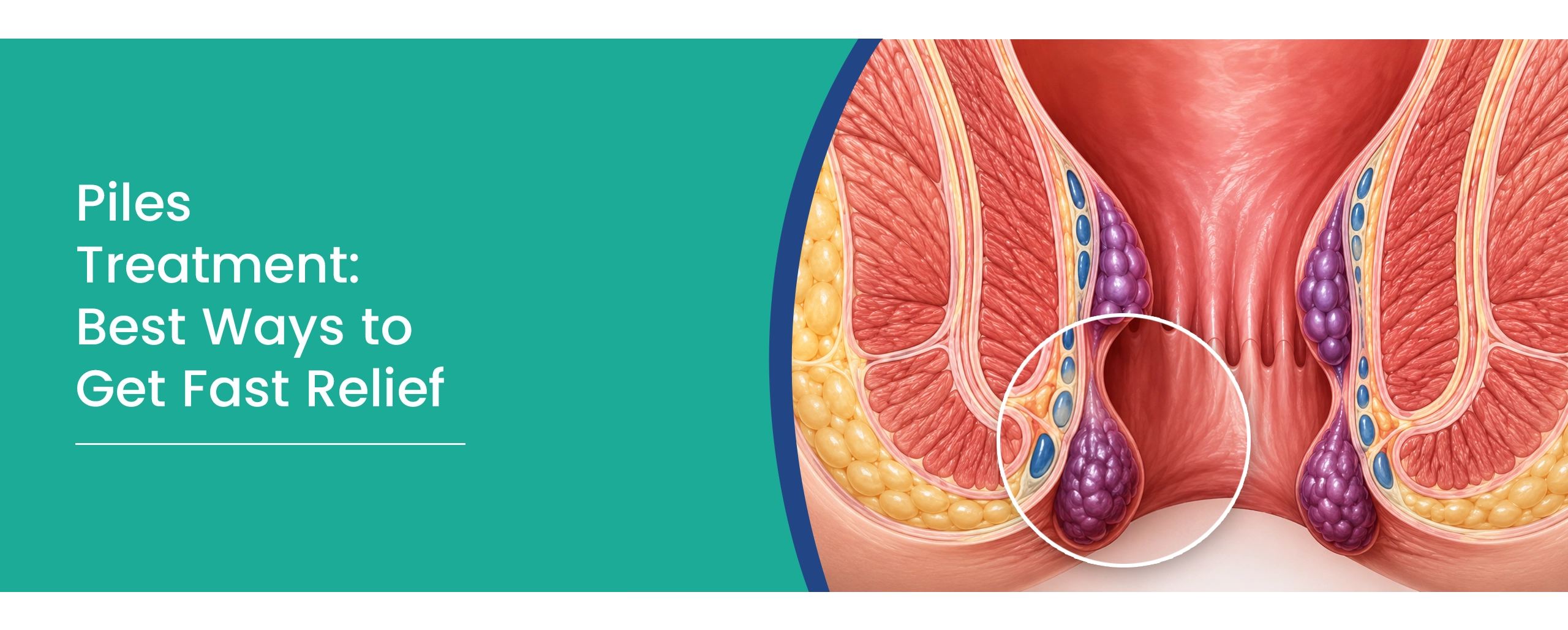
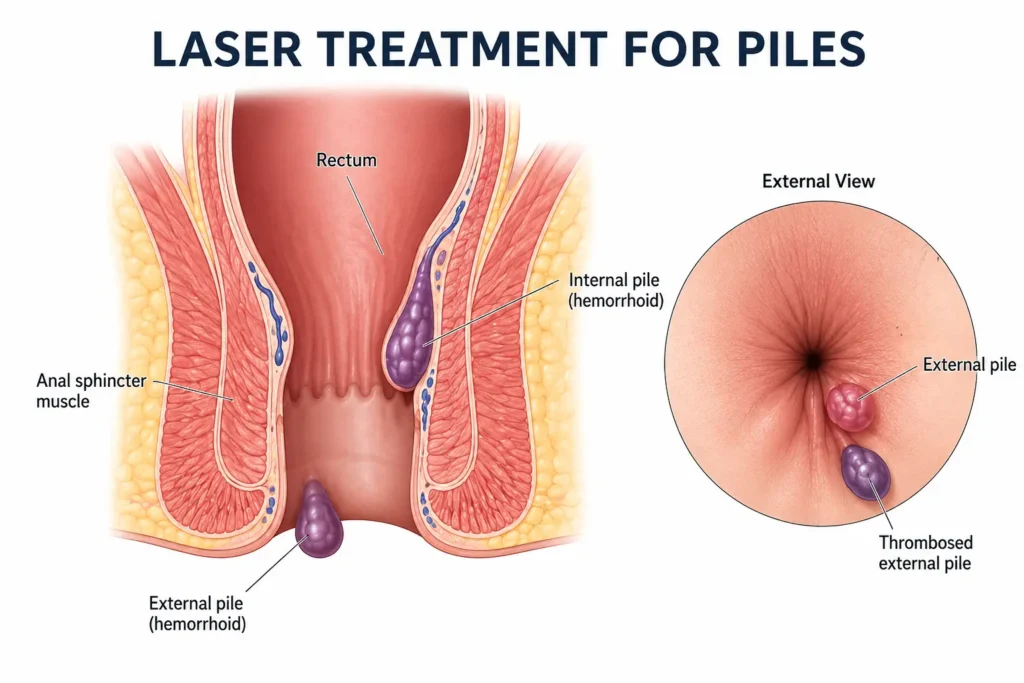
Understanding the condition is the first step towards choosing the right Piles Treatment and preventing future complications. Piles, or hemorrhoids, are swollen veins in the lower rectum or around the anus. They develop when excessive pressure causes these veins to enlarge and become inflamed. Depending on their location, piles are classified as:
- Internal piles: Located inside the rectum and usually painless but may bleed.
- External piles: Found around the anus and often cause pain, swelling, and itching.
- Thrombosed piles: Occur when a blood clot forms inside an external pile, leading to severe pain.
Although many people worry that piles are dangerous, the condition is usually not life-threatening. However, untreated piles can become increasingly painful and may require medical intervention.
Can Piles Be Cured?
Many people ask, can piles be cured or are piles curable? The answer depends on the severity of the condition.
Mild piles often improve with dietary changes, increased water intake, regular exercise, and prescribed medications. Early Piles Treatment can help control symptoms and prevent the condition from progressing.
If you’re searching for how to cure piles, remember that self-treatment may not be enough for persistent symptoms. Consulting a qualified colorectal surgeon or gastroenterologist ensures an accurate diagnosis and the most suitable treatment plan. Early medical care also reduces the risk of complications and improves recovery.
Best Treatment Options for Fast Relief
The right piles treatment depends on the grade of piles, symptom severity, and overall health. Common options include:
1. Lifestyle Modifications: Increasing fibre intake, drinking plenty of water, and exercising regularly help soften stools and reduce strain during bowel movements. These simple changes are often recommended as the first step in managing piles.
2. Medications: Doctors may prescribe creams, ointments, suppositories, stool softeners, or pain-relieving medicines to reduce inflammation, itching, and discomfort. While medications provide symptom relief, they may not permanently eliminate larger piles.
3. Non-Surgical Procedures: For moderate piles, procedures such as rubber band ligation, sclerotherapy, and infrared coagulation can effectively shrink hemorrhoids with minimal downtime. These treatments are performed on an outpatient basis and usually allow patients to return to normal activities quickly.
4. Laser Surgery for Piles: One of the most advanced options available today, laser surgery for piles uses focused laser energy to shrink or remove hemorrhoidal tissue with minimal bleeding and less postoperative pain. The procedure is precise, requires a shorter hospital stay, and typically offers faster recovery than conventional surgery.
5. Conventional Surgery: For severe or recurrent piles, surgical procedures such as hemorrhoidectomy or stapled hemorrhoidopexy may be recommended. These remain highly effective, especially when other treatments have not provided lasting relief.
Regardless of the treatment method, consulting an experienced specialist ensures that the condition is accurately assessed and managed according to its severity.
Laser Treatment for Piles – Is It Good or Bad?
Many patients wonder whether laser treatment for piles is good or bad. In most cases, laser treatment is considered a safe and effective option, especially for Grade II and Grade III piles. During the procedure, a laser beam precisely shrinks the swollen blood vessels without large surgical cuts.
Compared to traditional surgery, laser treatment for piles offers several advantages, including less pain, minimal bleeding, lower risk of infection, shorter hospital stays, and faster recovery. Most patients can resume their daily activities within a few days. However, it may not be suitable for everyone, particularly those with very large or advanced hemorrhoids. A colorectal surgeon can determine whether laser therapy is the best option based on the severity of your condition. For many patients, laser therapy has become a preferred Piles Treatment because of its precision, reduced pain, and quicker recovery.
Is Piles Dangerous If Left Untreated?
Many people ask, is piles dangerous if left untreated. While piles are generally not life-threatening, ignoring the symptoms can lead to complications. Persistent bleeding may cause anaemia, while untreated piles can become prolapsed or develop painful blood clots (thrombosed piles). In some cases, severe pain and swelling can significantly affect daily life.
If you notice continuous bleeding, severe pain, or a lump that doesn’t improve, seek medical advice promptly. Early diagnosis helps prevent complications and ensures timely treatment.
How to Cure Piles Naturally at Home
While home remedies may provide relief from mild symptoms, they should not replace medical Piles Treatment for persistent or severe cases. If you’re wondering how to cure piles naturally, home care can help relieve mild symptoms, although it may not eliminate advanced piles. Some effective self-care measures include:
- Eat a high-fibre diet rich in fruits, vegetables, legumes, and whole grains.
- Drink 2–3 litres of water daily to prevent constipation.
- Avoid straining during bowel movements.
- Exercise regularly to improve digestion.
- Take warm sitz baths for 10–15 minutes to reduce pain and swelling.
- Avoid sitting on the toilet for prolonged periods.
- Maintain a healthy body weight.
If symptoms persist despite these measures, consult a doctor for further evaluation.
Piles Treatment in India
Today, Piles treatment in India includes a wide range of options, from medications and minimally invasive procedures to advanced laser surgery. The choice of treatment depends on the grade of piles, the severity of symptoms, and the patient’s overall health.
Consulting an experienced Piles specialist ensures an accurate diagnosis and a personalised treatment plan. Many hospitals across India now offer laser procedures, which are associated with shorter recovery times and improved patient comfort. The cost of treatment varies depending on the hospital, city, and type of procedure performed.
If you are searching for the best hospital for piles treatment, look for a healthcare centre that offers personalised treatment plans, minimally invasive procedures, experienced Piles specialists, and dedicated follow-up care. Consulting an experienced Piles specialist ensures an accurate diagnosis and helps you receive the most suitable treatment for your condition.
Piles vs Fistula – Know the Difference
Although they affect the anal region, piles and fistulas are different conditions. Piles are swollen veins that cause bleeding, itching, and discomfort, whereas a fistula is an abnormal tunnel between the anal canal and the skin, often resulting from an infection. Because these conditions require different approaches, an accurate diagnosis is essential before starting Piles Treatment.
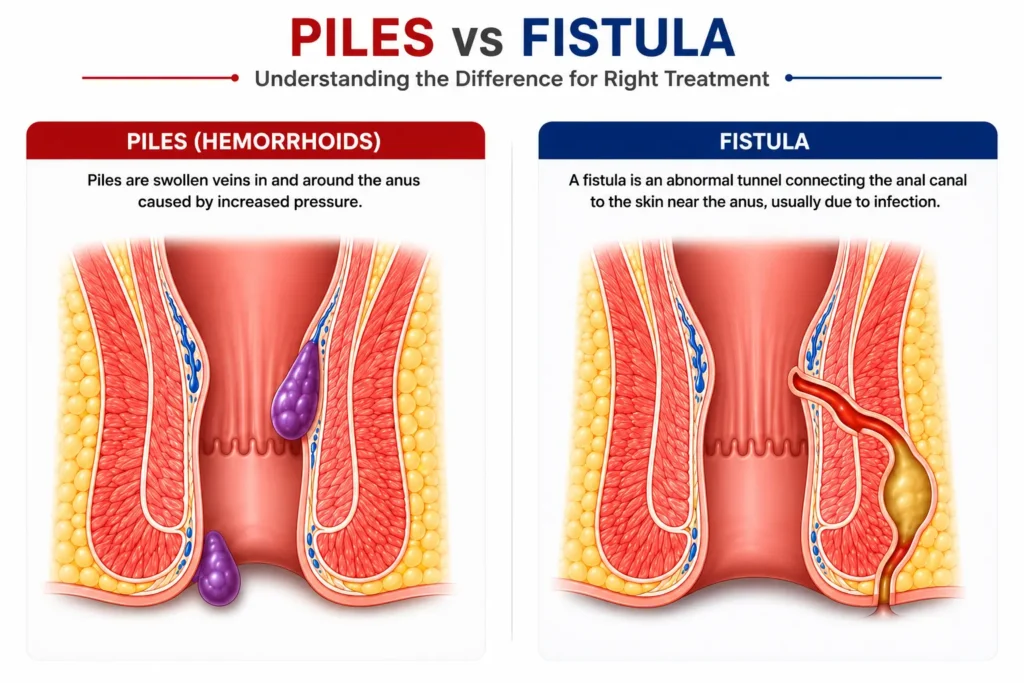
Symptoms of a fistula include persistent pus discharge, swelling, pain, and recurrent abscesses. Since the treatment approaches differ, Piles fistula treatment should always begin with a thorough evaluation by a specialist to ensure the most appropriate Piles Treatment is recommended.
When Should You Visit a Piles Specialist?
You should consult a Piles specialist if you experience:
- Rectal bleeding that occurs repeatedly.
- Severe pain or swelling around the anus.
- A lump that doesn’t disappear.
- Symptoms lasting longer than one week despite home care.
- Difficulty sitting or passing stools.
- Recurrent episodes of piles.
Seeking timely Piles Treatment can help prevent complications and improve recovery outcomes.
Tips to Prevent Piles from Coming Back
Following these healthy habits after Piles Treatment can reduce the risk of recurrence and support long-term bowel health.
- Eat a fibre-rich diet every day.
- Stay well hydrated.
- Exercise regularly.
- Avoid prolonged sitting.
- Don’t delay bowel movements.
- Maintain a healthy weight.
- Avoid excessive straining during defecation.
These simple lifestyle changes support healthy bowel function, complement Piles Treatment, and reduce pressure on the rectal veins.
Conclusion
Piles Treatment is highly effective when the condition is diagnosed early. With timely diagnosis, lifestyle modifications, medications, and advanced procedures such as laser surgery, most patients experience significant relief and can return to their normal activities quickly. If your symptoms persist or worsen, seek care from the best hospital for piles to receive expert evaluation and personalised treatment. Choosing the best hospital for piles treatment ensures access to experienced specialists, advanced technology, and comprehensive care for faster recovery and long-term relief.
FAQs
1. Can piles be cured permanently?
Yes. Mild piles often improve with lifestyle changes and medications, while advanced cases can be effectively treated with minimally invasive procedures or surgery.
2. How to cure piles without surgery?
Early-stage piles may be managed with a high-fibre diet, adequate hydration, medications, and non-surgical procedures such as rubber band ligation or sclerotherapy.
3. Is laser treatment for piles painful?
Laser treatment is generally less painful than conventional surgery and is associated with minimal bleeding and a faster recovery.
4. Are piles dangerous if they bleed?
Occasional bleeding is common, but persistent or heavy bleeding should be evaluated by a doctor to rule out complications or other colorectal conditions.
5. Who should I consult for piles?
You should consult a colorectal surgeon, general surgeon, or an experienced Piles specialist for proper diagnosis and treatment recommendations.