Pancreatic cancer is one of the most serious cancers because it often does not cause clear symptoms in the early stages. The pancreas is a small but important organ located behind the stomach. It helps digest food by producing enzymes and also controls blood sugar by producing insulin. When cancer develops in this organ, it can affect digestion, blood sugar, weight, appetite, and overall health.
Many patients do not notice anything unusual until the disease has already advanced. This is why pancreatic cancer is often diagnosed late. Early symptoms such as stomach discomfort, weight loss, poor appetite, or mild jaundice can be mistaken for common digestive problems. However, when these symptoms are persistent or unusual, they should not be ignored.
What is Pancreatic Cancer?
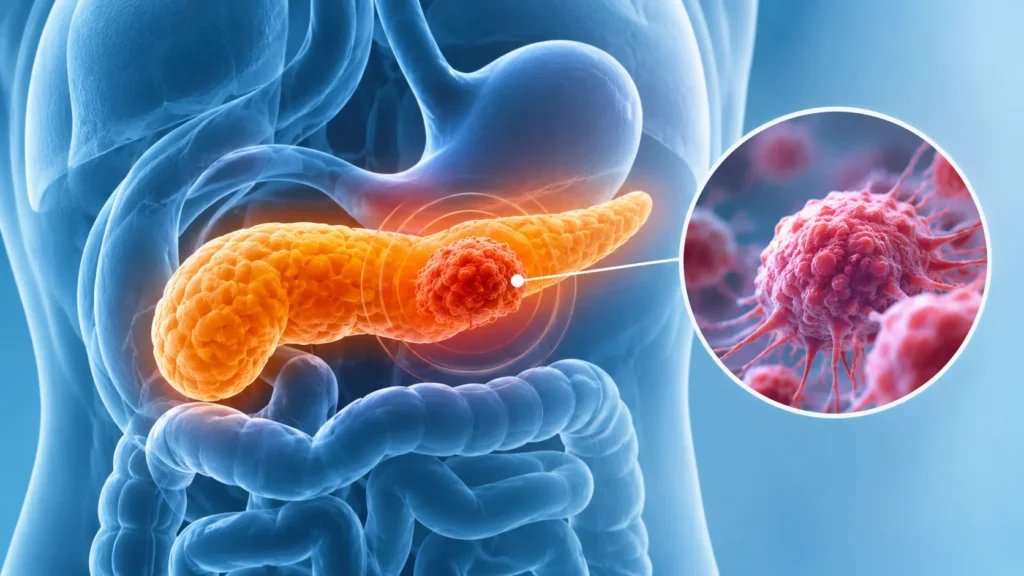
Pancreatic cancer happens when abnormal cells in the pancreas grow out of control and form a tumor. The pancreas is located deep in the abdomen, behind the stomach and close to the liver, gallbladder, and intestines. Because of this deep location, tumors in the pancreas are often hard to detect early.
Most pancreatic cancers start in the cells that line the ducts of the pancreas. These ducts carry digestive enzymes from the pancreas to the small intestine. Cancer in these cells is called pancreatic ductal adenocarcinoma and is the most common type. Less common types can start in hormone-producing cells or other parts of the pancreas.
Pancreatic cancer can spread to nearby organs such as the liver, stomach, intestines, or lymph nodes. It can also spread through the bloodstream to distant organs. Because of this, early detection and proper staging are very important.
Types of Pancreatic Cancer
Pancreatic cancer can be classified based on the type of cell it starts in and its behavior.
Based on the cell type
- Exocrine pancreatic cancer, which starts in the cells that make digestive enzymes.
- Endocrine pancreatic cancer, which starts in the hormone-producing cells of the pancreas.
- Pancreatic neuroendocrine tumors, which are less common and may produce hormones.
- Cystic tumors of the pancreas, which are fluid-filled growths that may be benign or cancerous.
- Rare tumors, which include certain lymphomas or sarcomas of the pancreas.
Based on behavior
- Benign pancreatic tumors, which do not spread to other organs.
- Premalignant tumors, which may turn into cancer over time if not treated.
- Malignant pancreatic cancer, which can grow and spread to other parts of the body.
Based on location in the pancreas
- Head of pancreas cancer, which is the most common location and may cause jaundice early.
- Body of pancreas cancer, which may cause pain or weight loss.
- Tail of pancreas cancer, which may be detected late because it is far from major ducts.
Causes of Pancreatic Cancer
The exact cause of pancreatic cancer is not always known. It usually develops due to a combination of genetic, lifestyle, and environmental factors.
Common causes and contributing factors
- Changes or mutations in DNA that cause abnormal cell growth.
- Chronic inflammation of the pancreas.
- Long-standing diabetes.
- Family history of pancreatic cancer.
- Genetic syndromes affecting cancer risk.
- Smoking or tobacco use.
- Heavy alcohol use.
- Obesity.
- Poor diet low in fruits and vegetables.
- Exposure to certain chemicals in the workplace.
- Age, as risk increases with age.
Why the pancreas is vulnerable
The pancreas has a complex structure with both digestive and hormonal functions. Chronic irritation, inflammation, or genetic changes can damage the cells over time. When these cells grow abnormally, they may form a tumor that can invade nearby tissues and spread.
Risk Factors for Pancreatic Cancer
Some people are more likely to develop pancreatic cancer than others.
Higher-risk groups
- People over the age of fifty.
- Smokers and tobacco users.
- People with chronic pancreatitis.
- Patients with long-standing diabetes.
- People with a family history of pancreatic cancer.
- Those with certain genetic syndromes.
- Obese individuals.
- Heavy alcohol users.
- People with a history of certain stomach or intestinal conditions.
- Individuals exposed to certain industrial chemicals.
Why risk increases in these groups
- Smoking damages pancreatic cells and increases cancer risk.
- Chronic inflammation can lead to abnormal cell changes.
- Diabetes may be both a cause and an early sign of pancreatic cancer.
- Genetics can increase susceptibility.
- Obesity and poor diet increase inflammation and metabolic stress.
- Age-related changes make abnormal cell growth more likely.
Symptoms of Pancreatic Cancer
Symptoms depend on the location, size, and stage of the tumor. Early symptoms are often mild and non-specific, which is why many cases are diagnosed late.
Common symptoms include:
- Pain in the upper abdomen or back.
- Unexplained weight loss.
- Loss of appetite.
- Nausea or vomiting.
- Indigestion or bloating.
- Fatigue and weakness.
- New or worsening diabetes.
- Pale stools.
- Dark urine.
- Jaundice or yellowing of the skin and eyes.
- Itchy skin.
- Fever or chills in some cases.
- Blood clots in some patients.
Symptoms based on tumor location
- Tumors in the head of the pancreas may cause jaundice early.
- Tumors in the body or tail may cause pain and weight loss first.
- Tumors near the bile duct may block bile flow and cause yellowing of the skin.
- Tumors that press on the stomach or intestines may cause nausea, vomiting, or early fullness.
Warning signs that need medical attention
- Persistent upper abdominal pain.
- Unexplained weight loss.
- New diabetes after age fifty.
- Jaundice or yellowing of eyes.
- Pale stools or dark urine.
- Loss of appetite with fatigue.
- Persistent nausea or vomiting.
- Blood clots without a clear reason.
Pancreatic Cancer in Different Age Groups
Pancreatic cancer can occur at any age, but it is more common in older adults.
In younger adults
- Less common but possible.
- May be linked to genetic conditions or family history.
- Symptoms may be overlooked because cancer is not expected at a young age.
In middle-aged adults
- More likely to be associated with lifestyle risk factors.
- May be discovered during tests for digestive problems.
- Early detection can improve treatment options.
In older adults
- Higher risk due to age-related changes and long-standing health issues.
- Symptoms may be attributed to aging or other illnesses.
- Treatment planning may need to consider overall health and other conditions.
How is Pancreatic Cancer Diagnosed?
Diagnosis is based on symptoms, physical examination, imaging tests, and sometimes biopsy. Because pancreatic cancer is often deep in the abdomen, advanced imaging is very important.
Diagnostic steps
- Detailed history of symptoms.
- Family history of cancer or pancreatitis.
- Risk factor assessment such as smoking, diabetes, and alcohol use.
- Physical examination for jaundice, abdominal tenderness, or mass.
- Imaging tests to visualize the pancreas and surrounding organs.
- Blood tests to assess liver function, digestion, and tumor markers.
- Biopsy if needed to confirm cancer.
Common tests that may be done
- CT scan of the abdomen to see the pancreas and nearby organs.
- MRI or MRCP to view the bile ducts and pancreatic ducts.
- Endoscopic ultrasound to get detailed images and take tissue samples.
- PET scan to check if cancer has spread.
- Blood tests for liver function and tumor markers.
- Biopsy through endoscopy or imaging guidance.
- Staging tests to see if cancer has spread to lymph nodes, liver, or other organs.
Why diagnosis matters
Early and accurate diagnosis helps determine whether the tumor can be removed with surgery, needs chemotherapy first, or requires other treatment. Staging also guides the treatment plan and prognosis.
Stages of Pancreatic Cancer
Pancreatic cancer is staged based on tumor size, spread to lymph nodes, and spread to other organs.
Stage 1
- Cancer is limited to the pancreas.
- Tumor is small and has not spread.
- Surgery may be possible in many cases.
Stage 2
- Cancer may have grown larger or spread to nearby lymph nodes.
- Surgery may still be possible in selected patients.
- Treatment may include surgery and chemotherapy.
Stage 3
- Cancer has spread to nearby major blood vessels or more lymph nodes.
- Surgery may be difficult or not possible.
- Chemotherapy or radiation may be used first.
Stage 4
- Cancer has spread to distant organs such as liver, lungs, or peritoneum.
- Treatment focuses on controlling the disease and improving quality of life.
- Chemotherapy, targeted therapy, or supportive care may be used.
Treatment for Pancreatic Cancer
Treatment depends on the stage, location, type of tumor, and overall health of the patient. A team of specialists including oncologists, surgeons, radiologists, and gastroenterologists usually plans the care.
Treatment for early-stage cancer
- Surgery to remove the tumor if possible.
- Chemotherapy after surgery to reduce risk of recurrence.
- Radiation in selected cases.
- Regular follow-up and monitoring.
Treatment for locally advanced cancer
- Chemotherapy to shrink the tumor.
- Radiation therapy in some cases.
- Surgery may be considered if the tumor becomes operable.
- Supportive care to manage symptoms.
Treatment for advanced cancer
- Chemotherapy to control disease and improve survival.
- Targeted therapy in selected patients.
- Immunotherapy in some cases.
- Palliative care to manage pain, jaundice, and digestion.
- Supportive treatments for nutrition and quality of life.
1. Surgery
Surgery is the main treatment when the tumor can be removed completely.
- Whipple procedure, which removes the head of the pancreas, part of the stomach, bile duct, and nearby lymph nodes.
- Distal pancreatectomy, which removes the body and tail of the pancreas.
- Total pancreatectomy, which removes the entire pancreas in rare cases.
- Surgery is more likely in early-stage disease when the tumor has not spread.
2. Chemotherapy
Chemotherapy uses medicines to kill cancer cells or stop them from growing.
- Used before surgery to shrink tumors.
- Used after surgery to reduce recurrence.
- Used in advanced cancer to control disease.
- May be combined with radiation in some cases.
3. Radiation therapy
Radiation uses high-energy beams to target cancer cells.
- May be used before or after surgery.
- Can help control local disease.
- Sometimes combined with chemotherapy.
4. Targeted therapy
Targeted therapy uses medicines that attack specific changes in cancer cells.
- May be used in certain genetic types of pancreatic cancer.
- Often used when standard chemotherapy is not enough.
5. Immunotherapy
Immunotherapy helps the body’s immune system fight cancer.
- Used in selected patients with specific tumor markers.
- May be combined with other treatments.
6. Palliative and supportive care
For advanced cancer, supportive care is very important.
- Pain management.
- Treatment of jaundice.
- Nutritional support.
- Management of nausea and vomiting.
- Psychological and emotional support.
- Care focused on quality of life.
Recovery After Treatment
Recovery depends on the type of treatment, stage of cancer, and overall health of the patient.
Recovery after surgery
- Hospital stay of one to two weeks in many cases.
- Gradual return to normal activities.
- Dietary changes to help digestion.
- Monitoring for complications such as infection, leakage, or delayed gastric emptying.
- Regular follow-up with imaging and blood tests.
Recovery after chemotherapy
- Fatigue and weakness are common.
- Nausea and appetite changes may occur.
- Blood counts may drop and need monitoring.
- Hair loss or mouth sores in some patients.
- Gradual recovery between cycles.
Recovery after radiation
- Skin changes in the treated area.
- Fatigue.
- Digestive discomfort.
- Gradual improvement over weeks.
Rehabilitation and support
- Nutritional counseling.
- Pain management.
- Physical therapy if needed.
- Psychological support.
- Family education and involvement.
Possible Complications
Pancreatic cancer and its treatment can lead to several complications.
Complications of the disease
- Jaundice due to bile duct blockage.
- Severe pain.
- Weight loss and malnutrition.
- Diabetes or worsening blood sugar control.
- Blood clots.
- Spread to liver, lungs, or other organs.
- Digestive problems.
Complications of treatment
- Infection after surgery.
- Leakage from surgical connections.
- Delayed gastric emptying.
- Nausea and vomiting.
- Fatigue.
- Low blood counts.
- Hair loss or mouth sores from chemotherapy.
- Skin irritation from radiation.
Why complications happen
The pancreas is close to major blood vessels, bile ducts, stomach, and intestines. Surgery in this area is complex. Cancer and treatment can affect digestion, blood sugar, and overall nutrition, which is why close monitoring is needed.
When to See a Doctor
Medical evaluation is important for people with symptoms that may suggest pancreatic cancer.
See a doctor if you have:
- Persistent upper abdominal pain.
- Unexplained weight loss.
- New diabetes after age fifty.
- Jaundice or yellowing of eyes.
- Pale stools or dark urine.
- Loss of appetite with fatigue.
- Persistent nausea or vomiting.
- Blood clots without a clear reason.
Seek urgent care if you have:
- Severe abdominal pain.
- Severe vomiting.
- High fever with jaundice.
- Confusion or weakness.
- Severe bleeding.
- Difficulty breathing.
Prevention of Pancreatic Cancer
Not all pancreatic cancers can be prevented, but risk can be reduced.
Prevention pointers
- Stop smoking and avoid tobacco.
- Limit alcohol intake.
- Maintain a healthy weight.
- Eat a balanced diet rich in fruits and vegetables.
- Exercise regularly.
- Manage diabetes and blood sugar.
- Avoid exposure to harmful chemicals.
- Seek early treatment for chronic pancreatitis.
- Get regular check-ups if there is a family history.
For people with family history
- Discuss screening options with a doctor.
- Consider genetic counseling if multiple family members have had cancer.
- Be extra careful about lifestyle risk factors.
Why Choose Rama Hospital for Pancreatic Cancer Treatment?
Pancreatic cancer is a complex disease that requires expert oncology, surgical, and supportive care. A hospital with experienced cancer specialists, advanced imaging, and a multidisciplinary team can make a major difference in outcomes.
Why hospital care matters
- Expert evaluation by oncologists, surgeons, and gastroenterologists.
- Advanced imaging for accurate diagnosis and staging.
- Minimally invasive and open surgical options.
- Chemotherapy, radiation, and targeted therapy.
- Palliative and supportive care.
- Rehabilitation and long-term follow-up.
- Coordinated care for complications and recovery.
Trust and authority points
- Experienced cancer care team.
- Modern technology for diagnosis and treatment.
- Comprehensive care from diagnosis to recovery.
- Patient education and family support.
- Focus on both survival and quality of life.
Frequently Asked Questions (FAQs)
1. What is pancreatic cancer?
Pancreatic cancer is a disease where abnormal cells in the pancreas grow out of control and form a tumor. It can affect digestion, blood sugar, and overall health. It is often diagnosed late because early symptoms are mild.
2. What are the early symptoms of pancreatic cancer?
Early symptoms may include upper abdominal pain, weight loss, loss of appetite, nausea, and new diabetes. Jaundice may appear if the tumor blocks the bile duct. These symptoms can be mild at first.
3. Can pancreatic cancer be cured?
Some early-stage pancreatic cancers can be cured with surgery and additional treatment. However, many cases are diagnosed at a later stage when cure is harder. Treatment can still control disease and improve quality of life.
4. How is pancreatic cancer diagnosed?
Diagnosis is done using CT scan, MRI, endoscopic ultrasound, PET scan, and biopsy. Blood tests and tumor markers may also be used. Staging tests help determine how far the cancer has spread.
5. What is the treatment for pancreatic cancer?
Treatment may include surgery, chemotherapy, radiation, targeted therapy, or immunotherapy. The choice depends on the stage, location, and type of tumor. Supportive care is also important.
6. Is pancreatic cancer hereditary?
Some cases run in families due to genetic mutations. People with a strong family history may benefit from genetic counseling and screening. Most cases, however, are not directly inherited.
7. Can pancreatic cancer cause diabetes?
Yes, pancreatic cancer can cause new or worsening diabetes because the pancreas produces insulin. New diabetes after age fifty, especially with weight loss, can be a warning sign.
8. What is the Whipple procedure?
The Whipple procedure is a major surgery to remove the head of the pancreas, part of the stomach, bile duct, and nearby lymph nodes. It is used for tumors in the head of the pancreas when surgery is possible.
9. Can pancreatic cancer be prevented?
Not all cases can be prevented, but risk can be reduced by stopping smoking, limiting alcohol, maintaining healthy weight, and managing diabetes. Early treatment of chronic pancreatitis also helps.
10. What is the prognosis for pancreatic cancer?
Prognosis depends on the stage at diagnosis and the response to treatment. Early-stage disease has better outcomes, while advanced disease is harder to cure. Treatment can still improve survival and quality of life.
Conclusion
Pancreatic cancer is a serious disease that affects the pancreas and can impact digestion, blood sugar, and overall health. It is often diagnosed late because early symptoms are mild and non-specific. However, awareness of warning signs such as abdominal pain, weight loss, jaundice, and new diabetes can help in early detection.
The most important steps are proper diagnosis, accurate staging, and a treatment plan tailored to the patient. Surgery, chemotherapy, radiation, targeted therapy, and supportive care all play a role depending on the stage and type of cancer. With the right care, many patients can manage symptoms, improve quality of life, and in some cases achieve long-term control.
Rama Hospital can help evaluate pancreatic cancer symptoms, provide advanced diagnostic testing, and offer a comprehensive treatment plan that includes surgery, chemotherapy, supportive care, and rehabilitation.