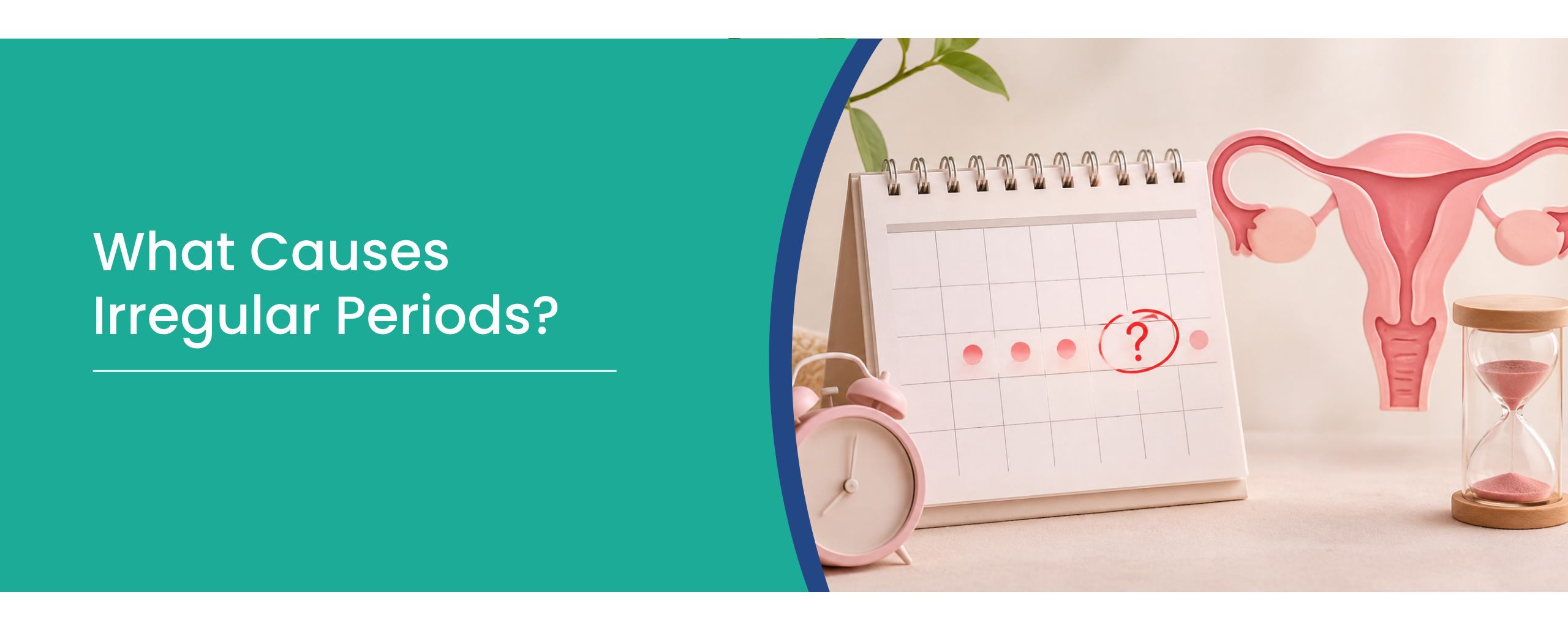
Your menstrual cycle can tell you a lot about your reproductive health. While some variation in period dates is normal, repeatedly delayed periods, unexpected bleeding or unusually heavy flow may indicate that something is affecting your body’s hormonal balance.
Have you ever wondered why your period arrived earlier than expected one month but was delayed the next? Or why do you sometimes miss a period despite having a fairly regular cycle? These changes can be confusing, particularly when you are not sure whether they are part of normal hormonal imbalance symptoms or signs of an underlying health condition.
There are several irregular periods causes, ranging from everyday factors such as stress, changes in weight and excessive exercise to medical conditions such as polycystic ovary syndrome (PCOS), thyroid disorders and uterine abnormalities.
Not every change in your menstrual cycle indicates a medical problem. However, when irregularities become frequent or are accompanied by other symptoms, they deserve attention.
Understanding the irregular periods causes can help you recognise changes in your body, identify possible warning signs and seek appropriate medical advice.
What Is Considered an Irregular Period?
A menstrual cycle is counted from the first day of one period to the first day of the next. Although many people associate a 28-day cycle with normal menstruation, menstrual cycles do not follow exactly the same schedule for everyone.
For most adults, a menstrual cycle lasting approximately 21–35 days is considered within the usual range. Menstrual bleeding generally lasts up to seven days.
An irregular menstrual cycle refers to a pattern in which the time between periods, duration of bleeding or amount of menstrual flow varies noticeably.
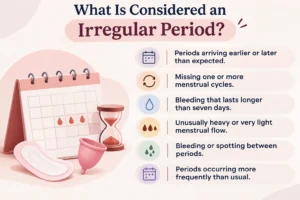
You may experience:
- Periods arriving earlier or later than expected.
- Missing one or more menstrual cycles.
- Bleeding that lasts longer than seven days.
- Unusually heavy or very light menstrual flow.
- Bleeding or spotting between periods.
- Periods occurring more frequently than usual.
Occasional changes can happen because of stress, illness, travel or lifestyle changes. However, repeated irregularities may indicate one or more irregular periods causes that need medical evaluation.
What Does a Normal Menstrual Cycle Look Like?
Understanding your usual cycle makes it easier to recognise changes.
| Menstrual parameter | Typical pattern in adults |
| Cycle length | Approximately 21–35 days |
| Duration of bleeding | Usually 2–7 days |
| Average cycle length | Around 28 days |
| Ovulation | Usually occurs before the next period, often around the middle of the cycle |
| Blood flow | Varies between individuals |
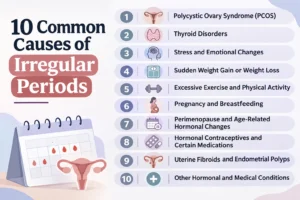
10 Common Causes of Irregular Periods
The menstrual cycle is controlled by a coordinated interaction between the brain, ovaries and reproductive hormones. When this process is affected, ovulation and the timing of menstrual bleeding can change.
Here are some common irregular periods causes that women should understand.
1. Polycystic Ovary Syndrome (PCOS)
Polycystic ovary syndrome, commonly known as PCOS, is one of the important hormonal conditions associated with irregular menstruation.
In PCOS, hormonal imbalance symptoms, including increased androgen levels and insulin resistance in some women, can interfere with normal ovulation. When an egg is not released regularly, menstrual periods may become delayed, infrequent or absent.
Women with PCOS may experience several changes beyond their menstrual cycle.
Common PCOS symptoms include:
- Periods that are frequently delayed or missed.
- Excess facial or body hair.
- Persistent acne or oily skin.
- Weight gain or difficulty managing weight.
- Hair thinning on the scalp.
- Difficulty becoming pregnant.
Not everyone experiences the same PCOS symptoms. Some women may have only a few noticeable signs, while others experience multiple symptoms.
PCOS can affect ovulation and fertility, but it does not mean that pregnancy is impossible. With appropriate diagnosis and management, many women with PCOS can conceive.
If your periods are consistently irregular and you also notice acne, unwanted facial hair or unexplained weight changes, an evaluation may help identify whether PCOS is contributing to the problem.
2. Thyroid Disorders
The thyroid gland produces hormones that help regulate metabolism and several important body functions. Changes in thyroid hormone levels can also affect the menstrual cycle.
Both hypothyroidism (underactive thyroid) and hyperthyroidism (overactive thyroid) may interfere with reproductive hormone regulation and ovulation.
An underactive thyroid may be associated with:
- Fatigue and low energy.
- Unexplained weight gain.
- Increased sensitivity to cold.
- Dry skin and hair thinning.
- Heavy or irregular menstrual bleeding.
An overactive thyroid may cause:
- Unexplained weight loss.
- Increased sweating.
- Rapid heartbeat.
- Anxiety or restlessness.
- Lighter or less frequent periods.
Thyroid disorders are among the medical irregular periods causes that may require blood tests and appropriate treatment.
3. Stress and Emotional Changes
Stress can affect more than your mood. It can also influence the hormones responsible for regulating menstruation.
The hypothalamus, a part of the brain, plays an important role in controlling the reproductive hormone cycle. Significant physical or emotional stress can interfere with the signals involved in ovulation. As a result, your period may arrive later than expected or may occasionally be missed.
Common sources of stress include:
- Work pressure and demanding schedules.
- Emotional distress or anxiety.
- Lack of adequate sleep.
- Major life changes.
- Prolonged physical or mental exhaustion.
4. Sudden Weight Gain or Weight Loss
Significant changes in body weight can influence the hormones involved in ovulation and menstruation.
Body fat plays a role in producing and regulating certain hormones, including oestrogen. Very low body fat, substantial weight loss or excess body weight may affect normal reproductive hormone activity.
For example, rapid weight loss due to restrictive dieting may interfere with the hormonal signals that regulate ovulation. On the other hand, excess weight may contribute to insulin resistance and hormonal changes, particularly in women with PCOS.
These changes may result in delayed, missed or unpredictable periods.
5. Excessive Exercise and Physical Activity
Regular exercise supports overall health, but excessive physical activity combined with inadequate calorie intake can affect menstrual function.
When the body does not receive enough energy to support its daily needs, it may reduce certain reproductive hormone signals. This can interfere with ovulation and cause periods to become irregular or stop temporarily.
This may occur among:
- Professional athletes.
- Women involved in intensive training.
- People following restrictive diets while exercising heavily.
- Individuals experiencing rapid weight loss.
A combination of excessive exercise, insufficient nutrition and physical stress can contribute to menstrual disturbances.
6. Pregnancy and Breastfeeding
Pregnancy is one of the most important possibilities to consider when a period is missed, particularly if you have been sexually active.
During pregnancy, hormonal changes prevent the usual menstrual cycle from continuing. This means that a missed period may be an early sign of pregnancy.
Breastfeeding can also affect menstruation. Prolactin, the hormone responsible for milk production, can suppress ovulation in some women. As a result, periods may remain absent, delayed or unpredictable during breastfeeding.
Some women experience their periods returning within a few months after childbirth, while others may take longer.
When considering irregular periods causes, it is important not to assume that a missed period is simply due to stress or hormonal changes.
If pregnancy is possible, take an appropriate pregnancy test. If you experience bleeding during pregnancy, particularly with pain or dizziness, seek prompt medical evaluation.
7. Perimenopause and Age-Related Hormonal Changes
Perimenopause is the transitional phase before menopause, during which ovarian hormone production begins to change. It commonly occurs during the 40s, although the timing varies between individuals.
As oestrogen and progesterone levels fluctuate, ovulation may become less predictable. This can lead to changes in menstrual timing, duration and flow.
You may notice:
- Periods arriving earlier or later.
- Missed menstrual cycles.
- Changes in menstrual flow.
- Hot flashes and night sweats.
- Sleep disturbances.
- Mood changes.
8. Hormonal Contraceptives and Certain Medications
Hormonal contraceptives work by changing the reproductive hormone signals involved in ovulation and menstruation.
Depending on the method, they may make periods lighter, less frequent or temporarily absent.
Changes may occur when starting, stopping or switching between:
- Oral contraceptive pills.
- Hormonal injections.
- Contraceptive implants.
- Hormonal intrauterine devices (IUDs).
Certain other medications, including some medicines used for epilepsy and mental health conditions, may also affect menstrual patterns.
9. Uterine Fibroids and Endometrial Polyps
Not all irregular periods causes are related to hormonal changes. Some conditions affecting the uterus can also alter menstrual bleeding.
Uterine fibroids are non-cancerous growths that develop in or around the muscular wall of the uterus. Endometrial polyps are growths that develop from the inner lining of the uterus.
Depending on their size and location, these conditions may cause:
- Heavy menstrual bleeding.
- Longer-than-usual periods.
- Bleeding between periods.
- Pelvic pressure or discomfort.
- Menstrual pain.
10. Other Hormonal and Medical Conditions
The menstrual cycle depends on several hormones working together. When one part of this system is affected, ovulation and bleeding patterns may change.
Other medical conditions that may contribute include:
- Elevated prolactin levels: Prolactin is responsible for milk production. When levels become unusually high outside pregnancy or breastfeeding, they may interfere with ovulation and cause missed periods. Some women may also experience unexpected breast milk discharge.
- Primary ovarian insufficiency: This condition occurs when the ovaries stop functioning normally before the age of 40. It can cause irregular periods, reduced fertility and symptoms associated with low oestrogen.
- Uncontrolled diabetes: Poorly controlled blood sugar levels can affect hormonal regulation and reproductive health.
- Eating disorders: Severe nutritional deficiencies and significant changes in energy intake can interfere with the hormones responsible for menstruation.
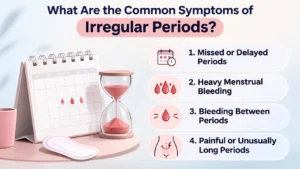
What Are the Common Symptoms of Irregular Periods?
Changes in your menstrual cycle can appear in different ways. Some women experience delayed periods, while others notice heavier bleeding, spotting or changes in cycle length. Recognising these patterns can help you explain your symptoms during a medical appointment.
1. Missed or Delayed Periods
A period that does not arrive when expected may be related to pregnancy, stress, PCOS, thyroid disorders or changes in weight.
Common missed period causes include:
- Pregnancy.
- Hormonal fluctuations.
- PCOS.
- Thyroid dysfunction.
- Sudden weight changes.
- Excessive physical activity.
- Perimenopause.
If you miss three consecutive periods without an obvious explanation, seek medical evaluation. Do not assume that repeated missed periods are harmless.
2. Heavy Menstrual Bleeding
Some women naturally have heavier periods than others. However, bleeding that interferes with daily activities or causes weakness and fatigue may require investigation.
Understanding heavy periods causes is important because excessive bleeding can sometimes result in anaemia or indicate an underlying reproductive health condition.
Possible reasons include:
- Uterine fibroids.
- Endometrial polyps.
- Adenomyosis.
- PCOS and ovulation-related problems.
- Thyroid disorders.
- Bleeding disorders.
If you need to change your sanitary pad or tampon every one to two hours, experience bleeding lasting more than seven days or frequently pass large blood clots, discuss the symptoms with a doctor.
3. Bleeding Between Periods
Spotting or bleeding between expected menstrual periods may occur due to hormonal fluctuations, contraception, infections, cervical conditions or abnormalities within the uterus.
Although some causes are minor, unexpected bleeding should be evaluated, particularly if it happens repeatedly or occurs after sexual intercourse.
4. Painful or Unusually Long Periods
Changes in menstrual duration and pain may also provide important clues about reproductive health.
Conditions such as endometriosis, adenomyosis and uterine fibroids may contribute to painful or prolonged periods.
If menstrual pain becomes severe, affects daily activities or is accompanied by unusually heavy bleeding, medical evaluation is recommended.
When Should You Worry About Irregular Periods?
Occasional changes in your menstrual cycle may not require treatment. However, repeated changes or symptoms affecting your everyday life should not be ignored.
Consider consulting a healthcare professional if:
- Your periods suddenly become irregular after previously being regular.
- You miss three consecutive periods.
- Your cycle repeatedly lasts less than 21 or more than 35 days.
- Your bleeding lasts longer than seven days.
- You experience frequent spotting between periods.
- You notice unexplained weight changes, excessive facial hair or persistent acne.
- You are trying to conceive but your periods remain unpredictable.
- You experience severe pelvic pain or unusually heavy bleeding.
Seek urgent medical care if you are bleeding heavily and feel faint, dizzy or short of breath. If pregnancy is possible and you experience severe abdominal pain, shoulder-tip pain, dizziness or fainting, seek emergency evaluation because these can be warning signs of an ectopic pregnancy or another serious complication.
Early assessment can help identify the underlying problem and prevent avoidable complications.
How Are Irregular Periods Diagnosed?
There is no single test that identifies every cause of menstrual irregularity. Diagnosis usually begins with understanding your menstrual history, symptoms and overall health.
During a gynaecologist consultation, your doctor may ask questions about:
- The date of your last menstrual period.
- How frequently your periods occur.
- How many days your bleeding lasts.
- Whether your flow is unusually heavy or light.
- Changes in body weight.
- Acne, facial hair or other hormonal symptoms.
- Pregnancy history and contraception use.
- Current medications and existing medical conditions.
Based on your symptoms, the doctor may recommend the following investigations.
1. Pregnancy Test
If pregnancy is possible, a urine or blood pregnancy test may be recommended to identify whether a missed period is pregnancy-related.
2. Hormonal Blood Tests
Blood tests can help evaluate possible hormonal causes of menstrual changes.
Depending on the clinical findings, these may include:
- Thyroid-stimulating hormone (TSH).
- Prolactin.
- Follicle-stimulating hormone (FSH).
- Luteinising hormone (LH).
- Androgen levels, such as testosterone.
Not every patient needs all these tests. The selection depends on age, symptoms and medical history.
3. Pelvic Ultrasound
An ultrasound helps examine the uterus, ovaries and surrounding reproductive structures. It may help identify fibroids, endometrial polyps, ovarian changes and other structural abnormalities.
4. Additional Investigations
If heavy bleeding is present, your doctor may recommend a complete blood count (CBC) to check for anaemia. In selected cases, additional tests may be needed to investigate infections, bleeding disorders or abnormalities of the uterine lining.
The purpose of these investigations is to identify the actual cause rather than simply manage the timing of your periods.
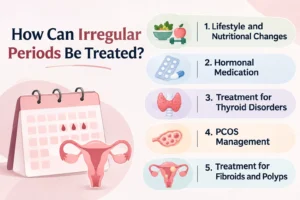
How Can Irregular Periods Be Treated?
Treatment depends on the underlying condition, your age, symptoms, reproductive goals and overall health. There is no single treatment that works for everyone.
1. Lifestyle and Nutritional Changes
When stress, excessive exercise or significant weight changes contribute to menstrual disturbances, addressing these factors may help improve cycle regularity.
Your doctor may recommend:
- Maintaining a balanced and nutritious diet.
- Avoiding extreme weight-loss programmes.
- Following a sustainable exercise routine.
- Getting adequate sleep.
- Managing prolonged stress.
- Maintaining a healthy weight where appropriate.
These measures support general health but should not replace medical treatment when an underlying condition is present.
2. Hormonal Medication
Depending on the diagnosis, hormonal medication may be prescribed to regulate menstrual bleeding or manage specific hormonal conditions.
For example, some women with PCOS may benefit from combined hormonal contraceptives or prescribed progestogens.
The choice of medication depends on whether the patient is trying to conceive, has other health conditions or requires contraception.
3. Treatment for Thyroid Disorders
If thyroid dysfunction is responsible for menstrual changes, appropriate medication may help restore normal thyroid hormone levels.
Menstrual patterns may improve once the underlying thyroid condition is managed.
4. PCOS Management
PCOS management focuses on controlling symptoms, supporting metabolic health and addressing fertility goals where relevant.
Treatment may include lifestyle changes, hormonal medication or other medicines depending on individual needs. Women planning pregnancy may require additional evaluation and fertility-related treatment to support ovulation.
5. Treatment for Fibroids and Polyps
Treatment depends on the size, location and symptoms associated with uterine fibroids or endometrial polyps.
Some patients may require medication, while others may benefit from minimally invasive procedures or surgery.
The decision depends on the clinical findings and future pregnancy plans.
Can Irregular Periods Affect Fertility?
Yes, certain menstrual irregularities can affect fertility, particularly when they are associated with inconsistent or absent ovulation.
Ovulation is the process through which an ovary releases an egg. For pregnancy to occur naturally, ovulation needs to take place, and the egg must be fertilised during its viable period.
Conditions such as PCOS, thyroid disorders and primary ovarian insufficiency may interfere with this process. However, having an irregular menstrual cycle does not automatically mean that you cannot become pregnant.
Many women with irregular periods conceive naturally or with appropriate medical support.
If you are planning pregnancy, a gynaecologist consultation can help assess ovulation, identify possible hormonal concerns and guide you through the next steps.
Women with pre-existing medical conditions or pregnancy-related risk factors may also benefit from appropriate specialist guidance. If you are looking for a maternity hospital in Noida, it is important to consider access to antenatal monitoring and coordinated obstetric care. Women with identified pregnancy complications may require high risk pregnancy care in Noida under the supervision of an experienced obstetric team.
How Can You Maintain a Healthy Menstrual Cycle?
Although not all menstrual changes can be prevented, healthy daily habits can support reproductive and hormonal health.
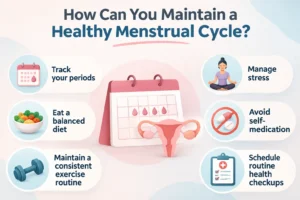
Here are some practical steps:
- Track your periods: Record the first day of each period, duration of bleeding and any unusual symptoms. A diary or period-tracking application can help you recognise changes over time.
- Eat a balanced diet: Include adequate protein, fibre, healthy fats, vitamins and minerals. Avoid restrictive diets that may interfere with normal hormonal function.
- Maintain a consistent exercise routine: Regular physical activity supports metabolic health. Avoid excessive training without adequate nutrition and recovery.
- Manage stress: Make time for relaxation, adequate sleep and activities that support emotional well-being.
- Avoid self-medication: Do not take hormonal medicines or period-inducing medication without understanding the underlying cause.
- Schedule routine health checkups: If your periods remain unpredictable, seek professional advice instead of repeatedly waiting for them to return to normal.
Remember, healthy menstrual patterns can vary between individuals. The goal is not to force every cycle into a 28-day schedule but to understand what is normal for your body and recognise significant changes.
Frequently Asked Questions (FAQs)
1. What are the most common irregular periods causes?
Some common irregular periods causes include PCOS, thyroid disorders, stress, significant weight changes, excessive exercise, pregnancy, breastfeeding and perimenopause. Uterine fibroids and other reproductive conditions may also affect menstrual bleeding.
2. Can stress cause irregular periods?
Yes. Prolonged emotional or physical stress can interfere with the brain signals that regulate reproductive hormones and ovulation. This may result in delayed or missed periods. If the changes continue, other possible causes should also be evaluated.
3. What are the common missed period causes besides pregnancy?
Common missed period causes include PCOS, thyroid disorders, stress, sudden weight loss, excessive exercise, breastfeeding and perimenopause. If you have missed several periods, consult a healthcare professional to identify the reason.
4. Are PCOS symptoms always associated with irregular periods?
No. PCOS symptoms vary between individuals. Some women experience irregular periods, acne, excess facial hair or difficulty conceiving, while others may have fewer noticeable symptoms. A medical evaluation is needed for diagnosis.
5. What are the common heavy periods causes?
Common heavy periods causes include uterine fibroids, endometrial polyps, adenomyosis, ovulation-related hormonal changes and bleeding disorders. Heavy bleeding that affects daily life or causes dizziness and weakness should be investigated.
6. When should I seek a gynaecologist consultation?
You should consider a gynaecologist consultation if your periods repeatedly become irregular, you miss three consecutive periods, experience unusually heavy bleeding or have difficulty conceiving. New or severe symptoms may require earlier evaluation.
7. Can irregular periods affect pregnancy?
Yes, irregular periods may indicate inconsistent ovulation, which can make predicting fertile days more difficult. However, irregular menstruation does not mean pregnancy is impossible. Identifying and managing the underlying cause may improve reproductive health and fertility outcomes.
8. Are irregular periods normal during the teenage years?
Menstrual cycles can be irregular during the first few years after menstruation begins because the hormonal system is still developing. However, very heavy bleeding, prolonged gaps between periods or other concerning symptoms should be discussed with a healthcare professional.
Conclusion
Your menstrual cycle is an important part of your reproductive health. While occasional changes in period dates or flow may be normal, repeated irregularities can sometimes indicate an underlying hormonal or reproductive health condition.
Understanding the possible irregular periods causes is the first step towards recognising what your body may be telling you. Whether the changes are related to PCOS, thyroid dysfunction, stress, weight fluctuations or another medical condition, identifying the reason can help guide appropriate treatment.
Do not ignore repeated missed periods, unusually heavy bleeding or unexpected changes in your menstrual pattern. Timely evaluation can help protect your reproductive health and address concerns before they become more complicated.
At Rama Hospital, Noida, women can seek specialist guidance for menstrual health concerns, reproductive health and pregnancy-related care. If you are experiencing changes in your menstrual cycle, consult a qualified gynaecologist to understand the cause and discuss suitable care options.
Your menstrual health matters. Listen to your body, recognise the changes and seek the right guidance at the right time.