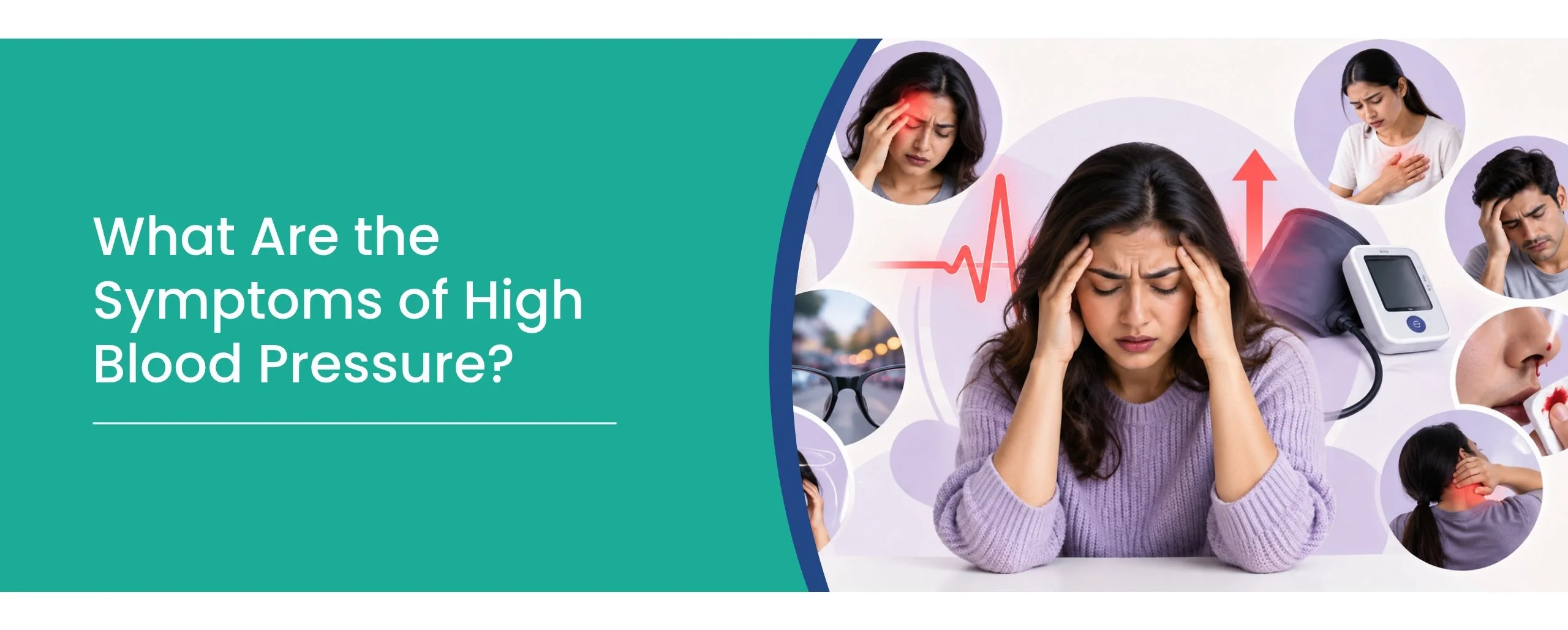
Have you ever experienced a persistent headache, unexplained dizziness or unusual tiredness and wondered whether your blood pressure could be responsible? Many people associate these problems with high blood pressure, but the condition does not always announce itself through noticeable changes.
In fact, high blood pressure symptoms can be difficult to recognise because hypertension often develops without any obvious warning signs. A person may feel completely healthy while their blood pressure remains above the recommended range. This is one of the reasons hypertension is commonly called the silent killer.
High blood pressure, medically known as hypertension, occurs when the force of blood pushing against the walls of the arteries remains consistently elevated. Over time, this increased pressure can put additional strain on the heart, blood vessels, kidneys and brain.
The challenge is that high blood pressure symptoms may become noticeable only when the condition becomes severe or starts affecting other organs. Waiting for headaches or dizziness before checking your BP can therefore delay diagnosis.
What Is High Blood Pressure?
Blood pressure refers to the force exerted by circulating blood against the walls of your arteries as your heart pumps.
A blood pressure reading consists of two numbers:
- Systolic pressure: The upper number, which measures the pressure in your arteries when your heart contracts and pumps blood.
- Diastolic pressure: The lower number, which measures the pressure when your heart relaxes between beats.
For example, a reading of 120/80 mmHg means the systolic pressure is 120 and the diastolic pressure is 80.
When blood pressure remains consistently elevated, the heart has to work harder to circulate blood throughout the body. Over time, this can damage blood vessels and increase the risk of serious health conditions.
Understanding Blood Pressure Readings
| Blood pressure category | Systolic | Diastolic |
| Normal (AHA classification) | Below 120 | Below 80 |
| Elevated | 120–129 | Below 80 |
| Stage 1 hypertension | 130–139 | 80–89 |
| Stage 2 hypertension | 140 or higher | 90 or higher |
| Severely elevated | Higher than 180 | And/or higher than 120 |
A single high reading does not necessarily mean you have hypertension. Blood pressure can temporarily rise due to physical activity, stress, caffeine or other factors. Repeated measurements and professional assessment are important.
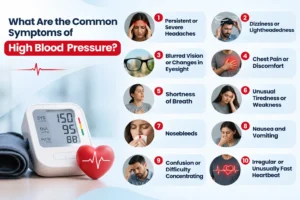
What Are the Common Symptoms of High Blood Pressure?
One of the most important things to understand about hypertension is that most people do not experience noticeable symptoms, even when their readings are high.
This means you cannot reliably identify the condition simply by observing how you feel. Regular BP monitoring is the most dependable way to detect it.
However, when blood pressure becomes severely elevated, certain warning signs may appear. Recognising possible high blood pressure symptoms is important, particularly when they occur suddenly or alongside a very high BP reading.
1. Persistent or Severe Headaches
Headaches are commonly associated with several health conditions, including stress, dehydration, migraine and sleep disturbances.
However, a severe headache may also occur when blood pressure becomes dangerously high. The pain may feel intense or unusual, particularly when accompanied by visual changes, confusion or other concerning symptoms.
It is important to remember that an ordinary headache does not automatically indicate hypertension. Most people with high BP do not experience headaches because of the condition.
2. Dizziness or Lightheadedness
Feeling dizzy or lightheaded can make it difficult to maintain balance or concentrate on everyday activities.
Although dizziness is sometimes reported alongside severely elevated BP, it is not a reliable indicator of hypertension. It can also occur due to dehydration, low blood pressure, inner-ear problems, medication effects or other conditions.
If dizziness is sudden, recurrent or accompanied by weakness, chest discomfort or vision changes, seek medical assessment.
3. Blurred Vision or Changes in Eyesight
Blood vessels supply oxygen and nutrients to the eyes. Persistently uncontrolled hypertension can damage the small blood vessels in the retina, a condition known as hypertensive retinopathy.
Some people with severely elevated blood pressure may experience blurred vision or other visual disturbances.
Sudden changes in eyesight should never be ignored, especially when accompanied by a severe headache or neurological symptoms.
4. Chest Pain or Discomfort
Chest pain is an important warning sign that requires immediate medical attention.
When blood pressure remains uncontrolled, it increases the workload on the heart and contributes to cardiovascular damage. Chest discomfort may indicate a heart-related problem, including angina or a heart attack.
Do not assume that chest pain is simply due to stress or high BP. Seek emergency medical help, particularly if the pain is accompanied by sweating, breathlessness or discomfort spreading to the arm, jaw or back.
5. Shortness of Breath
Difficulty breathing or unusual breathlessness can sometimes occur when severe hypertension affects heart function.
When the heart struggles to pump blood effectively, fluid may accumulate in the lungs, making breathing difficult.
Breathlessness can have several causes, including respiratory and cardiac conditions. Sudden or severe breathing difficulty requires urgent medical attention.
6. Unusual Tiredness or Weakness
Feeling unusually tired throughout the day can affect your ability to work, exercise and complete everyday activities.
Fatigue is not a specific sign of hypertension. However, it may occur alongside other health conditions that need evaluation.
If persistent tiredness is accompanied by other high blood pressure symptoms, such as visual disturbances, breathlessness or chest discomfort, consult a doctor instead of relying on self-diagnosis.
7. Nosebleeds
Nosebleeds are not a dependable sign of high blood pressure and should not be used to diagnose hypertension.
However, nosebleeds may occasionally occur in people with severely elevated blood pressure. They can also result from dry air, nasal irritation, injury or other causes.
Frequent or unexplained nosebleeds should be evaluated, particularly if you have a history of hypertension.
8. Nausea and Vomiting
Nausea and vomiting can occur for many reasons, including digestive problems, infections, medication reactions and other medical conditions.
In some cases, these symptoms may accompany a hypertensive emergency, particularly when blood pressure is extremely high and there are signs of organ involvement.
Do not dismiss persistent vomiting when it occurs alongside severe headache, confusion, chest pain or visual changes.
9. Confusion or Difficulty Concentrating
Sudden confusion, difficulty understanding conversations or trouble speaking can indicate a serious medical problem.
When blood pressure becomes dangerously high, it may contribute to damage involving the brain and its blood vessels.
Sudden confusion, speech difficulty, weakness or numbness requires emergency assessment because these may also be signs of a stroke.
10. Irregular or Unusually Fast Heartbeat
Some people experiencing severe cardiovascular stress may notice palpitations or an irregular heartbeat.
However, palpitations are not specific to hypertension. They can occur due to anxiety, caffeine, thyroid disorders, heart rhythm abnormalities and other conditions.
If an irregular heartbeat occurs alongside chest pain, fainting or difficulty breathing, seek immediate medical attention.
Why Is High Blood Pressure Called a Silent Killer?
Hypertension is often called a silent killer because it can damage important organs without producing noticeable symptoms in its early stages.
A person may continue working, exercising and following their regular routine without realising that their blood pressure is consistently elevated.
Over time, uncontrolled hypertension can affect the heart, brain, kidneys and blood vessels. By the time noticeable high blood pressure symptoms develop, some damage may already have occurred.
This is why doctors recommend checking blood pressure even when you feel perfectly healthy.
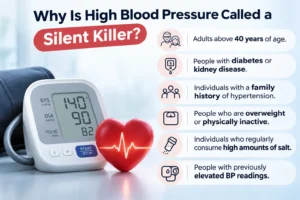
People who should pay particular attention to regular BP monitoring include:
- Adults above 40 years of age.
- People with diabetes or kidney disease.
- Individuals with a family history of hypertension.
- People who are overweight or physically inactive.
- Individuals who regularly consume high amounts of salt.
- People with previously elevated BP readings.
What Are the Common Causes of High Blood Pressure?
Understanding high BP causes can help you identify habits and health conditions that may increase your risk.
In many individuals, hypertension develops due to a combination of genetic, lifestyle and environmental factors. Sometimes, an underlying medical condition or certain medications may also contribute.
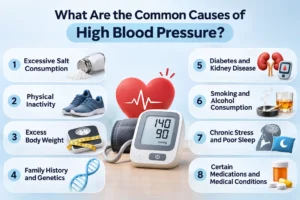
1. Excessive Salt Consumption
Eating too much salt can cause the body to retain additional water, increasing the volume of blood circulating through the blood vessels.
Regularly consuming packaged snacks, pickles, processed foods and high-sodium meals may contribute to elevated blood pressure.
Reducing sodium intake is an important part of maintaining cardiovascular health.
2. Physical Inactivity
A sedentary lifestyle can increase the risk of weight gain, insulin resistance and cardiovascular problems.
People who spend most of their day sitting and rarely participate in physical activity may have a higher risk of developing hypertension.
Regular exercise helps support healthy circulation and overall heart health.
3. Excess Body Weight
Being overweight or obese can increase the workload on the heart and contribute to changes in the body’s blood pressure regulation.
Maintaining a healthy weight through balanced nutrition and regular activity can help reduce this risk.
4. Family History and Genetics
If your parents or close family members have hypertension, your risk may be higher.
Genetic factors can influence how your body regulates blood pressure, but lifestyle habits also play an important role.
A family history of hypertension makes regular health assessments particularly important.
5. Diabetes and Kidney Disease
Diabetes and hypertension are closely connected.
High blood sugar levels can damage blood vessels over time, while kidney disease can affect the body’s ability to regulate fluid and sodium levels.
Both conditions can increase the risk of cardiovascular complications.
People living with diabetes should pay particular attention to BP monitoring and overall heart and kidney health. Those seeking diabetes treatment in Noida should also discuss their blood pressure readings with their treating doctor.
6. Smoking and Alcohol Consumption
Smoking damages blood vessels and increases cardiovascular risk. Excessive alcohol consumption can also contribute to elevated blood pressure.
Avoiding tobacco and limiting alcohol intake are important steps towards better cardiovascular health.
7. Chronic Stress and Poor Sleep
Long-term stress can influence behaviours and biological processes associated with blood pressure regulation.
Poor sleep, particularly sleep disorders such as obstructive sleep apnoea, may also increase the risk of hypertension.
Managing stress and maintaining a consistent sleep routine can support overall health.
8. Certain Medications and Medical Conditions
Some medicines, including certain pain relievers, decongestants and hormonal medications, may raise blood pressure in some individuals.
Medical conditions involving the kidneys, thyroid or adrenal glands can also contribute to hypertension.
If your BP increases unexpectedly, discuss your medicines and medical history with your doctor. Do not stop prescribed medication without professional advice.
What Is Normal Blood Pressure by Age?
One common question people ask during a routine health checkup is whether their blood pressure is normal for their age.
Understanding normal blood pressure by age can help you become more aware of your cardiovascular health. However, there is an important distinction: adults do not automatically need higher BP readings as they get older.
For most adults, a reading below 120/80 mmHg is considered normal under the American Heart Association classification. WHO diagnostic guidance uses a different threshold for confirming hypertension.
Blood Pressure Considerations Across Different Age Groups
| Age group | What to understand |
| 18–29 years | Regular BP checks help identify early changes, even in otherwise healthy adults |
| 30–39 years | Lifestyle, family history and metabolic health become important considerations |
| 40–49 years | Periodic monitoring is important, particularly with diabetes or excess weight |
| 50–59 years | Cardiovascular risk assessment and regular BP monitoring become increasingly important |
| 60 years and above | BP management should consider overall health, other conditions and individual treatment goals |
What Are the Possible Complications of Uncontrolled High Blood Pressure?
Hypertension may not cause immediate discomfort, but prolonged uncontrolled pressure can gradually damage blood vessels and vital organs.
These blood pressure complications can affect your quality of life and may become life-threatening if not identified and managed appropriately.
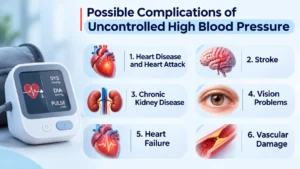
1. Heart Disease and Heart Attack
When blood pressure remains elevated, the heart has to pump against greater resistance.
Over time, this can cause the heart muscle to thicken and become less efficient. Hypertension also contributes to damage in the arteries, increasing the risk of coronary artery disease and heart attack.
2. Stroke
High blood pressure is a major risk factor for stroke.
Persistently elevated pressure can damage blood vessels supplying the brain, increasing the risk of a blood vessel becoming blocked or rupturing.
Sudden weakness on one side of the body, facial drooping, difficulty speaking or loss of balance requires immediate emergency attention.
3. Chronic Kidney Disease
The kidneys contain a network of small blood vessels that help filter waste and excess fluid from the blood.
Uncontrolled hypertension can damage these vessels, reducing the kidneys’ ability to function properly.
Kidney disease can also make BP harder to control, creating a cycle in which both conditions worsen each other.
4. Vision Problems
Hypertension can damage the delicate blood vessels in the retina.
This may lead to hypertensive retinopathy and, in severe cases, vision impairment.
Regular medical assessments are important, particularly for people who have both hypertension and diabetes.
5. Heart Failure
Long-term pressure overload can weaken or stiffen the heart muscle.
When the heart cannot pump blood efficiently, fluid may accumulate in the lungs and other parts of the body, resulting in breathlessness, swelling and fatigue.
6. Vascular Damage
Persistently high pressure can damage artery walls and contribute to atherosclerosis, a condition involving the buildup of fatty deposits in the arteries.
This can restrict blood flow to different organs and increase the risk of cardiovascular events.
Recognising blood pressure complications early is important because appropriate treatment can help reduce the risk of further organ damage.
How Is High Blood Pressure Diagnosed?
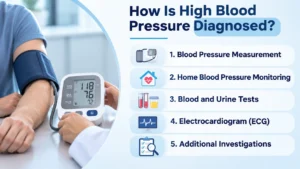
Since most people do not experience noticeable high blood pressure symptoms, regular BP measurement is essential.
A doctor may recommend repeated readings during different visits or home monitoring to understand whether your blood pressure remains elevated.
The assessment may include:
1. Blood Pressure Measurement
A healthcare professional uses a blood pressure monitor with an inflatable cuff, usually placed around the upper arm.
For more reliable readings:
- Sit comfortably with your back supported.
- Keep your feet flat on the floor.
- Rest your arm at heart level.
- Avoid talking during measurement.
- Take readings as instructed by your healthcare professional.
2. Home Blood Pressure Monitoring
Your doctor may recommend a validated home BP monitor to track your readings over time.
Maintaining a record can help identify patterns and show whether your treatment plan is working.
Take two readings, usually one or two minutes apart, and record the results as advised.
3. Blood and Urine Tests
Depending on your health history, the doctor may recommend tests to assess:
- Blood sugar levels.
- Kidney function.
- Cholesterol levels.
- Electrolyte balance.
- Urine protein or albumin.
4. Electrocardiogram (ECG)
An ECG records the electrical activity of the heart.
It may be recommended when the doctor wants to evaluate heart rhythm or look for evidence of heart-related changes.
5. Additional Investigations
Depending on the findings, additional tests may be required to assess cardiovascular health or identify an underlying cause of hypertension.
The purpose of these investigations is to understand the condition, evaluate associated risks and develop an appropriate management plan.
How to Manage Blood Pressure and Keep It Under Control?
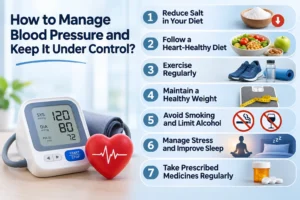
Managing hypertension requires consistent attention to daily habits, regular monitoring and medical guidance.
The right approach depends on your BP readings, age, overall health and whether you have other conditions such as diabetes or kidney disease.
If you are wondering how to manage blood pressure, the following lifestyle changes can help support better cardiovascular health.
1. Reduce Salt in Your Diet
Excess sodium can contribute to increased blood pressure.
Try to:
- Reduce packaged and processed foods.
- Limit salty snacks and pickles.
- Avoid adding excessive salt to meals.
- Include fresh fruits and vegetables.
2. Follow a Heart-Healthy Diet
A balanced diet provides essential nutrients and supports healthy blood circulation.
Include:
- Green leafy vegetables.
- Seasonal fruits.
- Whole grains.
- Pulses and legumes.
- Nuts and seeds.
- Appropriate sources of lean protein.
Avoid making drastic dietary changes without considering your existing health conditions.
3. Exercise Regularly
Physical activity helps improve cardiovascular fitness and supports healthy blood pressure.
Consider activities such as:
- Brisk walking.
- Cycling.
- Swimming.
- Yoga.
- Light strength training.
Aim for approximately 150 minutes of moderate-intensity physical activity each week, if your health permits.
4. Maintain a Healthy Weight
Excess body weight can increase the workload on your heart.
Maintaining a healthy weight through balanced nutrition and regular exercise may help improve BP control.
5. Avoid Smoking and Limit Alcohol
Smoking damages blood vessels and increases the risk of heart disease and stroke.
Avoid tobacco products and discuss alcohol consumption with your doctor, particularly if you already have hypertension.
6. Manage Stress and Improve Sleep
Long-term stress and inadequate sleep can affect overall cardiovascular health.
Simple practices such as meditation, breathing exercises, regular physical activity and maintaining a consistent sleep schedule can help.
7. Take Prescribed Medicines Regularly
Lifestyle changes are important, but some people also require medication to control hypertension.
Your doctor may prescribe medicines depending on your BP readings and medical history.
Do not skip doses, stop medication or change the dosage simply because you feel better.
Frequently Asked Questions (FAQs)
1. What are the first signs of high blood pressure?
Most people do not experience noticeable early signs. Hypertension is often detected during routine health checkups rather than through physical symptoms. Regular BP measurement is the best way to identify it.
2. Can high blood pressure cause headaches?
Severely elevated blood pressure may be accompanied by headaches. However, headaches alone do not confirm hypertension. Persistent or unusually severe headaches should be medically evaluated.
3. Can a person have high blood pressure without any symptoms?
Yes. Many people have hypertension without experiencing discomfort, dizziness or headaches. This is why regular monitoring is important, even if you feel healthy.
4. What are the most common high blood pressure symptoms in women?
Hypertension generally does not produce different early symptoms in women and men. However, severe elevation may be accompanied by headache, visual changes, chest pain or breathlessness. Pregnancy-related hypertension also requires special medical attention.
5. What are the high blood pressure symptoms in men?
Men may also have no noticeable symptoms. When BP becomes severely elevated, possible warning signs include chest discomfort, severe headache, breathlessness and visual disturbances. Routine screening remains important.
6. Can stress cause high blood pressure?
Stress can temporarily increase blood pressure through the body’s stress response. Repeated stress may also contribute indirectly through poor sleep, unhealthy eating and reduced physical activity. Persistent hypertension requires proper evaluation.
7. Is 140/90 mmHg considered high blood pressure?
A reading of 140/90 mmHg falls within the Stage 2 hypertension range under AHA classification. WHO guidance also uses 140/90 mmHg or higher on measurements taken on two different days as a diagnostic threshold for hypertension in adults. A healthcare professional should confirm the diagnosis.
8. How often should I check my blood pressure?
The frequency depends on your age, health condition and previous readings. People with diagnosed hypertension may need more frequent home monitoring, while adults with normal readings should follow their doctor’s recommended screening schedule.
9. Can diabetes increase the risk of high blood pressure?
Yes. Diabetes is associated with an increased risk of hypertension because elevated blood sugar can damage blood vessels and affect kidney function. Managing blood sugar, monitoring BP and maintaining regular medical follow-ups are important.
10. Can high blood pressure be controlled permanently?
Hypertension can often be controlled effectively through lifestyle changes and prescribed medication. However, it may require lifelong monitoring and treatment. Do not discontinue medicines without consulting your doctor.
Conclusion
High blood pressure does not always cause noticeable discomfort. You may feel healthy and continue your everyday activities while your BP remains consistently elevated.
That is why understanding high blood pressure symptoms, knowing your BP readings and scheduling regular health checkups are important steps towards protecting your long-term health.
If you have diabetes, a family history of hypertension or previously elevated BP readings, do not overlook routine monitoring. Early identification and appropriate treatment can help reduce the risk of heart disease, stroke and kidney damage.
At Rama Hospital, Noida, patients looking for a general physician in Noida can seek medical consultation for blood pressure assessment, hypertension management and related health concerns. As a general medicine hospital in Noida, Rama Hospital provides a setting for patients to seek medical evaluation and guidance for their healthcare needs.
Your blood pressure may not always tell you when something is wrong. Regular checkups can help you stay one step ahead.