-

-

Pain management therapies

Pain management therapies

Pain management therapies

Pain Management Therapies: Causes, Types, Diagnosis, Treatment, and Recovery

Pain is one of the most common reasons people seek medical care. It can affect any part of the body and can range from mild discomfort to severe, life-limiting pain. While some pain is temporary and goes away with healing, other pain lasts for months or years and affects sleep, mood, work, and daily life. This is called chronic pain, and it needs a structured and specialized approach.

Pain management therapies are treatments designed to reduce pain, improve function, and help patients return to normal activities. These therapies may include medicines, physical therapy, injections, nerve blocks, minimally invasive procedures, psychological support, and lifestyle changes. The goal is not just to mask pain but to identify its cause and treat it in a way that improves quality of life.

What is Pain Management?

Pain management is a medical approach that focuses on reducing pain and improving function. It is not just about giving painkillers. It involves understanding why the pain is happening, how severe it is, and what treatments will work best for that specific patient.

Pain can come from injury, inflammation, nerve damage, surgery, cancer, or chronic conditions like arthritis. Pain management uses a combination of treatments to address the cause, reduce symptoms, and help the patient live better. The aim is to restore movement, improve sleep, reduce dependence on medicines, and enhance overall well-being.

Types of Pain

Pain can be classified in different ways based on its cause, duration, and location.

Based on duration

  • Acute pain, which comes on suddenly and usually lasts a short time, such as after injury or surgery.
  • Chronic pain, which lasts more than three months and may continue even after the original injury has healed.
  • Recurrent pain, which comes and goes in episodes, such as migraine or back pain flare-ups.

Based on cause

  • Nociceptive pain, which is caused by tissue damage such as injury, inflammation, or surgery.
  • Neuropathic pain, which is caused by nerve damage or malfunction, such as in diabetes or shingles.
  • Mixed pain, which has both tissue and nerve components, such as in some back problems.

Based on location

  • Back pain, including neck, upper back, and lower back pain.
  • Joint pain, such as knee, shoulder, or hip pain.
  • Headache and facial pain.
  • Abdominal or pelvic pain.
  • Nerve pain in arms or legs.
  • Cancer-related pain.

Causes of Chronic Pain

Chronic pain can have many causes, and often more than one factor is involved.

Common causes include:

  • Arthritis and joint degeneration.
  • Back problems such as disc herniation or spinal stenosis.
  • Nerve compression or nerve damage.
  • Diabetes-related nerve pain.
  • Post-surgical pain.
  • Injury or trauma.
  • Fibromyalgia.
  • Migraine and other headache disorders.
  • Cancer or cancer treatment.
  • Inflammatory conditions.
  • Muscle strain or overuse.
  • Poor posture and repetitive stress.

Why pain becomes chronic

Sometimes pain continues even after the original injury heals. This can happen because the nervous system becomes sensitized and continues to send pain signals. Chronic pain can also be influenced by stress, poor sleep, depression, and lack of movement. Understanding this helps guide treatment beyond just medicines.

Symptoms of Chronic Pain

Symptoms depend on the type and location of pain.

Common symptoms include:

  • Constant or intermittent pain.
  • Sharp, burning, or aching sensation.
  • Stiffness or reduced movement.
  • Tenderness in the affected area.
  • Numbness or tingling.
  • Weakness in muscles.
  • Difficulty sleeping.
  • Fatigue and low energy.
  • Mood changes such as irritability or depression.
  • Reduced ability to work or do daily activities.

Warning signs that need urgent care

  • Sudden severe pain with weakness or numbness.
  • Pain with fever or swelling.
  • Pain after major injury.
  • Chest pain or difficulty breathing.
  • Pain with loss of bladder or bowel control.
  • Severe headache with vision changes or confusion.

How is Pain Diagnosed?

Diagnosis is based on history, examination, and tests to identify the cause of pain.

Diagnostic steps

  • Detailed history of pain, including onset, duration, and triggers.
  • Physical examination to check movement, strength, and reflexes.
  • Review of medical history and previous treatments.
  • Assessment of impact on sleep, mood, and daily life.

Common tests that may be done

  • X-rays to check bones and joints.
  • MRI or CT scan for detailed imaging of spine, nerves, or soft tissues.
  • Nerve conduction studies for nerve-related pain.
  • Blood tests to check for inflammation or infection.
  • Diagnostic injections to confirm the source of pain.

Why diagnosis matters

Pain can come from many different sources. Accurate diagnosis ensures the right treatment is chosen, rather than just masking symptoms. It also helps avoid unnecessary procedures or medicines.

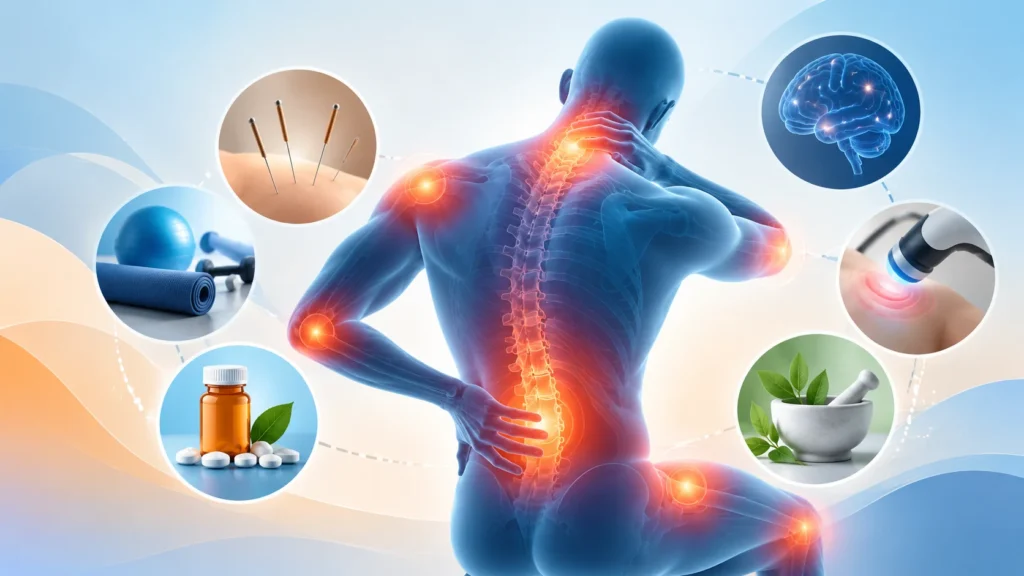
Pain Management Therapies

There are many treatment options for pain, and often a combination works best.

1. Medicines

Medicines are often the first step in pain management.

  • Paracetamol for mild pain.
  • NSAIDs such as ibuprofen or naproxen for inflammation-related pain.
  • Muscle relaxants for muscle spasm.
  • Antidepressants or anti-seizure medicines for nerve pain.
  • Opioids in selected cases under strict supervision.

2. Physical therapy

Physical therapy helps improve movement, strength, and flexibility.

  • Stretching and strengthening exercises.
  • Posture correction.
  • Manual therapy and massage.
  • Heat or cold therapy.
  • Ultrasound or electrical stimulation.

3. Interventional pain procedures

These are minimally invasive treatments that target the source of pain directly.

  • Nerve blocks to interrupt pain signals.
  • Epidural injections for back or leg pain.
  • Facet joint injections for spine pain.
  • Radiofrequency ablation for longer-lasting relief.
  • Trigger point injections for muscle pain.
  • Joint injections for arthritis pain.

4. Psychological support

Chronic pain affects mood and mental health. Psychological therapies can help.

  • Cognitive behavioral therapy to change pain-related thoughts and behaviors.
  • Relaxation techniques and mindfulness.
  • Stress management.
  • Support for depression or anxiety related to pain.

5. Lifestyle changes

Daily habits can influence pain levels.

  • Regular gentle exercise.
  • Healthy diet and weight management.
  • Good sleep hygiene.
  • Avoiding smoking and excess alcohol.
  • Stress reduction techniques.

6. Complementary therapies

Some patients find relief with additional approaches.

  • Acupuncture.
  • Yoga and stretching.
  • Massage therapy.
  • Heat or cold packs.
  • Hydrotherapy.

Interventional Pain Procedures

For some patients, medicines and therapy are not enough. Interventional procedures can provide targeted relief.

Common procedures

  • Epidural steroid injection for back or leg pain.
  • Facet joint injection for spine arthritis.
  • Sacroiliac joint injection for pelvic pain.
  • Nerve root block for nerve compression.
  • Radiofrequency ablation for chronic joint or nerve pain.
  • Spinal cord stimulation for severe, persistent pain.
  • Peripheral nerve blocks for localized pain.

How these procedures help

These treatments target specific nerves or joints that are causing pain. They can reduce inflammation, interrupt pain signals, and provide relief that lasts weeks to months. They are often combined with physical therapy for best results.

Recovery After Pain Management Treatment

Recovery depends on the type of treatment and the underlying cause.

Recovery after medicines or therapy

  • Gradual improvement over days to weeks.
  • Regular follow-up to adjust treatment.
  • Home exercise program to maintain progress.

Recovery after interventional procedures

  • Short observation period after injection.
  • Possible temporary soreness at the injection site.
  • Gradual return to normal activities.
  • Follow-up to assess pain relief and plan next steps.

Rehabilitation support

  • Continued physical therapy.
  • Gradual increase in activity.
  • Education on posture and body mechanics.
  • Support for returning to work or daily routines.

Possible Complications

Most pain treatments are safe, but some risks exist.

Possible complications

  • Side effects from medicines such as stomach upset or drowsiness.
  • Temporary soreness or bruising after injections.
  • Rare risk of infection or bleeding after procedures.
  • Allergic reactions to medicines or contrast dye.
  • Dependence or tolerance with long-term opioid use.

Why monitoring matters

Regular follow-up helps catch side effects early and adjust treatment as needed. The goal is always to use the lowest effective dose and the least invasive treatment possible.

When to See a Doctor

Medical evaluation is important if pain is persistent or affecting daily life.

  • Pain lasting more than a few weeks.
  • Pain that does not improve with rest or home care.
  • Pain with weakness, numbness, or tingling.
  • Pain after injury or surgery.
  • Pain affecting sleep or mood.
  • Pain that keeps coming back.

Prevention of Chronic Pain

Not all pain can be prevented, but many risk factors can be managed.

Prevention pointers

  • Maintain good posture.
  • Exercise regularly.
  • Lift properly and avoid sudden strain.
  • Manage weight.
  • Treat injuries promptly.
  • Manage chronic conditions like diabetes or arthritis.
  • Avoid smoking and excess alcohol.
  • Get regular check-ups.

Why Choose Rama Hospital for Pain Management?

Pain management requires a team approach with accurate diagnosis and personalized treatment. A hospital with experienced pain specialists, physiotherapists, and advanced facilities can make a major difference.

  • Expert evaluation by pain specialists and physiotherapists.
  • Advanced imaging for accurate diagnosis.
  • Wide range of treatment options from medicines to interventional procedures.
  • Coordinated care for complex or chronic pain.
  • Rehabilitation and long-term follow-up.

Frequently Asked Questions (FAQs)

When should I see a pain specialist?

See a pain specialist if pain lasts more than a few weeks, does not improve with home care, or affects sleep, work, or daily activities. Early evaluation can prevent chronic pain from becoming harder to treat.

Are pain injections safe?

Pain injections are generally safe when done by experienced specialists. They may cause temporary soreness, and rare risks include infection or bleeding. The benefits often outweigh the risks for the right patient.

Can chronic pain be cured?

Some chronic pain can be significantly reduced or resolved, especially if the cause is treatable. Others may need long-term management to keep pain under control. The goal is always to improve function and quality of life.

What is a nerve block?

A nerve block is an injection that interrupts pain signals from a specific nerve or group of nerves. It can provide diagnostic information and therapeutic relief. It is often used for back, joint, or nerve pain.

Is physical therapy necessary?

Yes, physical therapy is a key part of most pain management plans. It helps improve strength, flexibility, and posture, which can reduce pain and prevent recurrence. It works best when combined with other treatments.

Can lifestyle changes help with pain?

Yes, regular exercise, healthy weight, good sleep, and stress management can reduce pain levels. These changes support other treatments and help prevent pain from returning.

Are opioids safe for chronic pain?

Opioids can be used in selected cases under strict medical supervision. They carry risks of dependence and side effects, so they are usually reserved for severe pain when other treatments have not worked.

Conclusion

Pain management therapies offer hope and relief for people suffering from acute or chronic pain. The key is accurate diagnosis, personalized treatment, and a combination of approaches that address both the cause and the symptoms. With the right care, most patients can reduce pain, improve function, and return to a more active and fulfilling life.

The most important steps are early evaluation, accurate diagnosis, and a treatment plan tailored to the individual. For patients with persistent pain, weakness, or reduced quality of life, a pain specialist can make a major difference. With the right support, pain does not have to control your life.

Rama Hospital can provide comprehensive pain management therapies, from medicines and physical therapy to advanced interventional procedures, along with rehabilitation and long-term follow-up to support recovery and improve quality of life.


Table of Contents

Explore More

What to Know More About Pain management therapies

Find Ailments & Treatments

Search Ailments

Quickly find the information you need. Search our database to explore detailed information on various diseases and conditions, including symptoms, causes, and treatment options.

Search Treatments

Quickly find the information you need. Search our database to explore detailed information on various diseases and conditions, including symptoms, causes, and treatment options.

Recommended Reading

Video Playlist

No rows found.

Experience Healthcare the Rama Way

Emergency • OPD • Surgery • ICU Care

Need Help? Talk to our experts

Get a callback from our experts

Request a callback