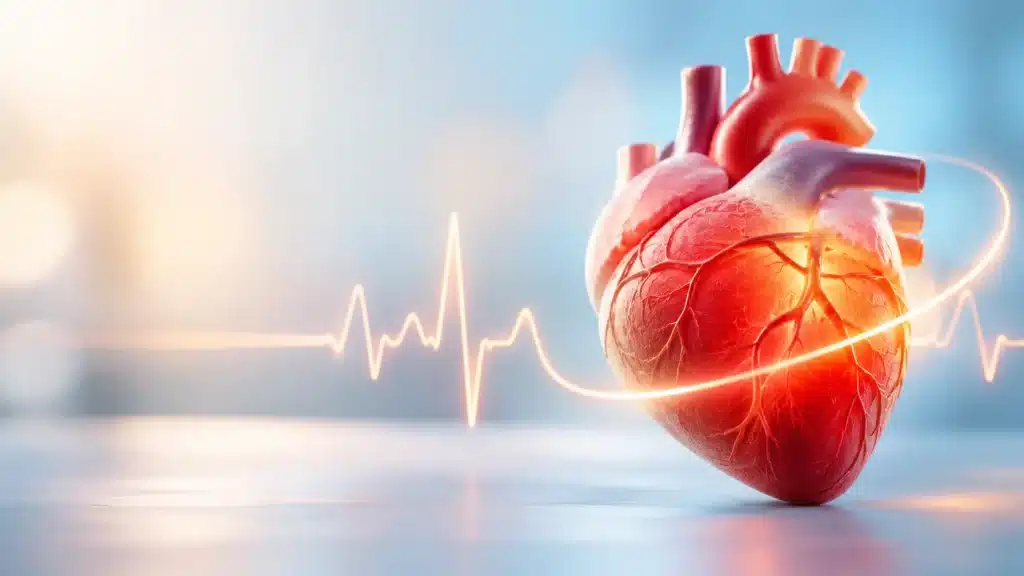
Acute Coronary Syndrome, commonly called ACS, is a medical emergency that happens when blood flow to the heart muscle suddenly decreases. It is usually caused by a blockage or partial blockage in one or more coronary arteries, the blood vessels that supply oxygen-rich blood to the heart. When the heart muscle does not get enough blood, it becomes stressed or damaged, leading to chest pain, breathlessness, sweating, and other warning symptoms.
ACS is not a single disease but a group of related heart conditions. It includes unstable angina, non-ST elevation myocardial infarction, and ST elevation myocardial infarction, which is commonly known as a major heart attack. The difference between these conditions depends on how much blood flow is reduced and whether there is permanent damage to the heart muscle.
What is Acute Coronary Syndrome?
Acute Coronary Syndrome is a sudden reduction in blood flow to the heart muscle. The heart needs a constant supply of oxygen-rich blood to pump effectively. When one of the coronary arteries becomes narrowed or blocked, the heart muscle does not get enough oxygen. This causes chest pain or discomfort and can lead to permanent heart damage if not treated quickly.
The most common cause of ACS is a rupture or erosion of a cholesterol plaque inside a coronary artery. When this plaque breaks open, a blood clot forms at the site. The clot may partially block the artery, causing unstable angina, or completely block it, causing a heart attack. The larger and more complete the blockage, the more serious the condition becomes.
ACS is a spectrum of emergency heart conditions, ranging from reduced blood flow without permanent damage to a full heart attack with muscle injury. The faster the blockage is treated, the better the chance of saving heart muscle and preventing complications.
Types of Acute Coronary Syndrome
ACS includes three main conditions that differ in severity and treatment approach.
Unstable angina
- Chest pain or discomfort that occurs at rest or with minimal activity.
- Pain may be new, more severe, or more frequent than usual.
- No permanent damage to the heart muscle.
- Still a medical emergency because it can progress to a heart attack.
Non-ST elevation myocardial infarction (NSTEMI)
- A partial blockage of a coronary artery.
- Heart muscle damage occurs, but it is usually less extensive than in a major heart attack.
- ECG may not show the classic ST elevation changes.
- Blood tests show elevated troponin, confirming heart injury.
ST elevation myocardial infarction (STEMI)
- A complete or near-complete blockage of a coronary artery.
- A large area of heart muscle is at risk of permanent damage.
- ECG shows characteristic ST elevation changes.
- This is the most urgent type of ACS and requires immediate reperfusion treatment.
Causes of Acute Coronary Syndrome
ACS is usually caused by a problem in the coronary arteries that supply the heart.
Common causes include:
- Rupture of a cholesterol plaque inside a coronary artery.
- Formation of a blood clot at the site of plaque rupture.
- Complete blockage of a coronary artery by a clot.
- Severe narrowing of arteries due to long-standing coronary artery disease.
- Coronary artery spasm, which temporarily reduces blood flow.
- Rare causes such as inflammation of arteries or blood clotting disorders.
How plaque rupture leads to ACS
Cholesterol and other substances build up inside artery walls over many years, forming plaques. Some plaques are stable, while others have a thin cover that can break open. When a plaque ruptures, the body responds by forming a clot. If the clot grows large enough, it blocks blood flow and triggers ACS.
Risk Factors for Acute Coronary Syndrome
Certain factors increase the chance of developing ACS.
Major risk factors
- High blood pressure.
- High cholesterol.
- Diabetes or prediabetes.
- Smoking or tobacco use in any form.
- Obesity, especially abdominal fat.
- Physical inactivity.
- Unhealthy diet high in saturated fat, salt, and processed food.
- Family history of early heart disease.
- Increasing age.
- Male sex, though risk in women rises after menopause.
Other contributing factors
- Chronic stress.
- Poor sleep.
- Excess alcohol use.
- Kidney disease.
- Inflammatory conditions.
- Certain medicines or drug use that increase clotting risk.
- Previous heart attack or known coronary artery disease.
Symptoms of Acute Coronary Syndrome
Symptoms can vary from person to person. Some people have classic chest pain, while others, especially women, elderly patients, and diabetics, may have mild or unusual symptoms.
Classic symptoms
- Chest pain or pressure in the center or left side of the chest.
- Pain that feels like squeezing, tightness, heaviness, or burning.
- Pain spreading to the left arm, jaw, neck, back, or shoulder.
- Pain lasting more than a few minutes or coming and going.
- Shortness of breath.
- Cold sweat or excessive sweating.
- Nausea or vomiting.
- Dizziness or lightheadedness.
- Anxiety or a feeling of impending doom.
Less typical symptoms
- Fatigue or unusual tiredness.
- Mild chest discomfort rather than severe pain.
- Pain only in the jaw, back, or stomach.
- Breathlessness without chest pain.
- Indigestion-like feeling.
- Palpitations or irregular heartbeat.
- Fainting in some cases.
Symptoms in women, elderly, and diabetics
These groups may have atypical presentations.
- Women may have more nausea, fatigue, back pain, or shortness of breath.
- Elderly patients may have confusion or weakness instead of chest pain.
- Diabetic patients may have silent ischemia with little or no pain.
- Symptoms may be mistaken for acidity, gas, or muscle strain, delaying treatment.
How is Acute Coronary Syndrome Diagnosed?
ACS is diagnosed using a combination of symptoms, ECG, and blood tests. Speed is critical because treatment decisions depend on the type and severity of ACS.
Diagnostic steps
- Immediate assessment of symptoms and vital signs.
- 12-lead ECG within minutes of arrival.
- Blood tests for cardiac markers.
- Physical examination and history.
- Assessment of risk factors and prior heart disease.
Key tests
- ECG, which shows electrical changes in the heart and helps identify STEMI.
- Troponin blood test, which detects heart muscle damage.
- CK-MB and other cardiac enzymes in selected cases.
- Chest X-ray to assess lungs and heart size.
- Echocardiogram to check heart function and wall motion.
- Coronary angiography to visualize blockages in the arteries.
Why rapid diagnosis matters
The faster ACS is diagnosed, the faster treatment can begin. In STEMI, opening the blocked artery within the first 90 minutes gives the best chance of saving heart muscle. Delay in diagnosis or treatment increases the risk of permanent damage, heart failure, and death.
Emergency Treatment for Acute Coronary Syndrome
ACS is a medical emergency. Treatment begins immediately, even before full diagnosis is complete in some cases.
Immediate emergency care
- Oxygen if oxygen levels are low.
- Aspirin to reduce clot formation.
- Nitroglycerin to relieve chest pain and improve blood flow.
- Morphine or other pain relief in selected cases.
- Antiplatelet medicines such as clopidogrel or ticagrelor.
- Anticoagulant medicines such as heparin to prevent clot growth.
- Blood pressure and heart rate stabilization.
- Continuous ECG monitoring.
Treatment for STEMI
- Primary angioplasty, also called PCI, is the preferred treatment.
- A catheter is passed through a blood vessel to the heart.
- The blocked artery is opened with a balloon.
- A stent is placed to keep the artery open.
- This is done as quickly as possible, ideally within 90 minutes of diagnosis.
Treatment for NSTEMI and unstable angina
- Initial medical stabilization with medicines.
- Risk assessment to decide timing of angiography.
- Early angiography and revascularization in high-risk patients.
- Medicines to prevent further clot formation and reduce heart workload.
Procedures and Interventions
Definitive treatment often involves opening the blocked artery.
Coronary angioplasty and stenting
- Also called percutaneous coronary intervention or PCI.
- A thin tube is passed through an artery in the wrist or groin.
- A balloon opens the blocked artery.
- A stent, usually drug-eluting, keeps the artery open.
- Most common treatment for ACS.
Coronary artery bypass grafting (CABG)
- Open-heart surgery used when blockages are severe or multiple.
- A healthy blood vessel from another part of the body is used to bypass the blocked artery.
- Considered when angioplasty is not suitable or when multiple vessels are involved.
Thrombolysis
- Clot-dissolving medicines given when angioplasty is not available quickly.
- Used in some settings where PCI cannot be done in time.
- Less preferred than primary angioplasty but still life-saving in certain situations.
Medicines After ACS
Long-term medicines are essential after ACS to prevent another event.
- Antiplatelet medicines such as aspirin and clopidogrel or ticagrelor.
- Statins to lower cholesterol and stabilize plaques.
- Beta-blockers to reduce heart workload.
- ACE inhibitors or ARBs to protect the heart and control blood pressure.
- Nitrates for angina symptoms.
- Anticoagulants in selected cases.
- Medicines for diabetes, blood pressure, and other risk factors.
Recovery After ACS
Recovery is a gradual process that involves medical care, lifestyle change, and rehabilitation.
Hospital recovery
- Monitoring in intensive care or coronary care unit.
- Gradual increase in activity.
- Education about medicines and warning signs.
- Assessment of heart function before discharge.
Cardiac rehabilitation
- Supervised exercise program.
- Diet and nutrition counseling.
- Stress management.
- Smoking cessation support.
- Education on medicines and follow-up.
Home recovery
- Take all medicines exactly as prescribed.
- Attend follow-up appointments.
- Gradually return to daily activities.
- Avoid heavy lifting or strenuous activity until cleared by the doctor.
- Watch for warning signs such as chest pain, breathlessness, or palpitations.
Possible Complications
ACS can lead to serious complications, especially if treatment is delayed.
Complications include:
- Heart failure due to muscle damage.
- Arrhythmias or abnormal heart rhythms.
- Cardiogenic shock, where the heart cannot pump enough blood.
- Recurrent heart attack.
- Pericarditis or inflammation of the heart lining.
- Mechanical complications such as valve damage or septal rupture.
- Death in severe cases.
Why complications happen
When a large part of the heart muscle is damaged, the heart cannot pump effectively. This can lead to fluid buildup in the lungs, low blood pressure, and organ failure. Early treatment reduces the size of the damage and lowers the risk of complications.
When to Seek Emergency Care
ACS is always an emergency. Do not wait to see if symptoms go away.
- Chest pain or pressure lasting more than a few minutes.
- Pain spreading to the arm, jaw, neck, or back.
- Shortness of breath with chest discomfort.
- Cold sweat, nausea, or vomiting with chest symptoms.
- Fainting or severe dizziness.
- New or worsening chest pain in someone with known heart disease.
- Symptoms in a person with diabetes, even if mild.
Prevention of Acute Coronary Syndrome
Prevention focuses on controlling risk factors and maintaining heart health.
Prevention pointers
- Control blood pressure, cholesterol, and diabetes.
- Stop smoking completely.
- Maintain a healthy weight.
- Eat a heart-healthy diet rich in fruits, vegetables, whole grains, and lean protein.
- Exercise regularly as advised by a doctor.
- Limit alcohol intake.
- Manage stress.
- Get regular health check-ups.
- Take prescribed medicines consistently.
- Attend follow-up appointments.
For people with existing heart disease
- Strict adherence to medicines.
- Regular monitoring of cholesterol and blood pressure.
- Cardiac rehabilitation participation.
- Immediate reporting of new or worsening symptoms.
Why Choose Rama Hospital for ACS Treatment?
ACS requires rapid, expert, and coordinated care. A hospital with 24/7 emergency services, cath lab facilities, and experienced cardiologists can make the difference between life and death.
- 24/7 emergency and chest pain services.
- Rapid ECG and troponin testing.
- Cath lab availability for primary angioplasty.
- Experienced cardiology and cardiac surgery teams.
- Intensive care and coronary care support.
- Cardiac rehabilitation and long-term follow-up.
Frequently Asked Questions (FAQs)
Is ACS the same as a heart attack?
ACS includes a range of conditions, and a heart attack is one type of ACS. Unstable angina is also part of ACS but does not cause permanent muscle damage. A heart attack involves actual injury to the heart muscle.
What are the warning signs of ACS?
Warning signs include chest pain or pressure, pain spreading to the arm or jaw, shortness of breath, sweating, nausea, and dizziness. Some people, especially women and diabetics, may have mild or unusual symptoms.
How is ACS diagnosed?
ACS is diagnosed using ECG, troponin blood tests, and sometimes echocardiogram or angiography. The ECG and troponin are the most important initial tests. Speed of diagnosis is critical for treatment.
What is the treatment for ACS?
Treatment includes medicines to dissolve or prevent clots, and procedures like angioplasty or bypass surgery to open blocked arteries. The choice depends on the type and severity of ACS. Emergency treatment is essential.
Can ACS be prevented?
Yes, many cases can be prevented by controlling blood pressure, cholesterol, diabetes, and weight, and by avoiding smoking. Regular check-ups and a healthy lifestyle reduce risk significantly.
What is the recovery time after a heart attack?
Recovery varies from person to person. Many people return to normal activities within weeks to months. Cardiac rehabilitation and follow-up care are important for full recovery.
Can a person have ACS more than once?
Yes, people who have had ACS are at higher risk of having another event. Long-term medicines, lifestyle changes, and regular follow-up help reduce this risk.
Conclusion
Acute Coronary Syndrome is a serious and time-sensitive heart emergency that includes unstable angina and heart attacks. It happens when blood flow to the heart muscle is suddenly reduced, usually due to a clot forming on a cholesterol plaque. The faster it is recognized and treated, the better the outcome.
The most important steps are immediate recognition of symptoms, urgent emergency care, rapid diagnosis with ECG and troponin, and prompt treatment to restore blood flow. After the acute event, long-term medicines, lifestyle changes, and cardiac rehabilitation are essential to prevent another episode.
Rama Hospital provides comprehensive emergency and cardiac care for ACS, with rapid diagnosis, advanced treatment options, and long-term follow-up to support recovery and reduce the risk of future heart problems.