
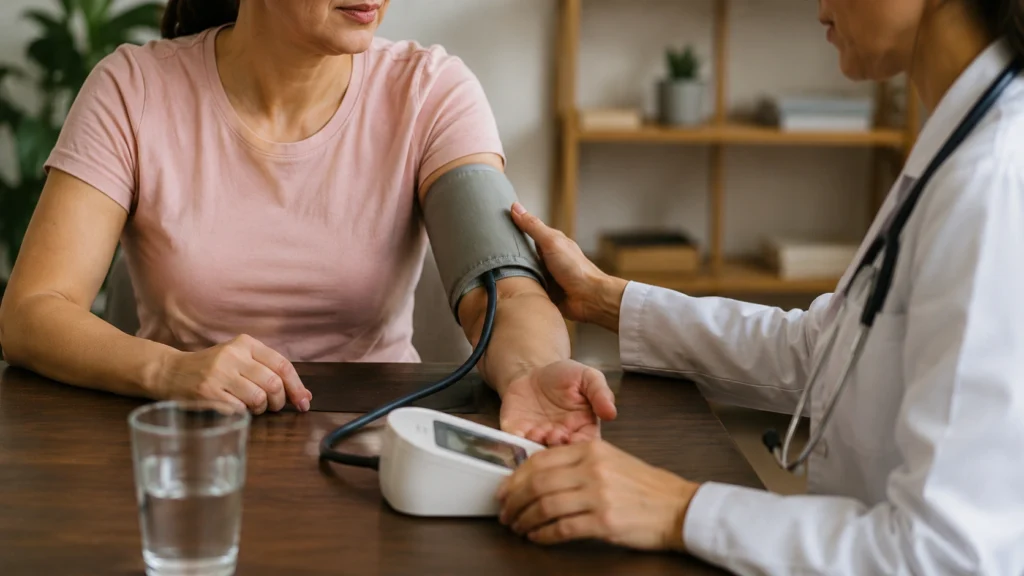
Most people hear “low BP” and think it is harmless.
In many cases, that is true. Some people naturally run a lower blood pressure and still feel perfectly well. But low blood pressure is not always a normal variation. Sometimes it is a warning sign that the body is not getting enough blood flow to the brain, heart, or other vital organs. When that happens, the symptoms can range from simple dizziness to fainting, weakness, confusion, and in severe cases, shock.
The problem with low BP treatment is that it is often ignored.
People may dismiss repeated light-headedness as tiredness, dehydration, skipping meals, or a hot day. They may think weakness is just due to stress or lack of sleep. But if low BP is happening often, or if it is linked with chest pain, fainting, fast heartbeat, severe fatigue, or poor concentration, it deserves proper medical evaluation. A single low reading may not matter. Recurrent low BP with symptoms definitely does.
Low blood pressure can happen for many reasons. It may be due to dehydration, blood loss, medicine side effects, infection, heart problems, endocrine disorders, anemia, or even a nervous system issue. In some people, it happens when they stand up too quickly. In others, it may occur after meals or during illness. The treatment depends entirely on the cause.
Low blood pressure, also called hypotension, means the pressure of blood flowing through the arteries is lower than normal. Blood pressure is what helps push oxygen and nutrients to the organs. When the pressure is too low, some parts of the body may not get enough circulation.
In adults, blood pressure is generally considered low when it falls below about 90/60 mmHg. But the number alone does not decide whether it is a problem. A person with low BP and no symptoms may not need treatment. A person with the same reading but dizziness, fainting, blurred vision, or weakness may need medical attention.
Low BP becomes important when it affects how a person feels or when it signals an underlying health problem. In some cases, it is temporary and related to dehydration, heat, or an empty stomach. In other cases, it is a sign of infection, heart disease, adrenal problems, blood loss, or medication side effects.
What matters most is the pattern. If low BP is occasional and mild, it may simply need hydration, rest, and monitoring. If it is repeated or severe, the reason must be found and treated.
Low BP is not a single condition. It can happen in different forms, and each type has different triggers and treatment needs.
Orthostatic hypotension
This is one of the most common types. It happens when blood pressure drops after standing up from sitting or lying down. The sudden change in position can cause dizziness, blurred vision, or even fainting.
People with dehydration, anemia, nerve problems, diabetes, or certain medicines may be more prone to this type.
Postprandial hypotension
This type happens after eating, especially after a heavy meal. Blood shifts toward the digestive system, and in some people the pressure drops enough to cause weakness, sleepiness, or light-headedness.
This is more common in older adults and people with autonomic dysfunction.
Neurally mediated hypotension
This happens when the nervous system incorrectly responds to standing or stress. It can cause a sudden drop in blood pressure and fainting. It is often seen in younger people.
Chronic low BP
Some people always have low BP but no symptoms. This may be normal for them. If they feel well and remain active, treatment may not be necessary.
Severe hypotension
This is a medical emergency. It occurs when blood pressure falls dramatically because of shock, major bleeding, severe infection, heart failure, or a serious allergic reaction. This type needs urgent treatment.
Low BP can happen for many reasons. Identifying the cause is the key to the right treatment.
Common causes
Risk factors
Why low blood pressure happens?
If any of these are affected, BP may fall. For example, dehydration reduces blood volume. Heart disease reduces pumping. Infection can cause blood vessels to relax too much. Medicines can lower BP intentionally or as a side effect.
Blood pressure depends on three main things:
Some people have low BP without any symptoms at all. Others may feel unwell even when the drop is mild. Symptoms can become worse when standing, walking, after meals, during heat exposure, or after long periods of rest.
Common symptoms
Symptoms that suggest a more serious problem
Orthostatic symptoms
If these symptoms happen often, they should not be ignored. Many patients notice symptoms only when they stand up quickly. This may include:
Diagnosis starts with a proper history and blood pressure check. Doctors do not just look at one reading. They try to understand the pattern, the symptoms, and the possible cause.
Medical history
The doctor may ask:
Physical examination
The doctor may check:
Tests that may be advised
Why diagnosis matters: The same symptom of dizziness may come from many causes. It may be due to dehydration, anemia, low sugar, heart rhythm issues, or low BP itself. If the cause is not found, the symptoms may keep returning. Good diagnosis helps choose the right treatment and prevents complications.
Treatment depends on the cause, severity, and symptoms. A person with mild low BP and no symptoms may only need observation. A person with repeated fainting or severe weakness may need urgent and more active care.
Treat the underlying cause
This is the most important step.
Increase fluid intake
For many people, especially those with mild low BP, drinking enough water helps significantly. Fluids increase blood volume and can reduce symptoms.
Adjust salt intake if advised
Some patients may be asked to increase salt intake, but only under medical guidance. Salt helps the body retain fluid and may support blood pressure. This is not suitable for everyone, especially people with heart or kidney disease.
Review medicines
Many cases of low BP are caused or worsened by medicines. A doctor may:
Patients should never change their medicines on their own.
Use medicines for low BP when needed
In certain situations, medicines may be prescribed to help raise blood pressure.
These medicines are not used for every patient. They are usually reserved for persistent symptomatic low BP.
Emergency treatment
If low BP is severe or linked to shock, infection, bleeding, or heart failure, emergency treatment is needed immediately.
Hospital care may include:
This is why sudden low BP with collapse, confusion, or breathing trouble should never be delayed.
Many patients with mild or recurring low BP can improve with daily habits. These changes can reduce symptoms and lower the chance of fainting.
Helpful lifestyle steps
Practical tips for daily life
What not to do
Diet can support treatment, especially when the cause is dehydration, poor intake, or nutritional deficiency.
Helpful dietary measures
When diet needs caution
That is why diet changes should be based on medical advice rather than general internet tips. Diet advice should be individualized if the person also has:
Low BP is not always harmful, but when it is severe or frequent, complications can happen.
Possible complications
Why complications happen: The body depends on adequate blood pressure to deliver oxygen. If the pressure falls too far, the brain may not get enough blood flow, leading to dizziness or fainting. If it falls very low and stays that way, organs may not function properly.
You should see a doctor if:
Low BP should not be treated as a single-number problem. The real task is to find the cause and manage it safely. A hospital setting is important when symptoms are recurring, the cause is unclear, or the patient may need specialist support.
No. Some healthy people naturally have low BP and no symptoms. It becomes important when it causes dizziness, fainting, weakness, or confusion, or when it is due to another illness.
Yes. Dehydration is one of the most common causes of low BP.
Yes. Treatment depends on the cause and may include fluids, medicine review, diet changes, and sometimes prescribed medicines.
This may be orthostatic hypotension, where BP drops on standing. It can happen due to dehydration, medicines, anemia, or nervous system issues.
Yes. If the brain does not receive enough blood flow, fainting can happen.
Only if a doctor recommends it. Salt is not suitable for everyone.
Yes. Several medicines can lower BP, especially BP medicines, diuretics, and some antidepressants or sedatives.
Yes. Some women have lower BP during pregnancy, especially early on, due to changes in blood vessels and circulation.
Low BP, or low blood pressure, is not always dangerous, but it should never be ignored when it causes symptoms or happens repeatedly. For some people, it is simply a normal body pattern. For others, it is a warning sign of dehydration, blood loss, medicine side effects, heart disease, infection, hormonal imbalance, or another condition that needs treatment.
The key to managing low BP is not just raising the number. The real goal is to find the cause, treat it properly, and prevent repeated episodes. That may involve hydration, nutrition, medicine adjustments, blood tests, heart evaluation, or specialist care depending on the patient’s condition.
If low BP is causing fainting, dizziness, weakness, or confusion, medical evaluation is important. With the right diagnosis and treatment, most patients can manage symptoms safely and return to normal daily life.
To find out if you have low blood pressure, also called hypotension, your healthcare professional gives you a physical exam.
Low blood pressure is a reading below 90/60 mm Hg. Many issues can cause low blood pressure.
No rows found.