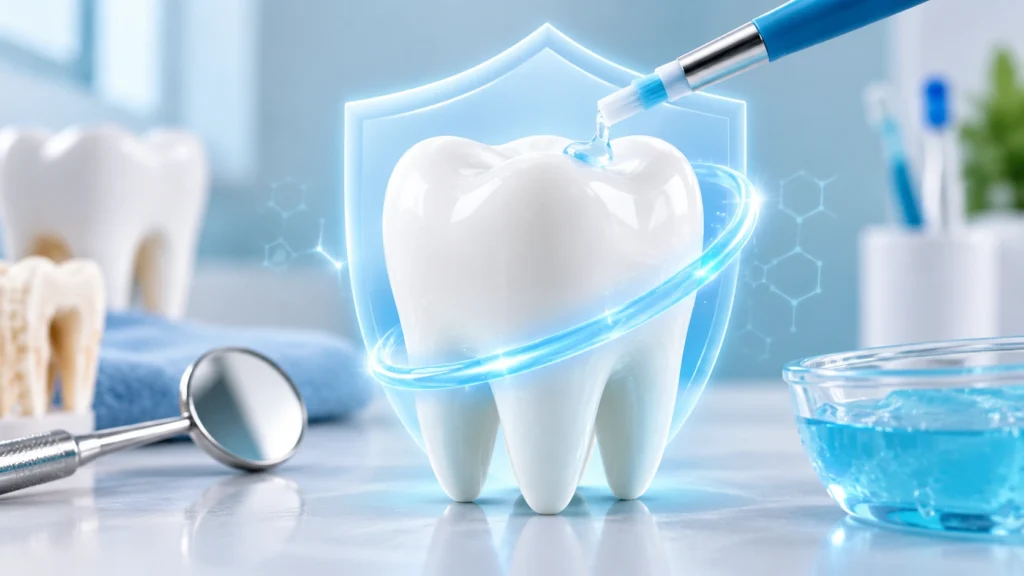
Fluoride treatment is one of the most effective and well-studied ways to protect teeth from decay. Fluoride is a natural mineral that helps strengthen tooth enamel, repair early damage from acids, and make teeth more resistant to cavities. It is used in toothpaste, mouth rinses, community water supplies, and professional dental treatments. For children, teenagers, and adults at higher risk of tooth decay, professional fluoride treatment at a dental clinic can provide extra protection beyond daily brushing.
Tooth decay happens when bacteria in the mouth produce acids that dissolve the mineral content of enamel. Over time, this leads to weak spots, white patches, and eventually cavities. Fluoride helps reverse this process in the early stages by promoting remineralization, which means it helps rebuild the enamel with stronger minerals. This can stop or slow down decay before a filling is needed.
What is Fluoride Treatment?
Fluoride treatment is a dental procedure in which a concentrated form of fluoride is applied to the teeth by a dentist or dental hygienist. The fluoride may come in the form of a varnish, gel, foam, or rinse. It is applied directly to the tooth surfaces and left for a short time so that the minerals can be absorbed into the enamel.
The goal of fluoride treatment is to strengthen teeth, reverse early signs of decay, and reduce the risk of new cavities. It is especially helpful for people who are at higher risk of tooth decay, such as children, people with dry mouth, those with braces, and individuals with a history of frequent cavities.
Fluoride treatment is quick, painless, and non-invasive. It is usually done during a routine dental check-up and takes only a few minutes. The effects are cumulative, meaning regular treatments over time provide better protection than a single application.
How Fluoride Works on Teeth?
Fluoride works in several ways to protect teeth from decay.
Main actions of fluoride
- Promotes remineralization of early enamel damage.
- Makes enamel more resistant to acid attacks from bacteria.
- Reduces the ability of bacteria to produce acid.
- Helps repair white spot lesions before they become cavities.
- Strengthens developing teeth in children.
Why enamel protection matters: Tooth enamel is the hard, outer layer of the tooth. It protects the softer inner layers from decay and sensitivity. When enamel is weakened by acid, sugars, and poor oral hygiene, the tooth becomes vulnerable. Fluoride helps rebuild and harden enamel, making it more difficult for cavities to form.
Who Benefits from Fluoride Treatment?
Fluoride treatment is not only for children. Many adults can also benefit, especially those at higher risk of decay.
Children and teenagers
- Children with newly erupted permanent teeth.
- Teenagers with braces or orthodontic appliances.
- Kids with a history of frequent cavities.
- Children who do not get enough fluoride from water or toothpaste.
Adults at higher risk
- Adults with dry mouth due to medicines or medical conditions.
- People with gum recession exposing root surfaces.
- Individuals with a history of multiple cavities.
- Patients with crowns, bridges, or dental work that traps plaque.
- Older adults with reduced saliva or difficulty cleaning teeth.
Special situations
- Pregnant women with increased risk of gum disease and decay.
- Patients undergoing radiation therapy to the head and neck.
- People with special needs who find oral hygiene challenging.
- Individuals with high sugar intake or frequent snacking.
Types of Fluoride Treatment
Fluoride can be delivered in different forms depending on the patient’s age, risk level, and dental needs.
Professional in-clinic treatments
- Fluoride varnish, which is painted onto the teeth and hardens quickly.
- Fluoride gel, which is placed in trays and held on the teeth for a few minutes.
- Fluoride foam, which is similar to gel but lighter in texture.
- High-concentration fluoride rinse used under supervision.
At-home fluoride products
- Fluoride toothpaste used twice daily.
- Fluoride mouth rinse for daily or weekly use.
- Prescription-strength fluoride gel for high-risk patients.
- Fluoride supplements in areas with low water fluoride.
Differences between varnish, gel, and foam
- Varnish sticks to teeth longer and is often preferred for children.
- Gel and foam are applied in trays and may be used for older children and adults.
- The choice depends on age, cooperation, and dental risk.
Procedure for Fluoride Treatment
Fluoride treatment is a simple and quick procedure done during a dental visit.
Steps involved
- Dental examination to check for cavities and gum health.
- Cleaning of teeth to remove plaque and debris.
- Drying of teeth to help fluoride adhere properly.
- Application of fluoride varnish, gel, or foam to all tooth surfaces.
- Instructions to avoid eating or drinking for a short time after treatment.
What to expect during the visit
- The procedure is painless and does not require anesthesia.
- The fluoride material may have a mild taste or smell.
- The application takes only a few minutes.
- Patients can usually resume normal activities immediately.
Aftercare instructions
- Avoid eating or drinking for at least thirty minutes after varnish.
- Avoid hot, hard, or sticky foods for a few hours if advised.
- Continue regular brushing and flossing.
- Follow the dentist’s advice on frequency of treatment.
Frequency of Fluoride Treatment
The frequency of fluoride treatment depends on the patient’s risk of cavities and dental health.
For children
- Every three to six months for high-risk children.
- Every six to twelve months for low-risk children.
- As advised by the dentist based on examination.
For adults
- Every six months for those at moderate risk.
- Every three to four months for high-risk adults.
- As needed based on dental history and current condition.
Factors that influence frequency
- History of recent cavities.
- Presence of braces or dental appliances.
- Dry mouth or reduced saliva.
- Poor oral hygiene or high sugar diet.
- Medical conditions affecting tooth health.
Safety of Fluoride Treatment
Fluoride treatment is safe when used as directed by a dental professional.
Safety points
- Professional fluoride uses controlled, safe concentrations.
- The amount applied is small and targeted to teeth.
- Adverse effects are rare when instructions are followed.
- Fluoride varnish is safe even for young children.
Fluoride and overall health
- Fluoride in toothpaste and water is widely studied and considered safe.
- Excessive ingestion of large amounts can cause fluorosis in developing teeth.
- Professional treatment minimizes swallowing and maximizes benefit.
- Parents should supervise children’s use of fluoride toothpaste.
Special considerations
- Inform the dentist about any allergies or medical conditions.
- Do not use additional fluoride products without advice if already using prescription fluoride.
- Keep fluoride products out of reach of small children.
Benefits of Fluoride Treatment
Fluoride treatment offers multiple benefits for dental health.
Dental benefits
- Strengthens tooth enamel.
- Reverses early decay before fillings are needed.
- Reduces the risk of new cavities.
- Protects exposed root surfaces in adults.
- Helps children develop stronger permanent teeth.
Long-term benefits
- Fewer cavities and dental procedures over time.
- Lower dental costs in the long run.
- Better oral health and confidence.
- Reduced tooth sensitivity in some cases.
- Support for overall health through better chewing and nutrition.
Community and public health impact
- Community water fluoridation reduces cavities at a population level.
- School-based fluoride programs help children who lack access to dental care.
- Preventive care reduces the burden on dental services.
Diet and Home Care with Fluoride
Fluoride treatment works best when combined with good daily oral care and a tooth-friendly diet.
Home care pointers
- Brush twice daily with fluoride toothpaste.
- Floss daily to remove plaque between teeth.
- Use a fluoride mouth rinse if advised by the dentist.
- Replace toothbrush every three months.
- Visit the dentist regularly for check-ups and cleaning.
Diet pointers
- Limit sugary snacks and drinks.
- Avoid frequent sipping of sweetened beverages.
- Choose water instead of juice or soda.
- Eat cheese, milk, and other calcium-rich foods.
- Rinse mouth with water after meals if brushing is not possible.
Why home care matters: Fluoride treatment provides extra protection, but daily hygiene is the foundation. Without regular brushing, flossing, and diet control, the benefits of fluoride are reduced. Combining professional treatment with good home care gives the best results.
Possible Side Effects
Fluoride treatment is generally well tolerated, but some people may experience mild side effects.
Common and mild effects
- Temporary taste or sensation after application.
- Mild nausea if some fluoride is swallowed.
- Rare allergic reaction to flavoring or ingredients.
Rare and serious effects
- Fluorosis from excessive fluoride intake during tooth development.
- Stomach upset if large amounts are ingested.
- Allergic reaction requiring medical attention.
What to do if side effects occur
- Inform the dentist about any discomfort or reaction.
- Follow instructions on eating and drinking after treatment.
- Keep fluoride products away from small children.
- Seek medical advice if severe symptoms occur.
Fluoride Treatment for Children
Children benefit greatly from fluoride treatment because their permanent teeth are still developing and maturing.
Why children need fluoride
- Newly erupted teeth are more vulnerable to decay.
- Children may not brush effectively.
- Frequent snacking increases acid exposure.
- Early protection reduces future dental problems.
How treatment is adapted for children
- Use of child-friendly varnish with mild flavor.
- Shorter application time.
- Positive reinforcement to reduce fear.
- Parental education on home care and diet.
Parental guidance
- Supervise brushing until the child can do it well.
- Use a pea-sized amount of fluoride toothpaste.
- Encourage spitting out toothpaste rather than swallowing.
- Schedule regular dental visits from an early age.
Fluoride Treatment for Adults
Adults also benefit from fluoride, especially those with higher risk of decay.
Why adults need fluoride
- Gum recession exposes root surfaces that decay easily.
- Dry mouth from medicines reduces natural protection.
- Existing dental work can trap plaque.
- Aging increases vulnerability to tooth loss.
How treatment helps adults
- Strengthens exposed roots and old fillings.
- Reduces sensitivity in some cases.
- Prevents new cavities around crowns and bridges.
- Supports long-term tooth retention.
Adult care pointers
- Discuss fluoride needs with the dentist.
- Use prescription fluoride if recommended.
- Manage dry mouth with water, sugar-free gum, or saliva substitutes.
- Maintain regular dental visits.
When Should You See a Dentist?
Regular dental visits are important for everyone, but some signs suggest a need for earlier evaluation.
- Tooth sensitivity to hot, cold, or sweet foods.
- Visible white spots or brown patches on teeth.
- Frequent cavities or fillings.
- Bleeding gums or bad breath.
- Dry mouth or difficulty swallowing.
- Braces or other dental appliances.
Prevention of Tooth Decay
Tooth decay is largely preventable with the right habits and professional support.
- Brush twice daily with fluoride toothpaste.
- Floss daily to clean between teeth.
- Limit sugary and acidic foods and drinks.
- Drink fluoridated water if available.
- Visit the dentist regularly for check-ups and cleaning.
- Get professional fluoride treatment if at higher risk.
- Avoid smoking and tobacco products.
- Manage medical conditions that affect oral health.
Why prevention matters: Treating cavities early is easier and less costly than treating advanced decay. Prevention preserves natural teeth, reduces pain, and supports overall health. Fluoride is a key part of this preventive strategy.
Why Choose Rama Hospital for Fluoride Treatment?
Fluoride treatment is simple, but it works best when provided as part of comprehensive dental care. A hospital-based dental department can offer expert evaluation, safe application, and personalized advice for patients of all ages.
- Expert assessment of cavity risk and oral health.
- Safe and controlled application of professional fluoride.
- Integration with other dental services such as cleaning, fillings, and orthodontics.
- Education on home care, diet, and long-term prevention.
- Follow-up to monitor results and adjust care.
Frequently Asked Questions (FAQs)
Who should get fluoride treatment?
Children, teenagers, and adults at higher risk of cavities benefit most. This includes people with braces, dry mouth, frequent cavities, gum recession, or poor oral hygiene.
Is fluoride treatment safe for children?
Yes, fluoride treatment is safe for children when applied by a dentist. Fluoride varnish is commonly used for young kids and helps protect newly erupted permanent teeth.
How often should fluoride treatment be done?
Frequency depends on cavity risk. High-risk patients may need it every three to six months, while low-risk patients may need it once a year or as advised by the dentist.
Does fluoride treatment replace brushing?
No, fluoride treatment does not replace daily brushing and flossing. It provides extra protection but works best when combined with good home oral care.
Can fluoride reverse cavities?
Fluoride can reverse very early decay in the enamel stage, such as white spot lesions. Once a cavity forms a hole, a filling is usually needed.
Are there side effects of fluoride treatment?
Side effects are rare and usually mild, such as temporary taste or mild nausea. Serious reactions are uncommon when treatment is done correctly.
Can adults benefit from fluoride treatment?
Yes, adults with dry mouth, gum recession, frequent cavities, or dental work can benefit from professional fluoride treatment to strengthen teeth and prevent new decay.
Conclusion
Fluoride treatment is a simple, safe, and highly effective way to protect teeth from decay. It strengthens enamel, reverses early damage, and reduces the risk of cavities in children and adults. When combined with good brushing, flossing, and diet, fluoride treatment can significantly improve long-term dental health.
The most important steps are regular dental visits, proper home care, and professional fluoride application for those at higher risk. For patients with frequent cavities, sensitivity, braces, dry mouth, or gum recession, a dental evaluation can help determine if fluoride treatment is right for them. With consistent care, patients can maintain strong, healthy teeth for life.
Rama Hospital can provide professional fluoride treatment as part of comprehensive dental care, along with guidance on prevention, home care, and long-term oral health.