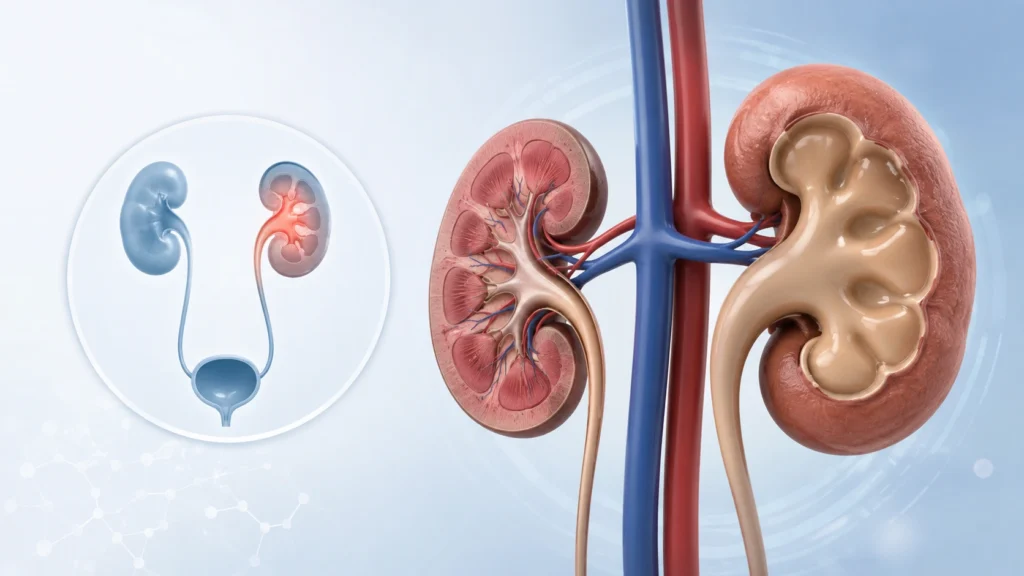
Hydronephrosis is a condition in which one or both kidneys become swollen due to a buildup of urine. This happens when urine cannot drain properly from the kidney to the bladder, causing pressure to build up inside the kidney. Over time, this pressure can damage kidney tissue and affect kidney function. Hydronephrosis is not a disease by itself, but rather a sign that there is a blockage or problem somewhere in the urinary tract.
This condition can affect people of all ages, from unborn babies to older adults. In some cases, it is mild and improves on its own. In other cases, it can be severe and needs urgent treatment to protect the kidney. Early diagnosis and proper management are important to prevent long-term kidney damage.
What is Hydronephrosis?
Hydronephrosis means swelling of the kidney due to urine buildup. The word “hydro” refers to water or fluid, “nephro” refers to kidney, and “osis” means condition. When urine flow is blocked or slowed, urine backs up into the kidney, causing it to stretch and swell.
The urinary system normally works like a one-way pipeline. The kidneys make urine, which flows down the ureters into the bladder, and then out of the body through the urethra. If there is a blockage anywhere along this path, urine can collect in the kidney and cause hydronephrosis.
Hydronephrosis can affect one kidney or both kidneys. It can be mild, moderate, or severe depending on how much swelling is present and how long the blockage has been there. If left untreated for a long time, it can lead to kidney damage or loss of function.
Types of Hydronephrosis
Hydronephrosis can be classified in different ways based on the cause, location, and severity.
Based on the side affected
- Unilateral hydronephrosis, which affects only one kidney.
- Bilateral hydronephrosis, which affects both kidneys and is often more serious.
Based on the cause
- Obstructive hydronephrosis, caused by a physical blockage in the urinary tract.
- Non-obstructive hydronephrosis, caused by functional problems such as reflux or nerve issues.
Based on severity
- Mild hydronephrosis, with slight swelling and minimal impact on kidney function.
- Moderate hydronephrosis, with more noticeable swelling and some effect on function.
- Severe hydronephrosis, with significant swelling and high risk of kidney damage.
Based on age group
- Antenatal or fetal hydronephrosis, detected during pregnancy on ultrasound.
- Pediatric hydronephrosis, seen in infants and children.
- Adult hydronephrosis, seen in adolescents and adults.
Causes of Hydronephrosis
Hydronephrosis happens when urine flow is blocked or disrupted. There are many possible causes, and they can differ between children and adults.
Common causes in adults
- Kidney stones blocking the ureter.
- Enlarged prostate in men pressing on the urethra or bladder outlet.
- Tumors or growths in the kidney, ureter, bladder, or nearby organs.
- Scarring or narrowing of the ureter due to previous surgery or infection.
- Blood clots in the urinary tract.
- Pregnancy causing temporary compression of the ureters.
- Neurogenic bladder, where nerve problems affect bladder emptying.
- Ureteropelvic junction obstruction, a narrowing where the kidney meets the ureter.
- Bladder outlet obstruction due to strictures or other conditions.
Common causes in children
- Congenital narrowing of the ureter or junction between kidney and ureter.
- Vesicoureteral reflux, where urine flows backward from the bladder to the kidney.
- Posterior urethral valves in male infants, causing bladder outlet obstruction.
- Abnormal development of the urinary tract before birth.
- Functional bladder problems affecting urine flow.
Why blockage leads to swelling: When urine cannot drain properly, pressure builds up inside the kidney. This pressure stretches the kidney’s collecting system and can compress the kidney tissue. Over time, this can reduce blood flow to the kidney and damage the filtering units. If the blockage is not relieved, permanent kidney damage can occur.
Symptoms of Hydronephrosis
Symptoms depend on the cause, severity, and whether one or both kidneys are affected. Some people have no symptoms, especially in mild or early cases.
Common symptoms
- Pain in the side, back, or abdomen, often on one side.
- Dull ache or sharp pain that may come and go.
- Nausea or vomiting.
- Fever, especially if there is an infection.
- Burning or pain during urination.
- Frequent urination or urgency.
- Blood in the urine.
- Weak urine stream or difficulty passing urine.
- Swelling in the abdomen in severe cases.
- High blood pressure in some patients.
Symptoms in infants and children
- Poor feeding or failure to gain weight.
- Irritability or excessive crying.
- Fever without a clear cause.
- Vomiting.
- Urinary tract infections.
- Abdominal swelling.
- Poor urine output in severe cases.
Emergency warning signs
- Severe pain in the side or back.
- High fever with chills.
- Inability to pass urine.
- Blood in urine with severe pain.
- Confusion or extreme weakness.
- Signs of infection with kidney pain.
Hydronephrosis in Different Age Groups
Hydronephrosis can present differently depending on age.
In unborn babies and infants
- Often detected during routine pregnancy ultrasound.
- May improve on its own before or after birth.
- Some cases need monitoring or treatment after delivery.
- Congenital causes are more common in this group.
In children
- May be found after repeated urinary tract infections.
- Some children have no symptoms and are diagnosed on imaging.
- Early treatment can protect kidney function as the child grows.
In adults
- Often caused by kidney stones, prostate enlargement, or tumors.
- Pain and urinary symptoms are more common.
- May be associated with other urinary or systemic conditions.
In older adults
- Higher risk due to prostate problems, tumors, or prior surgeries.
- May have other health conditions that complicate treatment.
- Kidney function may already be reduced, making timely care more important.
How is Hydronephrosis Diagnosed?
Diagnosis is based on symptoms, physical examination, and imaging tests. Since hydronephrosis is a structural problem, imaging is essential to confirm the diagnosis and find the cause.
Diagnostic steps
- Detailed history of symptoms and urinary problems.
- Physical examination of the abdomen and back.
- Blood pressure measurement.
- Urine tests to check for infection or blood.
- Blood tests to assess kidney function.
- Imaging tests to visualize the kidneys and urinary tract.
Common tests that may be done
- Ultrasound of the kidneys and bladder, which is often the first test.
- CT scan of the abdomen and pelvis for detailed imaging.
- MRI urography for complex cases or when radiation should be avoided.
- DTPA or MAG3 scan to assess kidney function and drainage.
- X-ray with contrast to evaluate the urinary tract.
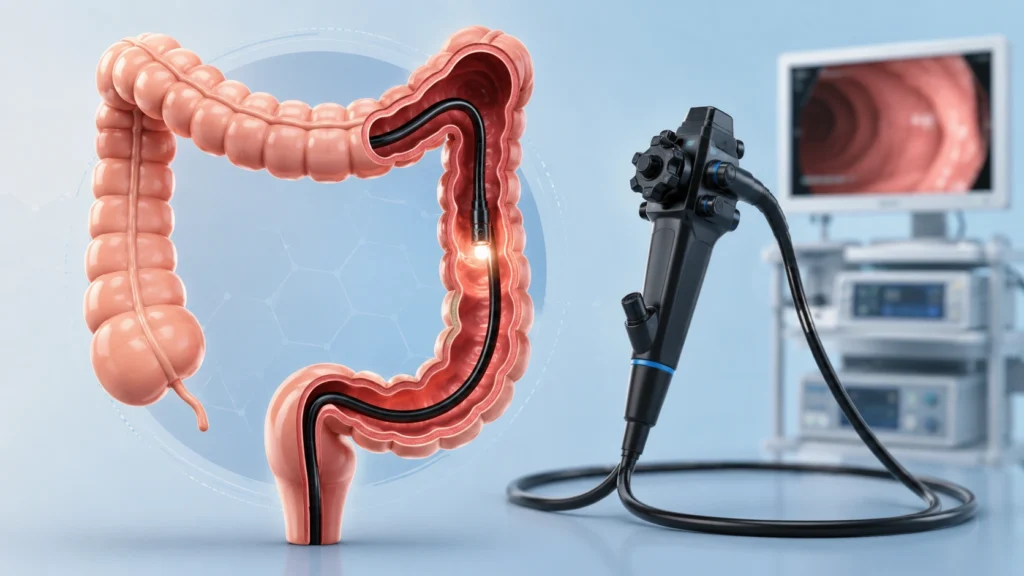
- Cystoscopy to look inside the bladder and urethra in selected cases.
- Urodynamic studies if bladder function is suspected to be abnormal.
Why diagnosis matters: Early diagnosis helps identify the cause of blockage and prevents kidney damage. Imaging shows the degree of swelling, the location of obstruction, and whether one or both kidneys are affected. This information guides the treatment plan.
Treatment for Hydronephrosis
Treatment depends on the cause, severity, and whether there is infection or kidney damage. The main goals are to relieve the blockage, treat infection, and protect kidney function.
Treatment for mild cases
- Observation and regular monitoring with ultrasound.
- Treatment of any underlying infection.
- Pain management if needed.
- Follow-up to ensure the swelling does not worsen.
Treatment for moderate to severe cases
- Relief of urinary blockage using procedures or surgery.
- Placement of a stent to keep the ureter open.
- Nephrostomy tube to drain urine directly from the kidney in urgent cases.
- Treatment of kidney stones if they are the cause.
- Management of prostate enlargement in men.
- Surgical correction of congenital narrowing or reflux in children.
1. Urinary stent placement
A thin tube called a ureteric stent may be placed inside the ureter to allow urine to flow from the kidney to the bladder.
- Done using a small scope passed through the urethra and bladder.
- Helps relieve obstruction quickly.
- May be temporary until definitive treatment is done.
- Can cause some urinary frequency or discomfort.
2. Nephrostomy tube
In some urgent cases, a tube may be placed directly into the kidney through the back to drain urine.
- Used when stent placement is not possible or infection is severe.
- Drains urine into a bag outside the body.
- Provides immediate relief of pressure.
- Usually temporary until further treatment.
3. Treatment of kidney stones
If stones are causing the blockage, they may need to be removed or broken.
- Medicines to help pass small stones.
- Procedures such as lithotripsy to break stones.
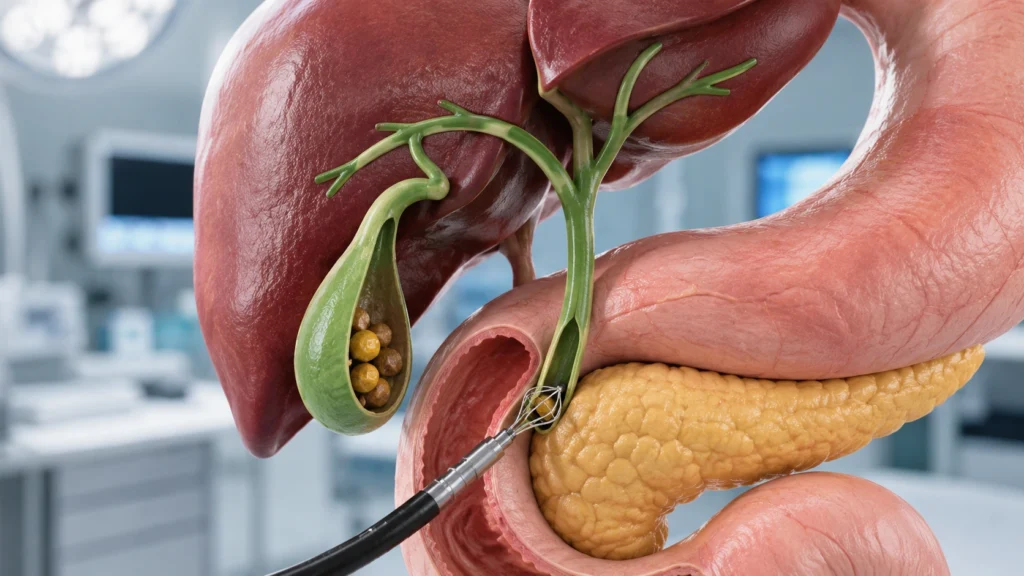
- Endoscopic removal of larger stones.
- Prevention advice to reduce future stone formation.
4. Surgery for structural problems
Some patients need surgery to correct the underlying cause.
- Pyeloplasty to repair narrowing at the kidney-ureter junction.
- Surgery for vesicoureteral reflux in children.
- Prostate surgery in men with enlarged prostate.
- Tumor removal if a growth is causing obstruction.
- Reconstruction of ureter or bladder in complex cases.
5. Treatment of infection
If there is a urinary tract infection along with hydronephrosis, antibiotics are important.
- Oral antibiotics for mild infection.
- IV antibiotics for severe infection or high fever.
- Drainage of urine is essential if infection is present with blockage.
- Close monitoring to prevent sepsis.
Recovery After Treatment
Recovery depends on the cause, type of treatment, and overall health of the patient.
Recovery after stent or nephrostomy
- Short hospital stay in many cases.
- Some urinary discomfort or frequency may occur.
- Regular follow-up to monitor kidney drainage.
- Stent or tube removal when the underlying issue is resolved.
Recovery after stone treatment
- Pain improves as the blockage is relieved.
- Increased fluid intake to prevent new stones.
- Dietary advice based on stone type.
- Follow-up imaging to ensure no residual stones.
Recovery after surgery
- Hospital stay varies depending on the procedure.
- Gradual return to normal activities.
- Pain management and wound care as needed.
- Follow-up imaging to check kidney drainage and function.
Long-term follow-up
- Regular ultrasound or other imaging to monitor the kidney.
- Blood and urine tests to check kidney function.
- Management of any underlying conditions such as stones or prostate enlargement.
- Lifestyle advice to support urinary and kidney health.
Possible Complications of Hydronephrosis
If hydronephrosis is not treated, it can lead to serious complications.
Complications of untreated hydronephrosis
- Permanent kidney damage.
- Loss of kidney function.
- Recurrent urinary tract infections.
- Kidney abscess in severe cases.
- High blood pressure due to kidney involvement.
- Sepsis if infection spreads.
- Need for dialysis in advanced bilateral cases.
Complications after treatment
- Infection at the site of stent or tube.
- Stent displacement or blockage.
- Bleeding after surgery.
- Scarring or narrowing after procedure.
- Need for repeat procedures in some cases.
Why complications happen: Prolonged pressure inside the kidney damages the filtering units and reduces blood flow. Infection combined with obstruction can spread quickly and become life-threatening. Timely treatment reduces these risks significantly.
When Should You See a Doctor?
Medical evaluation is important for anyone with symptoms suggesting urinary blockage or kidney problems.
- Persistent pain in the side or back.
- Recurrent urinary tract infections.
- Blood in the urine.
- Difficulty passing urine or weak stream.
- Swelling in the abdomen.
- High blood pressure with urinary symptoms.
- Known kidney stones with new pain.
Prevention of Hydronephrosis
Not all cases can be prevented, but some risks can be reduced.
- Drink adequate water daily unless restricted by a doctor.
- Treat urinary tract infections promptly.
- Manage kidney stones with diet and medicines as advised.
- Regular check-ups if you have a history of urinary problems.
- Follow medical advice during pregnancy if hydronephrosis is detected.
- Monitor prostate health in older men.
- Avoid delaying treatment for urinary symptoms.
Why Choose Rama Hospital for Hydronephrosis Treatment?
Hydronephrosis requires expert urological care, advanced imaging, and sometimes urgent intervention. A hospital with experienced urologists, modern imaging, and surgical facilities can provide comprehensive care.
- Expert evaluation by urology specialists.
- Advanced imaging for accurate diagnosis.
- Minimally invasive and open surgical options.
- Emergency care for severe obstruction or infection.
- Long-term follow-up to protect kidney function.
- Coordinated care for children and adults.
Frequently Asked Questions (FAQs)
Is hydronephrosis serious?
It can be serious if the blockage is severe or lasts a long time. Mild cases may improve on their own, but moderate to severe cases need treatment to prevent kidney damage. Prompt medical care reduces the risk of complications.
Can hydronephrosis be cured?
Many cases can be treated effectively by relieving the blockage and managing the underlying cause. Some mild cases resolve without surgery. The outcome depends on the cause, severity, and how quickly treatment is started.
What causes hydronephrosis in adults?
Common causes in adults include kidney stones, enlarged prostate, tumors, scarring, or narrowing of the ureter. Pregnancy can also cause temporary hydronephrosis. Identifying the exact cause is important for proper treatment.
Can hydronephrosis happen in babies?
Yes, hydronephrosis is often detected in unborn babies during routine ultrasound. Many cases improve before or after birth, but some need monitoring or treatment. Early care helps protect kidney development.
What tests are done for hydronephrosis?
Ultrasound is usually the first test, followed by CT scan, MRI, or specialized kidney scans. Urine and blood tests check for infection and kidney function. These tests help find the cause and plan treatment.
Is surgery always needed for hydronephrosis?
No, surgery is not always needed. Mild cases may only need monitoring. Surgery or procedures are done when there is significant blockage, infection, or risk to kidney function.
Can hydronephrosis come back after treatment?
It can return if the underlying cause is not fully treated or if new blockages develop. Regular follow-up and management of risk factors such as stones or prostate problems help reduce recurrence.
Conclusion
Hydronephrosis is a condition where the kidney swells due to urine buildup caused by a blockage or reflux in the urinary tract. It can affect people of all ages and may lead to kidney damage if not treated. The good news is that many cases can be managed effectively with timely diagnosis and appropriate treatment.
The most important steps are proper imaging to find the cause, relief of obstruction, treatment of infection, and long-term follow-up to protect kidney function. For patients with side pain, urinary symptoms, recurrent infections, or known kidney stones, a medical evaluation can make a major difference. With expert care, most patients can preserve kidney health and avoid serious complications.
Rama Hospital can help evaluate hydronephrosis, identify the underlying cause, and provide a clear treatment plan that supports kidney protection, symptom relief, and long-term urinary health.