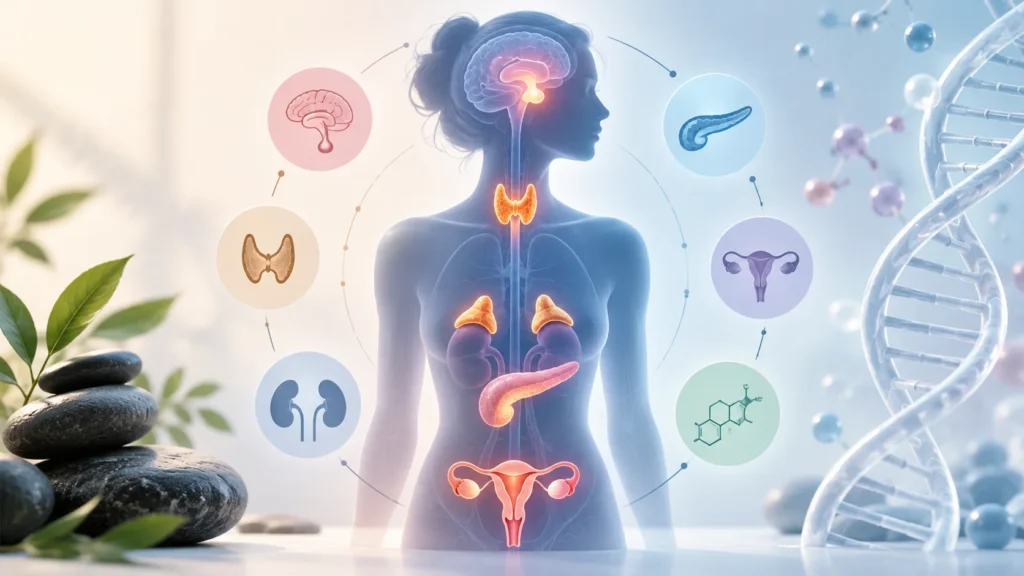
Hormonal imbalance disorders are among the most common yet often misunderstood health problems, especially in women. Hormones are chemical messengers produced by glands such as the thyroid, ovaries, adrenal glands, pancreas, and pituitary gland. They control metabolism, mood, sleep, growth, reproduction, energy levels, and many other vital functions. When hormone levels become too high, too low, or out of balance, the body starts showing signs in different systems.
Many people experience symptoms such as irregular periods, weight gain, hair fall, acne, mood swings, fatigue, infertility, sleep problems, or changes in skin and hair texture. These symptoms are often dismissed as stress, aging, or lifestyle issues. In reality, they may point to an underlying hormonal disorder such as thyroid disease, polycystic ovary syndrome, insulin resistance, adrenal imbalance, or reproductive hormone disturbances.
What are Hormonal Imbalance Disorders?
Hormonal imbalance disorders happen when one or more hormones in the body are not at the right level or are not working properly. Hormones regulate almost every function in the body, including metabolism, growth, mood, sleep, reproduction, and stress response. Even a small change in hormone levels can affect how a person feels and functions.
These disorders can affect people of all ages, but they are especially common in women during puberty, reproductive years, pregnancy, postpartum period, and menopause. Men can also have hormonal imbalances, often related to thyroid, insulin, testosterone, or adrenal hormones.
Hormonal imbalance may be temporary or long-term. Some cases improve with lifestyle changes and short-term treatment. Others need ongoing medical management. Early diagnosis and proper treatment can prevent long-term complications such as infertility, diabetes, heart disease, bone weakness, and mental health problems.
Types of Hormonal Imbalance Disorders
Hormonal imbalance can involve different glands and hormones. The type of disorder depends on which hormone system is affected.
Thyroid-related hormonal imbalance disorders
- Hypothyroidism, where the thyroid gland is underactive and hormone levels are low.
- Hyperthyroidism, where the thyroid gland is overactive and hormone levels are high.
- Thyroid nodules or goiter affecting hormone production.
- Postpartum thyroiditis occurring after pregnancy.
Reproductive hormonal imbalance disorders in women
- Polycystic ovary syndrome or PCOS, involving irregular periods, high androgens, and ovarian cysts.
- Irregular or absent periods due to hormonal causes.
- Premature ovarian insufficiency where ovarian function declines early.
- Menopause-related hormonal changes causing hot flashes, mood changes, and sleep issues.
- Luteal phase defects affecting fertility.
Reproductive hormonal imbalance disorders in men
- Low testosterone levels causing fatigue, low libido, and muscle loss.
- Hormonal causes of infertility.
- Gynecomastia or breast enlargement due to hormone imbalance.
Insulin and metabolic hormonal imbalance disorders
- Insulin resistance, where the body does not respond properly to insulin.
- Prediabetes and type 2 diabetes related to insulin imbalance.
- Metabolic syndrome involving multiple hormonal and metabolic changes.
Adrenal hormonal imbalance disorders
- Cushing syndrome due to excess cortisol.
- Adrenal insufficiency where adrenal hormones are too low.
- Stress-related adrenal imbalance affecting sleep, energy, and weight.
Other hormonal imbalance disorders
- Prolactin excess causing irregular periods or milk discharge.
- Growth hormone abnormalities affecting height, weight, and metabolism.
- Parathyroid disorders affecting calcium and bone health.
Causes of Hormonal Imbalance Disorders
Hormonal imbalance disorders can result from many factors, often acting together.
Common causes include:
- Genetic or family tendency.
- Autoimmune conditions affecting glands such as the thyroid.
- Chronic stress affecting adrenal and reproductive hormones.
- Poor sleep or irregular sleep patterns.
- Unhealthy diet high in sugar, refined carbs, and processed food.
- Sedentary lifestyle and low physical activity.
- Obesity or significant weight gain.
- Rapid weight loss or extreme dieting.
- Pregnancy, postpartum changes, and breastfeeding.
- Menopause and perimenopause transitions.
- Certain medicines such as steroids, psychiatric drugs, or hormonal treatments.
- Environmental toxins and endocrine disruptors.
- Chronic illnesses such as diabetes, kidney disease, or liver disease.
- Tumors or growths in hormone-producing glands.
Why hormonal imbalance disorders happens
Hormones work in a delicate feedback system. When one hormone changes, it can affect others. For example, insulin resistance can worsen PCOS. Thyroid imbalance can affect menstrual cycles. Stress hormones can disturb sleep, appetite, and reproductive hormones. This is why a whole-body approach is needed in diagnosis and treatment.
Risk Factors for hormonal imbalance disorders
Some people are more likely to develop hormonal imbalance disorders than others.
Higher-risk groups
- Women with irregular periods or fertility issues.
- People with a family history of thyroid disease, diabetes, or PCOS.
- Individuals with obesity or central weight gain.
- Those with high stress, poor sleep, or shift work.
- People with autoimmune conditions.
- Adolescents going through puberty.
- Women in perimenopause and menopause.
- Patients with long-term use of certain medicines.
- Individuals with poor diet and low physical activity.
- People with a history of gestational diabetes or pregnancy complications.
Why risk increases in these groups
- Hormonal transitions are natural in puberty, pregnancy, and menopause.
- Genetics can predispose certain gland disorders.
- Obesity and inactivity worsen insulin and reproductive hormones.
- Stress and poor sleep disrupt adrenal and reproductive axes.
- Autoimmune conditions can target hormone glands directly.
Symptoms of Hormonal Imbalance Disorders
Symptoms vary widely depending on which hormones are affected. Many symptoms are non-specific, which is why testing is important.
General symptoms
- Fatigue and low energy.
- Unexplained weight gain or weight loss.
- Mood swings, anxiety, or depression.
- Sleep disturbances.
- Hair fall or thinning hair.
- Acne or skin changes.
- Changes in appetite.
- Digestive issues.
- Temperature sensitivity.
- Brain fog or poor concentration.
Symptoms in women
- Irregular, delayed, or absent periods.
- Heavy or painful periods.
- Difficulty conceiving or infertility.
- Excess facial or body hair.
- Acne along jawline or chin.
- Breast tenderness or discharge.
- Hot flashes or night sweats.
- Vaginal dryness.
- Low libido.
- Recurrent miscarriages in some cases.
Symptoms in men
- Low energy and fatigue.
- Reduced muscle mass.
- Increased body fat.
- Low libido.
- Erectile dysfunction.
- Mood changes.
- Breast enlargement.
- Infertility.
Thyroid-related symptoms
- Weight gain or loss without clear reason.
- Cold or heat intolerance.
- Dry skin or hair changes.
- Constipation or diarrhea.
- Palpitations or slow heart rate.
- Swelling in the neck.
- Tremors or nervousness.
Insulin-related symptoms
- Increased hunger.
- Cravings for sweets.
- Weight gain around the abdomen.
- Fatigue after meals.
- Darkening of skin in body folds.
- Elevated blood sugar on testing.
How are Hormonal Imbalance Disorders Diagnosed?
Diagnosis is based on symptoms, medical history, physical examination, and blood tests. Because symptoms overlap with many conditions, proper testing is essential.
Diagnostic steps
- Detailed symptom history including menstrual pattern, sleep, mood, and weight changes.
- Family history of hormonal or metabolic disorders.
- Medication and supplement review.
- Physical examination including weight, waist, skin, hair, thyroid, and signs of hormone excess or deficiency.
- Blood tests to measure specific hormone levels.
- Imaging if a gland abnormality is suspected.
Common tests that may be done
- Thyroid profile including TSH, T3, and T4.
- Reproductive hormone panel such as FSH, LH, estrogen, progesterone, and testosterone.
- Prolactin level.
- Fasting blood sugar and insulin.
- HbA1c for long-term sugar control.
- Lipid profile.
- Vitamin D and other nutritional markers if needed.
- Ultrasound of pelvis for PCOS or ovarian assessment.
- Thyroid ultrasound if nodules or goiter are present.
- Additional tests based on clinical suspicion.
Why diagnosis matters
Hormonal symptoms can mimic stress, depression, anemia, or other medical problems. Accurate testing ensures the right diagnosis and prevents unnecessary or ineffective treatment. It also helps identify conditions that need long-term management.
Treatment for Hormonal Imbalance Disorders
Treatment depends on the specific disorder, severity of symptoms, and patient goals such as symptom relief, fertility, or metabolic health.
1. Lifestyle and diet changes
Lifestyle is the foundation of treatment for most hormonal disorders.
- Balanced diet with adequate protein, fiber, and healthy fats.
- Reduction of sugar, refined carbs, and processed food.
- Regular physical activity including strength and cardio.
- Good sleep hygiene with consistent timings.
- Stress management through relaxation, yoga, or counseling.
- Weight management if overweight or obese.
2. Medicines for specific conditions
Medicines are used to correct hormone levels or manage symptoms.
- Thyroid hormone replacement for hypothyroidism.
- Antithyroid medicines for hyperthyroidism.
- Metformin or other agents for insulin resistance and PCOS.
- Hormonal pills or progesterone for cycle regulation.
- Anti-androgen medicines for excess hair or acne in PCOS.
- Medicines for prolactin excess if present.
- Hormone replacement therapy in selected menopausal patients.
- Testosterone replacement in men with confirmed deficiency.
3. Fertility-focused treatment
For patients trying to conceive, treatment may include:
- Ovulation induction medicines.
- Cycle monitoring with ultrasound and hormones.
- Management of thyroid or prolactin issues before conception.
- Coordination with fertility specialists if needed.
4. Treatment of underlying conditions
Hormonal imbalance disorders is often linked to other health problems.
- Management of obesity or metabolic syndrome.
- Treatment of diabetes or prediabetes.
- Care for autoimmune thyroid disease.
- Evaluation of adrenal or pituitary disorders when suspected.
5. Monitoring and follow-up
Hormonal imbalance disorders often need long-term follow-up.
- Repeat blood tests to monitor hormone levels.
- Dose adjustment of medicines as needed.
- Assessment of symptom improvement.
- Screening for complications such as bone health, heart risk, or metabolic changes.
Lifestyle and Diet Support for Hormonal Health
Daily habits play a major role in hormone balance.
Helpful diet pointers
- Include protein in every meal.
- Eat plenty of vegetables and fruits.
- Choose whole grains over refined grains.
- Include healthy fats such as nuts, seeds, and olive oil.
- Limit sugar, sweets, and sugary drinks.
- Avoid extreme dieting or long fasting without guidance.
- Stay hydrated with water and herbal teas.
Helpful lifestyle pointers
- Maintain a regular sleep schedule.
- Get morning sunlight exposure when possible.
- Practice stress reduction techniques.
- Avoid smoking and limit alcohol.
- Keep a healthy weight range.
- Stay physically active most days of the week.
- Take medicines and supplements as prescribed.
Why lifestyle matters
Medicines can correct hormone levels, but lifestyle determines how stable those levels remain. Poor sleep, high stress, and unhealthy diet can worsen insulin, thyroid, and reproductive hormones even with treatment.
Possible Complications
Untreated hormonal imbalance disorders can lead to serious long-term problems.
Possible complications
- Infertility or difficulty conceiving.
- Recurrent miscarriages.
- Type 2 diabetes and prediabetes.
- High blood pressure and heart disease.
- High cholesterol and fatty liver.
- Osteoporosis or bone weakness.
- Depression, anxiety, or mood disorders.
- Severe menstrual problems.
- Thyroid eye disease or heart issues in thyroid disorders.
- Pregnancy complications such as gestational diabetes or preeclampsia.
Why complications happen
Hormones affect metabolism, blood vessels, bones, brain, and reproductive organs. Long-term imbalance strains these systems and increases disease risk over time.
When to See a Doctor
Medical evaluation is important if symptoms are persistent or affecting quality of life.
- Irregular or absent periods for more than three months.
- Difficulty conceiving after one year of trying.
- Unexplained weight gain or weight loss.
- Severe acne or excess hair growth.
- Persistent fatigue or low energy.
- Mood changes, anxiety, or sleep problems.
- Signs of thyroid issues such as neck swelling or temperature sensitivity.
- History of gestational diabetes or pregnancy loss.
- Family history of thyroid, PCOS, or diabetes.
Prevention of Hormonal Imbalance Disorders
Not all hormonal imbalance disorders can be prevented, but risk can be reduced.
Prevention pointers
- Maintain a healthy weight.
- Eat a balanced, nutrient-rich diet.
- Stay physically active regularly.
- Get adequate sleep each night.
- Manage stress with healthy coping strategies.
- Avoid smoking and limit alcohol.
- Have regular health check-ups including thyroid and sugar tests.
- Seek early care for menstrual or fertility concerns.
- Follow medical advice during and after pregnancy.
- Do not self-medicate with hormonal pills or supplements.
For high-risk individuals
- Women with PCOS in the family should monitor cycles and weight.
- People with thyroid history should have periodic testing.
- Those with prediabetes should focus on diet and activity.
- Menopausal women should discuss bone and heart health with their doctor.
Why Choose Rama Hospital for Hormonal Imbalance Treatment?
Hormonal imbalance disorders often involve multiple systems and need a coordinated approach. A hospital with endocrinology, gynecology, and internal medicine support can provide comprehensive care.
- Accurate diagnosis with appropriate hormone testing.
- Evaluation for thyroid, PCOS, insulin, and reproductive issues.
- Personalized treatment plans based on symptoms and goals.
- Fertility-focused care when needed.
- Long-term monitoring for chronic conditions.
- Coordination with diet, mental health, and other departments.
Frequently Asked Questions (FAQs)
Can hormonal imbalance cause weight gain?
Yes, hormonal imbalance is a common cause of unexplained weight gain. Thyroid problems, insulin resistance, PCOS, and cortisol imbalance can all contribute. Weight may increase even with diet control if hormones are not addressed.
Can hormonal imbalance cause hair fall?
Yes, hair fall and thinning are common in hormonal disorders. Thyroid imbalance, PCOS, low iron, and reproductive hormone changes can all affect hair growth. Treatment of the underlying cause often improves hair over time.
Can hormonal imbalance cause irregular periods?
Yes, irregular, delayed, or absent periods are classic signs of hormonal imbalance. PCOS, thyroid disease, high prolactin, and stress-related changes can all disturb the menstrual cycle. Proper testing helps identify the exact cause.
Can hormonal imbalance affect fertility?
Yes, hormonal problems are a leading cause of infertility in both women and men. Ovulation issues, thyroid imbalance, high prolactin, and insulin resistance can reduce chances of conception. Treatment often improves fertility outcomes.
How long does treatment take to show results?
It depends on the condition and severity. Some people feel better within weeks, while others may take months to see clear changes in cycles, weight, or skin. Consistency with treatment and lifestyle is key.
Can hormonal imbalance be cured completely?
Some hormonal disorders can be well controlled and may go into remission with treatment and lifestyle changes. Others, such as hypothyroidism or PCOS, may need long-term management. The goal is stable hormones and a good quality of life.
Is it safe to take hormonal pills without testing?
No, taking hormonal pills without proper evaluation can worsen the problem. It may mask symptoms, delay diagnosis, or cause side effects. Testing and medical guidance are important before starting any hormonal treatment.
Conclusion
Hormonal imbalance disorders are common, complex, and often underdiagnosed. They affect energy, weight, mood, skin, hair, periods, fertility, and long-term health. Many people suffer for years thinking their symptoms are normal or unavoidable, when in fact they may be signs of a treatable hormonal condition.
The most important steps are proper diagnosis, targeted treatment, and sustainable lifestyle changes. For patients with irregular periods, weight changes, hair fall, acne, fatigue, or fertility concerns, a medical evaluation can make a major difference. With the right care, hormonal balance can be restored and long-term complications can be reduced.
Rama Hospital can help evaluate hormonal imbalance, identify the underlying cause, and provide a clear treatment plan that supports symptom relief, metabolic health, and overall well-being.