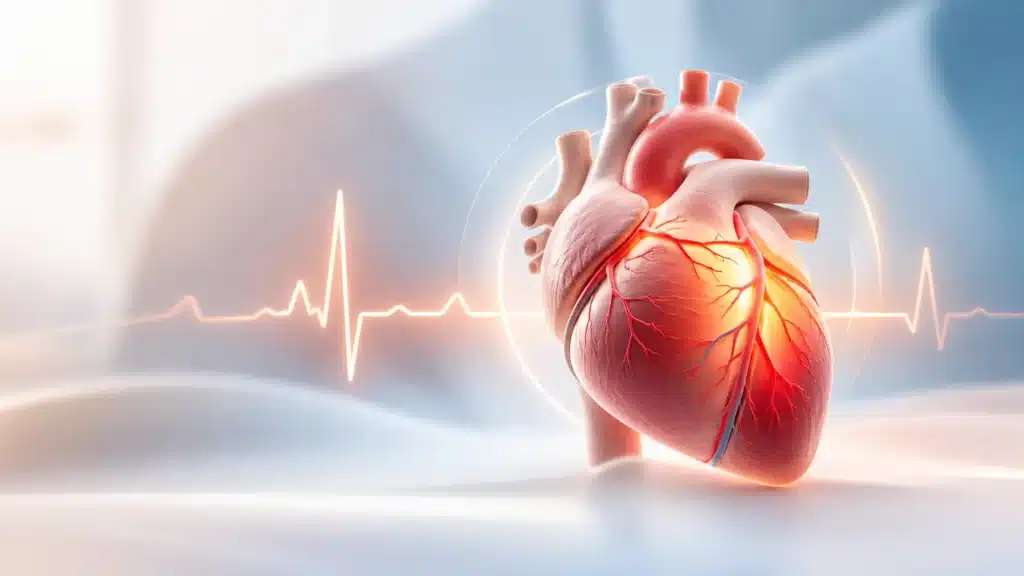
Unstable angina is a serious heart-related condition that needs urgent medical attention. It happens when the heart muscle does not get enough oxygen-rich blood because one or more coronary arteries are narrowed or partly blocked. Unlike stable angina, which usually occurs during exertion and settles with rest, unstable angina can occur at rest, during sleep, or with very little activity. It may also become more frequent, more severe, or last longer than before.
Unstable angina is often considered a warning sign that a heart attack may be close. It belongs to a group of conditions called acute coronary syndromes, which also include heart attack. The main difference is that in unstable angina, the heart muscle is not yet permanently damaged, but the blood supply is dangerously reduced. This is why early diagnosis and immediate treatment can prevent a heart attack and save heart muscle.
Many people ignore chest discomfort because they think it is acidity, gas, muscle pain, stress, or tiredness. But chest pain that is new, severe, occurs at rest, wakes a person from sleep, or does not settle quickly should never be ignored. Unstable angina is a medical emergency, and timely hospital care can make a major difference in outcome.
What is Unstable Angina?
Unstable angina is chest pain or discomfort caused by reduced blood flow to the heart muscle. It occurs when a coronary artery becomes suddenly narrowed due to a blood clot forming over a cholesterol plaque, or when an existing blockage becomes worse.
In stable angina, the heart may get enough blood during rest but not enough during exertion. In unstable angina, the blood supply becomes unpredictable. The patient may feel pain even while resting, sitting, or sleeping. The pain may be new, may occur more often, may last longer, or may not respond to usual medicines.
Unstable angina is dangerous because it can progress to a heart attack. In a heart attack, blood flow is blocked long enough to cause permanent damage to the heart muscle. In unstable angina, there may not yet be permanent damage, but the risk is high. That is why it is treated as an emergency.
How is Unstable Angina Different from Stable Angina?
Understanding the difference helps patients recognize when chest pain needs urgent care.
- Stable angina usually occurs during physical activity, emotional stress, or after a heavy meal.
- Stable angina usually improves within a few minutes of rest or after taking prescribed medicine.
- Unstable angina can occur at rest or during sleep.
- Unstable angina may be new and appear without a clear trigger.
- Unstable angina may become more frequent, severe, or prolonged.
- Unstable angina may not improve with rest or usual angina medicines.
- Unstable angina carries a higher risk of heart attack and needs emergency evaluation.
Causes of Unstable Angina
Unstable angina is usually caused by coronary artery disease. In this condition, fatty deposits called plaques build up inside the arteries that supply blood to the heart.
Main causes include:
- Cholesterol plaque buildup in coronary arteries.
- Rupture or cracking of a cholesterol plaque.
- Formation of a blood clot at the site of plaque rupture.
- Sudden narrowing of a coronary artery.
- Reduced oxygen supply to the heart muscle.
- Severe coronary artery spasm in some patients.
- Worsening of an existing heart artery blockage.
Why a blood clot matters
When a plaque ruptures, the body tries to repair it by forming a clot. If the clot partially blocks the artery, blood flow to the heart reduces and unstable angina occurs. If the clot completely blocks the artery, a heart attack can happen. This is why unstable angina is treated urgently.
Risk Factors for Unstable Angina
Certain factors increase the chance of developing coronary artery disease and unstable angina.
Major risk factors
- High blood pressure.
- High cholesterol.
- Diabetes or prediabetes.
- Smoking or tobacco use.
- Obesity or excess abdominal fat.
- Lack of physical activity.
- Unhealthy diet high in fried, oily, or processed food.
- Family history of early heart disease.
- Increasing age.
- Chronic stress.
- Excess alcohol use.
- Poor sleep or sleep apnea.
- Kidney disease.
- Previous heart attack or known coronary artery disease.
Why risk factors matter
Risk factors damage blood vessels over time. They promote plaque formation, inflammation, clotting, and narrowing of arteries. Controlling these factors lowers the chance of unstable angina and future heart attack.
Symptoms of Unstable Angina
Symptoms may vary from person to person. Some people feel classic chest pain, while others may have only mild discomfort, breathlessness, or fatigue.
Common symptoms
- Chest pain, pressure, tightness, heaviness, or burning.
- Pain that occurs at rest or during sleep.
- Pain that lasts longer than usual.
- Pain that does not settle quickly with rest.
- Pain that may spread to the left arm, right arm, jaw, neck, back, or shoulder.
- Shortness of breath.
- Sweating.
- Nausea or vomiting.
- Dizziness or lightheadedness.
- Anxiety or a feeling of impending danger.
- Unusual tiredness.
- Palpitations or rapid heartbeat.
Symptoms in women, elderly, and diabetic patients
Some patients do not have typical chest pain. Instead, they may experience:
- Breathlessness without chest pain.
- Unusual fatigue.
- Nausea or indigestion-like discomfort.
- Pain in the jaw, back, or upper abdomen.
- Sweating.
- Dizziness.
- Sudden weakness.
- Sleep disturbance due to discomfort.
Emergency warning signs
Seek emergency care immediately if chest discomfort:
- Lasts more than 15 to 20 minutes.
- Occurs at rest.
- Is new and severe.
- Keeps returning.
- Is accompanied by sweating, vomiting, or breathlessness.
- Does not improve with rest or prescribed nitroglycerin.
- Is associated with fainting, weakness, or confusion.
Unstable Angina as a Warning Sign
Unstable angina should be treated as a warning that the heart is at risk.
- It may occur days or weeks before a heart attack.
- It may indicate a plaque is becoming unstable.
- It may mean a blood clot is forming in a coronary artery.
- It may progress to complete artery blockage.
- Early treatment can prevent permanent heart muscle damage.
- Delayed treatment increases the risk of heart attack, heart failure, and life-threatening rhythm problems.
How is Unstable Angina Diagnosed?
Unstable angina is diagnosed using a combination of symptoms, ECG, blood tests, and heart imaging. Because it is an emergency, evaluation should be done quickly.
Initial assessment
- Detailed history of chest pain.
- Time of onset, duration, and triggers.
- History of high blood pressure, diabetes, cholesterol, or smoking.
- Family history of heart disease.
- Physical examination.
- Blood pressure, pulse, and oxygen level check.
Diagnostic tests
- ECG or electrocardiogram to check heart rhythm and signs of reduced blood flow.
- Troponin blood test to check for heart muscle injury.
- Repeated ECG if symptoms continue or return.
- Cardiac enzymes and other blood tests.
- Echocardiogram to assess heart pumping function.
- Chest X-ray in selected patients.
- Coronary angiography to identify blockages.
- CT coronary angiography in selected stable patients.
- Stress test only after the acute phase is controlled and when advised by a cardiologist.
Why troponin is important
Troponin is a protein released when heart muscle is injured. In unstable angina, troponin may be normal or only mildly raised, while in a heart attack it is usually significantly elevated. Serial troponin testing helps doctors distinguish between unstable angina and heart attack.
Emergency Treatment for Unstable Angina
Unstable angina requires immediate hospital treatment. The goal is to restore blood flow, prevent clot growth, and stop progression to heart attack.
Immediate emergency care includes:
- Rapid ECG assessment.
- Oxygen support if oxygen levels are low.
- Continuous heart monitoring.
- Blood pressure and pulse monitoring.
- IV access and blood tests.
- Antiplatelet medicines to prevent clot growth.
- Anticoagulant medicines to reduce clot formation.
- Nitrates to relieve chest pain and improve blood flow.
- Beta-blockers to reduce heart workload, when suitable.
- Statins to stabilize cholesterol plaques.
- Pain relief and anxiety management when needed.
Medicines commonly used
- Aspirin and other antiplatelet medicines.
- Heparin or other anticoagulants.
- Nitroglycerin or other nitrates.
- Beta-blockers.
- Statins.
- Blood pressure and diabetes medicines as required.
- Additional antiplatelet medicines in selected patients.
Advanced Treatment Options
After initial stabilization, doctors decide whether the patient needs further testing or a procedure to open blocked arteries.
1. Coronary angiography
Coronary angiography is a special X-ray test that shows blockages in the heart arteries. A thin tube is inserted through the wrist or groin, and contrast dye is used to visualize blood flow.
- Helps identify the exact site and severity of blockage.
- Guides decisions about angioplasty or bypass surgery.
- Often done early in high-risk unstable angina patients.
2. Angioplasty and stenting
Angioplasty is a procedure used to open a narrowed coronary artery. A small balloon is inflated at the blockage site, and a stent may be placed to keep the artery open.
- Minimally invasive procedure.
- Usually done through the wrist or groin artery.
- Restores blood flow to the heart muscle.
- Often used in high-risk unstable angina or heart attack patients.
- Requires blood-thinning medicines after the procedure.
3. Coronary artery bypass surgery
Bypass surgery, also called CABG, is an open-heart procedure where a healthy blood vessel is used to create a new route around a blocked artery.
- May be recommended for multiple or complex blockages.
- Suitable when angioplasty is not appropriate.
- Improves long-term blood supply to the heart.
- Requires longer recovery than angioplasty.
4. Medical management without procedure
Some patients may be managed with medicines alone if their risk is lower or blockages are not severe.
- Regular follow-up is essential.
- Medicines must be taken exactly as prescribed.
- Lifestyle changes remain important.
- Further testing may be needed if symptoms return.
Recovery After Treatment
Recovery depends on whether the patient received medicines only, angioplasty, or bypass surgery.
Recovery after angioplasty
- Most patients improve quickly.
- Hospital stay is often shorter.
- Blood-thinning medicines must be continued as advised.
- Follow-up with a cardiologist is essential.
- Gradual return to normal activity is encouraged.
Recovery after bypass surgery
- Recovery takes longer.
- Wound care and gradual physical activity are important.
- Cardiac rehabilitation helps improve strength and confidence.
- Regular follow-up is needed to monitor heart function.
Cardiac rehabilitation
Cardiac rehabilitation is a structured program that helps patients recover safely after a heart event or procedure.
- Supervised exercise.
- Diet counseling.
- Stress management.
- Medicine education.
- Blood pressure and sugar monitoring.
- Emotional support.
Lifestyle Changes After Unstable Angina
Lifestyle changes are essential to prevent another episode or heart attack.
Heart-healthy lifestyle measures
- Stop smoking completely.
- Avoid tobacco in any form.
- Control blood pressure.
- Control diabetes and blood sugar.
- Lower cholesterol through diet and medicines if prescribed.
- Maintain a healthy weight.
- Eat more fruits, vegetables, whole grains, pulses, and nuts.
- Reduce fried food, processed food, excess salt, and sugar.
- Exercise regularly as advised by a cardiologist.
- Manage stress through relaxation, sleep, and counseling if needed.
- Limit alcohol.
- Take medicines regularly without skipping doses.
Possible Complications
If unstable angina is not treated promptly, it can lead to serious complications.
- Heart attack.
- Permanent heart muscle damage.
- Heart failure.
- Dangerous heart rhythm problems.
- Cardiac arrest.
- Sudden death.
- Reduced exercise capacity.
- Recurrent chest pain.
- Need for emergency surgery or procedures.
Why complications happen
When blood flow to the heart is severely reduced or blocked, heart muscle begins to suffer. If the blockage continues, muscle cells die, leading to a heart attack. Early treatment helps prevent this damage.
When to See a Doctor
Any new or worsening chest discomfort should be evaluated, especially if it has heart-related features.
- Chest pain at rest.
- New chest pain.
- Increasing frequency of chest pain.
- Chest pain lasting longer than usual.
- Chest pain with breathlessness or sweating.
- Chest pain spreading to arm, jaw, or back.
- Chest discomfort that wakes you from sleep.
- Known heart disease with worsening symptoms.
Prevention of Unstable Angina
Prevention focuses on protecting the heart arteries and controlling risk factors.
Prevention pointers
- Get regular health check-ups.
- Monitor blood pressure, sugar, and cholesterol.
- Quit smoking and avoid secondhand smoke.
- Follow a heart-healthy diet.
- Stay physically active.
- Maintain healthy body weight.
- Manage stress.
- Take prescribed medicines regularly.
- Do not stop heart medicines without medical advice.
- Attend follow-up visits after any heart procedure.
Why Choose Rama Hospital for Unstable Angina Care?
Unstable angina needs fast diagnosis, expert cardiology care, and access to emergency heart treatment. Rama Hospital provides a coordinated approach for patients with chest pain and acute coronary syndrome.
- Rapid ECG and troponin testing.
- Emergency cardiac evaluation.
- Continuous monitoring for high-risk patients.
- Access to angiography, angioplasty, and cardiac surgery support.
- Cardiology, critical care, and emergency teams working together.
- Long-term follow-up and prevention planning.
Frequently Asked Questions (FAQs)
Is unstable angina the same as a heart attack?
No, but it is closely related. In unstable angina, blood flow is reduced but the heart muscle is not yet permanently damaged. In a heart attack, the blockage is more severe and causes permanent muscle injury.
Can unstable angina occur at rest?
Yes. Unlike stable angina, unstable angina often occurs at rest, during sleep, or with very little activity. This is one of the main reasons it is considered dangerous and needs emergency evaluation.
How long does unstable angina pain last?
It may last longer than stable angina, often more than 15 to 20 minutes. It may not settle with rest or usual medicines. Any chest pain lasting this long should be treated as an emergency.
What tests are done for unstable angina?
Common tests include ECG, troponin blood test, echocardiogram, and coronary angiography. These tests help check heart rhythm, detect muscle injury, and identify blockages in the heart arteries.
Can unstable angina be treated without surgery?
Some patients can be managed with medicines, but many high-risk patients need angiography and angioplasty or bypass surgery. The decision depends on the severity of blockage, ECG changes, troponin levels, and overall risk.
Can unstable angina lead to a heart attack?
Yes. Unstable angina can progress to a heart attack if the coronary artery becomes completely blocked. Early treatment with medicines and procedures can reduce this risk significantly.
What should I do if I get chest pain at home?
Stop activity, sit or lie down, and seek emergency medical help if the pain is severe, lasts more than 15 minutes, or does not improve with rest. Do not drive yourself to the hospital if symptoms are severe.
Conclusion
Unstable angina is a serious warning sign that the heart is not getting enough blood. It can occur at rest, become more frequent or severe, and may progress to a heart attack if not treated quickly. Because of this, chest pain that is new, prolonged, or occurring at rest should never be ignored.
The most important steps are early recognition, emergency evaluation, ECG and troponin testing, and timely treatment to restore blood flow. With prompt care, many patients avoid a heart attack and protect their heart muscle. Long-term recovery depends on medicines, lifestyle changes, and regular follow-up.
Rama Hospital can provide urgent evaluation, advanced cardiac diagnostics, and treatment for unstable angina, along with long-term prevention and rehabilitation support to protect heart health.