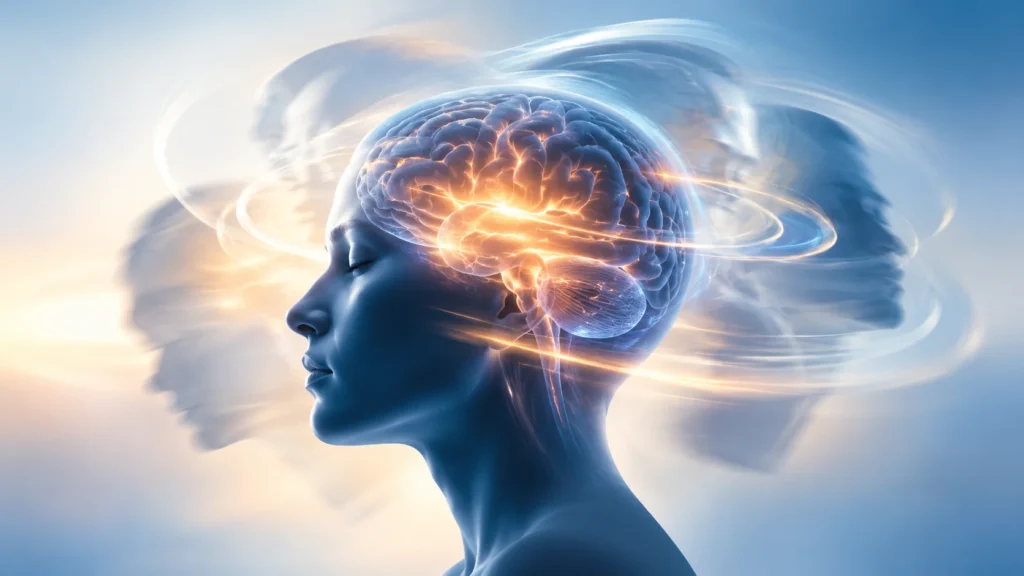
Altered consciousness is a medical condition where a person’s normal awareness of themselves and their surroundings changes. This can range from mild confusion or drowsiness to complete unresponsiveness or coma. It is not a disease by itself, but a sign that something is affecting the brain or the body’s ability to supply it with oxygen, blood, or nutrients.
Altered consciousness can happen suddenly or develop slowly. It may be caused by head injury, stroke, seizure, infection, low blood sugar, drug or alcohol effects, poisoning, liver or kidney failure, or severe dehydration. In some cases, it is temporary and improves quickly with treatment. In others, it can be a sign of a life-threatening emergency that needs immediate medical attention.
What is Altered Consciousness?
Altered consciousness means a change in a person’s normal level of awareness, alertness, or responsiveness. Normally, a person is awake, aware of their surroundings, and able to respond to questions or commands. When consciousness is altered, this normal state is disrupted.
The change can be mild, such as feeling confused or sleepy, or severe, such as being completely unresponsive. It can last for a few minutes, a few hours, or longer depending on the cause. Because the brain controls consciousness, any condition that affects the brain directly or indirectly can lead to altered consciousness.
Altered consciousness is always a sign that something is wrong. It should never be ignored, especially if it happens suddenly, without a clear reason, or is accompanied by other symptoms such as weakness, seizure, vomiting, or severe headache.
Types of Altered Consciousness
Altered consciousness can be classified based on how severe it is and how it presents.
Based on severity
- Mild altered consciousness, where the person is awake but confused, drowsy, or slow to respond.
- Moderate altered consciousness, where the person may need repeated stimulation to respond.
- Severe altered consciousness, where the person is unresponsive or in a coma.
Based on presentation
- Confusion, where the person is disoriented about time, place, or people.
- Delirium, where there is sudden confusion with agitation, hallucinations, or fluctuating awareness.
- Stupor, where the person is difficult to wake and responds only to strong stimulation.
- Coma, where the person is completely unresponsive and cannot be awakened.
- Vegetative state, where the person may open eyes or have sleep-wake cycles but shows no awareness.
- Minimally conscious state, where there is some limited but definite awareness.
Based on duration
- Transient altered consciousness, which lasts seconds to minutes, such as in fainting or brief seizure.
- Acute altered consciousness, which develops suddenly and may last hours to days.
- Chronic altered consciousness, which persists for weeks, months, or longer in severe brain injury.
Causes of Altered Consciousness
Altered consciousness has many possible causes, ranging from reversible conditions to serious brain injury.
Common causes include:
- Head injury or trauma.
- Stroke or bleeding in the brain.
- Seizure or epilepsy.
- Low blood sugar or high blood sugar.
- Dehydration or electrolyte imbalance.
- Infection such as meningitis or encephalitis.
- Drug overdose or alcohol intoxication.
- Poisoning from toxins or chemicals.
- Liver failure or kidney failure.
- Heart problems reducing blood flow to the brain.
- Severe low blood pressure or shock.
- Lack of oxygen due to choking, drowning, or respiratory failure.
- Brain tumor or increased pressure inside the skull.
- Medication side effects or interactions.
- Severe pain, stress, or emotional shock in some cases.
Why the cause matters
Identifying the cause is the most important step in treatment. Some causes, such as low blood sugar or dehydration, can be corrected quickly. Others, such as stroke or brain injury, need urgent specialist care to prevent permanent damage.
Risk Factors for Altered Consciousness
Some people are more likely to experience altered consciousness than others.
Higher-risk groups
- Elderly people.
- People with diabetes.
- People with epilepsy or seizure disorders.
- People with heart disease or high blood pressure.
- People with liver or kidney disease.
- People with a history of stroke or brain injury.
- Alcohol or drug users.
- People with infections or weak immunity.
- Those taking multiple medicines that affect the brain.
- People with sleep deprivation or severe stress.
Why risk increases in these groups
- Age-related changes reduce brain resilience.
- Chronic diseases affect blood flow and metabolism.
- Medicines can interact and affect consciousness.
- Substance use directly affects brain function.
- Infections can spread to the brain or cause systemic inflammation.
Symptoms of Altered Consciousness
Symptoms depend on the cause, severity, and speed of onset.
Common symptoms include:
- Confusion or disorientation.
- Drowsiness or excessive sleepiness.
- Difficulty concentrating.
- Slurred speech.
- Slow or inappropriate responses.
- Memory problems.
- Agitation or restlessness.
- Hallucinations or unusual behavior.
- Weakness or numbness on one side of the body.
- Difficulty speaking or understanding speech.
- Seizures or convulsions.
- Vomiting or nausea.
- Headache.
- Loss of bladder or bowel control.
- Complete unresponsiveness in severe cases.
Warning signs that need emergency care
- Sudden loss of consciousness.
- Seizure lasting more than five minutes.
- Difficulty breathing.
- Severe headache with vomiting.
- One-sided weakness or facial droop.
- Confusion after head injury.
- Signs of poisoning or overdose.
- Unresponsiveness to voice or touch.
Altered Consciousness in Different Situations
Altered consciousness can present differently depending on the setting and cause.
After head injury
- May be brief or prolonged.
- Can be accompanied by memory loss, vomiting, or weakness.
- Needs urgent evaluation to rule out bleeding or swelling.
During or after seizure
- Person may be confused or sleepy after the seizure ends.
- May not remember the event.
- Needs assessment if seizure is prolonged or repeated.
In elderly patients
- May present as sudden confusion or delirium.
- Often linked to infection, dehydration, or medication changes.
- Needs careful evaluation to identify the trigger.
In diabetic patients
- Low blood sugar can cause confusion, sweating, and loss of consciousness.
- High blood sugar over time can also affect consciousness.
- Needs immediate sugar testing and correction.
After alcohol or drug use
- May present as drowsiness, confusion, or unresponsiveness.
- Can be life-threatening if breathing is affected.
- Needs urgent medical assessment and monitoring.
How is Altered Consciousness Diagnosed?
Diagnosis is based on history, examination, and tests to identify the cause quickly.
Diagnostic steps
- Detailed history from family or witnesses.
- Assessment of level of consciousness using scales such as Glasgow Coma Scale.
- Check of vital signs including pulse, blood pressure, breathing, and oxygen level.
- Blood sugar testing.
- Neurological examination to check pupils, reflexes, strength, and coordination.
- Review of medicines, alcohol, or drug use.
Common tests that may be done
- Blood tests for sugar, electrolytes, infection, liver, and kidney function.
- CT scan of the head to look for bleeding, stroke, or swelling.
- MRI of the brain for detailed imaging.
- EEG to check for seizures or abnormal brain activity.
- ECG and heart tests if cardiac cause is suspected.
- Toxicology screening for drugs or alcohol.
- Lumbar puncture if infection is suspected.
Why diagnosis matters
The cause of altered consciousness can be life-threatening. Quick and accurate diagnosis helps guide the right treatment and can prevent permanent brain damage or death.
Treatment for Altered Consciousness
Treatment depends on the cause and severity. The main goal is to stabilize the patient, treat the cause, and prevent complications.
1. Emergency stabilization
- Ensure the airway is open and breathing is adequate.
- Provide oxygen if needed.
- Check and stabilize blood pressure and heart rate.
- Start IV access for fluids and medicines.
- Monitor vital signs continuously.
2. Treat the cause
- Give glucose if low blood sugar is present.
- Give antidotes for certain drug overdoses.
- Treat infection with antibiotics or antivirals.
- Manage seizures with anti-epileptic medicines.
- Treat stroke or bleeding with specialist care.
- Correct dehydration or electrolyte imbalance.
- Manage liver or kidney failure with appropriate treatment.
3. Supportive care
- Monitor neurological status regularly.
- Prevent pressure sores and infections in unconscious patients.
- Maintain nutrition and hydration through IV or feeding tube if needed.
- Prevent complications such as blood clots or lung infection.
- Provide rehabilitation once the patient stabilizes.
4. Hospital and ICU care
- Severe cases need intensive care monitoring.
- Continuous assessment of brain function.
- Management of brain swelling or pressure.
- Coordination between neurology, neurosurgery, and critical care teams.
Recovery After Altered Consciousness
Recovery depends on the cause, duration, and severity of the episode.
Recovery after mild altered consciousness
- Often quick once the cause is treated.
- May need short observation in hospital.
- Follow-up to ensure no recurrence.
Recovery after severe altered consciousness
- May take days to weeks or longer.
- Rehabilitation for physical, speech, and cognitive function.
- Emotional and psychological support.
- Long-term follow-up to monitor recovery.
Rehabilitation support
- Physical therapy for strength and mobility.
- Occupational therapy for daily activities.
- Speech therapy if speech or swallowing is affected.
- Psychological support for anxiety, depression, or memory issues.
- Family education and support.
Possible Complications
Altered consciousness, especially if prolonged or severe, can lead to complications.
Possible complications
- Brain damage due to lack of oxygen.
- Pressure sores from prolonged immobility.
- Lung infection or pneumonia.
- Blood clots in legs or lungs.
- Muscle weakness and stiffness.
- Difficulty swallowing or eating.
- Memory or cognitive problems.
- Emotional or behavioral changes.
- Long-term disability.
- Death in severe cases.
Why complications happen
When consciousness is altered for a long time, the body is less able to protect itself. Immobility, poor nutrition, and reduced reflexes increase the risk of infections, clots, and pressure injuries. Early and active care can reduce these risks.
When to Seek Emergency Care
Altered consciousness is always a reason to seek medical attention, but some situations need immediate emergency care.
- The person is unresponsive or cannot be awakened.
- There is a seizure lasting more than five minutes.
- Breathing is difficult or irregular.
- There is severe headache with vomiting.
- There is one-sided weakness or facial droop.
- There is confusion after head injury.
- There are signs of poisoning or overdose.
- There is sudden confusion in an elderly person.
Why immediate care matters
Many causes of altered consciousness are time-sensitive. Quick treatment can reverse the problem, prevent brain damage, and save life. Delay can lead to permanent disability or death.
Prevention of Altered Consciousness
Not all causes can be prevented, but many risk factors can be managed.
Prevention pointers
- Control blood pressure and diabetes.
- Avoid alcohol and drug abuse.
- Take medicines as prescribed and avoid self-medication.
- Wear helmets and seat belts to prevent head injury.
- Treat infections early.
- Stay hydrated and maintain balanced nutrition.
- Get regular health check-ups.
- Manage chronic diseases such as epilepsy, heart disease, or kidney disease.
- Seek help for mental health or stress issues.
For people with chronic conditions
- Regular follow-up with doctors.
- Monitor blood sugar and blood pressure at home if advised.
- Keep a list of medicines and share it with healthcare providers.
- Be aware of warning signs and act quickly.
Why Choose Rama Hospital for Altered Consciousness Care?
Altered consciousness is a medical emergency that needs expert evaluation and rapid treatment. A hospital with experienced neurologists, neurosurgeons, and critical care teams can make a major difference in outcomes.
- 24/7 emergency care for sudden altered consciousness.
- Advanced imaging and laboratory testing for quick diagnosis.
- Intensive care support for severe cases.
- Specialist treatment for stroke, seizure, infection, and metabolic causes.
- Rehabilitation and long-term follow-up.
- Coordinated care between multiple departments.
Frequently Asked Questions (FAQs)
What causes altered consciousness?
Common causes include head injury, stroke, seizure, low blood sugar, infection, drug or alcohol effects, and liver or kidney failure. The cause must be identified quickly to guide treatment.
Is altered consciousness always serious?
Not always, but it should never be ignored. Mild confusion may be temporary, but sudden or severe altered consciousness can be life-threatening and needs urgent evaluation.
What should I do if someone becomes unconscious?
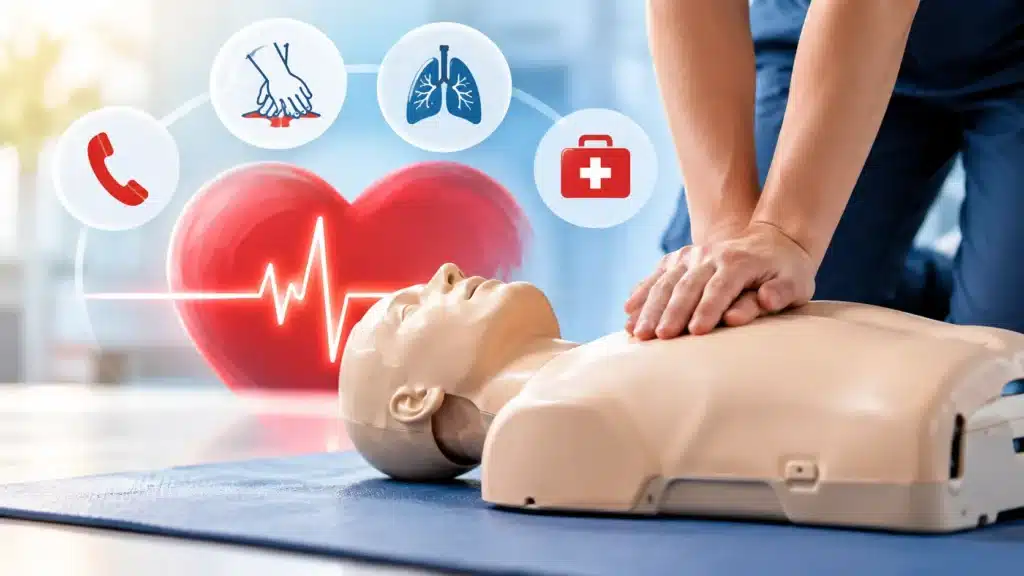
Check breathing and pulse, call emergency services, and place the person in the recovery position if breathing is normal. Do not give food or water. Seek immediate medical help.
Can low blood sugar cause altered consciousness?
Yes, low blood sugar is a common and reversible cause. It can cause confusion, sweating, and loss of consciousness. Immediate glucose treatment can reverse it quickly.
Can altered consciousness happen after a seizure?
Yes, confusion or sleepiness after a seizure is common and usually temporary. If the seizure is prolonged or repeated, urgent medical care is needed.
How is altered consciousness diagnosed?
Diagnosis is based on history, examination, and tests such as blood sugar, CT or MRI of the brain, EEG, and toxicology screening. Quick testing helps identify the cause.
Can altered consciousness be prevented?
Some causes can be prevented by controlling blood pressure, diabetes, avoiding substance abuse, and treating infections early. Regular check-ups and awareness of warning signs also help.
Conclusion
Altered consciousness is a serious medical condition that can range from mild confusion to complete unresponsiveness. It is always a sign that something is affecting the brain or body and should never be ignored. Many causes are reversible if treated quickly, but delay can lead to permanent damage or death.
The most important steps are early recognition, emergency evaluation, accurate diagnosis, and targeted treatment of the cause. For patients with sudden confusion, fainting, seizure, or unresponsiveness, immediate medical attention can make a major difference. With the right care, many people recover fully and return to normal life.
Rama Hospital can provide rapid evaluation, advanced diagnostics, and expert treatment for altered consciousness, along with rehabilitation and long-term follow-up to support recovery and prevent recurrence.