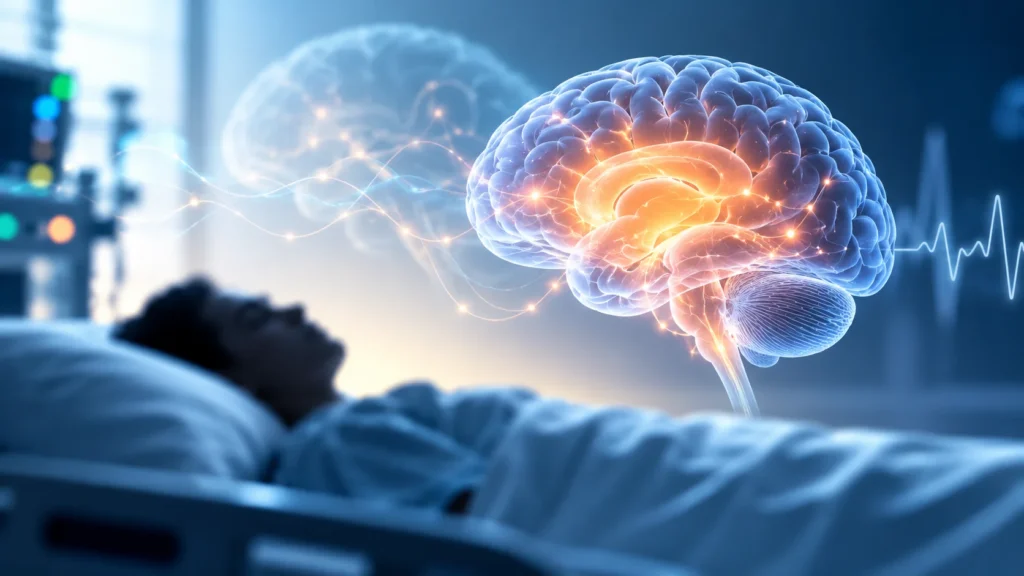
A coma is a serious medical emergency in which a person is unconscious and cannot respond to their surroundings. Unlike normal sleep, a person in a coma cannot be awakened by calling their name, shaking them, or using loud sounds. The brain is not functioning normally, and the person may not respond to pain, light, or other stimuli.
This can happen for many reasons, including head injury, stroke, brain infection, drug overdose, low blood sugar, lack of oxygen, or severe illness. It is not a disease itself but a sign that something serious is affecting the brain. The longer a person remains in a coma, the higher the risk of complications and long-term brain damage.
What is a Coma?
A coma is a state of prolonged unconsciousness where a person cannot be awakened and does not respond to external stimuli. It is different from sleep because the brain is not cycling through normal sleep stages and the person cannot be roused.
In a coma, the person may:
- Not open their eyes.
- Not respond to voice or touch.
- Not respond to pain.
- Not show normal reflexes.
- Have abnormal breathing patterns.
- Show changes in heart rate or blood pressure.
This is a sign of brain dysfunction, not a diagnosis by itself. It means something is interfering with the brain’s normal activity. The cause must be identified quickly to guide treatment.
Types of Coma
This can be classified in different ways based on the cause, depth, and duration.
Based on cause
- Traumatic coma, caused by head injury or trauma.
- Metabolic coma, caused by problems like low blood sugar, kidney failure, or liver failure.
- Toxic coma, caused by drugs, alcohol, or poisoning.
- Infectious coma, caused by brain infection such as encephalitis or meningitis.
- Vascular coma, caused by stroke or bleeding in the brain.
- Hypoxic coma, caused by lack of oxygen to the brain.
Based on depth
- Mild coma, where the person may show some reflexes or slight response to stimuli.
- Moderate coma, where response is limited and reflexes may be reduced.
- Deep coma, where there is no response to pain or stimuli and vital signs may be unstable.
Based on duration
- Short-term coma, lasting hours to days.
- Prolonged coma, lasting weeks or longer.
- Persistent vegetative state, where the person may open eyes but shows no awareness.
- Minimally conscious state, where there is some limited awareness or response.
Causes of Coma
This has many possible causes, and identifying the exact reason is the first step in treatment.
Common causes include:
- Head injury from accident, fall, or assault.
- Stroke, either ischemic or hemorrhagic.
- Brain infection such as encephalitis or meningitis.
- Brain tumor or swelling.
- Drug overdose, including sedatives, opioids, or alcohol.
- Poisoning from chemicals or toxins.
- Low blood sugar or high blood sugar.
- Lack of oxygen due to drowning, choking, or cardiac arrest.
- Severe infection leading to sepsis.
- Kidney or liver failure.
- Seizures or status epilepticus.
- Metabolic imbalances such as sodium or calcium problems.
- Carbon monoxide poisoning.
Why the cause matters
The cause determines the treatment. For example, low blood sugar can be corrected quickly with glucose, while a brain hemorrhage may need surgery. Delayed treatment can worsen brain damage, so rapid diagnosis is critical.
Risk Factors for Coma
Some people are more likely to experience coma due to certain health conditions or lifestyle factors.
Higher-risk groups
- People with uncontrolled diabetes.
- People with epilepsy or seizure disorders.
- People with high blood pressure or heart disease.
- People with a history of stroke.
- People with chronic kidney or liver disease.
- People with substance abuse or alcohol dependence.
- People with a history of head trauma.
- Elderly patients with multiple health problems.
- People with weak immune systems.
Why risk increases in these groups
- Chronic illness can affect brain function.
- Diabetes can cause dangerous blood sugar swings.
- Substance abuse increases risk of overdose or trauma.
- Heart disease can reduce oxygen supply to the brain.
- Infections can spread to the brain in vulnerable people.
- Elderly patients may have weaker resilience to illness.
Symptoms of Coma
This itself is a symptom of brain dysfunction, but there are signs that may appear before or during a coma.
Early warning signs before coma
- Confusion or disorientation.
- Severe headache.
- Dizziness or fainting.
- Seizures.
- Weakness or numbness.
- Difficulty speaking.
- Vision changes.
- Extreme drowsiness.
- Slurred speech.
- Loss of balance.
Signs during coma
- No response to voice, touch, or pain.
- Eyes closed and not opening.
- Abnormal breathing patterns.
- Changes in heart rate or blood pressure.
- Abnormal reflexes.
- Loss of bladder or bowel control.
- Muscle stiffness or flaccidity.
- Abnormal eye movements.
Emergency warning signs
- Sudden loss of consciousness.
- Seizure that does not stop.
- Severe head injury.
- Difficulty breathing.
- No pulse or heartbeat.
- Signs of stroke such as facial droop or weakness.
- Suspected drug overdose or poisoning.
Coma in Different Age Groups
This can affect people of all ages, but the causes and outcomes may vary.
In children
- Common causes include head injury, infection, poisoning, or metabolic problems.
- Children may recover better than adults in some cases.
- Early treatment is critical to prevent long-term damage.
In adults
- Common causes include stroke, trauma, drug overdose, and metabolic problems.
- Recovery depends on the cause and speed of treatment.
- Chronic illness can complicate recovery.
In elderly patients
- Higher risk due to falls, stroke, and chronic illness.
- Recovery may be slower and complications more common.
- Careful monitoring of vital signs and brain function is needed.
How is Coma Diagnosed?
Diagnosis is done in an emergency setting using a combination of history, examination, and tests. The goal is to find the cause quickly and start treatment.
Diagnostic steps
- Check airway, breathing, and circulation.
- Assess level of consciousness using scales like Glasgow Coma Scale.
- Check vital signs including blood pressure, pulse, and oxygen level.
- Review history from family or witnesses.
- Check for signs of trauma, drug use, or infection.
- Neurological examination to assess reflexes and brain function.
Common tests that may be done
- Blood sugar test.
- Blood tests for infection, kidney, liver, and electrolytes.
- Toxicology screen for drugs or alcohol.
- CT scan of the head to look for bleeding or swelling.
- MRI of the brain for detailed imaging.
- EEG to check brain activity and seizures.
- Lumbar puncture if infection is suspected.
- ECG and echocardiogram if heart-related cause is suspected.
Why diagnosis matters
The cause of coma determines the treatment. Delayed diagnosis can worsen brain damage and reduce chances of recovery. Rapid testing and imaging are essential in emergency care.
Treatment for Coma
Treatment depends on the cause and severity of the coma. The main goal is to stabilize the patient, treat the underlying cause, and prevent further brain damage.
1. Emergency stabilization
- Ensure airway is open and breathing is supported.
- Provide oxygen if needed.
- Check and stabilize blood pressure and heart rate.
- Control bleeding if present.
- Treat seizures immediately.
2. Treat the underlying cause
- Give glucose if blood sugar is low.
- Give antidotes for drug overdose or poisoning.
- Treat infection with antibiotics or antivirals.
- Manage stroke with clot-busting drugs or surgery if needed.
- Relieve pressure in the brain if swelling is present.
- Correct metabolic imbalances.
3. Supportive care
- Monitor vital signs continuously.
- Maintain nutrition through feeding tube if needed.
- Prevent bedsores and infections.
- Manage bladder and bowel function.
- Provide physical therapy to prevent muscle wasting.
4. Surgery if needed
- Surgery may be needed to remove blood clots, relieve pressure, or repair injury.
- Decompressive craniectomy may be done to reduce brain swelling.
- Shunt may be placed if fluid builds up in the brain.
5. Rehabilitation after recovery
- Physical therapy for strength and mobility.
- Occupational therapy for daily activities.
- Speech therapy if communication is affected.
- Cognitive therapy for memory and thinking.
- Psychological support for patient and family.
Recovery After Coma
Recovery depends on the cause, duration, and severity of the coma. Some people recover fully, while others may have long-term effects.
Factors affecting recovery
- Cause of coma.
- Duration of unconsciousness.
- Age and overall health.
- Speed of treatment.
- Presence of complications.
- Severity of brain damage.
Stages of recovery
- Gradual return of reflexes and eye opening.
- Response to voice or touch.
- Ability to follow simple commands.
- Return of speech and movement.
- Cognitive and emotional recovery.
- Long-term rehabilitation if needed.
Rehabilitation support
- Physical therapy for strength and mobility.
- Occupational therapy for daily activities.
- Speech therapy for communication.
- Cognitive therapy for memory and thinking.
- Psychological support for patient and family.
- Family education and involvement in care.
Possible Complications
This can lead to serious complications, especially if it lasts a long time.
Complications may include:
- Brain damage.
- Memory loss or cognitive problems.
- Speech or language difficulties.
- Weakness or paralysis.
- Seizures.
- Infections such as pneumonia or urinary tract infection.
- Bedsores.
- Blood clots.
- Muscle wasting.
- Emotional or behavioral changes.
- Persistent vegetative state in severe cases.
Why complications happen
Prolonged immobility, reduced brain function, and underlying illness can lead to complications. Early treatment and rehabilitation help reduce these risks.
When to Seek Emergency Care
This is always a medical emergency. Immediate care is needed if a person is unconscious or shows warning signs.
Seek emergency care immediately if:
- A person is unconscious and cannot be awakened.
- There is severe head injury.
- There is seizure that does not stop.
- There is difficulty breathing.
- There is no pulse or heartbeat.
- There are signs of stroke such as facial droop or weakness.
- There is suspected drug overdose or poisoning.
- There is severe confusion or drowsiness.
Prevention of Coma
Not all comas can be prevented, but risk can be reduced.
Prevention pointers
- Wear helmets and seat belts to prevent head injury.
- Control diabetes and blood pressure.
- Avoid drug and alcohol abuse.
- Seek treatment for infections early.
- Manage chronic illnesses properly.
- Prevent falls in elderly patients.
- Ensure safe environment at home and work.
- Get regular health check-ups.
For people with chronic illness
- Follow treatment plans carefully.
- Monitor blood sugar and blood pressure regularly.
- Seek medical help for worsening symptoms.
- Avoid sudden changes in medicines without advice.
Why Choose Rama Hospital for Coma Treatment?
This is a critical condition that requires expert emergency care, advanced diagnostics, and intensive support. A hospital with experienced critical care, neurology, and neurosurgery teams can make a major difference in outcomes.
- Rapid emergency assessment and stabilization.
- Advanced imaging and lab tests for accurate diagnosis.
- Intensive care monitoring and support.
- Treatment of underlying cause by specialists.
- Rehabilitation and long-term follow-up.
- Coordinated care for complications and recovery.
Frequently Asked Questions (FAQs)
Is coma the same as sleep?
No, this is different from sleep. A person in a coma cannot be awakened by voice, touch, or pain, while a sleeping person can be roused. Brain activity is also different.
What causes coma?
This can be caused by head injury, stroke, brain infection, drug overdose, low blood sugar, lack of oxygen, or severe illness. The cause must be identified quickly to guide treatment.
Can a person recover from coma?
Yes, many people recover from this, especially if the cause is treated quickly. Recovery depends on the cause, duration, and severity of brain damage. Rehabilitation may be needed for long-term recovery.
How is coma diagnosed?
This is diagnosed using clinical examination and tests like CT scan, MRI, EEG, blood tests, and toxicology screen. The goal is to find the cause and assess brain function.
What is the treatment for coma?
Treatment includes emergency stabilization, treating the underlying cause, supportive care, and sometimes surgery. Rehabilitation is important after recovery.
Can coma cause permanent brain damage?
Yes, prolonged or severe brain injury can cause permanent damage. Early treatment and rehabilitation can reduce the risk and improve outcomes.
When should I seek emergency care?
Seek emergency care immediately if a person is unconscious, has severe head injury, seizure, difficulty breathing, or signs of stroke. This is always a medical emergency.
Conclusion
This is a serious medical emergency that requires immediate attention. It is not a disease itself but a sign that something is affecting the brain. Causes can range from head injury and stroke to drug overdose and metabolic problems. Early diagnosis and treatment are critical to prevent brain damage and improve recovery.
The most important steps are rapid emergency care, accurate diagnosis, treatment of the underlying cause, and supportive care. For patients and families, understanding the warning signs and seeking help quickly can make a major difference in outcomes. With the right care and rehabilitation, many people can recover and return to a meaningful quality of life.
Rama Hospital can provide expert emergency care, advanced diagnostics, and comprehensive treatment for coma, along with rehabilitation and long-term follow-up to support recovery and improve outcomes.